
Maintaining a clean refrigerator is vital for food safety and proper appliance function. Unfortunately, many make common cleaning missteps that can compromise cleanliness.
Even minor oversights can result in bacteria, bad odors, and potential appliance damage.
Here, cleaning professionals highlight seven frequent fridge cleaning errors and share simple fixes.
Common Fridge Cleaning Errors to Avoid
Before starting a thorough clean, it's essential to clear out the fridge. Remove all items, discarding expired products or anything you'll not use. This gives you a clean slate to tackle these typical cleaning mistakes.
1. Infrequent Cleaning

Regular cleaning during grocery trips helps prevent contamination.
Ever wondered how often you should clean your fridge? According to Forrest Webber, a cleaning expert, many neglect this important task. He emphasizes that waiting for visible messes or odors means you're already behind. To prevent bacteria buildup, aim to thoroughly clean your fridge once a month. Consider scheduling it with your grocery shopping.
2. Neglecting Containers and Jars

Keeping containers clean is just as crucial as the fridge's interior.
Cleaning the fridge is only effective if you also wash the items going back in. Marla Mock, a cleaning pro, notes that many overlook rinsing jars and bottles like ketchup and salsa that get dirty on the outside. Taking this extra step helps keep your fridge cleaner longer.
This additional storage tip will prolong your groceries' freshness and eliminate unwanted odors.
 Kills mold
Vinegar effectively eliminates mold and various pathogens, making it an ideal natural cleaner for your refrigerator.
 Citron scent
For tackling grease and odors, consider an all-purpose cleaner like Method's scented spray. Just apply it to a cloth and wipe down surfaces for a fresh and clean fridge.
 Pack of six
Keep paper towels handy for quick cleanups of spills and sticky spots in your fridge, ensuring messes don't spread around.
3. Using the Same Cloth Everywhere

Different cleaning cloths for various fridge sections are crucial.
Cross-contamination is a significant risk when cleaning. Alicia Sokolowski, a cleaning expert, advises against using the same cloth for different areas. Always use a fresh cloth or disinfect between tasks to prevent spreading bacteria.
Having a multi-pack of cloths ensures you always have clean ones ready. Toss them in the wash after each use to keep them fresh.
4. Overlooking the Exterior

Cleaning the fridge's exterior enhances the overall kitchen appearance.
To achieve a professional kitchen clean, don't neglect the fridge's outside.
Marla Mock points out that while the inside often gets focused on, the exterior is frequently touched and can benefit from a quick clean to enhance your kitchen's look.
 Quickly removes dust
This Damp Duster collects dust rather than spreading it, making quick work of cleaning surfaces without harsh chemicals.
 Lint-free
Muslin cloths are excellent for polishing, leaving no lint behind for a spotless finish.
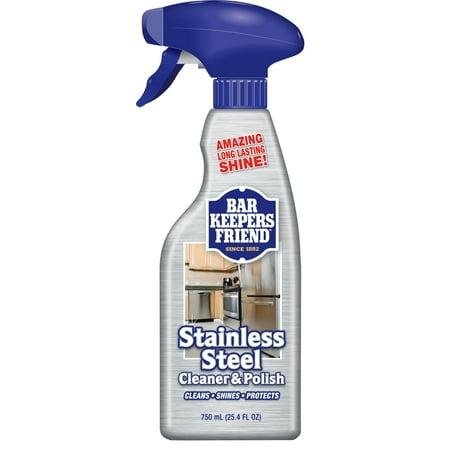 Shines and protects
For stainless steel fridges, use a specialized cleaner to eliminate streaks and guard against future marks.
5. Ignoring Gaskets and Doors
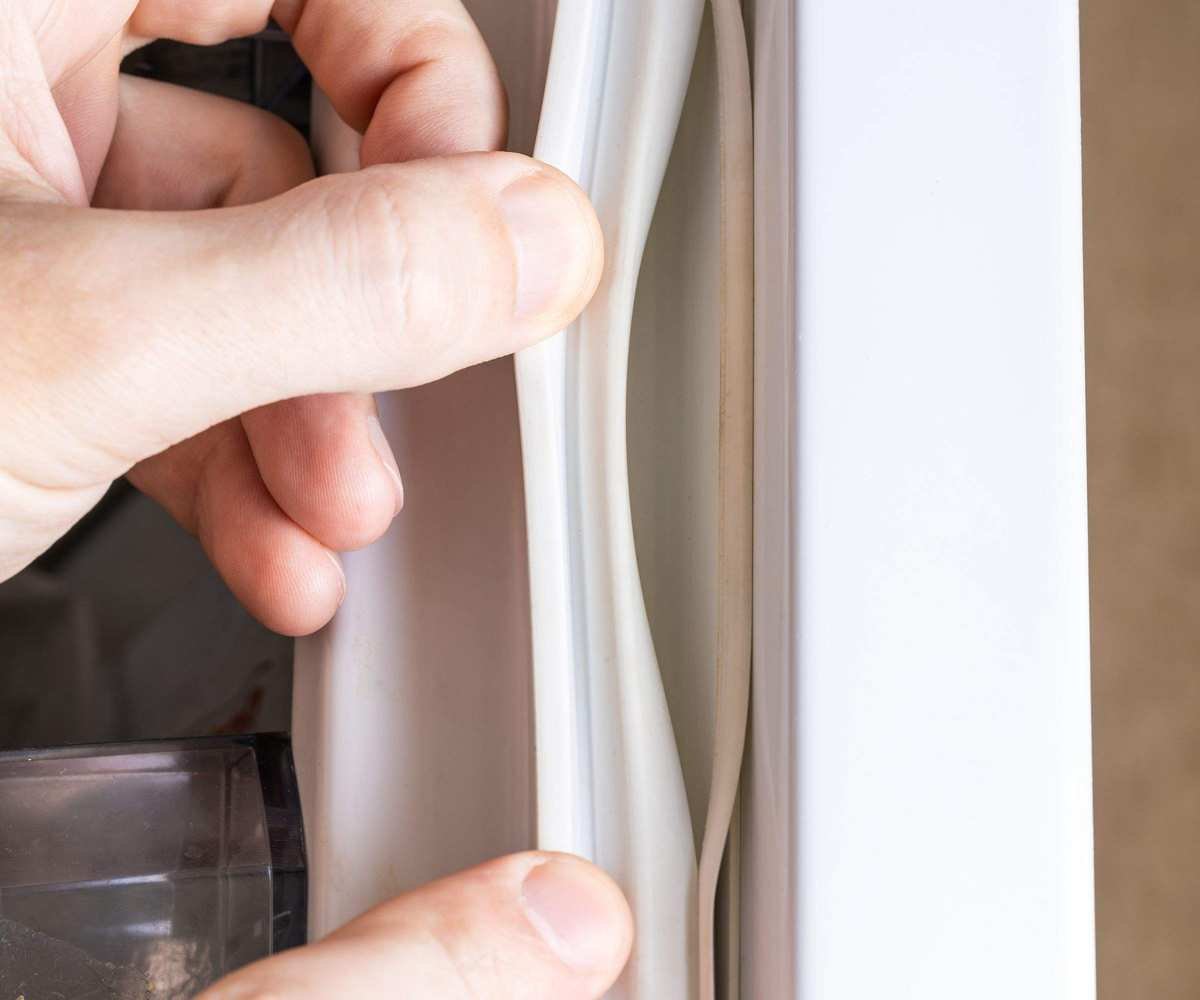
Rubber seals can quickly accumulate mold without regular cleaning.
Forrest Webber advises that many forget to clean rubber seals and handles, which are often among the most touched areas. Neglecting these can compromise your fridge's hygiene and functionality.
To clean the fridge door seal, he suggests using an old toothbrush with water and baking soda. A specialized detail brush can also help tackle those hard-to-reach spots.
Baking soda serves as a gentle abrasive to remove tough deposits without scratching surfaces. It can be mixed with water or vinegar for effective cleaning.
6. Forgetting the Drainage Hole

A small drainage hole plays a crucial role in fridge function.
At the back of your fridge lies a tiny drainage hole, often overlooked but essential. Neglecting it can lead to water leaks due to clogs from food debris.
Alicia Sokolowski warns that this hole prevents moisture buildup. Regularly check and clean it with warm water and a small brush to ensure your fridge operates smoothly.
7. Choosing the Wrong Cleaner

Gentle cleaners help protect both your food and appliance.
You don't need harsh chemicals for effective cleaning, especially in your fridge.
Alicia Sokolowski advises against strong cleaners that can leave residues and odors that may seep into your food. When picking cleaning products, choose natural and food-safe options to keep your fridge fresh.
The Environmental Working Group (EWG) certifies Attitude products as non-toxic, making them ideal for food storage areas.