Installing bat houses in your yard is a straightforward way to turn your outdoor space into a welcoming habitat for wildlife.
We all appreciate the role of wildlife-friendly gardens—they are essential for maintaining our ecosystem and safeguarding the environment. While you may have already been feeding birds or setting up hedgehog homes, it's also important to consider bats.
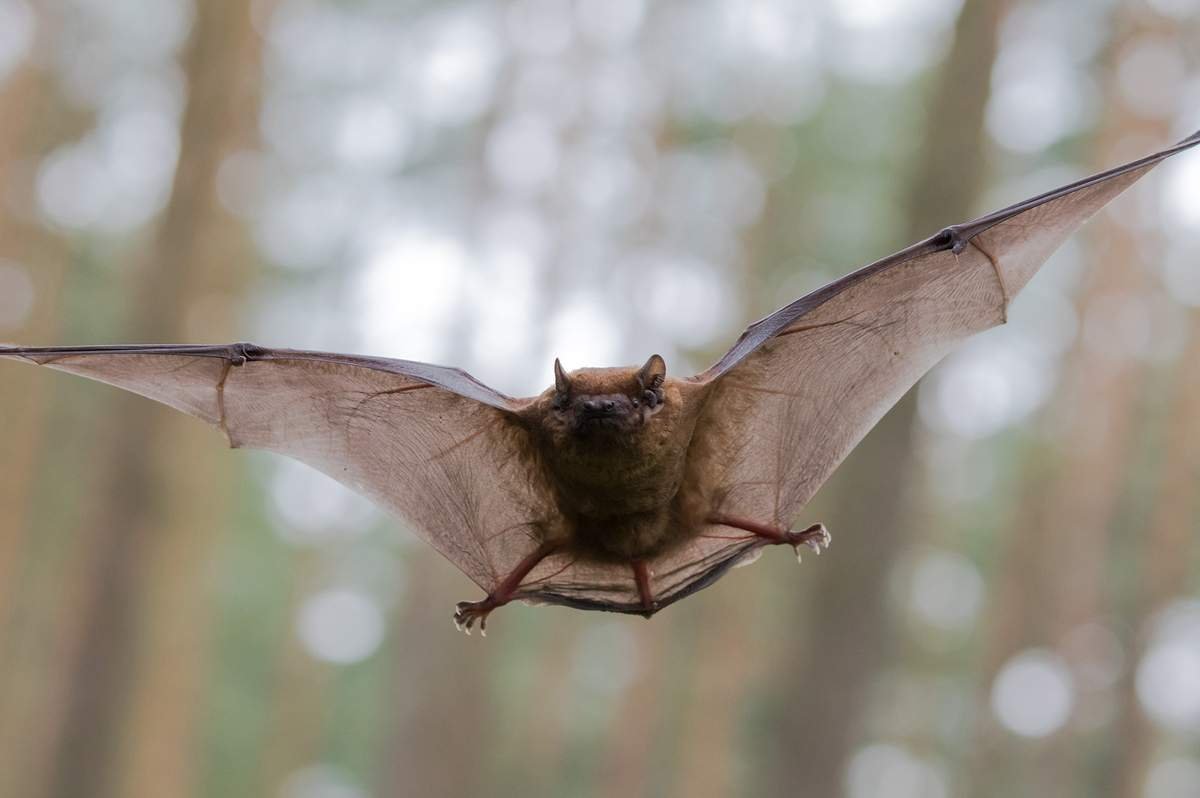
These remarkable creatures provide numerous benefits. A single bat can consume around 1,200 mosquitoes in just one hour, significantly aiding in controlling their populations. Plus, bats are crucial pollinators for various plants, including those that rely solely on them.
In the United States, there are 47 bat species, with the little brown bat being one of the most commonly spotted. Unfortunately, they are also among the most endangered. Many countries protect these species by law, making it illegal to disturb their roosting areas. 'In North America, local regulations safeguard bats in their natural habitats and offer protections for those roosting in buildings,' share experts from Bat Conservation International.
Let's explore the advantages of bat houses and roosting boxes.
Why Install Bat Houses?
Bat houses provide safe spaces for bats to roost and care for their young. With bat populations declining, it's increasingly vital to offer them protection.
Like many animals, bats face escalating threats from urbanization and deforestation. 'Bats typically roost in a variety of locations, such as tree hollows, churches, buildings, caves, mines, and railway tunnels,' states Ness Amaral-Rogers, a science communications executive. 'However, as natural roosts diminish due to tree removal and building disturbances, bats find fewer safe options.'
Fortunately, we can help by providing artificial roosts, also known as bat houses.
If you already have bats roosting in your attic, new bat houses may not attract them away, according to Douglas Kent, a technical and research director. 'However, it's still advisable to install them, as the loss of natural habitats often drives bats to seek shelter in buildings.'
What's the Purpose of a Bat Box?
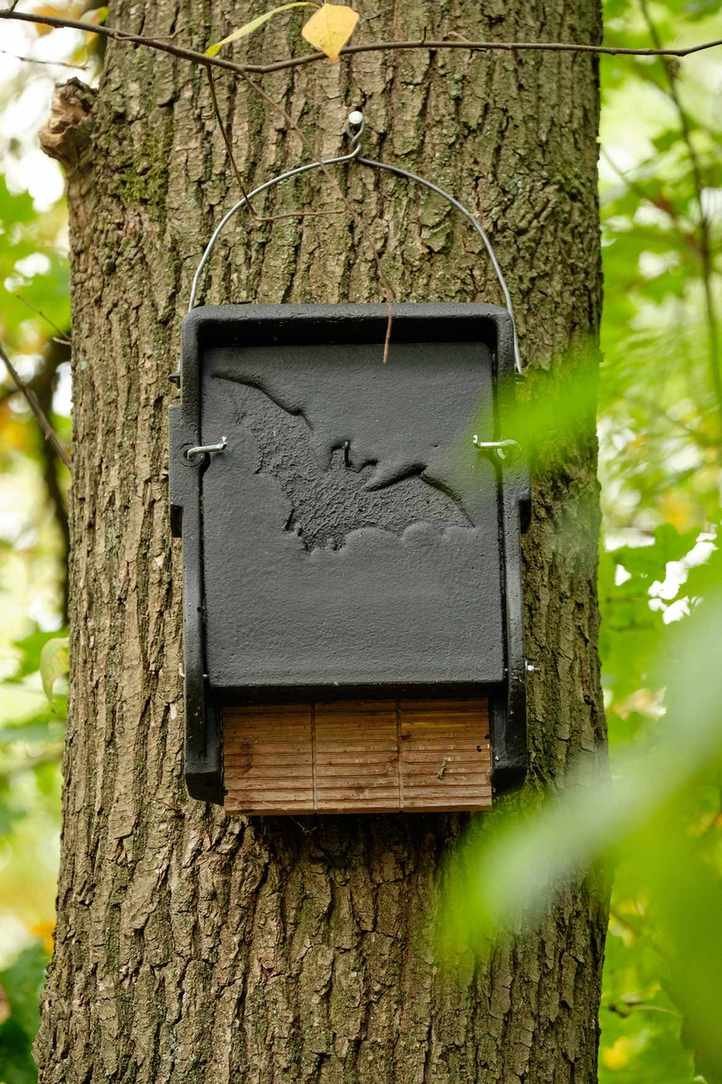
A bat box is comparable in size to a bird box, but instead of a large opening, it consists of multiple smaller compartments (ranging from 15mm to 25mm deep) joined together. This design mimics bats' natural roosts, providing protection from predators.
It's crucial that the wood for your bat box is untreated, as bats are sensitive to chemicals, and the surface should be rough, allowing bats to grip securely when roosting. If your wood isn't rough, use a saw to create a suitable texture for them.
Where to Position a Bat Box?
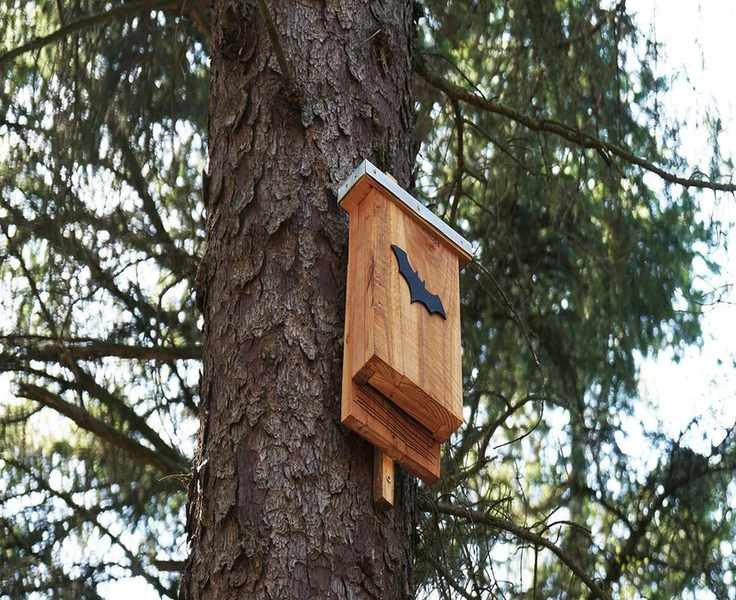
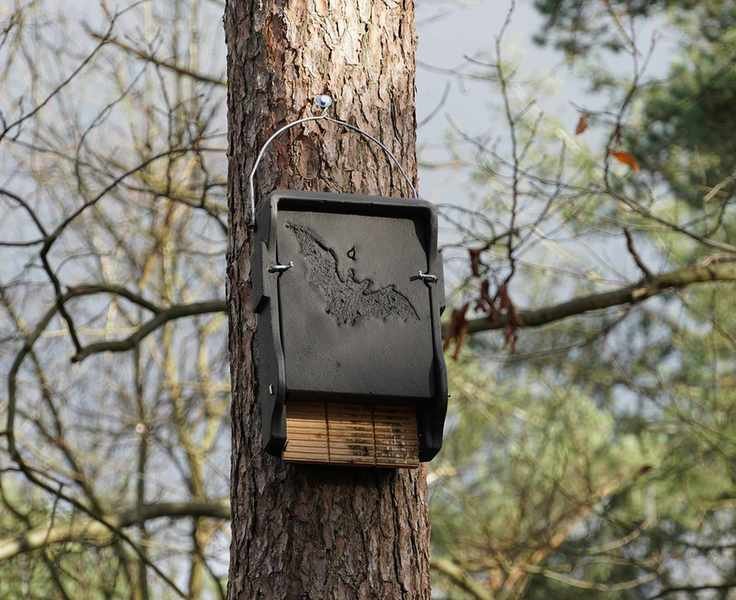
Position your bat box in a sheltered area, about 4m off the ground.
Whether you choose to build your own bat houses—The Wildlife Trust offers useful guidance—or purchase a pre-made box—Amazon has a variety of bat houses—the location is critical.
The Bat Conservation Trust advises placing bat houses in feeding areas, at least 4m high, ideally on a tree trunk, away from bright lights, and shielded from strong winds. Ness also suggests positioning them facing southwest to southeast with an unobstructed flight path.
If a tree isn't available, mounting your bat houses under the eaves of your home is a good alternative, as many bats are drawn to these areas.
How to Attract Bats to Your Bat Houses?
Attract bats by placing the box in an optimal location: 4m above ground in a feeding area.
However, patience is key; it may take months or even years for bats to discover your box. To make it more appealing, consider installing multiple boxes nearby. 'Research shows that bats are more likely to roost if several boxes are close together,' advises Ness. Adding some greenery, like climbing roses or honeysuckle, can also entice them.
Once bats find a box, they tend to return regularly, although they may only stay for a few days at a time, necessitating multiple roosts, explains Matt.
You'll know your bat houses are occupied if you spot droppings beneath them. 'These droppings, resembling crumbly mouse droppings, are great fertilizer for your garden,' adds Matt.
When to Install a Bat House?
Install your bat house in early spring or fall. Bats depend on these houses during winter hibernation and summer breeding. Ideally, set them up before these peak periods when bats are on the lookout for roosting sites. While you can install them at any time, they may take longer to attract occupants.
Do You Need to Clean Bat Houses?
No cleaning is necessary unless a bird has nested inside. Some smaller birds might try to take up residence in the lower part of the bat box. If this happens, leave the nest until the end of summer, then clean the box and rehang it for bats to use during winter.
Disadvantages of Bat Houses
There are minimal downsides to having bat houses, but avoid placing them above windows or doors, as bat droppings can create messes below. It's best to site them away from patios or decked areas for similar reasons, ensuring bats can roost without disturbance.