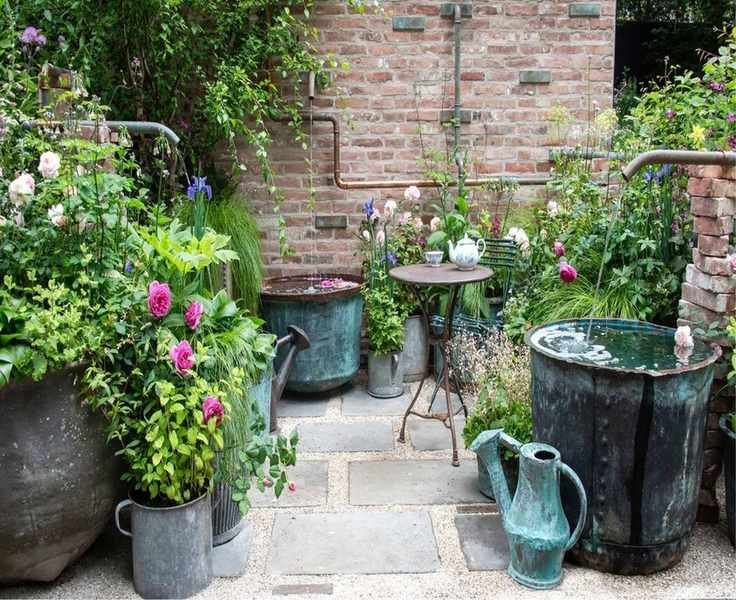
While classic wooden decks have long been a staple in garden aesthetics, they're facing stiff competition from a more sustainable option: permeable paving. Homeowners are increasingly choosing this eco-friendly solution.
Stylish and adaptable, permeable paving excels in managing water drainage. It's an excellent choice for those looking to reduce flood risks or be environmentally conscious, making it a perfect substitute for traditional wooden decks.
If you're considering a deck upgrade this summer, permeable paving might be just what you need. Below, experts discuss its advantages over traditional options and offer tips on integrating it into your landscape.
Understanding Permeable Paving
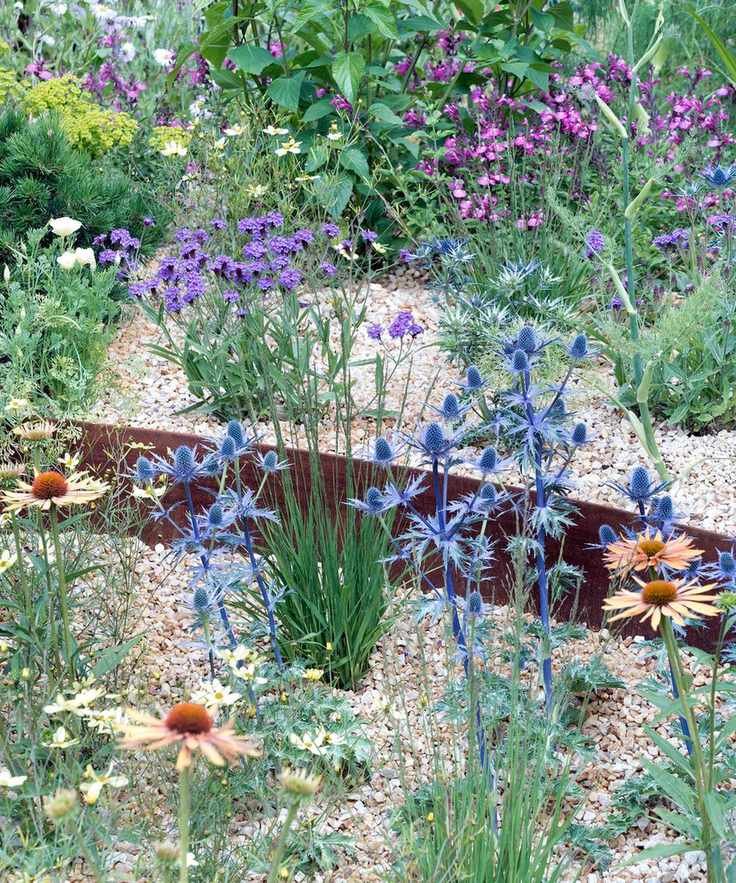
Permeable paving encompasses various materials that allow water to infiltrate the ground instead of running off the surface. This innovative approach promotes effective drainage while also looking stylish.
According to green infrastructure expert Olivia Harris, "Flexible permeable pavers are increasingly favored over traditional decking. They enable water to pass through rather than pooling or draining away, enhancing water management."

Harris leads Invisible Structures, a pioneer in porous paving and stormwater solutions located in Denver, Colorado. Homeowners in flood-prone areas appreciate permeable pavers for their ability to minimize runoff into sewer systems. However, they need a permeable grid system and a permeable base, like soil or crushed stone, for optimal performance.
Landscape architects Catherine Trudeau and Paul Blanding explain that permeable systems allow water to soak into the ground, rather than flowing into drainage systems. They note, "In these systems, pavers are spaced with gaps filled with clean stones to facilitate water flow. The underlying base must also be permeable to maintain the system's efficiency."

Catherine Trudeau, with over 15 years in landscape design, combines artistry with horticulture to cater to the needs of homeowners and developers. She earned her Master's in Landscape Architecture from the Illinois Institute of Technology.

Paul Blanding, also a Master's graduate from IIT, has over 15 years of experience in landscape design, specializing in both residential and commercial projects.
Why Choose Permeable Paving?
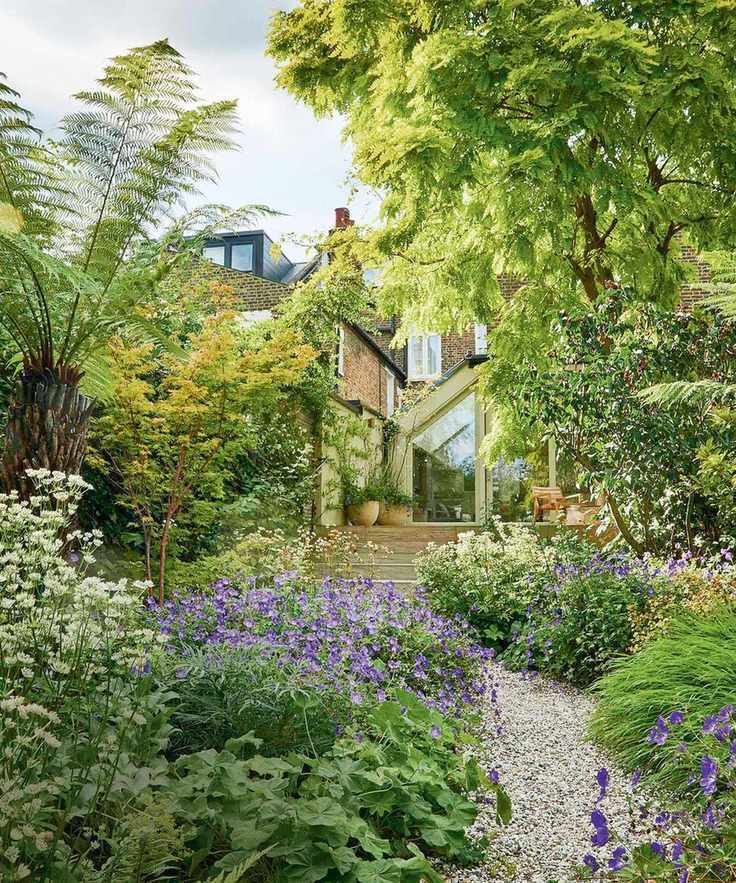
While traditional wooden decks effectively delineate outdoor spaces, permeable paving offers unique aesthetic benefits. It can harmonize with various landscaping elements, as the grid can be filled with gravel, turf, or mulch.
Harris notes, "Porous pavers provide seamless integration with existing landscapes, with grass-filled options blending into lawns and gravel options adding natural texture."
Wooden decks can be styled to look contemporary or rustic, depending on the materials. For instance, teak wood tiles offer a modern flair, while pine boards exude rustic charm. However, achieving a seamless look can be challenging with wood, especially in irregular spaces, while permeable pavers offer greater customization.
Olivia adds, "Some permeable systems can be shaped into curves or unique designs, making them integral to your landscape rather than an afterthought."
Ultimately, permeable pavers provide a blend of functionality and style.
Landscaping expert Dawn De Feo remarks, "Many homeowners are unaware of how much runoff conventional surfaces generate until they notice pooling and erosion. Decorative gravel and permeable systems can address these issues while maintaining a high-end look in gardens."

Dawn De Feo leads landscaping at Landscape Barn, which operates locations in Utica, NY, Charlotte, NC, and Oxford, CT. With extensive experience, she is a trusted resource for landscape and gardening advice.
Permeable paving is also a key strategy for sustainable landscaping. It helps retain moisture during summer and reduces ice formation in winter by allowing water to permeate the ground instead of freezing on the surface.
Aaron Brundage, Director of Operations at System Pavers, highlights, "In areas with sporadic rainfall, permeable pavers facilitate water absorption into the soil, preventing it from rushing into storm drains. Rainwater filters through the pavers, enhancing environmental benefits."

Aaron has over 15 years of experience in the construction industry and resides in Syracuse, New York with his family.
Shopping Recommendations
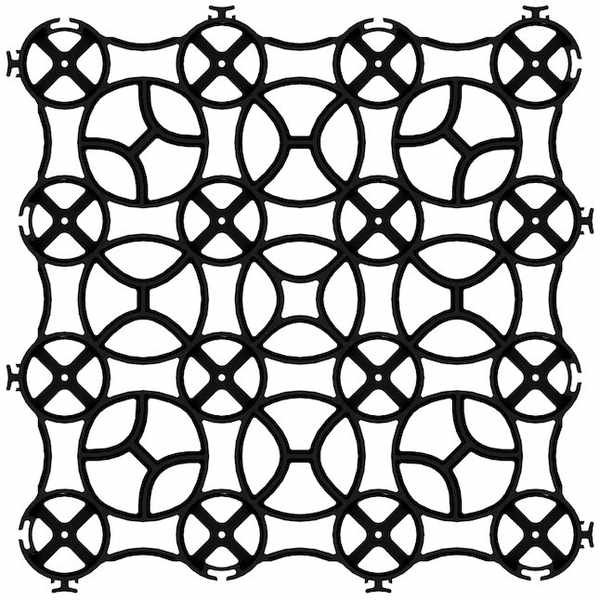 Classic choice
Covering 40 square feet, these grids are designed to be filled with limestone gravel, supported by a layer of angular crushed stone.
 Budget buy
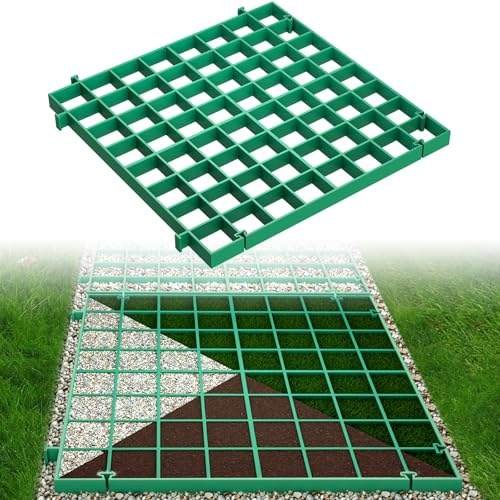
These 16x16 inch grids are an affordable way to establish a permeable paving system in your garden or driveway.
 Reliable pick
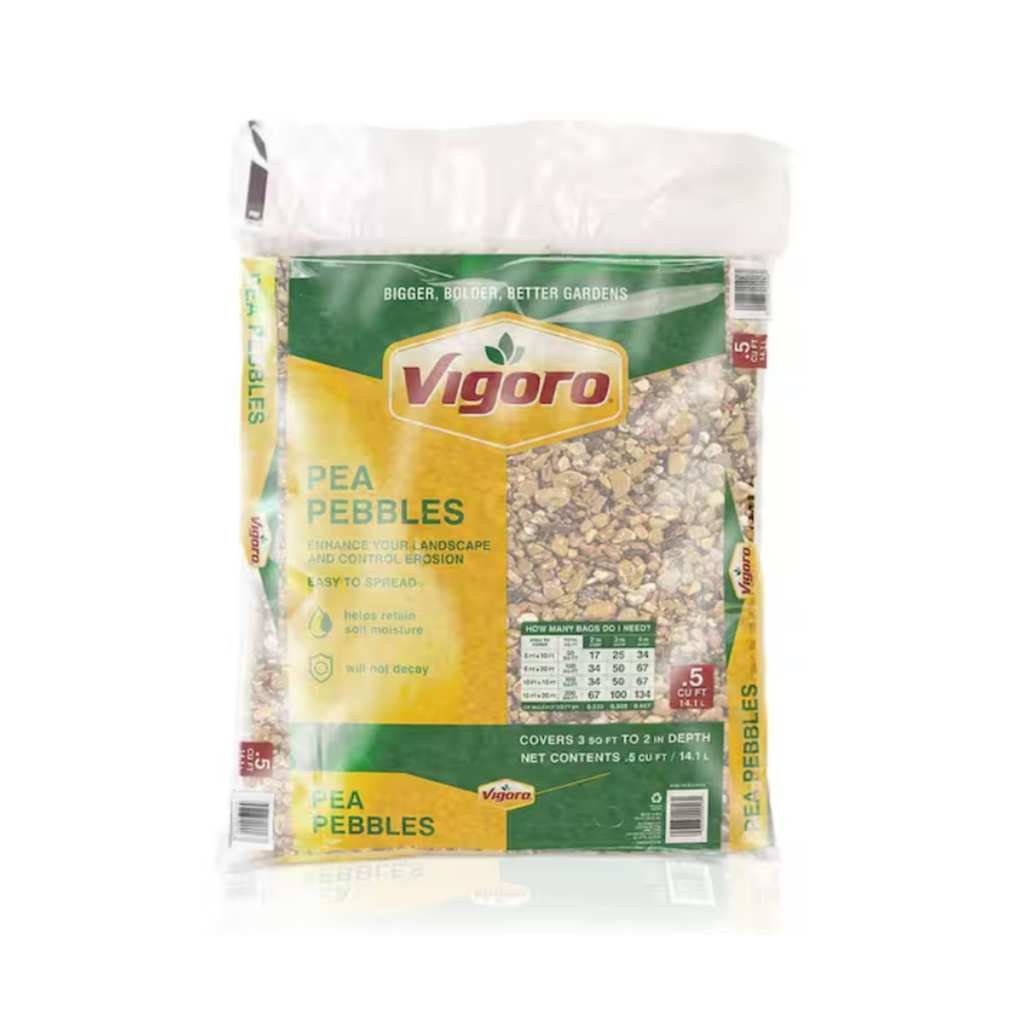
Pea gravel is an excellent filler for your paver grids due to its permeability and aesthetic appeal.
Looking to enhance your outdoor space sustainably this summer? Explore our top sustainable garden ideas.