
Is anyone ever truly in control of their tidiness? From shoes left at the entrance to books scattered on the couch and clothes spilling out of drawers, maintaining a neat home is a continuous effort that demands time and dedication.
But what if it doesn't have to be so demanding? Professional organizers suggest that quick micro-resets are the secret to a tidy home without the stress.
These organizing strategies will help you implement small tidying tasks that fit seamlessly into your day, allowing you to stay on top of clutter even when you're pressed for time.
Could Micro-Resets Be the Answer to a Tidy Home?
We've all used the excuse of not having enough time for tidying. However, this often results in unfinished tasks and to-do lists that just keep growing.
Courtney Cummings, the owner of The Stylish Organizer, shares, "Committing to small increments of time for decluttering and resetting our homes throughout the day allows us to regain control of our spaces without much effort. These tiny bursts of tidying can lead to significant changes in our environment. Just try it!"
But does a tidy environment really enhance our happiness? Courtney points out, "Resetting our surroundings dramatically influences our mental and physical health. Clutter can overwhelm our minds and elevate anxiety levels."
Whether you're tackling a whole house or just focusing on a single room, breaking the project into smaller, manageable tasks makes it easier—and more likely to be completed.
There are numerous proven strategies in our Decluttering Library. Many of these emphasize maximizing small timeframes effectively, like the 'While You Wait' organizing method, the quick five-second decluttering rule, or the slightly more relaxed two-minute decluttering approach.
'Tackling a small area or utilizing a brief time slot feels much more achievable to most people,' Cummings explains. 'We can even fit these tasks into our daily routines.'
For instance, while waiting for pasta water to boil or the oven to preheat, consider taking 10 minutes to organize your kitchen utensils, Cummings suggests. This is also an excellent time to experience micro-organizing. 'By making these minor adjustments, we shift our routines and behaviors toward enjoying a tidier, less stressful home,' she adds.

Ben Soreff, a professional organizer from House to Home Organizing, highlights the beauty of micro-resets as a means to incorporate breaks into your routine.
"Typically, a micro-reset consists of pausing your current task to take a walk, engage in breathing exercises, or stretch," he explains. This method allows you to address clutter in stages without feeling overwhelmed. "Micro-resets take your time constraints into account."
While certain organizing tasks can be completed during a quick reset, such as taking out recycling or returning a book to its shelf, many require more time. In those cases, dividing the project into stages is essential, so you acknowledge that you may not finish everything in one go.
For larger tasks, like completely reorganizing a garage, micro-resets help you keep track of your progress, knowing you will return to it at various times.
"This means establishing clear zones, including areas designated for donations and other items throughout the house," Soreff adds. "You want to return and know precisely what your next step should be."
Steps to Micro-Reset Your Living Space

Organizational expert Cummings advises, "Set a timer for 10 to 15 minutes and focus on one small area," such as a cabinet, shelf, or the infamous junk drawer. "Start small. Look around and identify what doesn't belong in that space."
Next, simply gather those items and return them to their designated spots, while also assigning homes for any items that currently don't have one. Afterward, return to your area and start the 'reset' process.
"Reorganize your dinner plates in the cabinet, neatly fold your dish towels in the drawer, and arrange the baskets or bins on the shelf," Cummings advises. "Aim to maintain focus for the entire 10-15 minutes without distractions or losing momentum. Just dive in!"
Use these micro-resets as a confidence booster to keep making progress throughout your home, turning small timeframes into manageable projects.
"Once you've tackled all your spaces, maintaining them becomes much easier. You'll start looking for those in-between moments to fold that blanket, fluff your cushions, or do laundry,' Cummings notes. "Don't forget to celebrate your achievements!"
In general, Cummings suggests keeping a large basket nearby to collect items in one place, making it easier to track what needs to be put away. "The Mkono Woven Storage Basket available at Amazon is a great size and looks stunning in any setting," she adds.
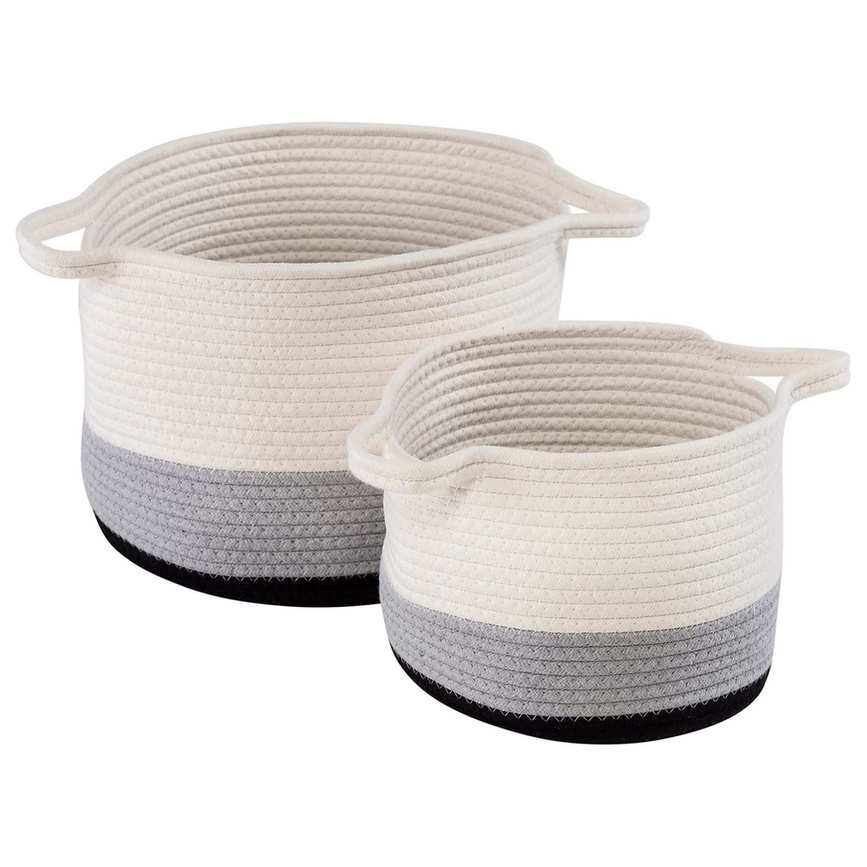
Nesting Honey-Can-Do Cotton Rope Basket Set
This duo of nesting baskets comes in four colors, features robust cotton construction, and has 96% of reviewers recommending them for organization and tidying tasks.
How Often Should You Micro-Reset Your Home?

The essence of micro-resetting is doing it frequently, incorporating it into natural breaks in your daily routine, according to Cara Palmer, founder of OrganizeEveryRoom.com.
For instance, in the morning, take time to micro-reset after getting ready, tidy your kitchen post-lunch, and conduct a final walkthrough of your home before bedtime as part of your closing shift routine.
"I recommend establishing 'trigger moments,'" Palmer suggests. "For example, when you finish your coffee, that's the cue to reset the kitchen."
Punteha van Terheyden, head of Solved, who deals with chronic pain and limited mobility, incorporates micro-resets into her adaptive pacing while cleaning to avoid injury or exacerbated pain. She mentions, "I use them multiple times a day, including after work, to tidy my desk and ensure it's ready for the next morning, and the same applies to my vanity table."
Frequently Asked Questions
What Does a Cleaning Reset Entail?
A cleaning reset focuses on taking the time to reset your space, preparing you for a successful week ahead, which is why many people prefer to do this on Sundays.
Starting your week in a clean, clutter-free environment can significantly influence your mood and mental state. Contributing editor Seraphina Di Mizzurati states that perfecting your Sunday reset has transformed her week, making it well worth the effort.
What Makes It Hard to Keep My Home Organized?
Often, individuals struggle to maintain a tidy home due to a lack of time, which is precisely why micro-resets are so beneficial. You might also find it challenging to clean when feeling overwhelmed, or to declutter when overwhelmed, both of which can be addressed through a consistent, bite-sized approach.
If you're interested in getting started but still unsure, our experts explain why you should consider micro-decluttering and how simple it can be to integrate into your daily schedule.