
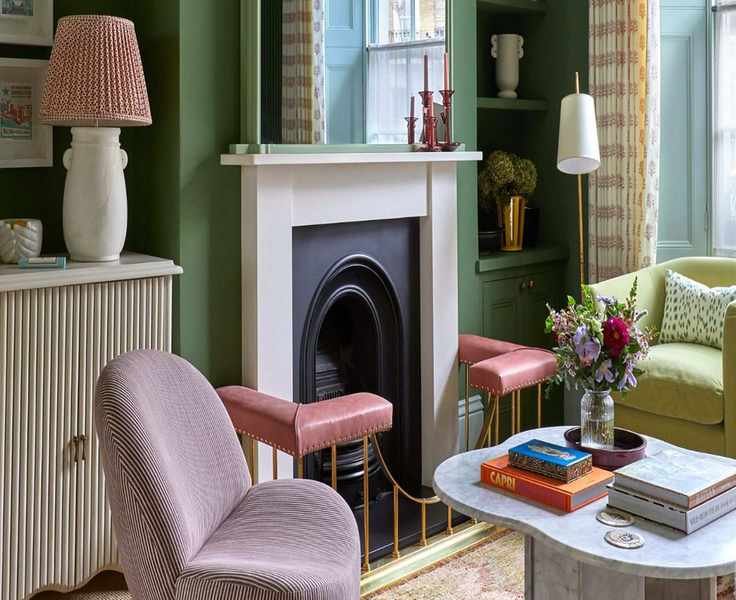
When furnishing your home, you typically face a choice between built-in and freestanding furniture. Each option has its advantages, but how do you determine which is right for your space?
Transforming those often-overlooked nooks and alcoves requires more thought than simply buying a couch or cushion. As with any significant investment in your home, it's vital to consider the size, shape, and style before making a decision.
London-based interior designer Rebecca Constable emphasizes several factors to consider before making a final call on your storage solutions. To clarify when to choose built-in features versus the more flexible freestanding options, we consulted Rebecca for her insights on this topic.
A post shared by Rebecca Constable Design • Home Interiors (@rebeccaconstable.design)
A photo posted by on
In her Instagram post, Rebecca outlines several considerations for selecting the best fit and vibe for your room.
'Eventually, when designing your space, you'll encounter the choice between built-in cabinetry and freestanding furniture,' Rebecca explains. 'There isn't a definitive right or wrong choice; it ultimately hinges on how you utilize the area and your specific needs. However, there are some key points to keep in mind when weighing your options.'
Each choice presents its own set of strengths and considerations, making this decision vital in shaping both the look and functionality of your space, regardless of the room.
Advantages of Built-In Furniture

The primary benefit of built-ins is their storage capacity. The charm of custom cabinetry and furniture lies in its ability to seamlessly combine aesthetics with practicality for a clean, organized appearance.
Rebecca points out that handcrafted joinery can be tailored to perfectly fit everything you need to store, maximizing every inch of available space. 'Built-in pieces can be designed to accommodate your specific requirements, regardless of any unusual angles or uneven walls in your room,' she notes. 'They are perfect for displaying treasured items or cleverly concealing electronics.'
'You can create something uniquely suited to you,' Rebecca adds. This makes built-ins an excellent option for small living room ideas or irregularly shaped spaces. Customizing furniture to fit the contours of your home enhances space efficiency, leading to a better layout.
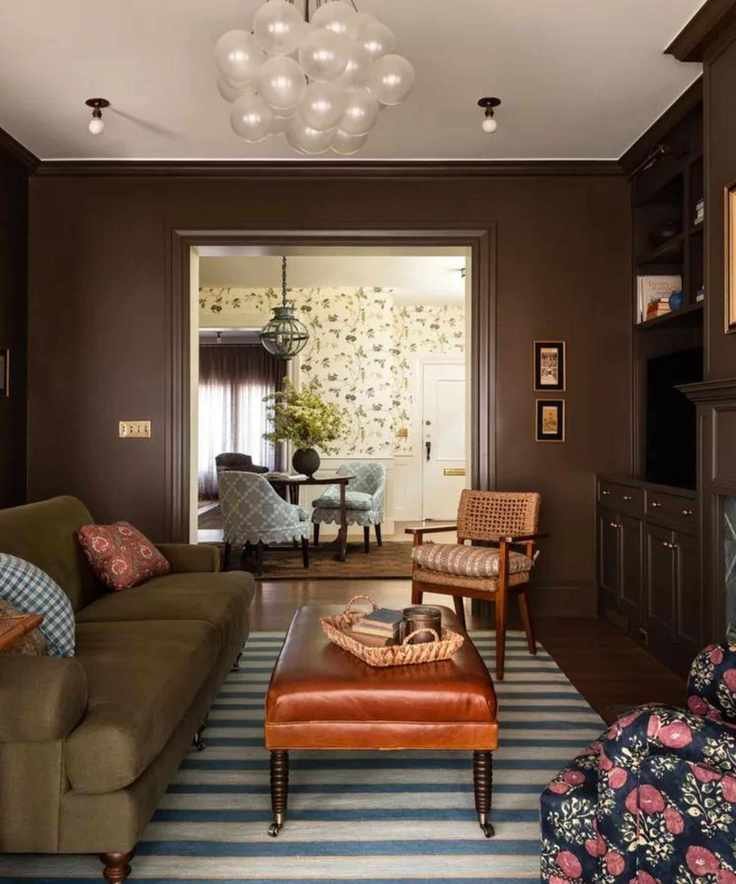
Your choice will significantly depend on your interior design preferences. If you aim for a cohesive and neat look, built-ins can be designed to blend harmoniously with your home's architectural features, such as alcoves around a fireplace, while providing concealed storage for unsightly items like cables and WiFi routers.
Built-ins can impart a modern feel to a room and can be specially fitted around your television, book collection, or even serve as a discreet storage solution. However, they can also be styled traditionally with decorative elements like cornices and trims.
Ultimately, the beauty of built-ins lies in their versatility, allowing you to create something that reflects your personal taste. Don't hesitate to experiment with unique colors and standout hardware.
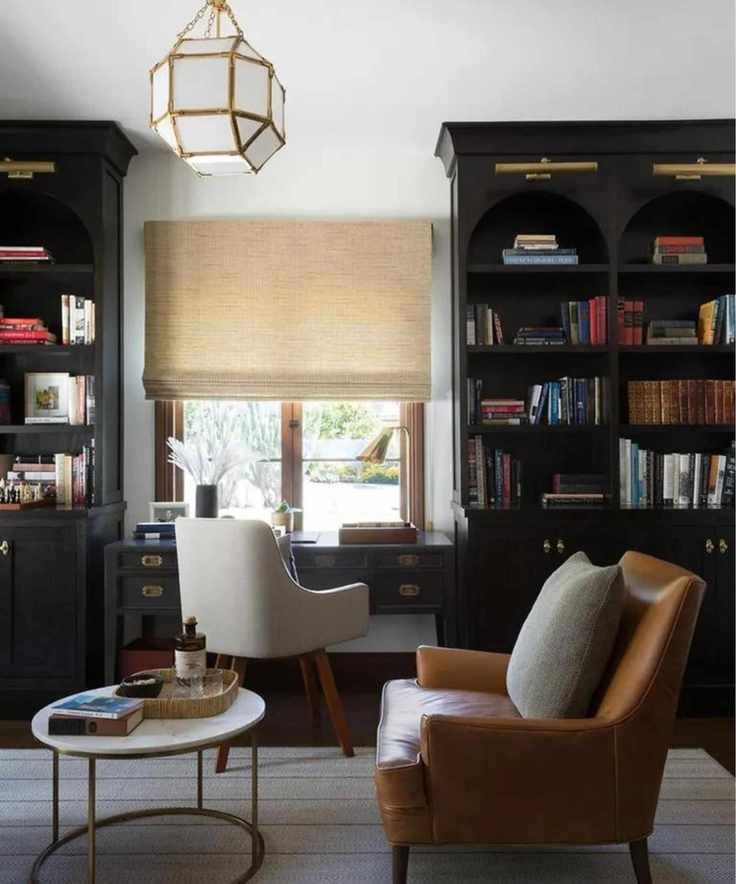
Built-ins are suitable not only for living room storage ideas but are also fantastic for kitchens with custom pantry designs, bespoke wardrobes in bedrooms, and smart storage solutions in bathrooms. Don't overlook your home office either.
However, it's crucial to remember that once you've installed custom cabinetry, removing it is often not an option.
'The downside is that once installed, you can't relocate it, and if you decide to move homes, it stays behind,' Rebecca warns. 'Moreover, due to the higher costs, it's not the best choice if you anticipate your space requirements changing in the future or if you're renting,' she notes.
Therefore, careful consideration and planning for built-in furniture are essential to ensure it remains functional over time.
Exploring Freestanding Furniture
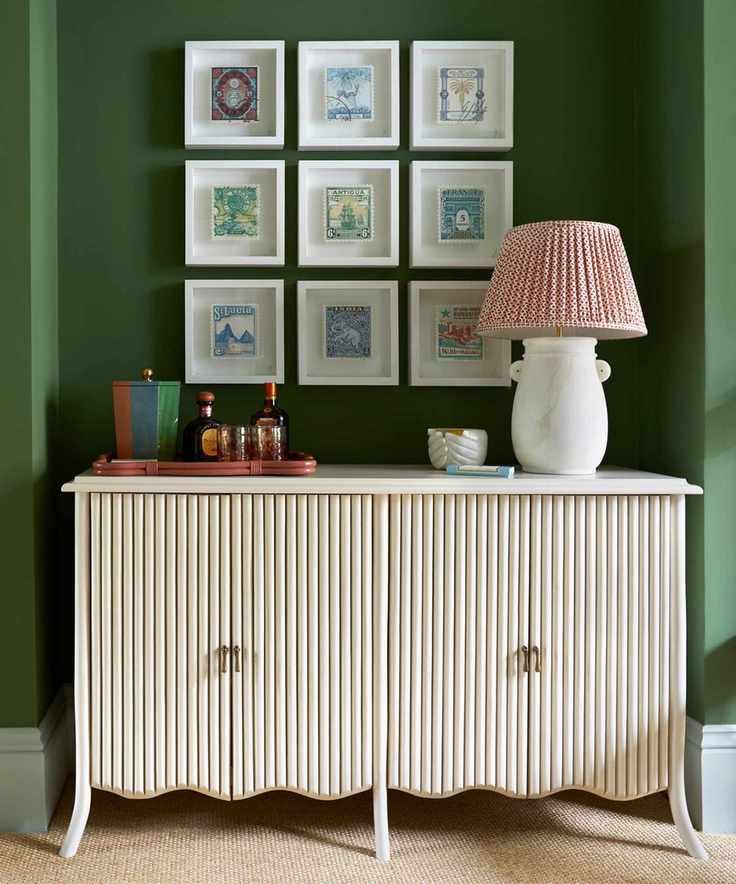
The most obvious advantage of freestanding furniture is its flexibility.
'Freestanding pieces allow for greater adaptability in your space,' Rebecca suggests. 'You can easily rearrange items as your needs change, sell them if they no longer suit you, or take them with you when you move.'
Freestanding furniture can be shifted, repurposed, or upcycled to evolve with your family's changing needs and tastes. Sometimes, a simple repaint or restaining of a cabinet can refresh an entire room's look.
According to Rebecca, the ideal piece will give your home a sense of gradual evolution rather than a uniform assembly. This is something that custom carpentry may struggle to achieve, as it often lacks the personal narrative and can feel less like a transitional style.
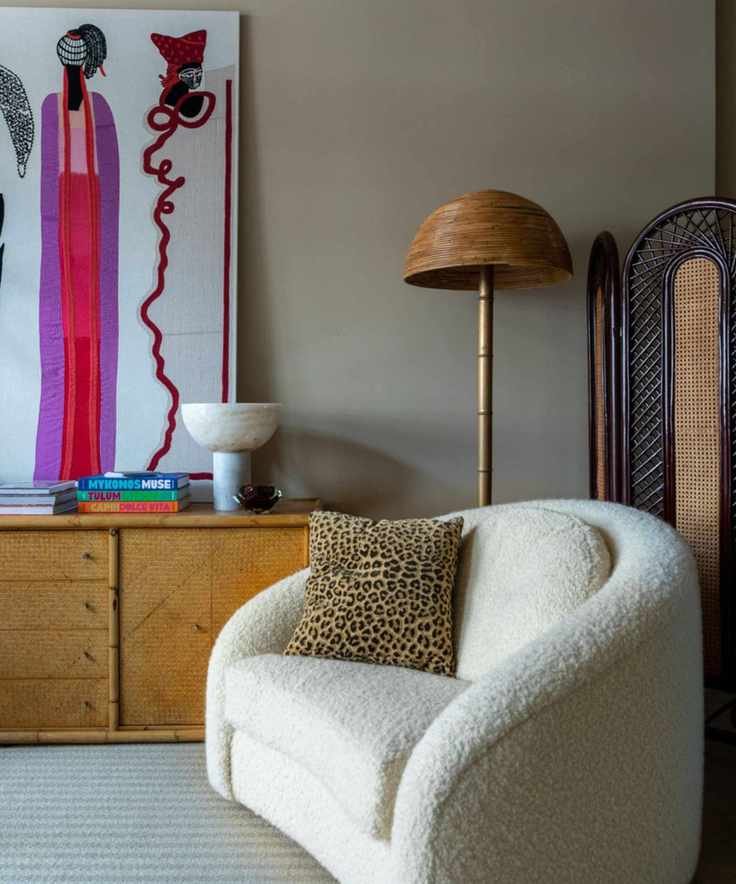
'You can discover stunning freestanding pieces that add character and history to your home, which you might also be able to pass down to future generations,' Rebecca explains. 'It's also a great chance to find unique bargains online or at auctions.'
Sourcing and decorating with vintage items is an excellent way to introduce charm and character into your home while achieving that perfect balance of old and new in transitional design. The best vintage furniture for your home will depend on your style and available space. For instance, a sleek mid-century modern piece from Ercol or GPlan can enhance your decor beautifully. Conversely, if you have the room, a more ornate statement piece can serve as a functional storage solution, with vintage rattan or bamboo fitting seamlessly into a California casual design.
'The challenge, of course, is that finding the perfect piece for your specific needs can be time-consuming,' Rebecca remarks. 'Especially if you have precise requirements, you might find yourself searching for ages, and it may not even exist.'
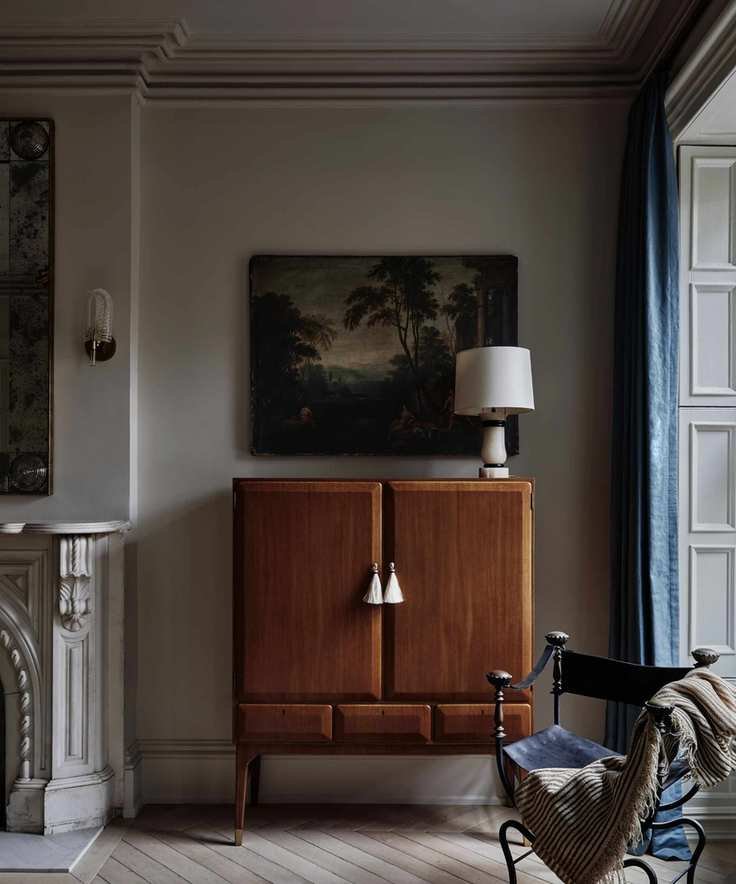
The greatest advantage of freestanding furniture is that it provides much-needed breathing room in your space, unlike bulky built-in cabinetry.
While additional storage is always beneficial for a clutter-free home, if every wall in your home is filled with built-ins, it can be overwhelming.
Moreover, it limits your ability to create thoughtful vignettes and styling opportunities. Smaller cabinets or narrow console tables can fit perfectly in alcoves when adorned with a lamp or vase, and they also serve multiple functions, such as a stylish home bar. Plus, they allow you to get creative with your wall decor.
'There is no definitive right or wrong choice between the two, so it's important to determine what suits your personal preferences, your home, and your lifestyle,' concludes Rebecca. Ultimately, your decision should reflect your design goals and lifestyle needs, ensuring that you craft a space that is both beautiful and functional.
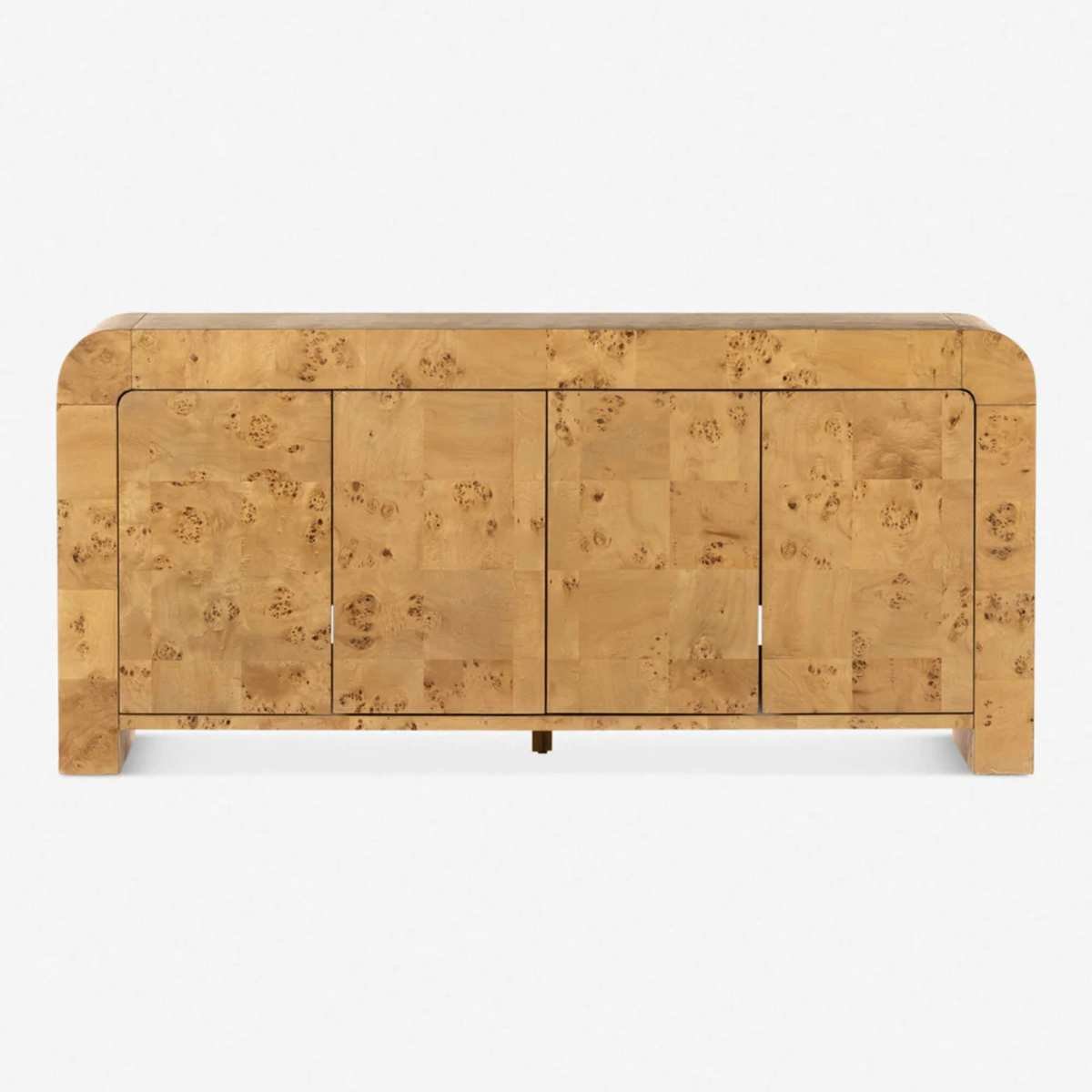
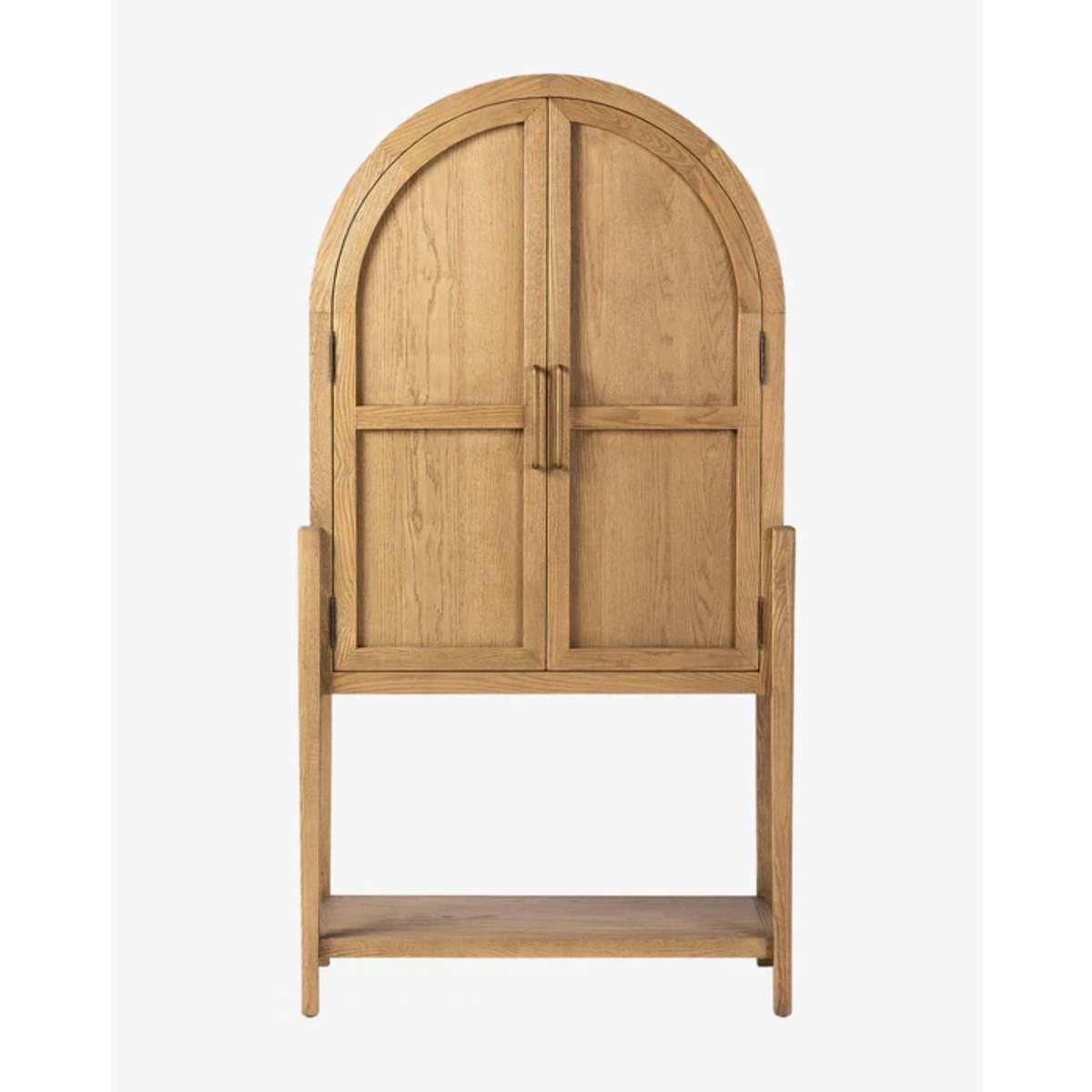
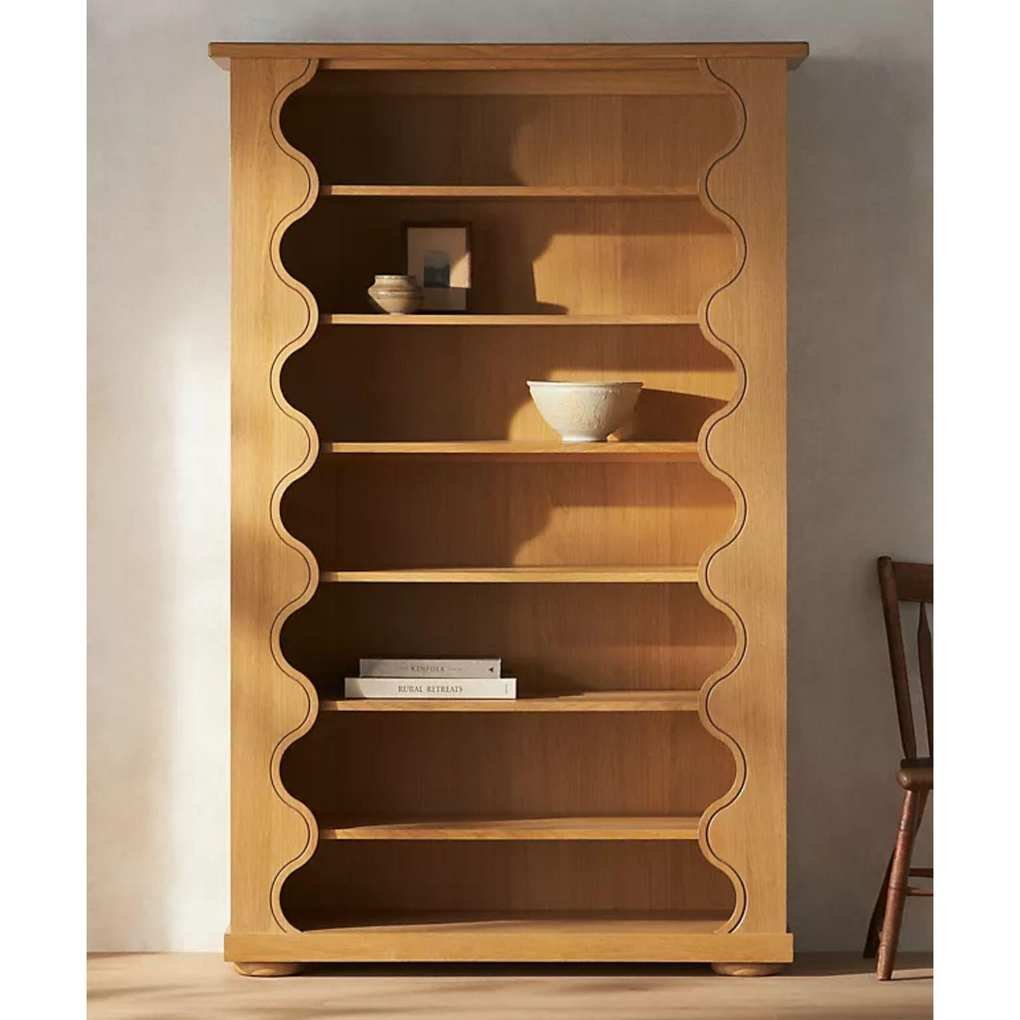
When faced with an empty alcove, corner, or wall, consider these insights to make a design-focused decision. Built-in furniture offers numerous advantages, such as optimized space, custom designs, and a streamlined look. However, it's crucial to acknowledge the limited flexibility and higher initial costs associated with them. On the other hand, freestanding pieces occupy less room and allow for greater styling opportunities, as they can be moved, repurposed, or sourced affordably. The key is to find the option that aligns with your aesthetic and functional requirements.



