
Choosing the right mattress is crucial for achieving better sleep and overall health. A well-suited mattress enhances both physical comfort and mental well-being.
Understanding key factors is vital in selecting your ideal mattress. Considerations include firmness, type, size, cost, and the best times and places to purchase for maximum savings. This guide will equip you with all necessary information.
Whether you're buying your first mattress or upgrading to improve sleep quality, we'll guide you through the decision-making process. We'll also cover aspects like sleep trials, warranties, and delivery options.
Quick-start Guide
Choosing a suitable mattress involves considering the following:
- Firmness: Based on your sleeping position (back, side, stomach).
- Type: Options include memory foam, gel, latex, innerspring, and hybrids combining innerspring with foam.
- Size: Standard sizes include twin, twin XL, full, queen, king, and California king.
- Budget: Expect to spend between $1,000 and $3,000, with good quality options available at lower prices.
- Where/when to buy: Options include specialized sleep stores and online retailers. Knowing sale seasons can help you secure a great deal.
Your mattress choice significantly impacts your sleep, especially when paired with a well-designed bedroom environment. The right mattress can alleviate specific sleep issues, often signaling a bad mattress.
Understanding firmness can help address issues like back pain or joint discomfort. For allergy sufferers, a hypoallergenic mattress might be necessary, while hot sleepers should look for cooling options.
1. Determine Mattress Firmness
Firmness reflects how soft or hard a mattress feels. Importantly, a firm mattress isn't always more supportive, as comfort layers affect firmness while support comes from the core.

Identifying the Right Firmness
Choosing the right firmness is personal, depending on your sleep position and body weight. Brands often rate firmness on a scale from 1 (soft) to 10 (firm). Here's what to expect:
Soft Mattresses
Soft mattresses typically rate between 1 and 3. They conform closely to your body shape, offering a hugging sensation. While beneficial for lighter side sleepers, heavier individuals may find insufficient support.
Medium Mattresses
Medium mattresses range from 4 to 6 on the firmness scale, making them popular with couples. They provide balanced support without excessive sinkage, making them ideal for various sleep positions.
Firm Mattresses
Firm mattresses rate between 7 and 10. They offer significant support, helpful for stomach sleepers who require spinal alignment. Heavier individuals may also benefit from firmer options.
2. Choose Your Mattress Type
Your lifestyle and preferences will guide the type of mattress that suits you. Each type has its own benefits and drawbacks:
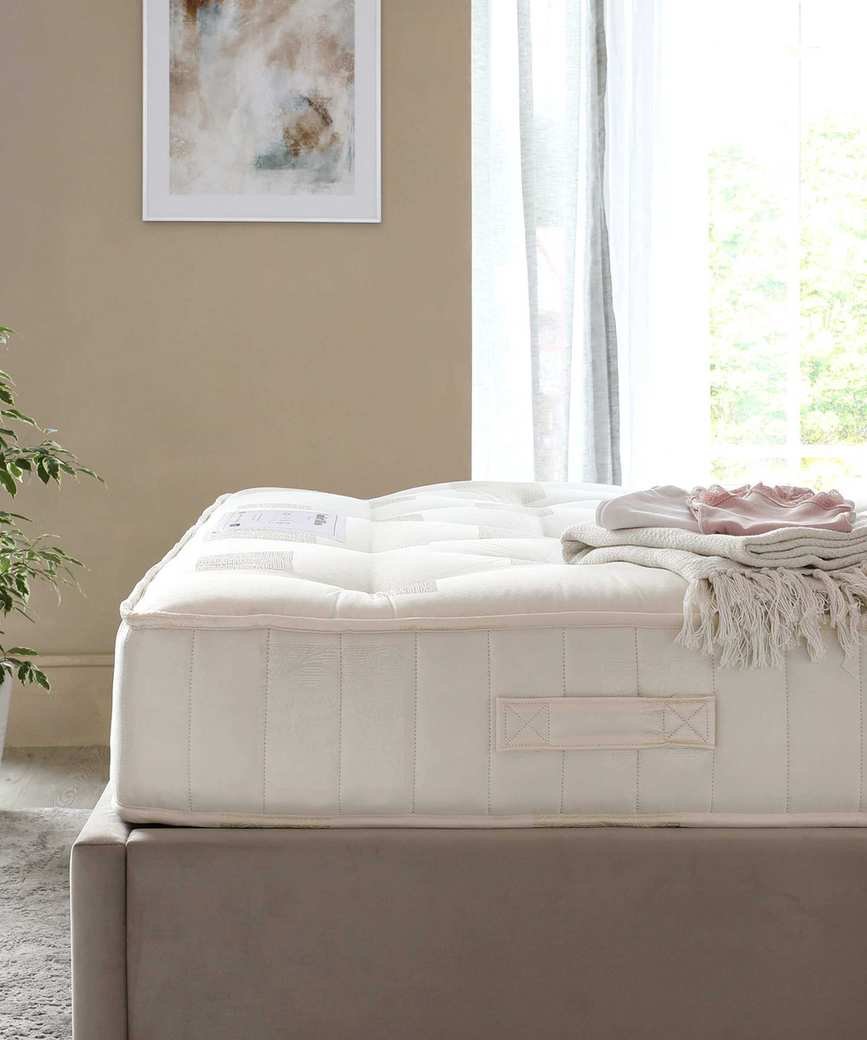
- Memory Foam: Molds to the body but may wear out faster, especially for heavier users.
- Gel: Similar to memory foam but incorporates cooling gel beads. Typically lasts 6-8 years.
- Latex: Responsive and durable, lasting up to 20 years. Consider organic options for sustainability.
- Innerspring: Available in open coil and pocket spring styles, offering varying motion transfer and durability.
- Hybrid: Combines the best of both worlds with foam comfort and spring support, lasting around 8-10 years.
- Futons: Generally less durable, ideal for occasional use.
- Orthopedic: Designed for support, though the term is often misused.
- Plush: Refers to softness rather than a specific type.
Best Mattress Types
Here's a quick guide:
Best for allergies: Natural latex or memory foam.
Best for chronic pain: Pocket sprung.
Best for couples: Pocket sprung or hybrid.
Best for eco-friendliness: Natural latex.
Best for hot sleepers: Latex, gel, or innerspring.
Materials and Certifications
Look for certifications to ensure quality:
CertiPUR-US: Ensures foams are free from harmful chemicals.
GOLS: Indicates organic latex.
GOTS: Certifies organic textiles.
GREENGUARD Gold: Ensures low emissions for better indoor air quality.
Phase-change material: Regulates temperature for comfortable sleep.
3. Comparing Mattress Types
When weighing your options, here's how different types stack up:

Latex vs Memory Foam
Latex is durable, responsive, and eco-friendly, ideal for hot sleepers. Although typically pricier, it offers long-lasting comfort. Memory foam is soft and contouring but can retain heat and has a shorter lifespan.
Memory Foam vs Innerspring
Memory foam provides excellent motion isolation and pressure relief, while innerspring offers a bouncy feel and better airflow, making it suitable for back or stomach sleepers.
Memory Foam vs Gel Memory Foam
Memory foam is affordable but can retain heat. Gel memory foam, while cooler, tends to be slightly pricier and less durable.
Memory Foam vs Hybrid vs Latex
Memory foam is budget-friendly and provides pressure relief. Hybrids offer a blend of support and comfort, while latex is breathable and durable but requires a higher investment.
4. Selecting Mattress Size
Choosing the right mattress size is essential for comfort. Consider the number of sleepers, room dimensions, and furniture layout.
Your mattress should be at least six inches longer than the tallest sleeper. Ensure enough width for pillows and movement.

Mattress Size Chart
Standard sizes include:
Twin: 38 x 75 inches
Twin XL: 38 x 80 inches
Full: 54 x 75 inches
Queen: 60 x 80 inches
King: 76 x 80 inches
California King: 72 x 84 inches
Queen vs Full Mattresses
Queen mattresses offer more space, ideal for couples, while full mattresses are better for solo sleepers in smaller rooms.
King vs California King
King mattresses provide wider space, suitable for couples, while California kings are longer, perfect for taller individuals.
Queen vs King Mattresses
Queen mattresses are more economical and require less space, while king mattresses allow more room to spread out.
5. Budgeting for a Mattress
Understand pricing for mattresses based on type, durability, warranty, and trial period:
Budget Mattress: Typically innerspring or foam. Average price is around $500, with warranties lasting 5-10 years.
Mid-Range Mattress: Higher quality options for daily use, priced around $1,000 with warranties of 10-15 years.
Luxury Mattress: Premium materials, starting at $1,800, with warranties up to 25 years.

6. Best Times to Buy a Mattress
To save on a mattress, shop during major holidays such as Labor Day and Memorial Day for the best discounts. Site-specific sales can also offer significant savings.
Utilize price trackers to monitor mattress prices and identify optimal times for purchases. Early spring is ideal for finding last season's stock at reduced prices.

7. Consider Sleep Trials
A sleep trial allows you to test your mattress at home before finalizing your purchase. Look for trials of at least 100 nights. You'll need to pay upfront, and refunds vary by brand.
Be mindful of potential fees for returns and the environmental impact of mattress disposal. Choose brands that prioritize recycling or donation.
8. Understand Warranties
A warranty protects against defects, with coverage varying by brand. Some warranties last five years while others extend to 20. Understand what issues are covered, such as sagging or broken coils.
Explore options for full replacement, prorated, limited, and extended warranties for comprehensive protection.
9. Delivery, Setup, and Disposal
Delivery options vary, from traditional setups to boxed mattresses. White glove services include setup and removal of your old mattress.
Check for recycling programs in your area, which might help you dispose of your old mattress responsibly.

Mattress Jargon Buster
Buying a mattress can be confusing, so here's a glossary of common terms:
- Adjustable Base Compatibility: How well a mattress can bend on an adjustable bed.
- All-Foam Mattress: A mattress made entirely of foam, often confused with memory foam.
- Base Layer: Supports your weight, made from springs or dense foam.
- Bed-in-a-Box: A mattress compressed for easy shipping.
- Body Contouring: How well a mattress molds to your shape.
- Box Spring: A support structure for a mattress, enhancing airflow.
- CertiPUR-US: Certification for safe foam materials.
- Coil Count: Number of springs in a mattress, affecting firmness.
- Coil Gauge: Measures wire thickness; thicker wire is firmer.
- Comfort Layer: The top layer of a mattress affecting feel.
- Density: Mass per volume, impacting feel and durability.
- Durability: How well a mattress withstands wear.
- Ease of Movement: How easily you can change positions.
- Edge Support: Stability at the mattress edges.
- Euro Top: A type of pillow top sewn into the mattress.
- Fire Barrier: Material that prevents ignition.
- Firmness: The mattress's hardness level.
- Gel Infusion: Cooling gel in foam mattresses.
- Global Organic Latex Standard (GOLS): Certification for organic latex.
- Global Organic Textile Standard (GOTS): Certification for organic textiles.
- GREENGUARD Gold: Certification for low emissions.
- Hybrid Mattress: Combines foam and springs for support.
- Innerspring Mattress: Traditional mattress type with coils.
- Latex Mattress: Made with natural or synthetic latex.
- Mattress Protector: Guards against spills and allergens.
- Mattress Topper: Adds comfort to an existing mattress.
- Memory Foam Mattress: Offers pressure relief and motion isolation.
- Moisture Wicking: Absorbs sweat and moisture.
- Motion Isolation: Reduces motion transfer between sides.
- Off-Gassing: VOC emissions from new mattresses.
- Phase-Change Material (PCM): Regulates temperature.
- Pillow Top: Extra cushioning layer.
- Pocketed Coil: Each coil is individually wrapped.
- Polyurethane Foam: Common in foam mattresses.
- Pressure Relief: Cushions joints to reduce pain.
- Reinforced Edge: Enhances edge support.
- Responsiveness: How quickly a mattress adapts to movement.
- Sleep Position: Your preferred lying position.
- Sleep Trial: Time allowed to test the mattress at home.
- Spinal Alignment: Maintains a neutral spine while sleeping.
- Thermoregulation: Keeps the mattress temperature-neutral.
- Transition Layer: Reduces friction between layers.
- Volatile Organic Compounds (VOCs): Chemicals released during manufacturing.
- Warranty: Agreement on repair or replacement terms.
- White Glove Delivery: Premium service for delivery and setup.
- Zoned Support: Varying firmness in different mattress areas.
A mattress plays a vital role in ensuring restful sleep, and your choice should reflect your unique needs, which may change over time. Understanding firmness, type, and size will help narrow your options and budget effectively.
If you're unsure about your current mattress's effectiveness, consider a mattress topper for added support and comfort without the cost of a new mattress.