
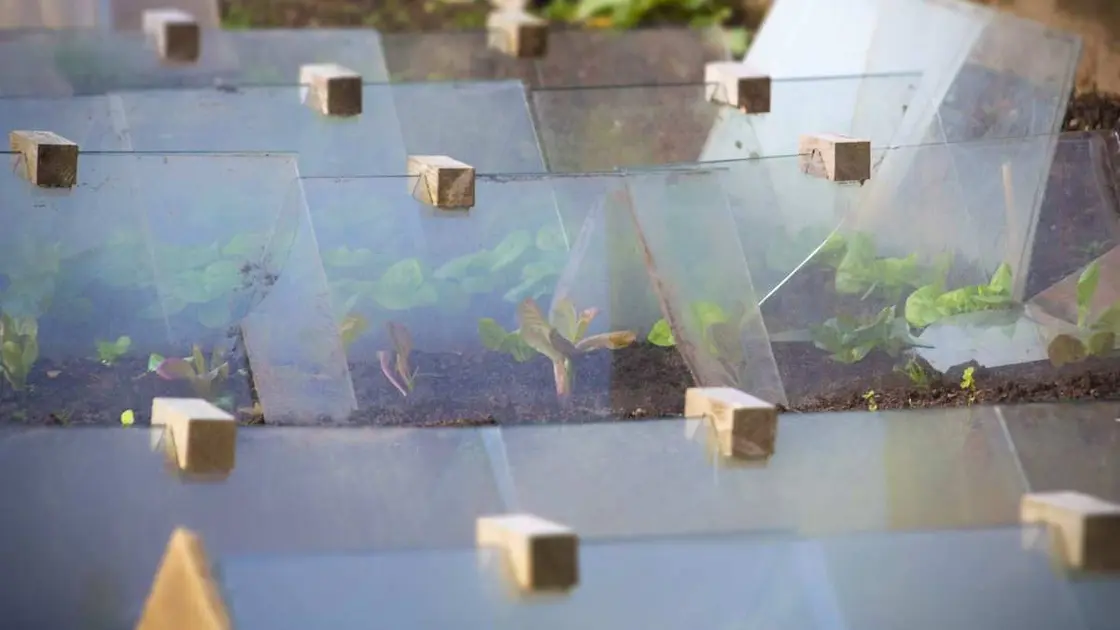
DIY cloches are invaluable for safeguarding your plants against harsh weather and pests. By using these protective covers, you can ensure your plants remain safe regardless of what nature throws their way.
When people think of cloches, they often visualize elaborate glass covers. Today, cloches come in varied shapes and materials, including both plastic and glass options, catering to different budgets.
Many gardeners are turning towards sustainable practices, opting to repurpose household items. Fortunately, you can create effective DIY cloches that rival store-bought versions, utilizing common materials to shield plants from frost.

5 Innovative Cloches for Your Garden
If you're in search of temporary solutions for winterizing your garden, consider these five creative cloche alternatives. These suggestions come from experienced gardening professionals and can be assembled quickly without breaking the bank.
1. Upcycled Plastic Bottles
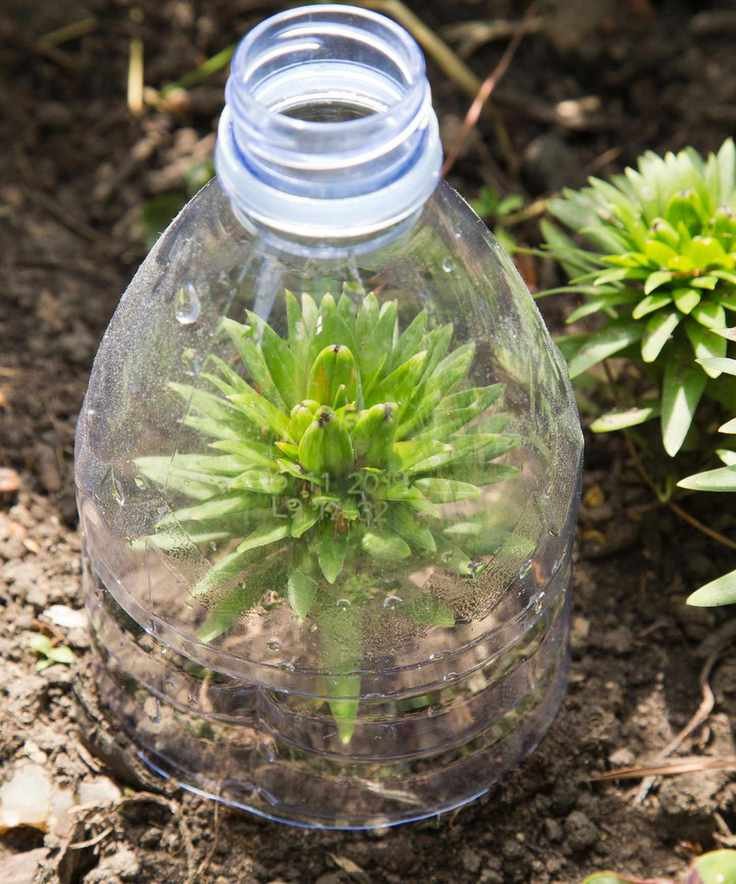
Repurposed plastic bottles make excellent substitutes for conventional cloches. They're easy to make and can help extend your growing season while protecting plants from frost and pests.
Andrew Porwol, a landscape expert and founder of a local garden center, suggests using large soda or milk jugs as effective DIY cloches. He advises, 'Cut the bottom off the bottle and place it over the plant, leaving the lid open for air. The clear material retains heat and allows light in, creating a mini greenhouse effect.'
Rachel Bull, an experienced gardener, has successfully used large lemonade bottles to shield delicate seedlings in her vegetable garden. She shares, 'I cut bottles in half to protect small carrot and beet seedlings, and it worked wonders against pests.'
Remember to provide proper ventilation and secure the bottles well. While they are handy as temporary cloches, they're not meant for long-term use.
2. Glass Panes
Glass jars can also serve as effective cloches for smaller plants. However, they can cause overheating on sunny days, so remove them when necessary for ventilation.
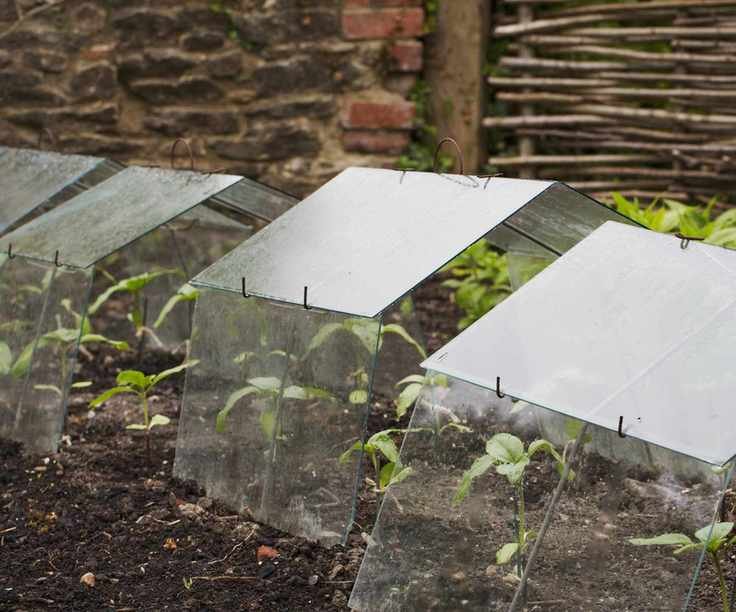
For a larger cloche, consider using old glass panes from renovations. These can be arranged to create a sturdy cover for your plants, functioning similarly to a DIY cold frame. Thom Rutter, a former professional gardener, shares, 'Use two panes of glass to create a tent-like structure. Add insulation tubing on top to prevent breakage in windy conditions.'
It's essential to cover the ends with glass or clear plastic sheeting, ensuring your plants stay warm in chilly weather.
3. DIY Domes
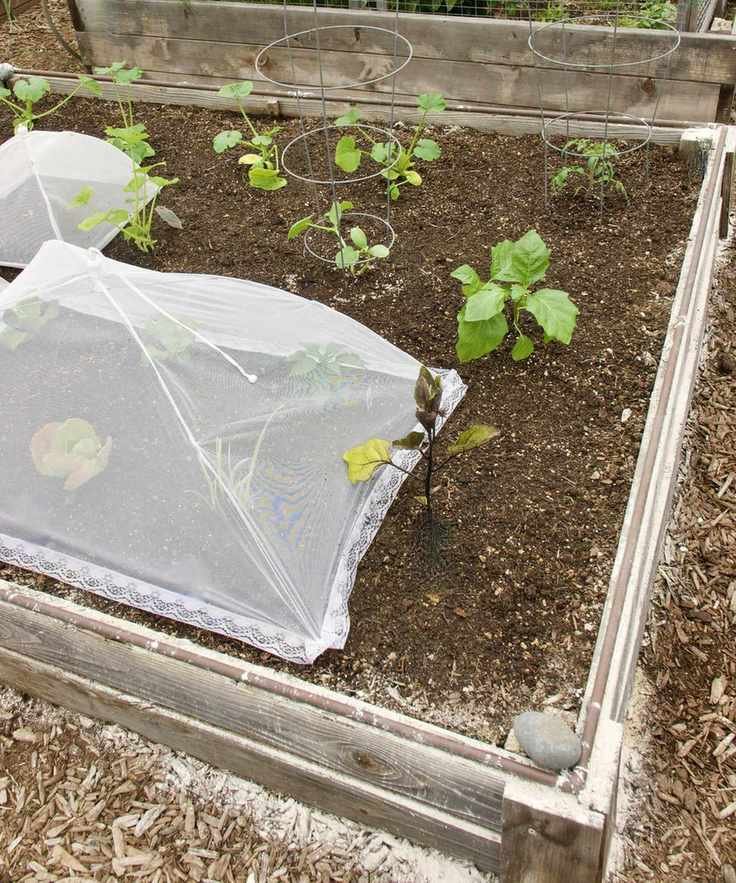
A DIY dome can be constructed quickly using wire or plastic materials to offer protection to individual plants or groups. An old tomato cage can be repurposed as a cloche, covered with frost cloth or burlap to shield plants from winter chill.
'This setup allows for air circulation while protecting plants from frost,' says Andrew Porwol. If you have plants arranged in rows, position hoops along the row and cover them with frost cloth. This method not only protects your vegetables but also warms the soil for earlier planting.
Ensure any covering material is securely anchored to prevent it from blowing away in strong winds. Heavy-duty landscape staples are a great option for securing your setup.
4. Plastic Sheets
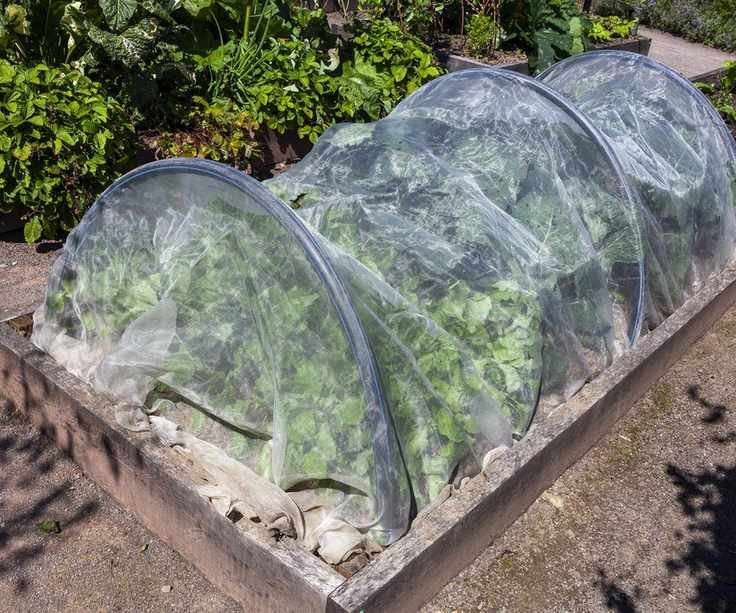
Old plastic sheets can effectively cover plants to shield them from frost. This material is durable and affordable, acting like a mini polytunnel to keep your plants warm.
Lay plastic sheets over entire rows of plants, ideally using hoops for support. Alternatively, construct a frame around individual plants. 'Three stakes arranged in a teepee shape around the plant work well, with plastic draped over them,' recommends Scott Seargeant, a seasoned landscaper.
Make sure to remove the plastic on warmer days to prevent overheating.
5. Fleece Covers
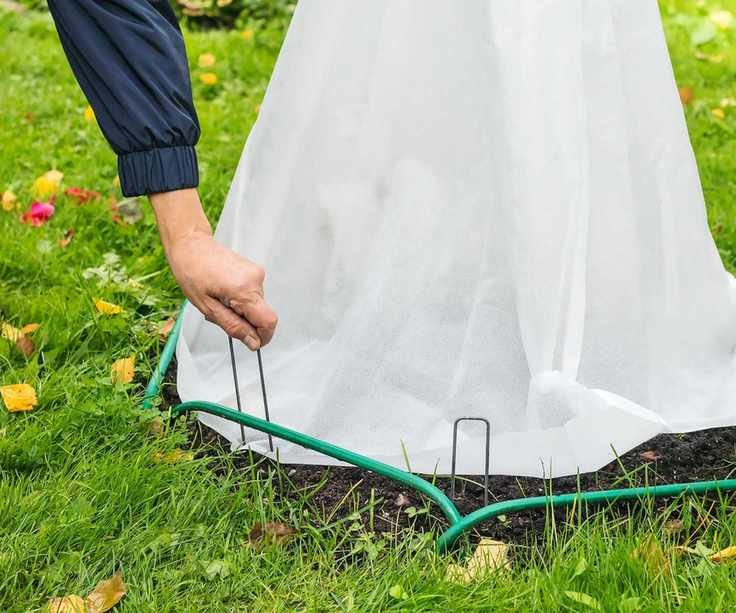
Fleece is an effective and budget-friendly alternative to cloches, providing excellent frost protection. Available in various grades, it can keep plants up to five degrees warmer than outside temperatures.
Row covers made of horticultural fleece can be cut to size or purchased as ready-made wraps for larger plants. Fleece is both washable and reusable, making it a sustainable choice.
Scott Seargeant suggests an innovative approach by incorporating mini lights into your fleece covers, adding warmth and a festive touch to your garden during the winter months. 'Wrap the ground area around the roots with lights and cover the plant with a frost blanket for extra protection,' he explains.
For quick fixes when you're short on time, you can use lightweight blankets, old sheets, or even upturned buckets to cover your plants. Just make sure these coverings are secured to prevent wind from displacing them.



