
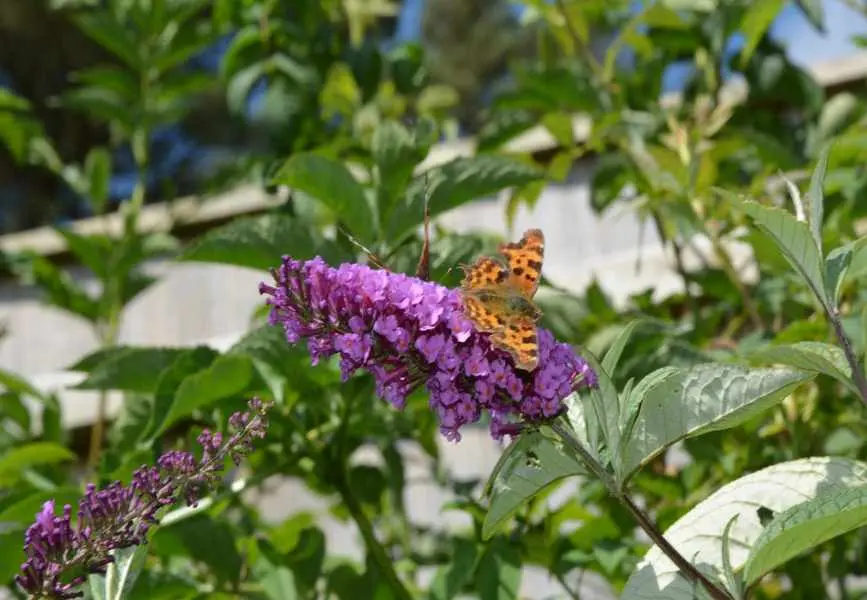
Q. I have several large butterfly bushes in my garden, and they look stunning when in bloom. However, they can become a bit unruly afterward. Is it worth the effort to deadhead them for a tidier appearance?
Butterfly bushes are widely favored for their vibrant colors and ability to attract butterflies and helpful pollinators to your yard. These vigorous growers, known scientifically as Buddleias, require annual pruning to control their size and maintain their health.
While pruning is essential, deadheading isn't mandatory. If you take care of a butterfly bush, removing old blooms can be beneficial, but you might also consider leaving them for wildlife.
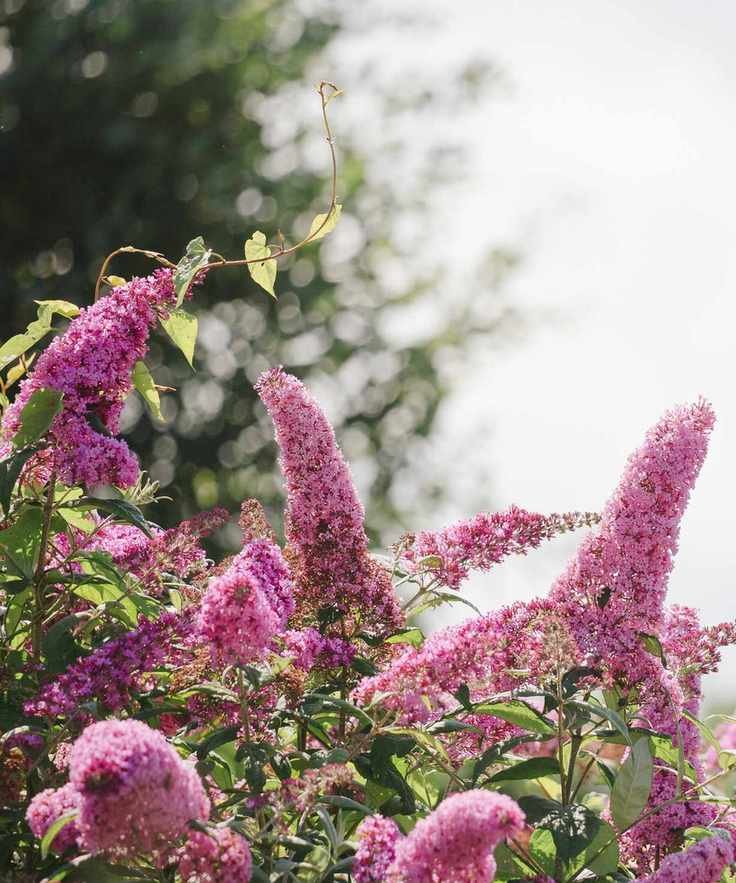
Butterfly bushes can grow up to 10 feet tall.
Should You Deadhead Butterfly Bushes?
Many homeowners choose butterfly bushes due to their rapid growth and impressive flowering capabilities. They're relatively easy to maintain and fit well in flower beds and borders or in shaded garden areas. So, should you grab your pruning shears after the blooms fade and add this task alongside deadheading roses or other summer flowers?
Explore various butterfly bushes at Fast Growing Trees
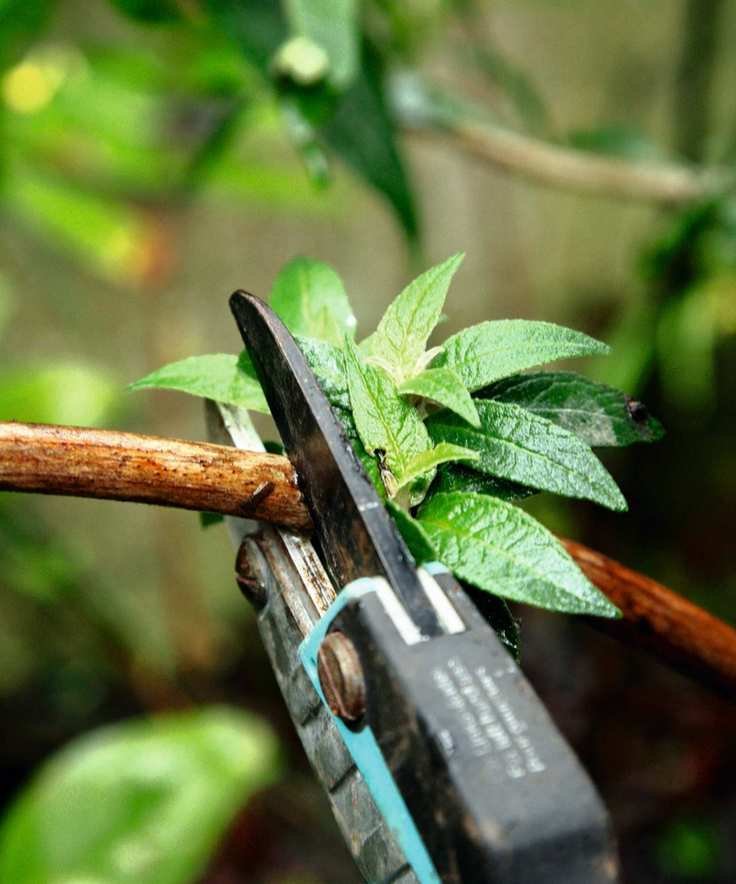
Annual pruning of butterfly bushes should occur in spring.
Advantages of Deadheading Butterfly Bushes
Deadheading has its perks for butterfly bushes. Primarily, it encourages reblooming by redirecting the plant's energy towards creating new flowers. This can lead to the growth of new buds and potentially a second wave of blooms in the same season.
Zahid Adnan, a gardener and founder of a plant care resource, notes that while deadheading can boost flower production, the quality of the blooms may rely on additional factors.
He explains: 'Removing spent flowers encourages the plant to generate new buds and blooms. However, the degree of reblooming can fluctuate based on the butterfly bush variety, climate, and growing conditions.'
He adds: 'Sometimes, you might get a modest second flush instead of a full second blooming.'
Keeping your butterfly bush tidy is another reason to deadhead. Old, wilting flowers can detract from the shrub's beauty, so removing them enhances the overall aesthetics of your garden.
In some regions, butterfly bushes may become invasive, and deadheading can help mitigate this issue. By removing spent flowers, you can prevent the plant from going to seed, reducing the likelihood of unwanted spread.

Disadvantages of Deadheading Butterfly Bushes
It's important to note that deadheading isn't always necessary. This task can be labor-intensive, particularly for larger shrubs or gardens with multiple plants, and reblooming isn't guaranteed.
Diana Cox, an experienced gardener, points out: 'Some butterfly bushes only bloom once per season, regardless of deadheading.'
Understanding your plants is essential. Researching whether your butterfly bush variety can rebloom will save you time and effort.
By forgoing deadheading, you can support local wildlife. The faded flowers and seed heads serve as nourishment for birds and beneficial insects, contributing to a wildlife-friendly garden. If you prefer a more natural garden aesthetic, keeping spent flowers can help maintain that look and reduce the frequency of pruning.
Additionally, dried flower heads can provide winter interest, adding texture and visual appeal during colder months, especially when touched by frost or snow.
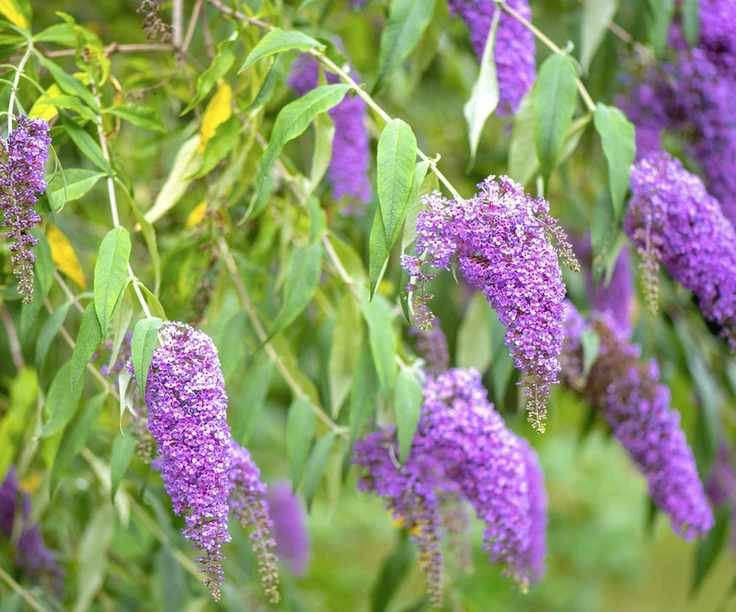
Steps to Deadhead a Butterfly Bush
Deadheading a butterfly bush is straightforward and requires basic gardening tools. Always use sharp, clean pruning shears for precise cuts, reducing the risk of infection from jagged wounds.
Begin deadheading as soon as the first flowers start to fade, and check the shrub regularly to remove spent blooms throughout the season. Identify faded flowers and trace the stem back to the first set of leaves, several inches below the flower. Make an angled cut just above a leaf node or healthy bud.
Continue this process for all old flowers and collect them in a bucket. These can be added to your home compost to decompose, providing nutrients for future planting.
Corona Forged Classic Bypass Pruner | Available on Amazon
This bypass pruner features a design that ensures clean, precise cuts, making it perfect for deadheading or pruning butterfly bushes.
There's minimal maintenance required for these shrubs, including annual mulching and pruning. Avoid pruning in the fall, as winter weather could harm recently pruned shrubs. Stick to spring for pruning to encourage new growth. If you're in colder US hardiness zones, be sure to apply mulch before the ground freezes.
Ultimately, whether to deadhead or not depends on your butterfly bush's size, how many you have, and your gardening style.



