
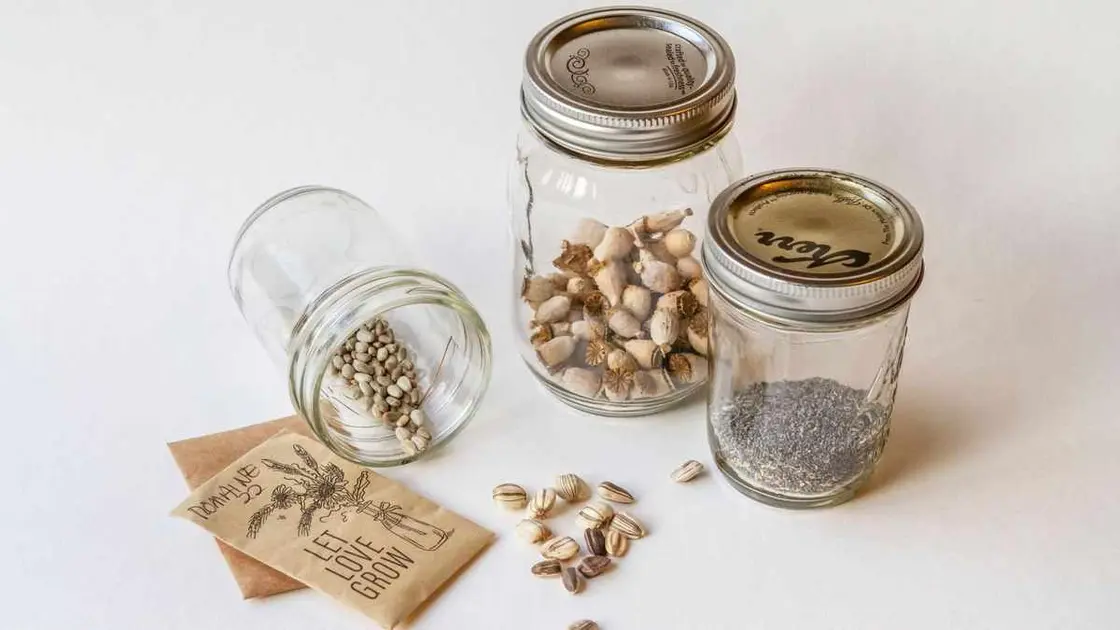
For gardeners who enjoy collecting seeds or have a stash of purchased seeds, proper seed storage is essential. While specialized containers are available, you likely have items at home that can serve just as well.
Seeds should be kept in a cool, dark, and dry environment. Common mistakes include failing to create airtight conditions, resulting in moisture damage. Fortunately, storing seeds doesn't require complex methods; you can easily use items you already own.
From repurposing various containers to crafting a larger storage unit for long-term use, there are numerous inventive ways to store seeds. Here are some of the top DIY seed storage ideas, along with expert advice on effective seed preservation techniques.
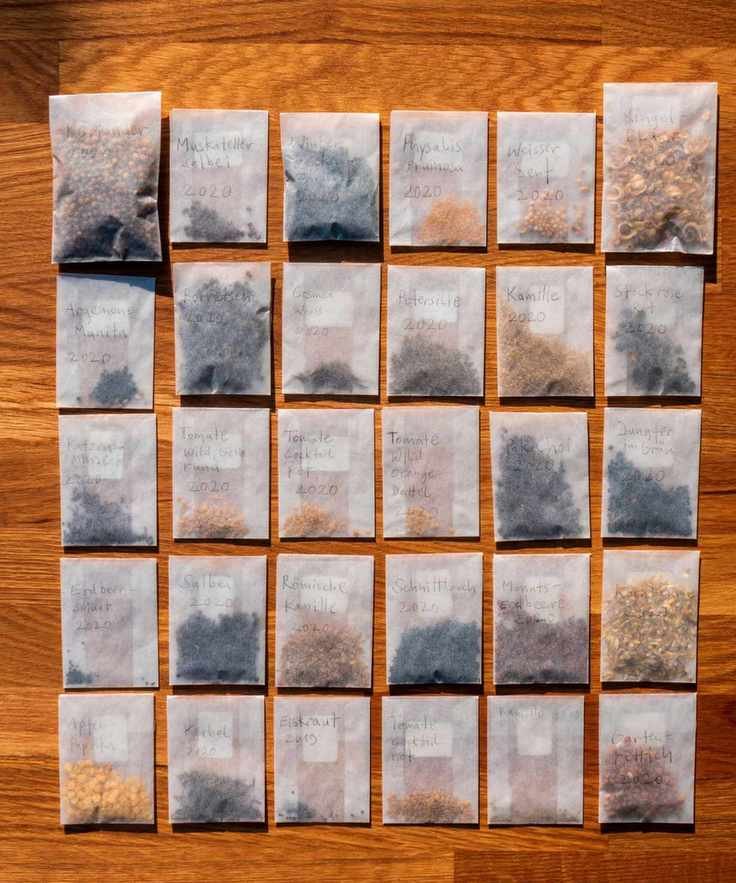
5 Creative DIY Seed Storage Solutions
Harvesting seeds from your garden is a rewarding aspect of gardening. While you can buy seed containers online, using items you already have can be more practical. Here are five ideas to inspire your seed storage.
1. Upcycled Food Jars
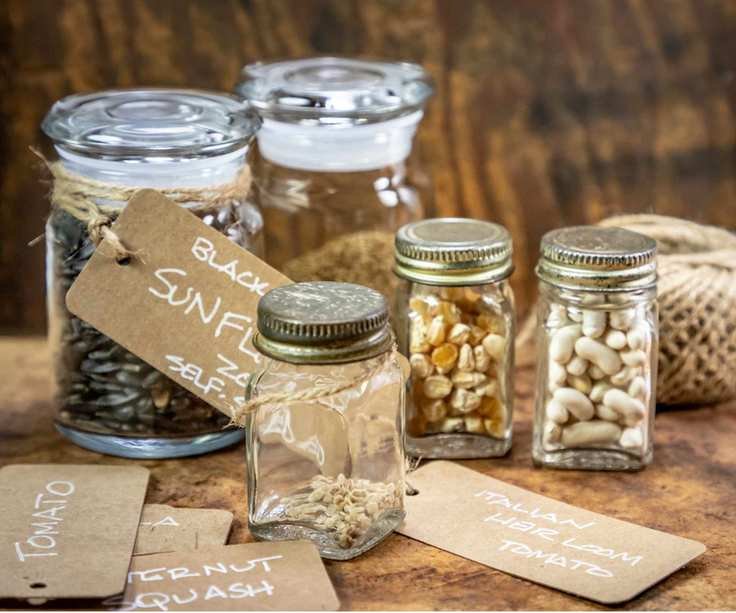
Glass food jars provide a simple and effective seed storage option. Their airtight design protects contents, and clear jars allow for easy identification of seeds.
Food jars are a versatile storage solution that can easily stack, making them ideal for organizing in a shed. Labeling jars with the plant name and collection date is a smart practice—consider using adhesive labels for convenience.
Garden expert Ben McInerney advises using desiccant packets in mason jars to maintain an optimal environment for seeds. Different colored lids can help categorize seeds according to planting season.
2. Spice Containers
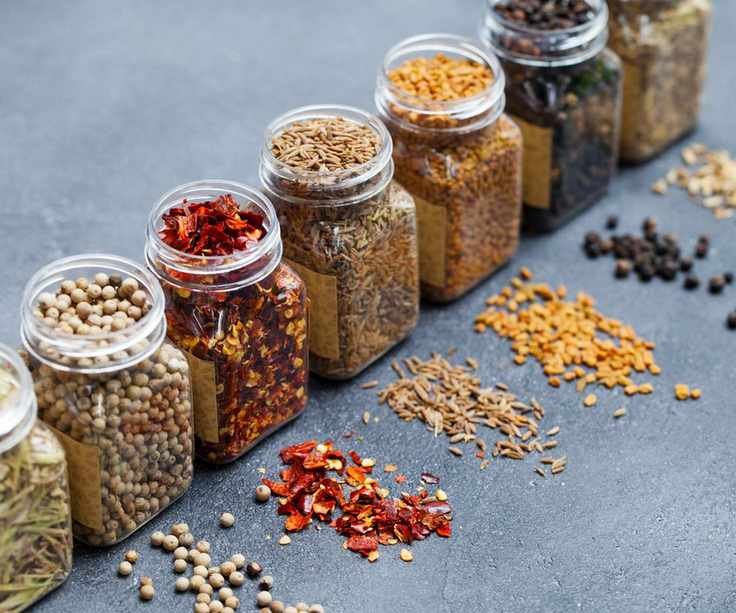
Empty spice bottles offer a tidy alternative for storing smaller quantities of seeds. Their uniform shape makes them perfect for organized storage.
According to Kitti Cooper, owner of Cooper Farms, spice racks are easy to find and manage. Since the bottles are identical in size, they can be neatly arranged on a spice rack, providing an attractive and efficient storage solution.
Be sure to clean the bottles thoroughly and allow them to dry completely before adding seeds. Label each bottle for easy identification.
3. Clear Storage Bags
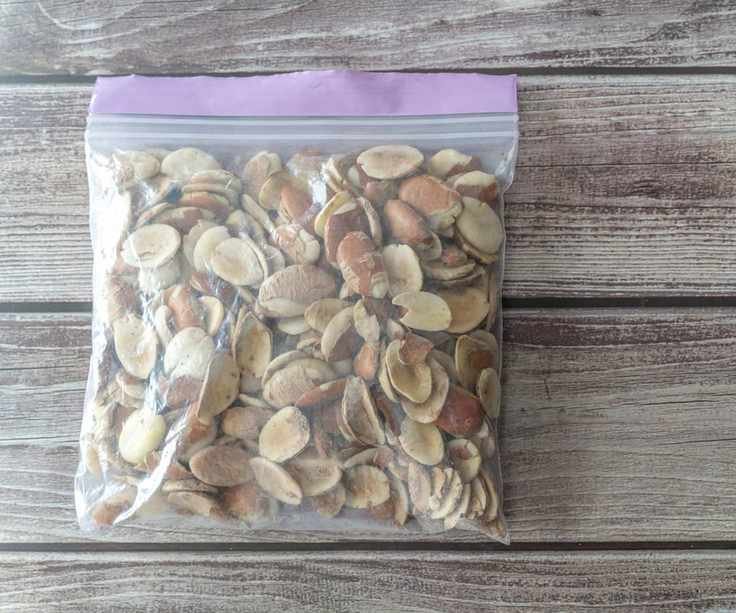
For a compact storage option, consider clear food storage bags with zippers to keep moisture at bay. This method works well if you're limited on space.
Once filled, store these bags in folders or drawers to keep everything organized. This setup can also assist in planning your seed sowing schedule by arranging seeds in the proper order.
It's vital to track how long seeds have been stored to ensure their viability. Consider using a seed inventory log book to keep track of everything.
4. Paper Envelopes
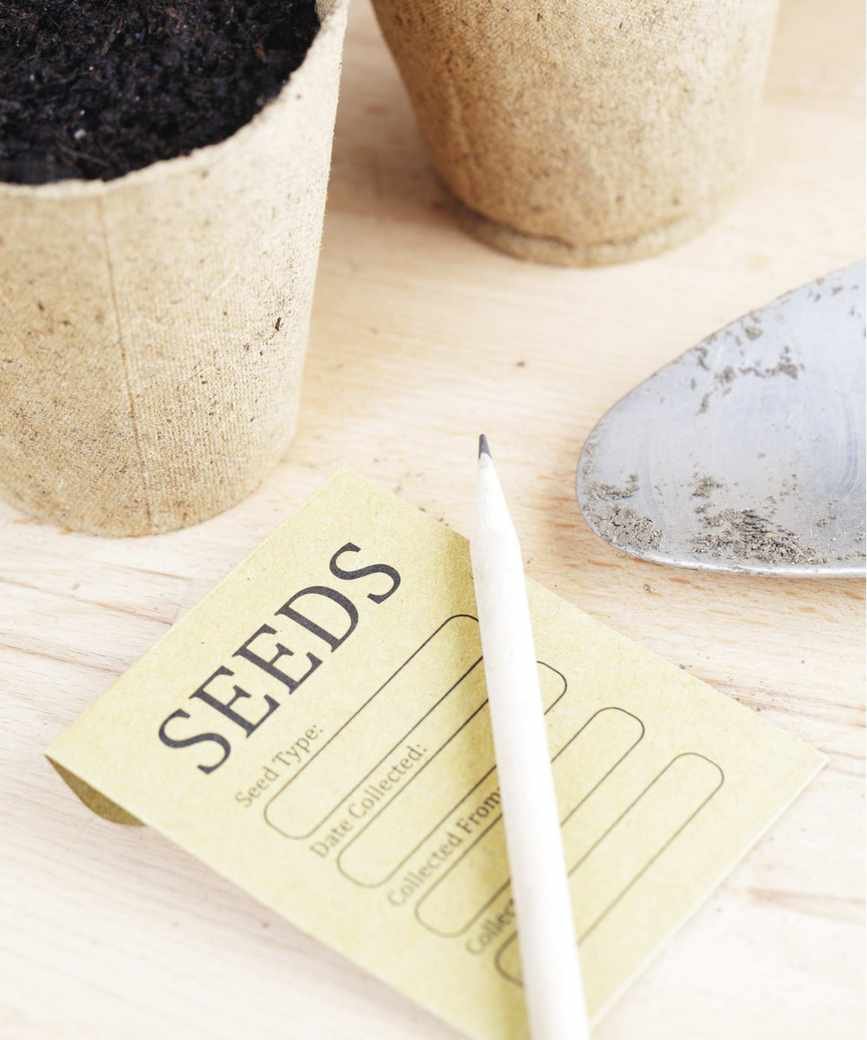
Paper envelopes are another straightforward seed storage option. If you have a pack of envelopes, like these envelopes, you can easily jot down the seed type and collection date directly on them.
Annette Hird, an expert gardener, suggests using paper bags or envelopes for storing collected seeds, labeling them for easy reference. A small plastic box can keep your seeds organized and accessible.
Regardless of whether your seeds are store-bought or collected, ensure they're kept in dry storage to prevent moisture from affecting their viability.
5. Card Catalog
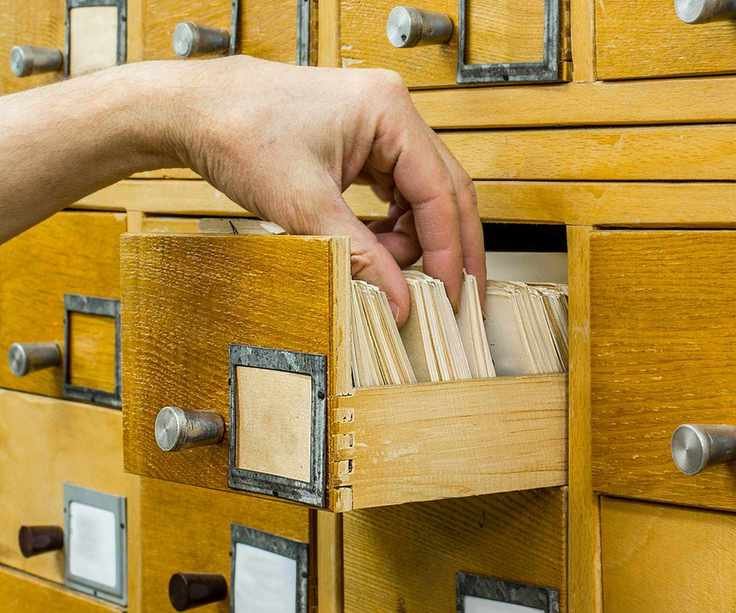
A card catalog is an excellent long-term storage solution for those with numerous seed packets. This method allows for organized and neat storage.
Ben McInerney suggests designating each drawer for different plant families, with index card slots perfectly fitting seed packets. Restoring a vintage card catalog can enhance your gardening space.
If you choose this route, remember to pack seeds into paper envelopes and label each drawer for clarity. While finding and refurbishing a card catalog can be labor-intensive, it's a worthwhile DIY project. Alternatively, you can buy a new unit, like this card catalog.
FAQs
Can I Freeze Seeds?
Yes, freezing seeds is a common recommendation among gardening experts, as it can aid in seed stratification.
This method simulates winter conditions, helping seeds prepare for growth in spring. However, it's crucial to prevent moisture from reaching your seeds. Placing them in a paper envelope and then in a clear plastic bag can help keep them dry in the freezer.
Regardless of your storage method, ensure seeds are kept in a dry, cool, and dark location to maintain their viability. When ready to plant, consider making DIY seed trays from household items.



