
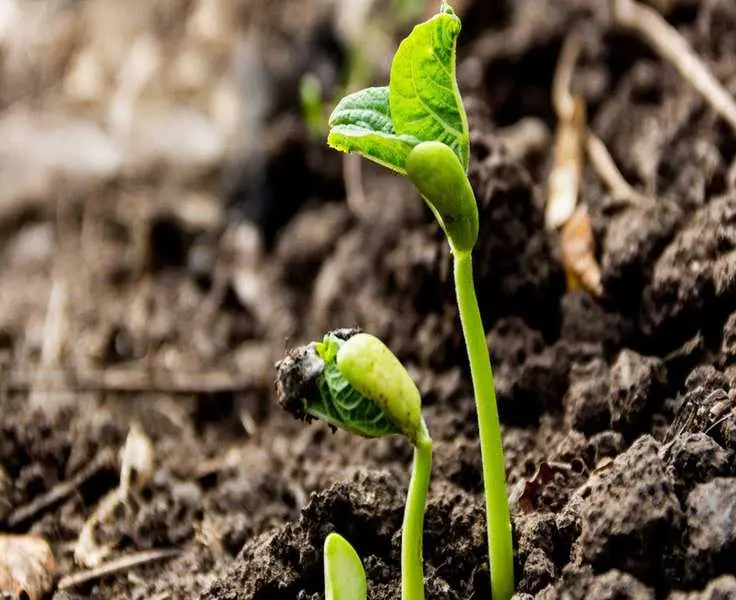
Seed packets often indicate the need for cold stratification, but what does that involve and how easy is it to accomplish?
Fortunately, it's a straightforward process, whether carried out outdoors or accelerated by using your refrigerator. A little patience goes a long way!
If a seed type—be it for trees, flowers, herbs, or vegetables—requires stratification, failing to do so could significantly hinder your germination success.
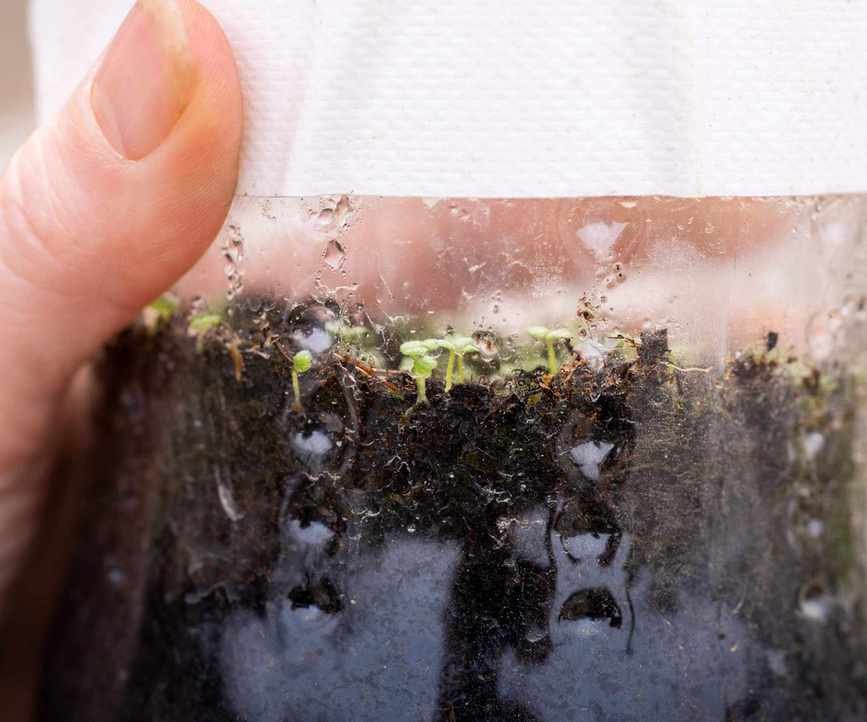
Stratification is essential for many seeds to germinate successfully
Defining Cold Stratification
Cold stratification involves exposing seeds to cold temperatures to promote germination. While not all seeds require this treatment, those that do benefit significantly by breaking dormancy and preparing for sprouting.
'Providing seeds with the necessary cold period mimics their natural habitat and initiates growth preparations,' explains a senior seed expert. 'Skipping this step may leave some seeds dormant and reduce their germination effectiveness.'
Besides cold stratification, some seeds might also need warmth before sowing. Be sure to read your seed packets closely to determine their specific needs.

Methods for Cold Stratifying Seeds
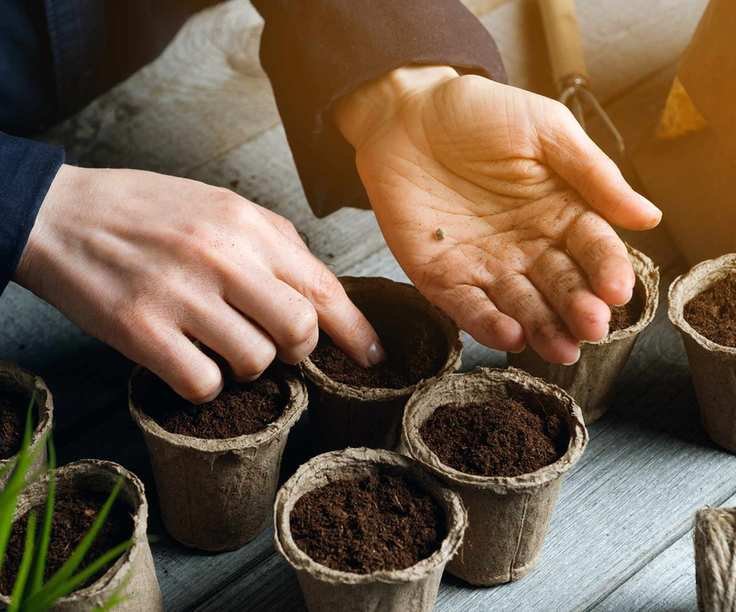
Neglecting cold stratification can hinder germination
You can stratify seeds using two main methods: outdoors or indoors in a refrigerator. Outdoor stratification is best performed in the fall, preparing seeds for spring germination, closely mimicking natural conditions.
This technique allows seeds to 'naturally experience winter temperatures' as one expert puts it.
To use this method, sow your seeds in the ground late summer or fall, or place them in pots outside during winter. They should sprout when temperatures warm up in spring.
The more common indoor method involves using a refrigerator to simulate cold conditions. This can accelerate the process, requiring just 10 days to a month inside instead of an entire winter outdoors.
'Refrigerators provide controlled temperatures, which is ideal for stratifying seeds,' the expert adds. 'Aim for temperatures between 32°F to 41°F for a few weeks, but always check specifics for each plant species.'
Before starting, soak the seeds overnight to soften their protective shells, which aids germination.
Keep seeds in a sealed container or plastic bag during refrigeration, adding a bit of moistened growing medium like compost, peat moss, or vermiculite. Ensure it's moist, not soaking wet.
Separate different seed types and label your containers. Regularly check for signs of germination, and remove any seeds showing rot or mildew promptly.
Once seeds begin to germinate, plant them in pots with compost or directly in the ground, discarding any that appear rotten. The required stratification duration varies by seed type.
When your seeds sprout, ensure they receive ample light. Insufficient lighting can lead to leggy seedlings straining toward any light source.
Common Questions
Which Flower Seeds Require Cold Stratification?
Many popular flowering seeds benefit from cold treatment. These include aster, hollyhock, nigella, poppies, rudbeckia, and snapdragons.
Which Vegetable Seeds Need Cold Stratification?
Most vegetables don't need stratification, but perennial options like asparagus and globe artichokes benefit from it.
Several herbs, including lavender, oregano, parsley, and rosemary, also thrive with cold stratification.
Which Fruit Seeds Need Cold Stratification?
While growing fruit trees from seeds is less common and requires patience, seeds from apples, pears, peaches, or cherries must undergo cold stratification before planting.



