

Watering is crucial for growing vegetables, but you can simplify the process by choosing drought-tolerant varieties. These plants thrive with less moisture, making them ideal for hot, dry climates.
If you live in an arid region, consider drought-resistant planting options for your garden. Fortunately, many vegetables can withstand dry conditions.
Some drought-tolerant crops, like rhubarb and asparagus, are perennials, while others are annuals that manage well once established.
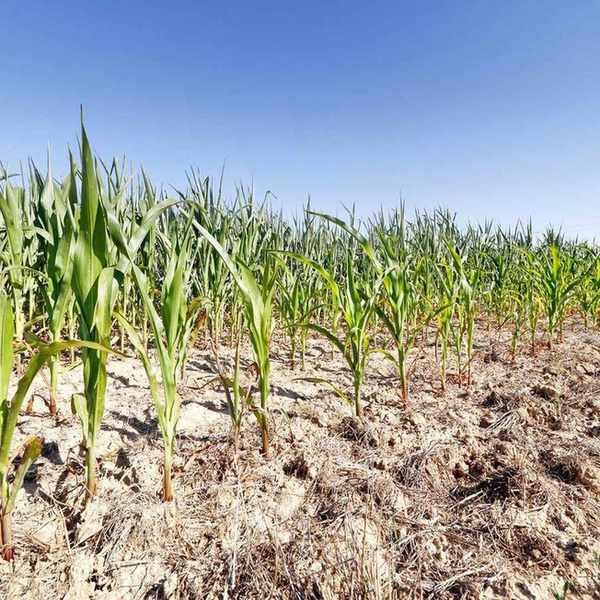
Corn thrives in hot, dry climates
12 Drought-Resistant Vegetables to Cultivate
Just as there are drought-resistant shrubs and grasses for lawns, you can also grow drought-tolerant vegetables in your garden. Initially, these crops require some water, but they become more resilient as they mature.
Always monitor your plants and determine when to water. Being drought-tolerant doesn't mean they can survive without water entirely. Insufficient moisture can lead to lower yields and affect fruit development.
Here are 12 drought-tolerant vegetables to explore for your garden. Note that container-grown plants will need more water than those planted directly in the ground.
1. Rhubarb

Rhubarb's large root system retains moisture
- Type: Perennial
- Drought Resistance: High
- Harvest: Early summer
- Growing Conditions: Sun or partial shade
Once established, rhubarb is very drought-resistant. Initially, it needs regular watering to develop roots, but after that, it requires minimal moisture except during prolonged dry spells. Its extensive root system allows it to endure periods without water.
Rest assured that you'll enjoy a reliable rhubarb harvest with minimal effort. If you opt for forced rhubarb, ensure consistent watering post-forcing to help the crown recover.
2. Swiss Chard
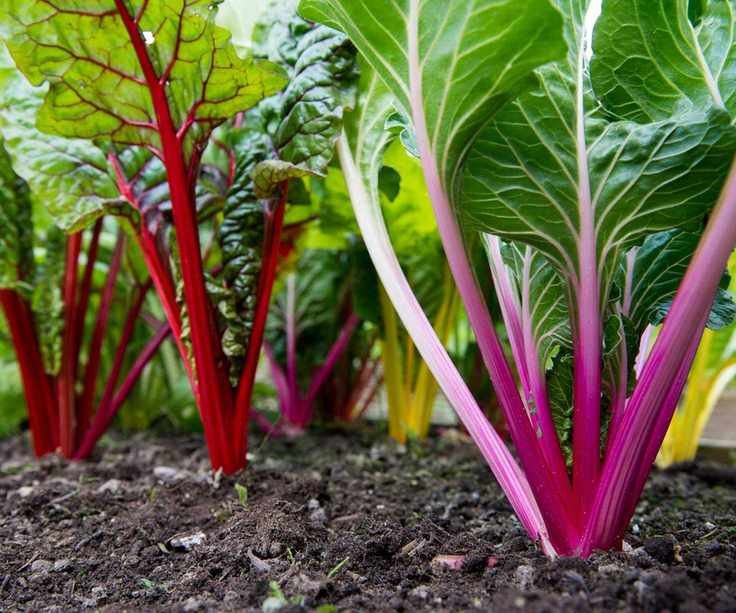
Swiss chard adds vibrant colors to your garden
- Type: Miscellaneous
- Drought Resistance: Medium
- Harvest: Year-round
- Growing Conditions: Sun or partial shade
Swiss chard is among the simplest vegetables to cultivate. It grows quickly, tolerates heat and drought, and comes in various colors. It prefers full sun and nutrient-rich soil, with harvestable leaves available around 50 days after planting.
All chard types are drought-resistant, with 'Fordhook Giant', 'Rhubarb', and 'Rainbow' being excellent choices that can yield crops year-round, even in cooler weather.
3. Asparagus
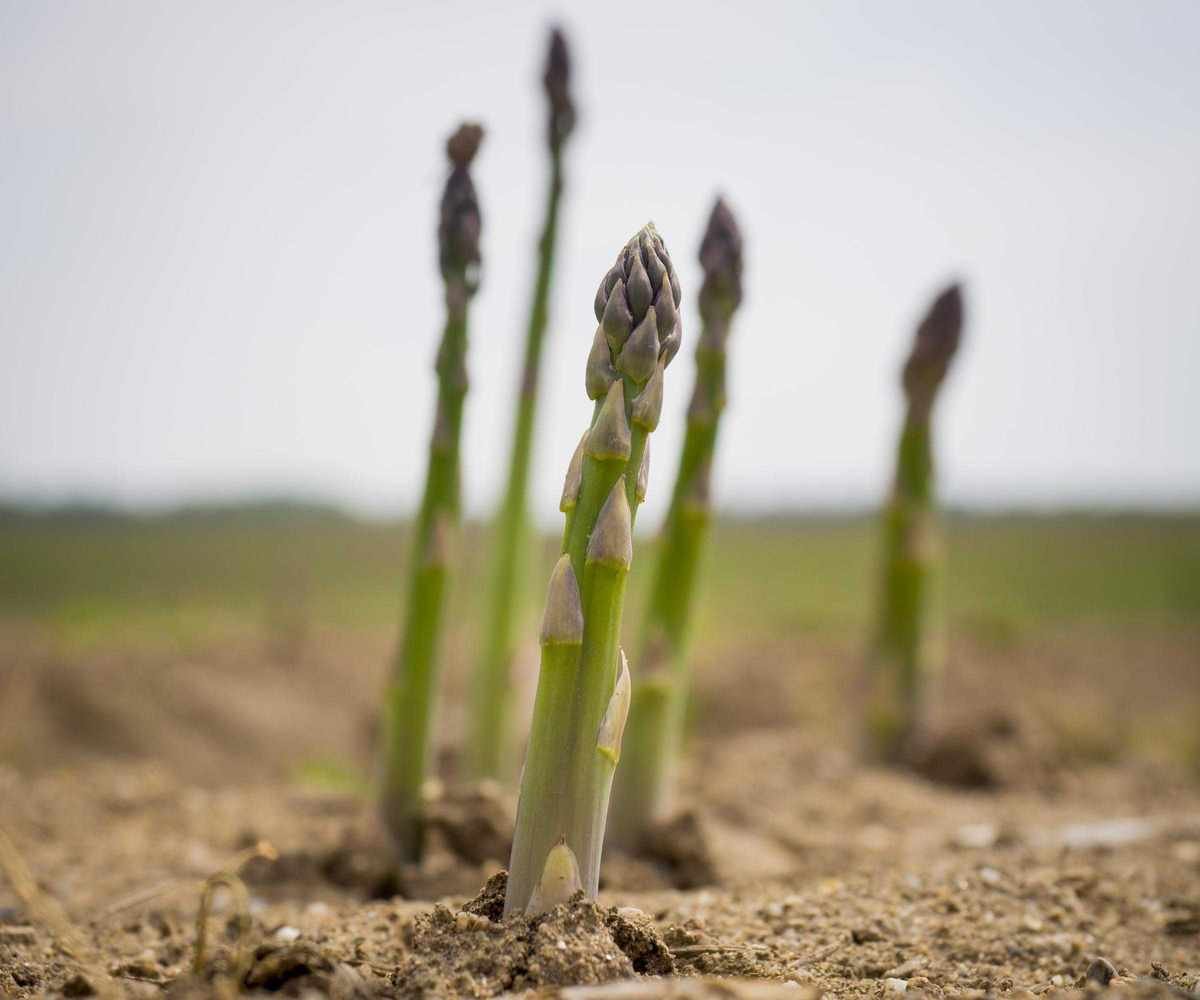
Established asparagus requires minimal watering
- Type: Perennial
- Drought Resistance: High
- Harvest: Spring to early summer
- Growing Conditions: Full sun
Asparagus is considered a premium crop, taking three years from planting to harvest. Young plants need regular watering for establishment, while mature asparagus thrives in dry conditions, requiring water only in extended droughts.
4. Jerusalem Artichoke
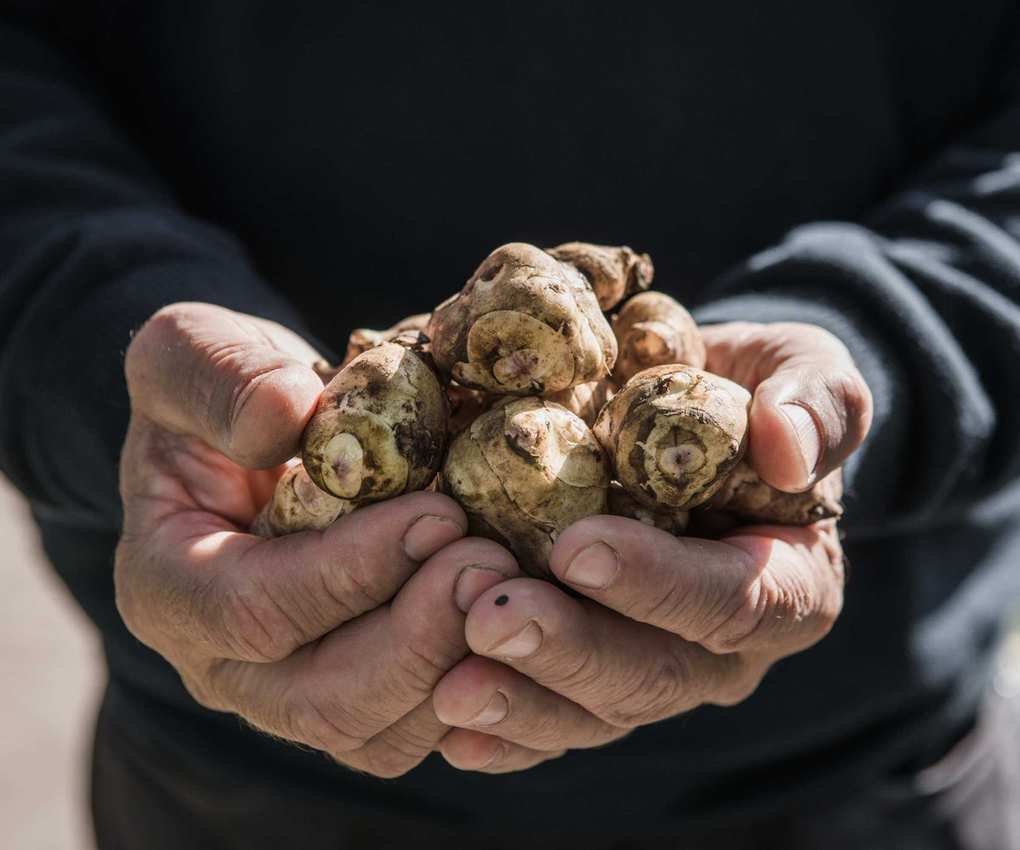
Jerusalem artichokes can reach heights of 10 feet
- Type: Annual
- Drought Resistance: High
- Harvest: Winter
- Growing Conditions: Full sun
Growing Jerusalem artichokes is straightforward, requiring little care. They thrive in dry conditions and only need occasional watering during prolonged dry spells. Plant tubers in spring and water them lightly to get started.
By winter, you'll have plenty of tubers to harvest. Save some for next year's planting. However, while they can endure drought, consistent moisture leads to a better yield.
5. Corn
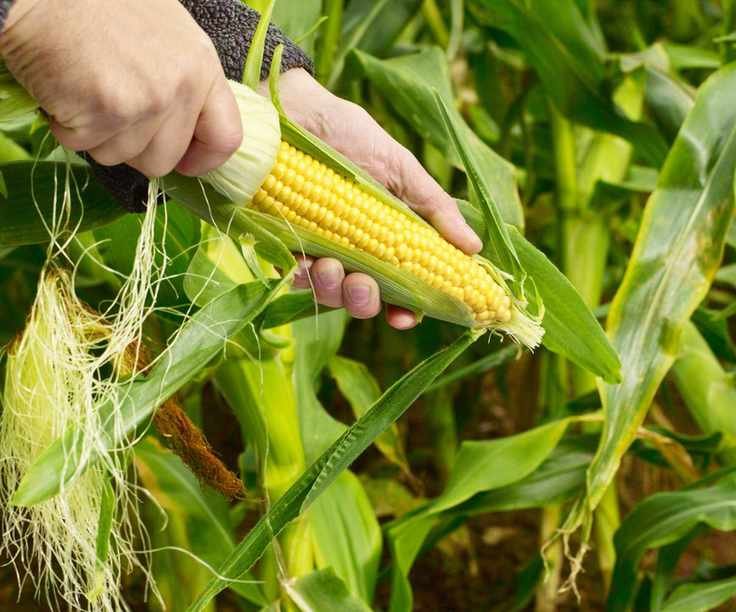
Corn has deep roots for moisture access
- Type: Annual
- Drought Resistance: Medium
- Harvest: Summer
- Growing Conditions: Full sun
Sweetcorn can withstand drought thanks to its long, fibrous roots that reach deep for moisture. It rolls its leaves to minimize water loss during dry spells. Water is critical when the cobs are swelling.
Enjoy fresh homegrown corn during summer. When the tassels turn brown and a creamy liquid appears from kernels, it's time to harvest.
6. Pole Beans

Pole beans grow vertically on supports
- Type: Legume
- Drought Resistance: Medium
- Harvest: Late summer
- Growing Conditions: Full sun
Beans are generally drought-tolerant, but pole beans yield more when grown vertically. They develop deep roots that search for moisture where others may not. Varieties like 'Rattlesnake' are particularly drought-resistant.
7. Chili Peppers
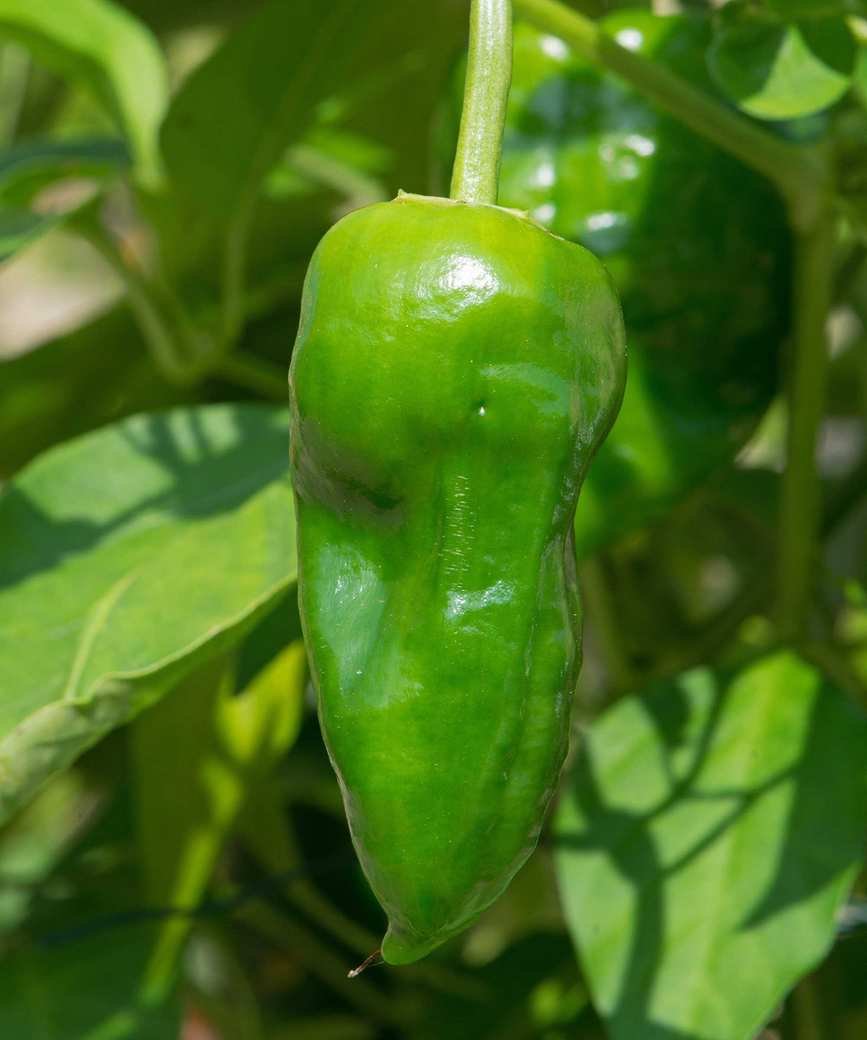
Chilies thrive in hot, dry conditions
- Type: Annual
- Drought Resistance: High
- Harvest: Summer
- Growing Conditions: Full sun/indoors
Chili peppers flourish in hot, dry climates. The drier the conditions, the spicier the peppers tend to be. They need water for establishment, but they are otherwise drought-resistant.
8. Squash
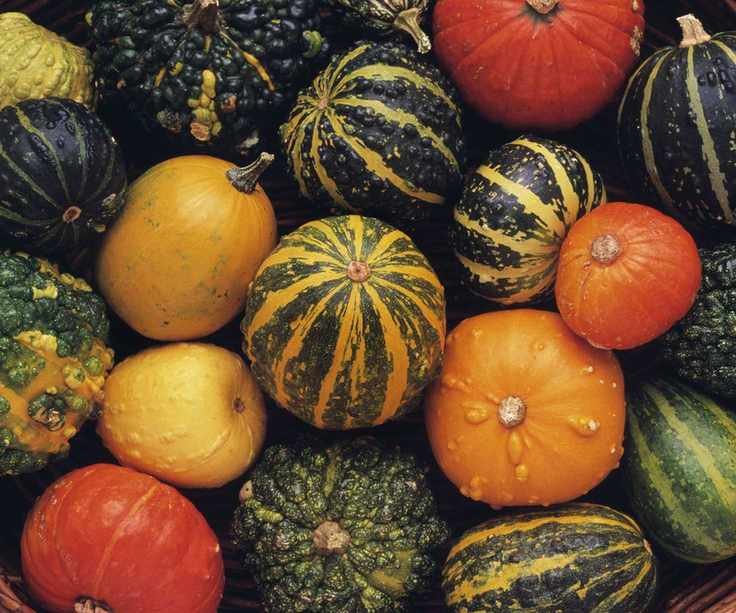
Various squash types are available
- Type: Annual
- Drought Resistance: Medium
- Harvest: Summer to fall
- Growing Conditions: Full sun
While squash plants require ample nutrients and water initially, they become drought-tolerant as they mature. They thrive in sunlight and rich soil. Their large leaves can shrivel during drought but recover quickly, providing shade that reduces evaporation.
9. Melon
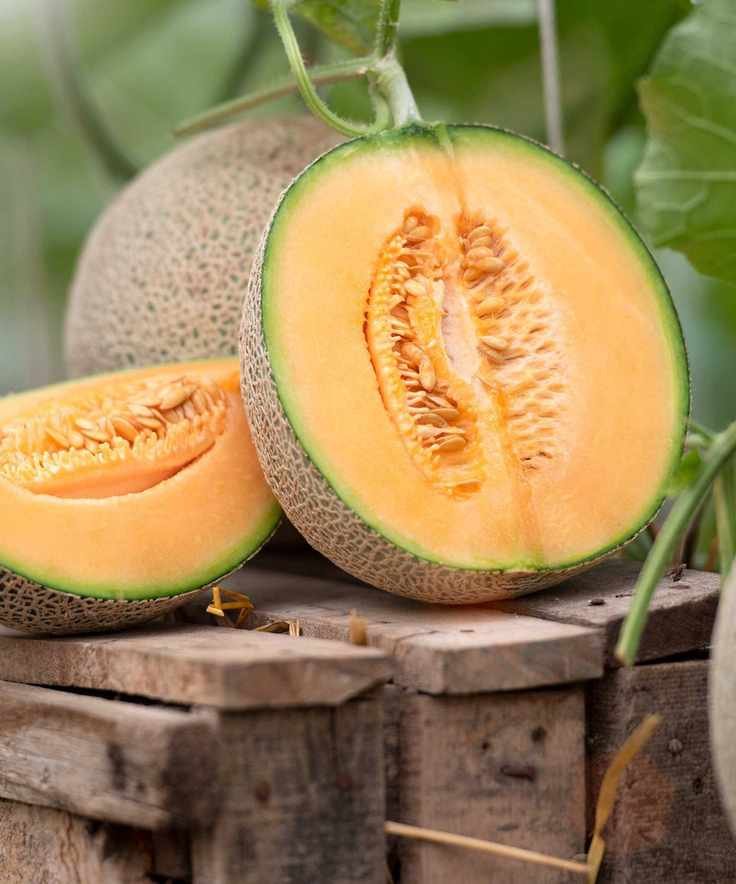
Melons prefer warm soil of 70-75˚F
- Type: Annual
- Drought Resistance: Medium
- Harvest: Summer
- Growing Conditions: Full sun/indoors
Despite their high moisture content, certain melon varieties, like 'Desert King', are drought-resistant. While watering is advisable during fruiting to prevent cracking, they can tolerate dry conditions.
10. Arugula
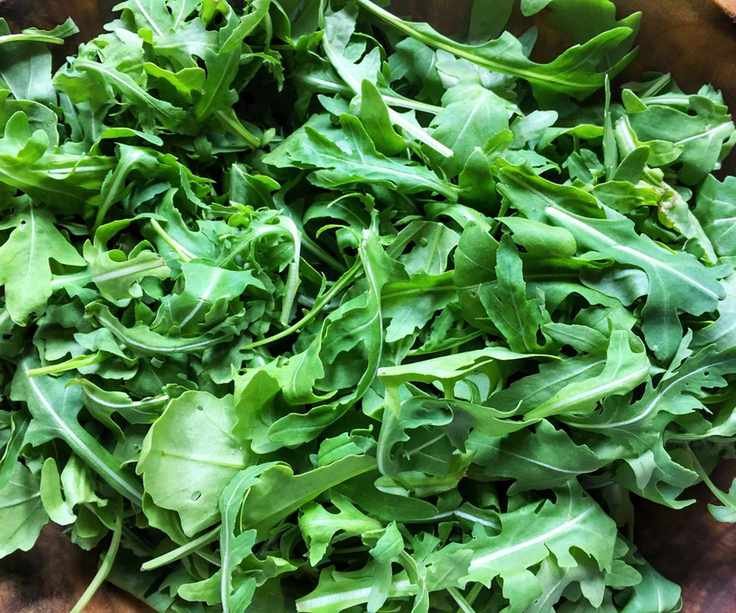
Arugula adds a zesty flavor to salads
- Type: Annual
- Drought Resistance: Medium
- Harvest: Year-round
- Growing Conditions: Sun or semi-shade
Arugula is among the quickest growing vegetables. It's easy to grow and drought-tolerant. Extended drought may yield smaller leaves, but it continues to produce and may even have a spicier taste.
11. Zucchini
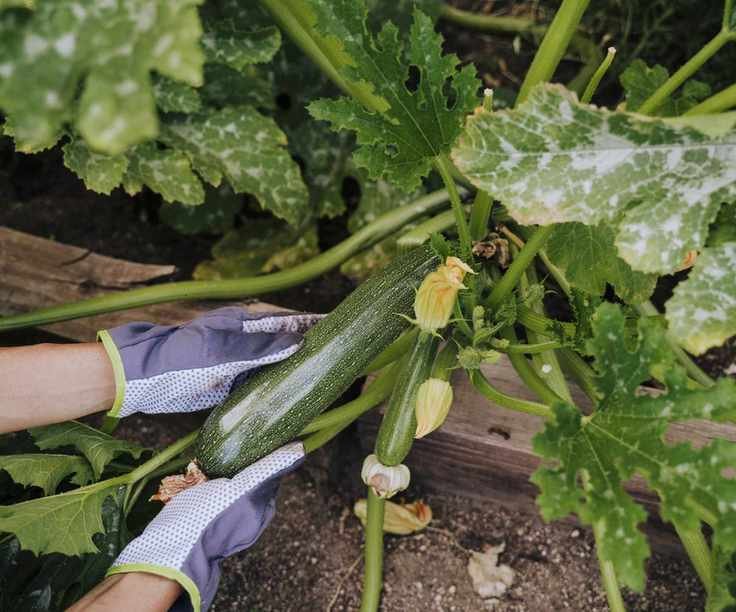
Zucchini's foliage helps reduce water loss
- Type: Annual
- Drought Resistance: Medium
- Harvest: Summer
- Growing Conditions: Full sun
Zucchini's extensive root system allows it to seek moisture effectively. Its large leaves shade the ground, minimizing evaporation during dry spells. The 'Dark Star' variety offers improved drought tolerance.
12. Okra
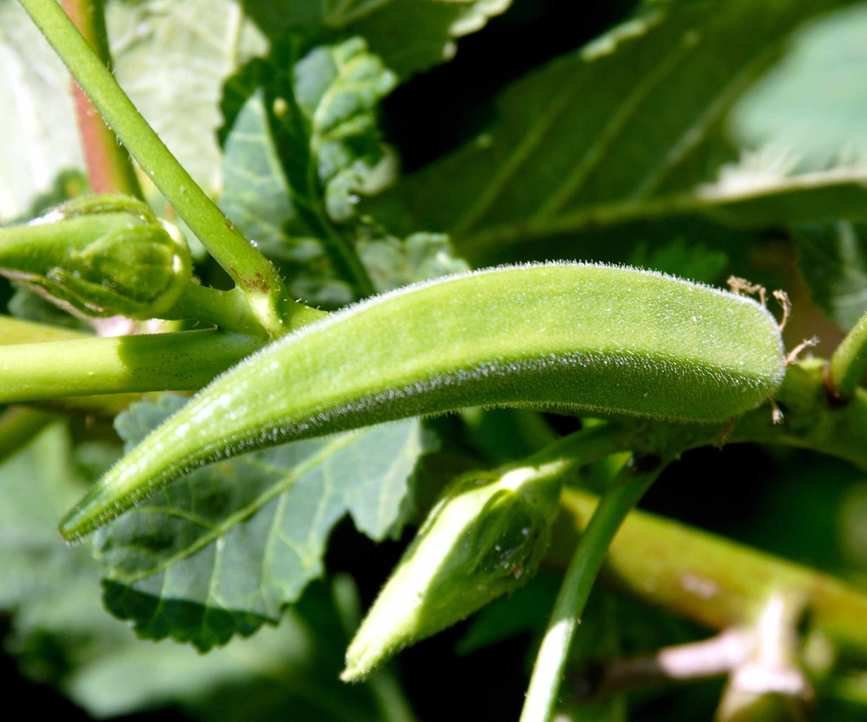
Okra is believed to be native to Africa
- Type: Annual
- Drought Resistance: High
- Harvest: Summer through fall
- Growing Conditions: Full sun
Okra flourishes in warm temperatures, thriving in soil above 70˚F. Once established, it's very drought-hardy, growing rapidly in heat.
For those in dry climates, a variety of drought-tolerant vegetables allows for homegrown enjoyment without excessive watering. Planning your vegetable garden with climate in mind ensures efficient crop selection.



