
In an urban yard, there’s often a corner that turns into a blazing suntrap, where walls and pavements radiate heat. Instead of battling this, savvy gardeners can embrace it by selecting drought-resistant plants, utilizing well-draining containers, and choosing crops that enjoy warmth.
These hot spots can yield impressive results. Mediterranean herbs, heat-loving veggies, and sun-loving blooms often flourish better under these conditions than elsewhere, particularly in temperate regions like USDA zones 6–9, where heat retention can prolong growing seasons.
When dealing with limited space, creativity is essential. A hot corner can transform into a highly productive area if approached with clever planning, similar to the innovative strategies seen in urban gardening concepts for compact areas. Here are five ways to maximize this opportunity.
The Hottest Corner: A Hidden Gem
Urban gardens have unique characteristics compared to rural ones. Structures like brick walls and concrete patios soak up sunlight during the day and release warmth at night. This creates a microclimate, often humorously referred to as “that darn hot corner where nothing grows.”
But heat can be beneficial. Many plants thrive in such conditions. Mediterranean herbs like rosemary (Salvia rosmarinus) and thyme (Thymus vulgaris) have adapted to sun-drenched environments. Crops like peppers (Capsicum annuum) and eggplants (Solanum melongena) flourish in warmth where shade is scarce.
To effectively cultivate in this corner, start by assessing the environment. Is the soil dry? Does sunlight hit from dawn till dusk? Are there reflective surfaces amplifying the heat like a mirror?
Recognizing that this area behaves more like southern Italy than a typical American suburb will simplify your planting decisions.
If you’re still designing your garden, consider vertical gardening or compact layouts, which are effective strategies in small backyards.
1. Create a Mediterranean Herb Garden
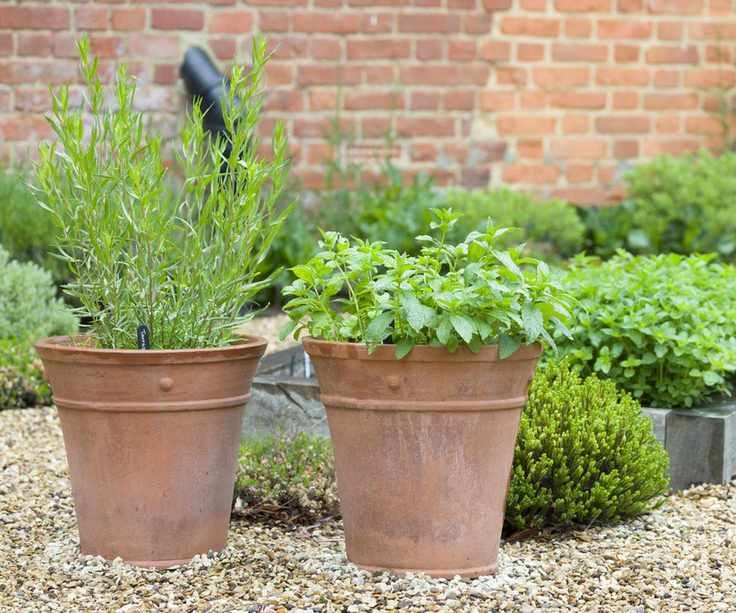
A Mediterranean herb garden is perfect for a hot corner. These plants thrive in full sun, excellent drainage, and can manage with minimal care.
Lavender (Lavandula angustifolia) stands out with its silver leaves reflecting heat and its fragrant blooms attracting pollinators.
Combine it with sage (Salvia officinalis), oregano (Origanum vulgare), and creeping thyme (Thymus serpyllum) for a fragrant, resilient patch that looks stunning even during dry spells.
Using raised beds enhances drainage, keeping herbs away from soggy soil, reminiscent of England's damp conditions.
If you’re planting from seeds, consider these lavender seeds from Burpee or this culinary herb collection from True Leaf Market to establish a heat-loving herb garden.
Herb gardens fit beautifully into small urban environments. For design inspiration, check out herb garden ideas tailored for compact spaces.
2. Choose Warm-Weather Vegetables
While leafy greens may struggle in high temperatures, many vegetables thrive in them.
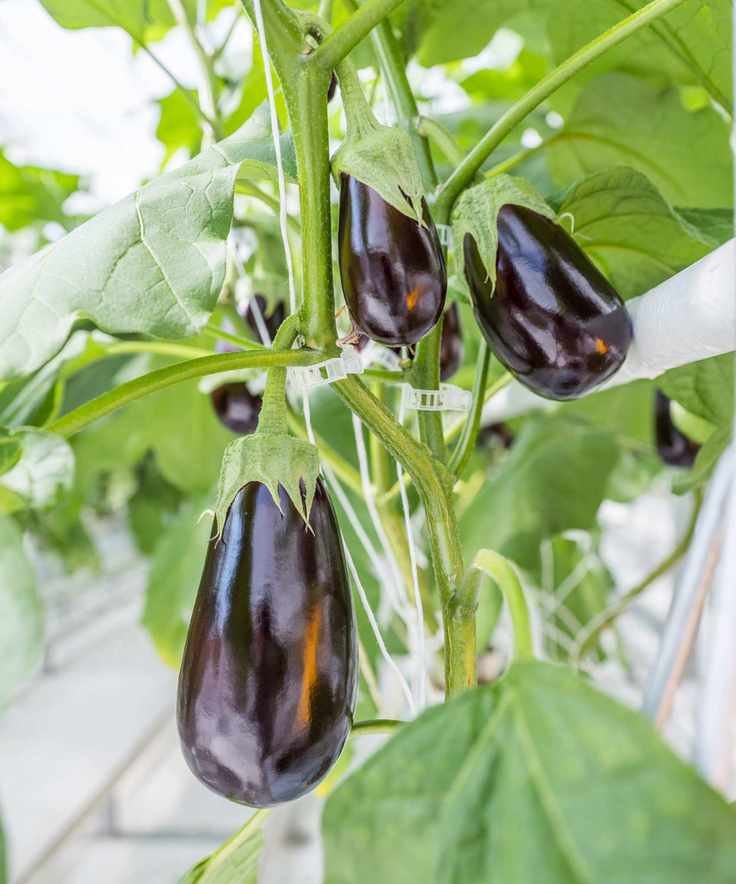
Tomatoes (Solanum lycopersicum), peppers (Capsicum annuum), okra (Abelmoschus esculentus), and eggplants (Solanum melongena) flourish when soil temperatures rise. A hot corner could mean the difference between average yields and abundant harvests.
Positioning a raised bed against a sun-warmed wall acts as a heat collector, warming the soil faster in spring and retaining warmth into fall, extending the growing season.
If space is tight, opt for compact or patio varieties. Cherry tomatoes and dwarf peppers excel in urban gardens.
For container gardening, consider this cedar raised bed from Ace Hardware that retains warmth while ensuring proper drainage.
3. Select Heat-Loving Containers
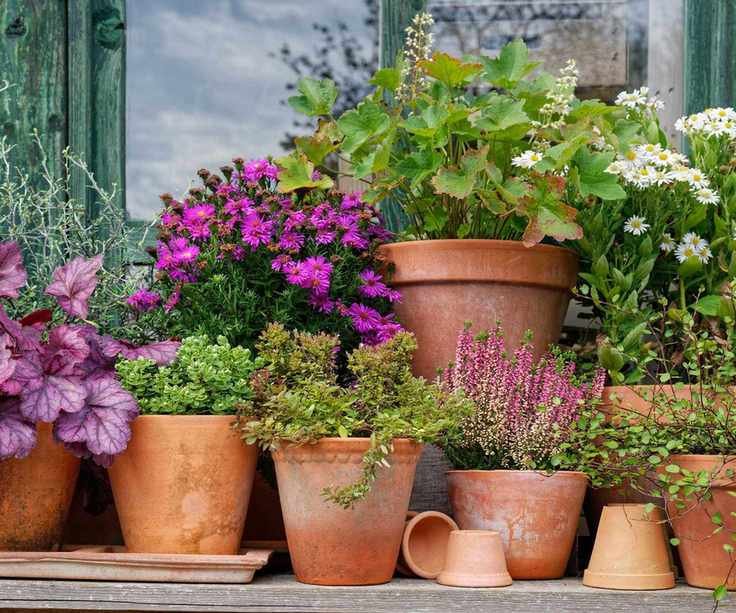
Containers pair perfectly with heat. In these blazing corners where soil dries quickly, they offer more control over watering and plant placement.
Terracotta pots are ideal as they allow for air circulation. The clay helps cool roots by enabling water evaporation, providing relief during heatwaves.
Here are some combinations that thrive in warmth:
• Rosemary (Salvia rosmarinus)
• Dwarf olives (Olea europaea)
• Lantana (Lantana camara)
• Trailing verbena (Verbena hybrida)
These plants flourish in sunny spots, bringing color without requiring constant attention.
If you're looking for durable options, check out these large terracotta planters from Amazon that are perfect for sunny locations and develop a lovely patina.
Containers are excellent for small yards or patios. If you’re experimenting with planting arrangements, look into container gardening techniques to maximize your limited space.
4. Opt for Drought-Resistant Perennials
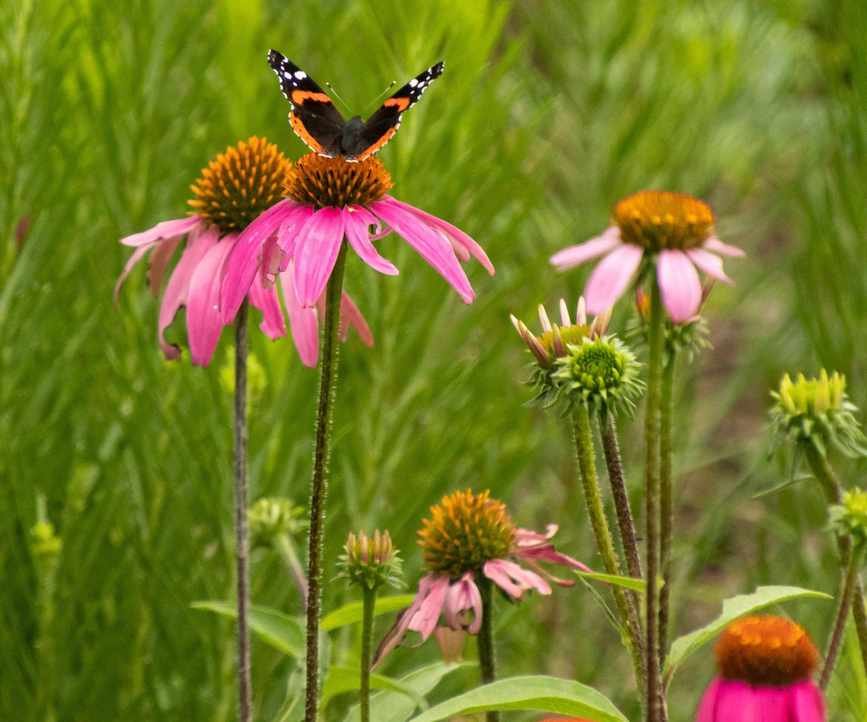
The hottest area isn’t meant for delicate woodland plants, but it’s perfect for resilient perennials that thrive in the sun.
Consider these options:
• Coneflower (Echinacea purpurea)
• Blanket flower (Gaillardia aristata)
• Russian sage (Salvia yangii)
• Yarrow (Achillea millefolium)
These plants withstand drought and continue to bloom when others have wilted.
Many also attract pollinators; bees flock to coneflowers, butterflies are drawn to blanket flowers, and yarrow adds a natural prairie vibe to urban settings.
If you want to create a lively pollinator garden quickly, try this native wildflower seed mix from Burpee designed for sunny environments.
These plants integrate beautifully into naturalistic designs that reflect modern pollinator garden concepts, emphasizing resilience and diversity.
5. Reflect, Mulch, and Utilize Heat
Smart gardeners don’t just plant—they also adapt their surroundings.
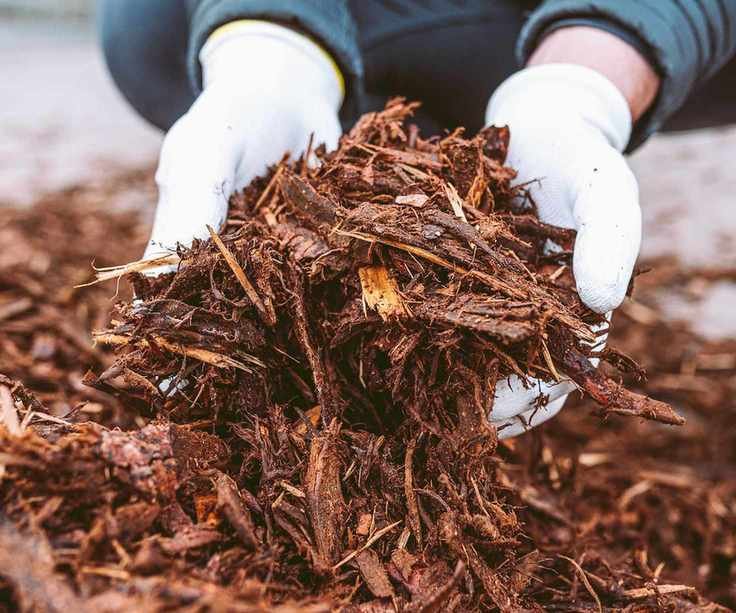
Mulch is your best friend in hot areas. A two-inch layer of gravel, stone, or bark helps maintain cooler soil and significantly reduces evaporation. In Mediterranean gardens, light gravel mulch reflects sunlight back to plants, promoting growth.
Raised beds and stone borders retain heat during the day, releasing it slowly at night, aiding in the ripening process for summer crops.
Water deeply but infrequently. A thorough soak encourages roots to grow deeper into cooler soil, while shallow daily watering can lead to wilting plants.
If installing irrigation, a drip irrigation system from Lowes is an efficient way to deliver water directly to the roots.
In temperate climates, the warmth in spring can kickstart growth weeks earlier than in cooler parts of the yard.
Designers often use these warm spots strategically in sun-loving gardens, placing tender or borderline-hardy plants where reflected heat gives them that extra boost.
Urban gardening often requires compromise. You work with the yard you have, with all its quirks—scorching sun, dry soil, and awkward corners. The key to successful gardening is not to eliminate these challenges but to learn how to leverage them.
Once you start cultivating in the hottest corner of your yard, it transforms from a challenge into a chance. Herbs scent the warm air, tomatoes ripen beautifully against the heat, and pollinators arrive in joyful swarms.
What once felt like the trickiest area can become the most fruitful. In the magic of gardening, that sun-baked corner may very well become your favorite growing spot.



