
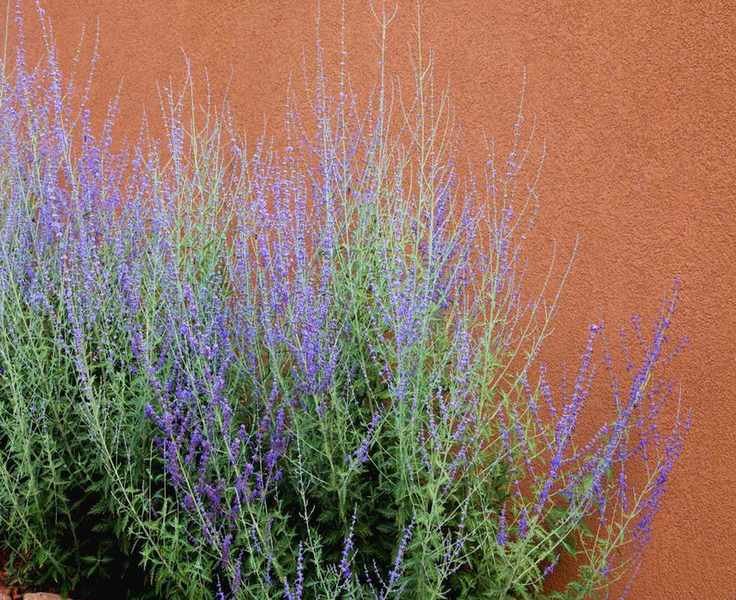
Russian sage is a striking perennial, adorned with violet-blue blooms that attract pollinators and delight gardeners with its aromatic leaves. Growing this plant in containers is entirely feasible, even in compact spaces like balconies or patios.
Yes, Russian sage can thrive in pots! It flourishes in hardiness zones 5-9 but requires winter protection in colder regions when grown in containers.
If you're eager to cultivate Russian sage in pots, a few key aspects must be considered. This plant loves sunlight and requires well-draining soil, so let's explore six crucial factors for successfully growing this beautiful perennial in containers.
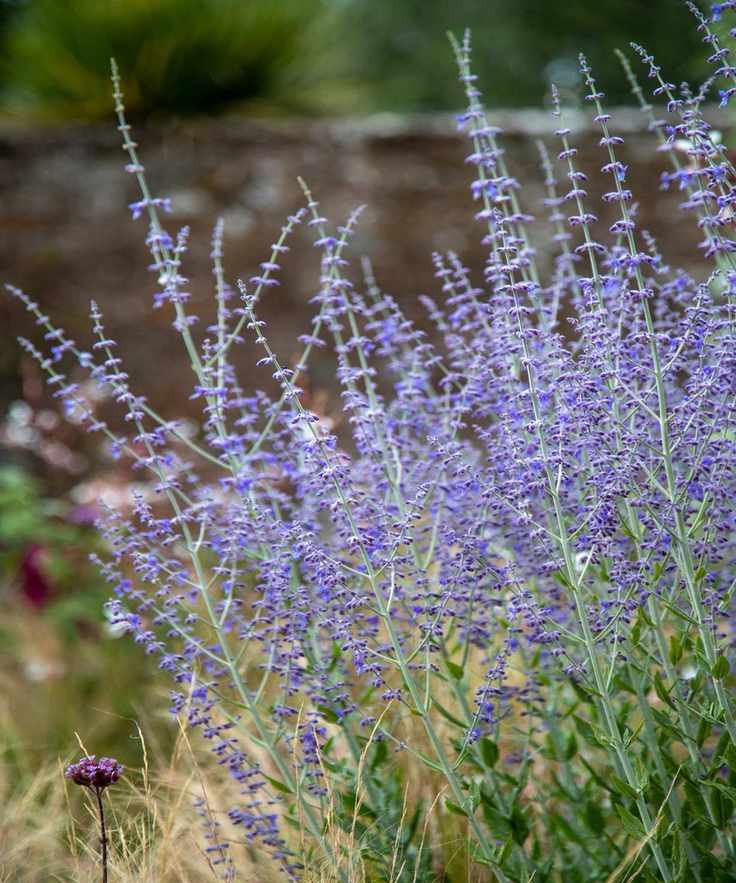
Choosing the Right Russian Sage Varieties for Containers
Opt for compact varieties like 'Denim 'n Lace', which grows up to three feet tall. Alternatively, 'Little Spire' is a dwarf cultivar, reaching just 18 to 24 inches.
You can purchase a live 'Denim 'n Lace' Russian Sage plant online.
You can also find a live 'Little Spire' Russian Sage plant online.
6 Key Elements for Growing Russian Sage in Pots
To ensure your Russian sage thrives in containers, pay attention to these vital components:
1. Select an Appropriate Container
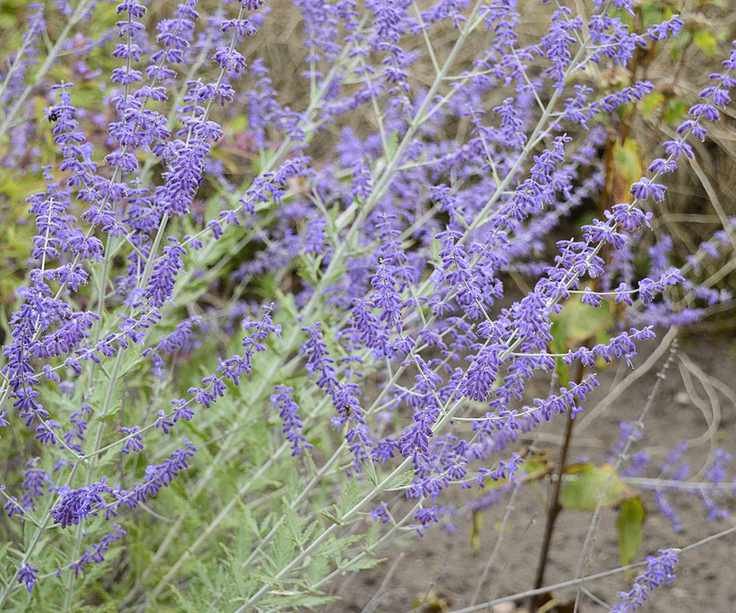
Russian sage has extensive root systems, which necessitates a large container. A pot at least 16 inches wide and deep is ideal for compact varieties. For larger types, opt for containers measuring 18-24 inches wide and deep.
Your choice of material can vary; terracotta, ceramic, plastic, metal, or wood are all suitable. However, ceramic and terracotta are particularly advantageous because they allow moisture to escape quickly, preventing soggy soil.
Ensure your container has drainage holes to avoid excess water accumulation.
2. Utilize Suitable Soil
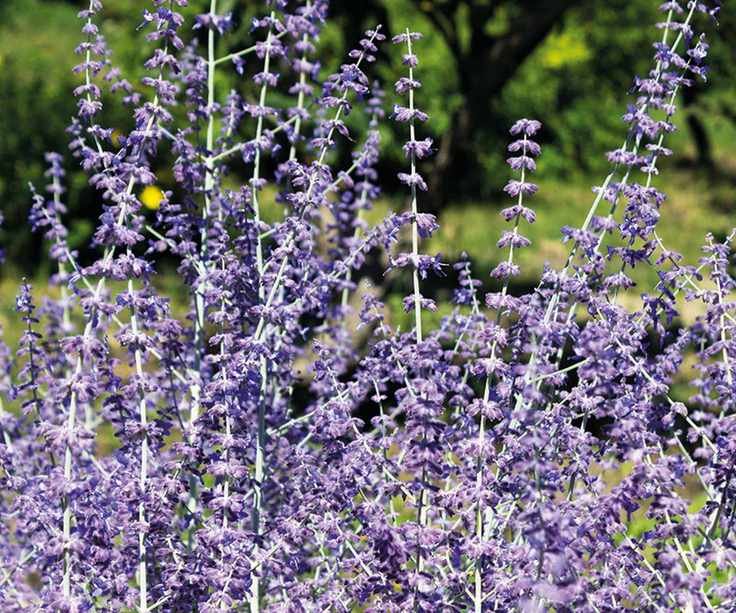
Russian sage requires specific soil conditions, thriving in well-draining potting mixes. Avoid garden soil as it retains too much moisture, which can lead to root rot.
A suitable mix combines quality potting soil with up to 30% coarse sand or perlite (you can find Miracle-Gro perlite online).
3. Ensure Sufficient Sunlight
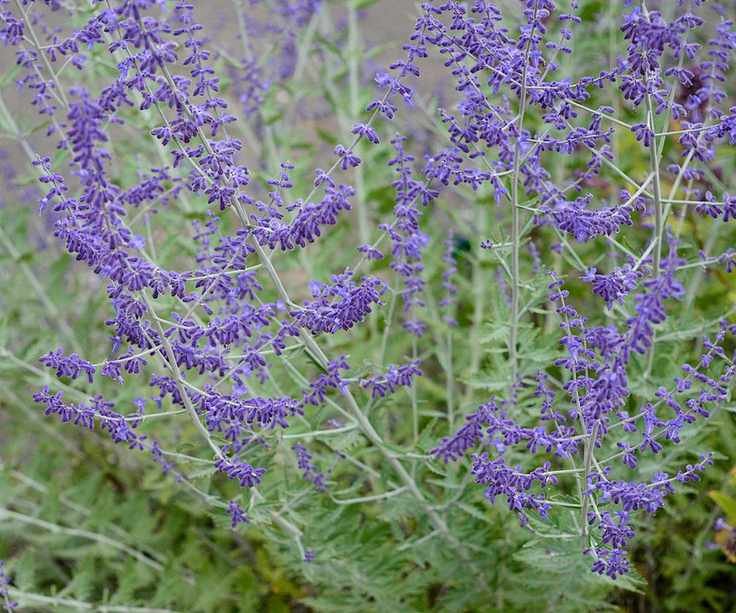
Russian sage thrives in sunny locations, requiring 6-8 hours of sunlight daily. While containers may need more watering in sunny spots, this light is essential for producing sturdy stems and abundant blooms.
In extremely hot zones, consider providing afternoon shade to protect the plant from intense heat. Otherwise, full sun is paramount; lack of sunlight can cause stems to flop and reduce flowering.
4. Water Wisely
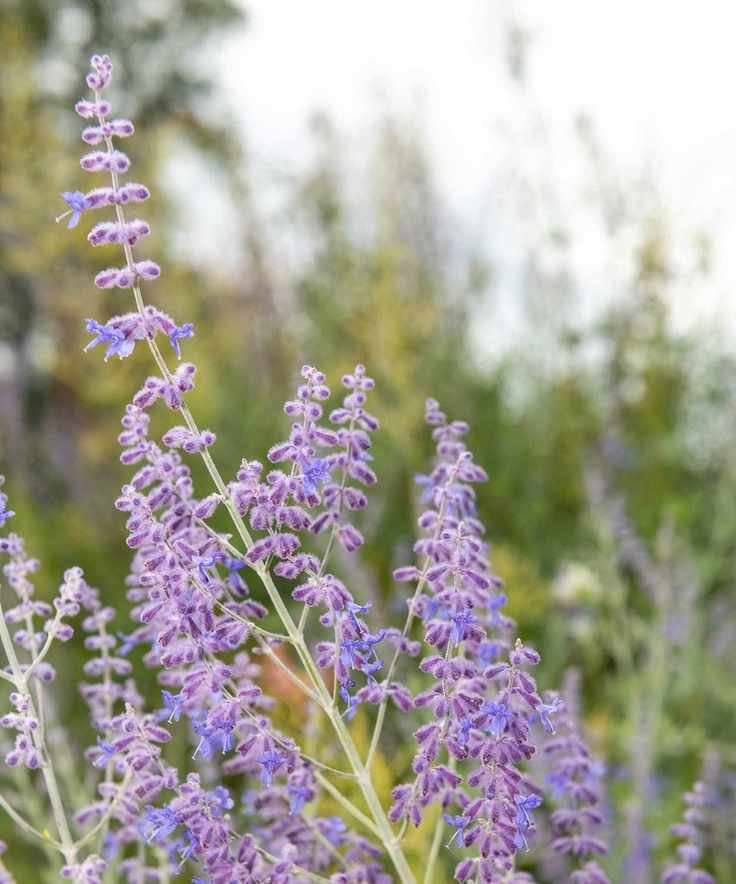
Watering requires careful attention. While Russian sage is drought-tolerant when planted in the ground, container plants need regular moisture. Monitor soil dryness and water thoroughly during dry spells.
A soil moisture meter, such as this moisture meter available online, helps gauge when to water. Alternatively, check soil moisture with your fingers; if the top 2-3 inches feel dry, it's time to water.
When watering, apply enough until it drains from the bottom. Avoid overwatering, as this can lead to root rot.
5. Fertilize Appropriately
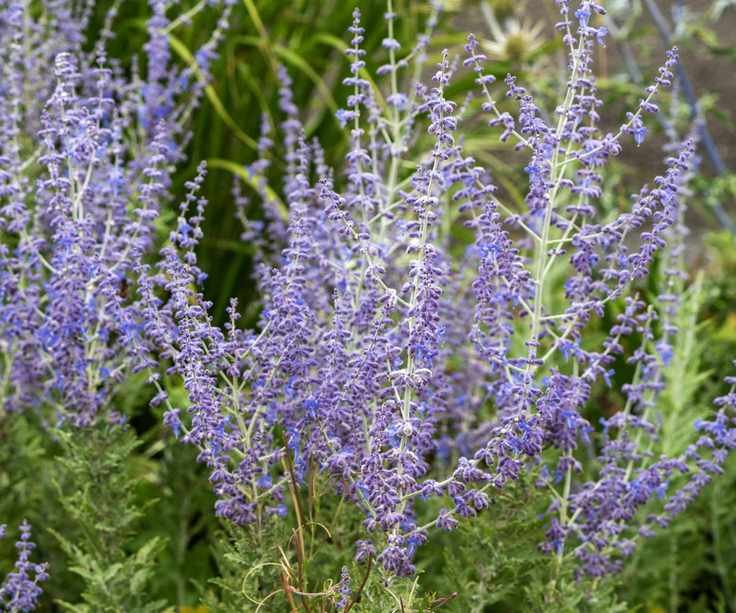
Russian sage thrives with minimal fertilization. Over-fertilizing can lead to leggy growth and fewer flowers. A handful of slow-release fertilizer at planting can support the plant's first year.
In subsequent springs, consider using a balanced, slow-release fertilizer like this organic option available online. If your plant appears to need a boost during summer, a diluted liquid fertilizer can also help, but remember, less is more.
6. Properly Overwinter Your Plants
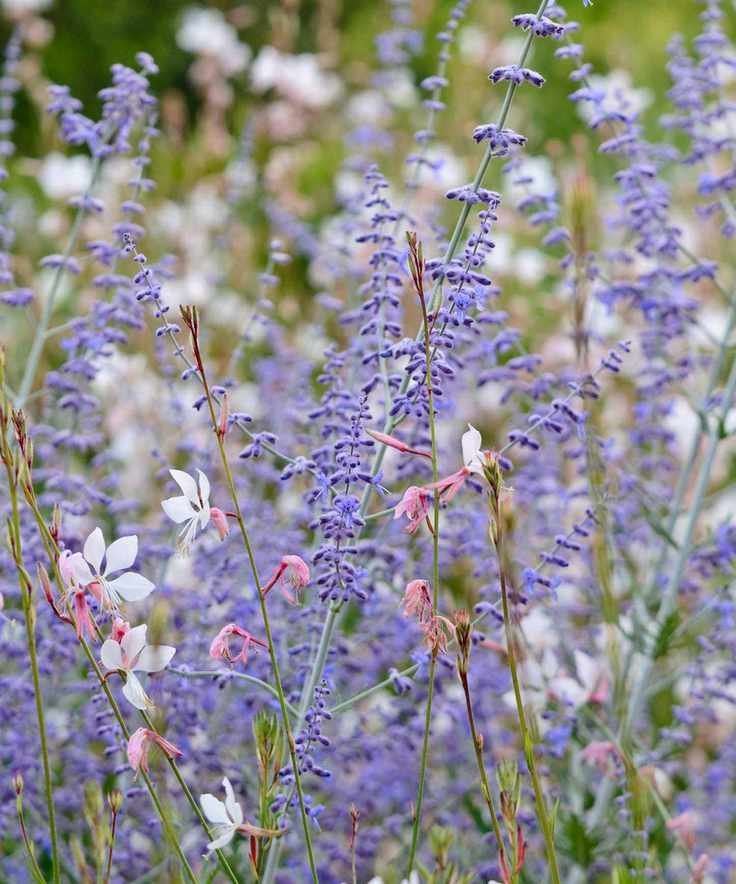
Russian sage is hardy in zones 5-9. In colder areas, you can either treat it as an annual or take steps to overwinter it. It's preferable to overwinter it, as it's quite simple.
To protect it from frost, move the containers to a sheltered area or bring them indoors to a frost-free space. For those left outside, cover pots with mulch or wrap them in frost cloth for insulation.
Regularly check containers throughout winter; the soil should not dry out completely, but be cautious of overwatering.
At the end of the growing season, cut back Russian sage to 6-12 inches above the ground in early spring. This keeps the garden looking nice in winter and provides food for birds.
Utilize pot feet to elevate containers and promote drainage. These are typically made of durable rubber and come in packs.
Protect your plants from cold weather with frost cloths made from breathable fabric, offering protection down to 28°F.
Quality pruning shears like the Felco 5 are essential tools for maintaining healthy plants.



