

Verbena is a stunning group of herbaceous perennials known for their abundant flowers. Many gardeners cherish verbena not just for their beauty, but also for their ability to attract butterflies, hummingbirds, and other pollinators. Determining whether to deadhead your verbena flowers depends on the specific variety you're cultivating and your personal gardening style.
Fortunately, growing verbena is quite simple and requires minimal effort from gardeners. If you seek easy-care options for your garden, the tall and striking Verbena bonariensis should be at the top of your list. This variety grows vigorously, leading to the common question: should you deadhead or not?
Here, we clarify the deadheading debate surrounding verbena and provide straightforward steps for those who wish to deadhead their plants.
Which Verbena Varieties Should You Deadhead?

Whether or not to deadhead largely depends on the variety of verbena you have. Most perennial varieties bloom all summer long until the first frost, making deadheading unnecessary.
Some types of verbena thrive with deadheading, resulting in longer and more abundant blooms. These include:
Trailing verbena. This variety benefits from deadheading, which not only encourages new blooms but also helps prevent legginess, allowing the plant to focus on healthy growth.
All annual varieties of verbena. Regular deadheading promotes bushier growth and additional flowers. If left untouched, they can appear scraggly. Throughout the growing season, be sure to deadhead regularly once flowers have faded.
While many other verbena types may not need deadheading for increased blooms, some gardeners prefer to do so for visual appeal, keeping their garden tidy.
If you prefer a clean, minimalist look, you'll likely find yourself trimming those droopy flowerheads. Rest assured, deadheading will encourage your verbena to continue thriving and blooming beautifully all summer.
Conversely, if you embrace a more natural, wild aesthetic, consider leaving your verbena untrimmed. This practice supports wildlife and allows the plants to self-seed, contributing to the ecosystem.
When Should You Deadhead Verbena?
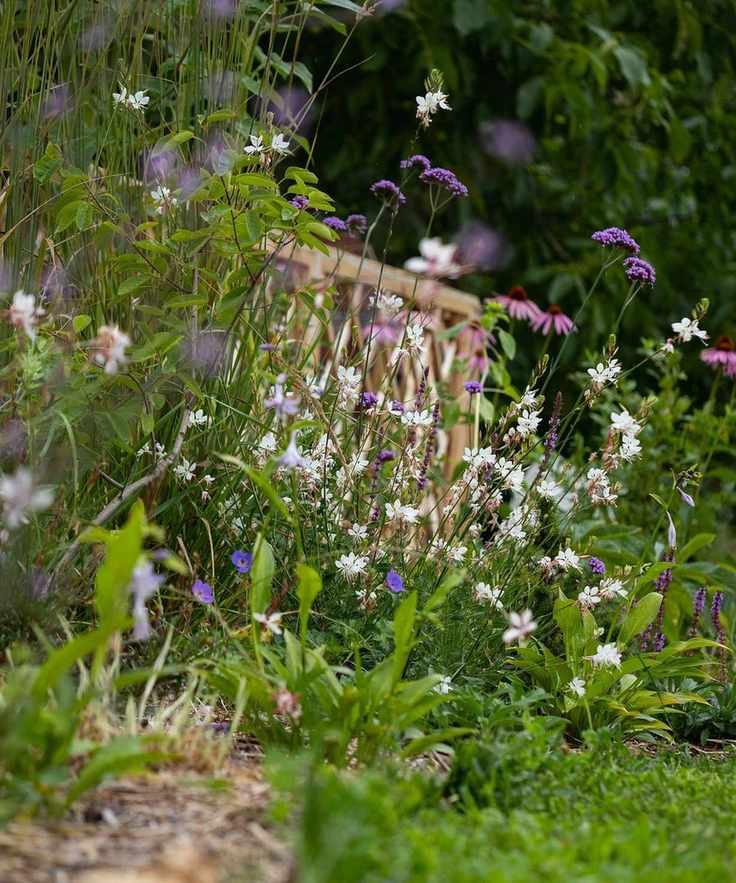
Should you choose to deadhead, your plants will flourish! The ideal time to begin is when the first wave of blooms starts to fade early in summer.
If left untrimmed, certain verbena varieties may invest energy in seed production instead of new flowers. To ensure a continuous display of color, deadhead as soon as the first blooms begin to fade.
You can continue to deadhead throughout summer, but after the initial trimming, it's typically unnecessary, as the plants will flower until the first frost.
If your upright verbenas grow too tall, feel free to trim them any time during the summer. They will respond well and maintain their beautiful blooms at a more manageable height.
Steps to Deadhead Verbena

Deadheading verbena is straightforward.
First, check that the flowers are indeed spent. Look for those that appear faded or limp, indicating they are ready to be cut back, allowing new blooms to emerge.
Always use clean gardening shears or snips to avoid transferring diseases. One common mistake is neglecting this crucial step.
Gently cut the upper portion of the plant, making sure not to remove more than one-third. Trim just behind the spent flower, being careful not to cut further down the stem.
After deadheading, simply ensure the plant is watered and fed appropriately, and you'll soon see new buds forming.
Essential Tools for Deadheading
Darlac Garden Snippers
These compact snips are ideal for delicate pruning and quick deadheading. Their rounded tips help prevent damage to surrounding growth.
Kouboo Vegetable & Flower Wicker Basket
If you envision gathering flowers in a basket while tending to your garden, this is a worthwhile investment ahead of summer.
Espoma Organic Plant Food
After deadheading, providing nutrients is essential for encouraging new blooms. This organic, slow-release formula won't burn or leach away, making it perfect for verbena.
Consider starting verbena from seed, which is easy and cost-effective. Remember, there are over 200 species of verbena, each with unique growing needs based on various US hardiness zones.
If growing from seed seems daunting, learning how to take cuttings is an excellent alternative, allowing you to propagate more plants without needing to visit a garden center.



