
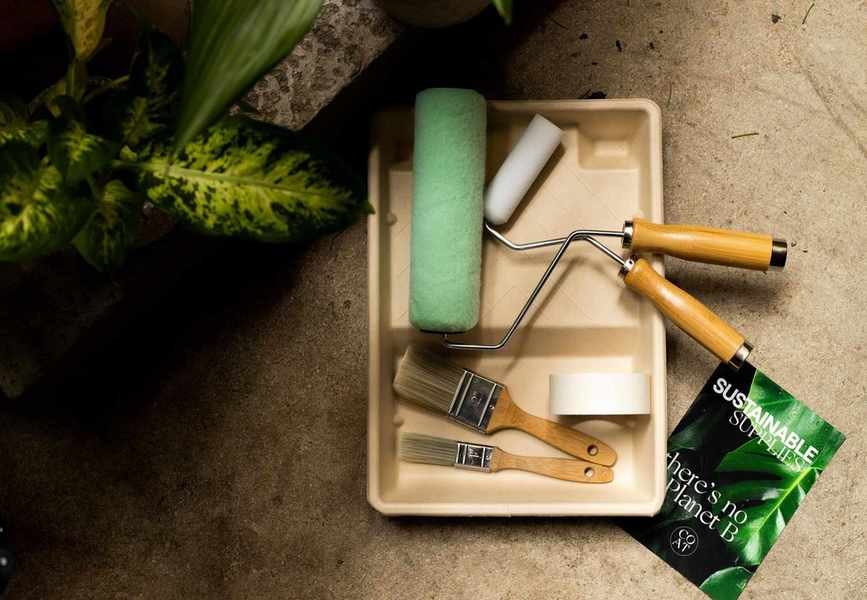
Milk paint might seem like a child's craft supply, but it's actually a fantastic eco-friendly option compared to traditional acrylic paints. This unique mixture combines milk paint powder with water for a durable finish that's gaining popularity among DIY enthusiasts.
Creating and using milk paint in your home can lead to quick, effective home upgrades.
Understanding Milk Paint
This eco-friendly paint is crafted from natural components, including milk protein, lime, clay, and mineral pigments, mixed with water to form a safe yet strong alternative to acrylics. It yields vibrant colors that resist fading.
Milk paint is versatile, perfect for various projects—from revamping wooden furniture to applying it on walls. As one of the oldest paint types, its natural formulation makes it suitable for children's bedrooms, playrooms, and nurseries.
A significant advantage is that it eliminates the need for a primer, and it dries quickly, making it ideal for many DIY endeavors.
Powdered Milk Paint | View at Amazon
Available in various sizes and colors, this powdered milk paint is great for home improvements and furniture makeovers.
Where to Apply Milk Paint
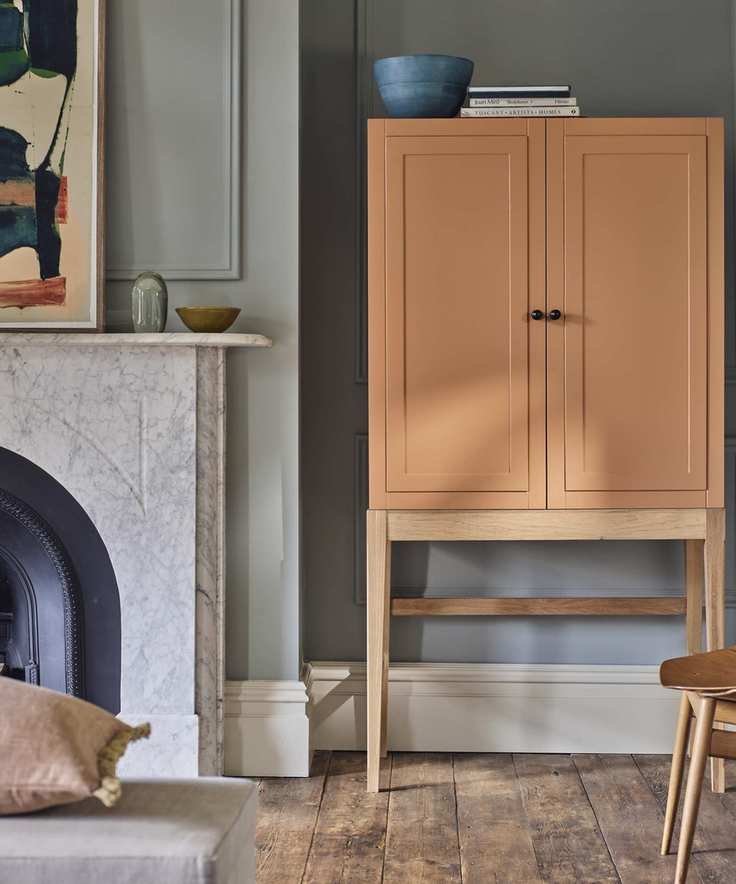
You can use milk paint anywhere traditional paint is suitable. However, its slightly distressed appearance is particularly charming on wooden furniture like chests, buffets, chairs, desks, tables, and dressers.
Milk paint isn't limited to upcycling; it can also be applied to glass, plastic, plaster, and metal surfaces, both indoors and outdoors, without needing prior sanding or priming.
Kathy Owen from Petticoat JUNKtion advises considering the original finish of the furniture. 'Highly varnished pieces may chip significantly, while lacquered surfaces can chip off entirely,' she notes. 'Use a bonding agent for better adhesion on those surfaces.'
'Just have fun and go with it,' Kathy encourages. 'It's just paint, and you can always redo the project.'
Milk Paint Finishes
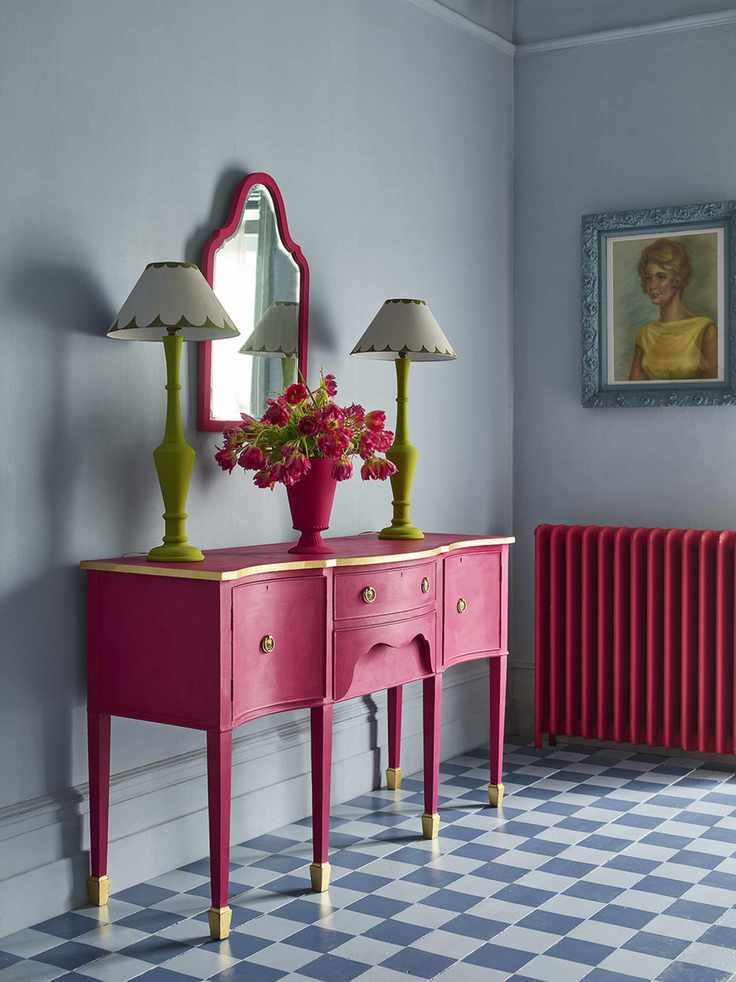
Unlike uniform acrylic paints, the finish of milk paint varies depending on the surface and application method. On wood, it achieves a rustic, worn appearance, while on non-porous surfaces like plastic, it can appear shinier.
These variations add to the charm of milk paint, according to Michelle, a furniture painting expert behind @brushedrevivals on Instagram:
'Painting with milk paint is a joyful experience,' she expresses. 'The unique tones and imperfections are what make it special. There's no need to worry about streaks or chips!'
Additionally, you can blend different milk paint pigments for a custom color, perfect for giving a fresh look to your tired furniture.
Paintbrush and Roller Set | View at Walmart
This compact brush and roller set is perfect for applying milk paint on furniture projects.
Mixing Milk Paint
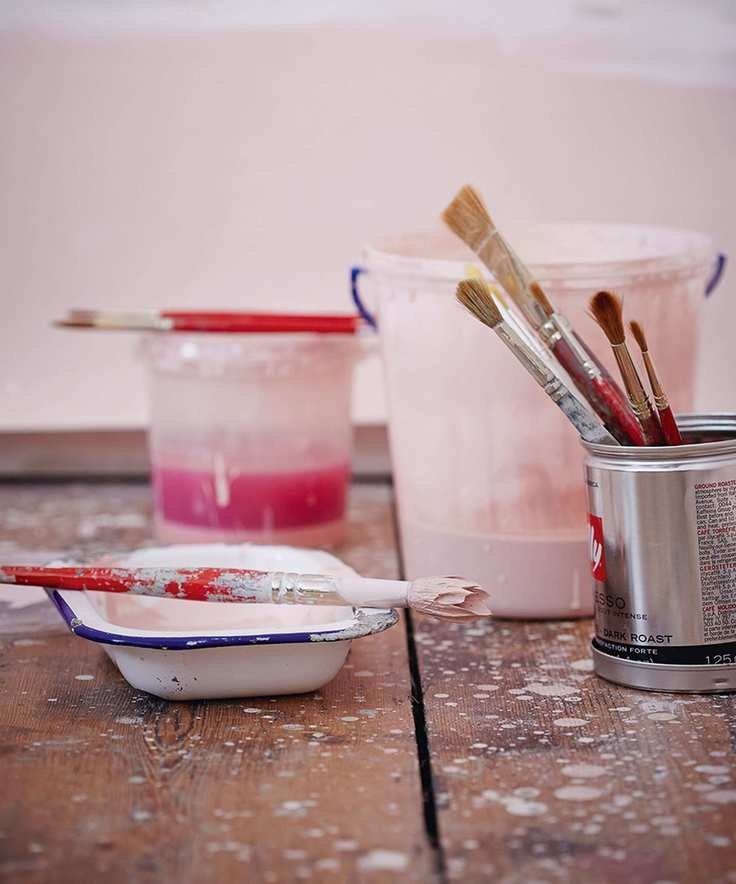
While mixing milk paint may seem like an extra task, it's quite straightforward. According to milk paint specialists Homestead House, 'Simply blend the milk paint powder with water as specified on the package, and you're ready to paint. It's that easy!'
The best part? Unmixed powdered milk paint has a long shelf life, remaining usable for future projects or touch-ups as it can last indefinitely when sealed properly.
For small jobs, using a repurposed jam jar to shake the mixture is effective, while a whisk works well for larger batches.
Common Questions
What's the difference between milk paint and chalk paint?
While both are popular for furniture, milk paint and chalk paint differ in composition. Chalk paint is thicker due to ingredients like calcium carbonate, which can lead to streaking if not sealed. In contrast, milk paint is thinner and requires mixing with water before use, making it easier to achieve a smooth finish with the right tools.
Is milk paint permanent?
Once dried, milk paint is permanent until you choose to repaint or sand it away, similar to modern paints. Be cautious, as it can stain clothing and upholstery, so protect areas you don't want to color.
Milk paint is trending, and for good reason. If you're considering a furniture upgrade or a room refresh, give milk paint a try. It's a sustainable choice that benefits both your home and the environment.



