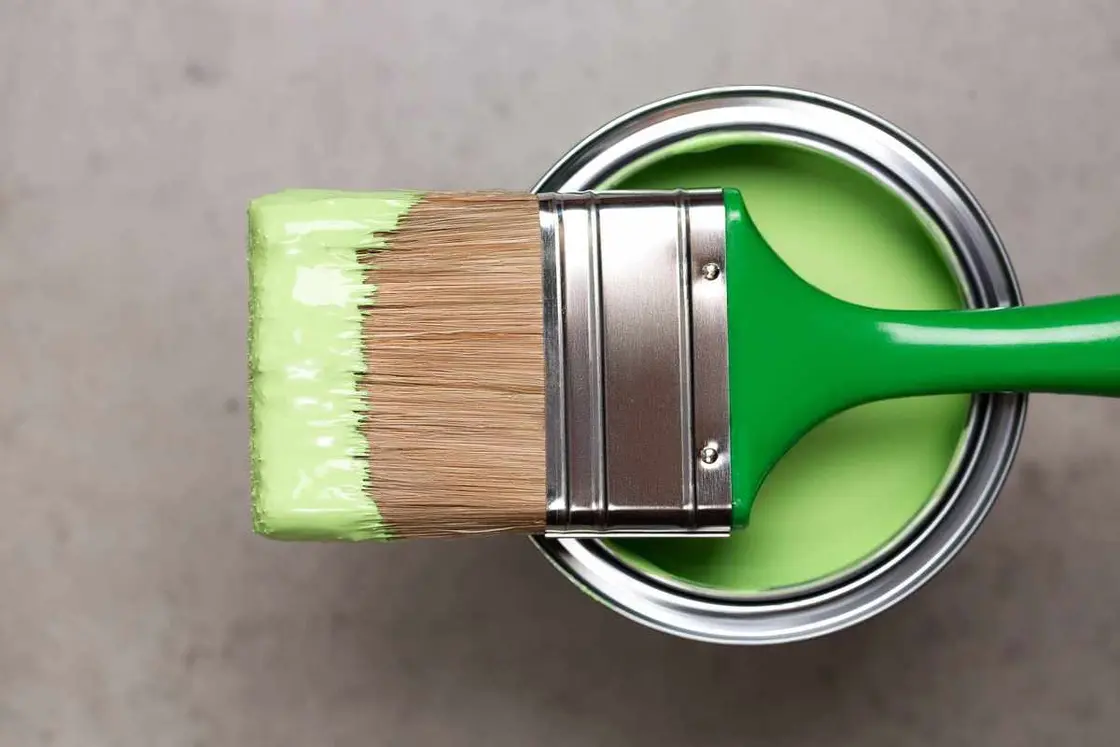
Choosing eco paint comes with numerous advantages. These specially formulated paints contain lower levels of volatile organic compounds (VOCs), which translates to fewer toxins—a boon for those sensitive to chemicals.
You won't encounter the overwhelming odors associated with traditional paints, and they contribute to reducing landfill waste and harmful contaminants in groundwater. Eco paints deliver impressive coverage, are easy to maintain, and effectively hide imperfections.
James Greenwood, a paint expert, emphasizes the importance of selecting water-based paints, which emit less VOCs compared to solvent-based options. 'Reducing VOCs is crucial for both health and environmental safety,' he advises.
Understanding Eco Paint
So, what exactly defines eco-friendly paint? Primarily, it is designed with reduced VOC levels. The Environmental Protection Agency notes that VOCs can lead to various health issues, such as irritation, headaches, and fatigue.
Most eco-friendly paints are water-based and have no carbon footprint. Their natural ingredients are biodegradable. In contrast, non-eco-friendly paints often fall under household hazardous waste regulations, especially latex or oil-based varieties, requiring careful disposal. Eco paints, however, utilize materials like clay, milk paint, limewash paint, and paints made from natural minerals and plants.
Advantages of Eco Paint
There are compelling reasons to opt for eco paints over traditional options. They have a minimal environmental footprint, are biodegradable, and contain either negligible or zero VOC levels, making them safer for health. These paints produce no harmful emissions during manufacturing or application, plus they have a low odor due to their natural components. Cleaning paintbrushes and rollers is straightforward, requiring only water instead of harsh solvents.
When selecting an eco paint, ensure it is water-based, odor-free, and low in VOCs. Many manufacturers also focus on minimizing their production impact and packaging waste.
Differences Between Eco and Regular Paints
According to furniture designer and eco advocate Sebastian Cox, the main distinction between eco paints and traditional options lies in the absence of strong paint odors.
He recalls, 'Opening a tin of paint with no scent was almost surreal. We leaned closer to the Ochre yellow to confirm it was real.'
Identifying the Best Eco Paints
'What should we prioritize when assessing paint durability and sustainability?' asks Cox. Unlike organic food, there are no strict regulations governing