
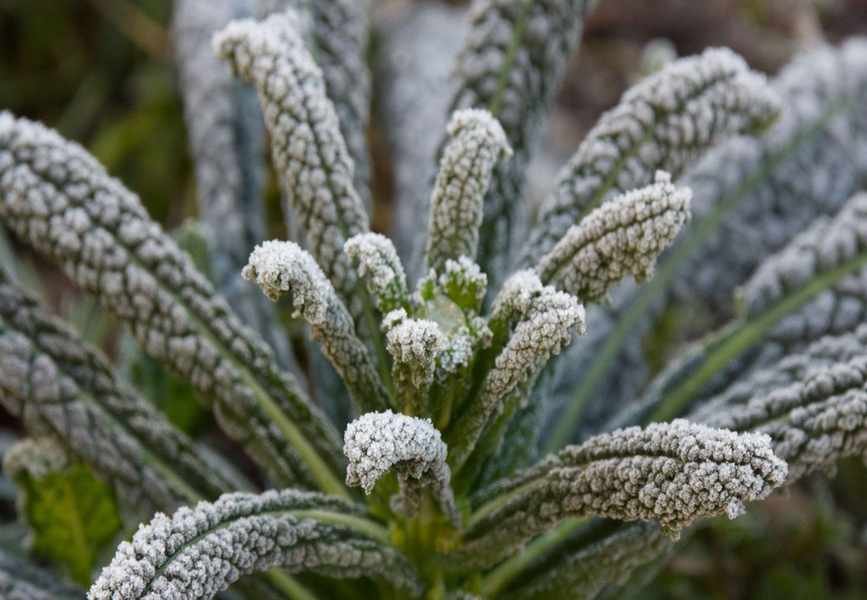
Freezing temperatures can severely damage vegetable crops, but there are effective ways to shield them from frost.
Whether you're preparing for the first frost in fall or shielding young plants from late spring chills, various store-bought products and homemade solutions can help your vegetables thrive.
Having worked across many vegetable gardens in the UK, from the southwestern regions to the northern borders, I've learned that frost dates can differ significantly. This means planning protection for vegetables is crucial, especially against late spring frosts. You'll find numerous quick and simple methods to safeguard your vulnerable crops.
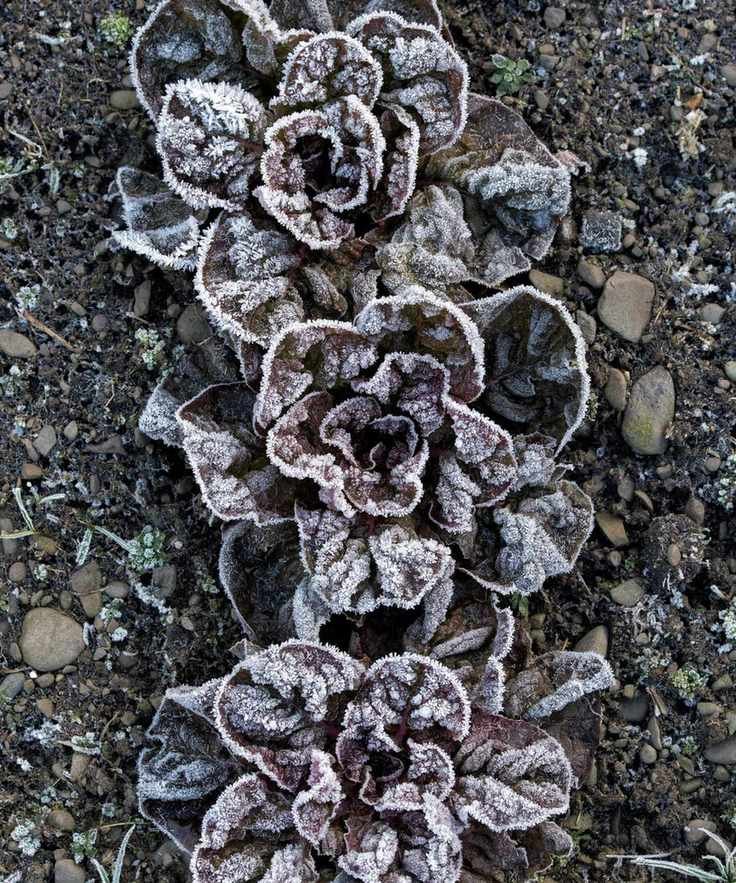
Lettuce can endure light frost
6 Effective Strategies to Protect Vegetables from Frost
Frost dates vary by location, so understanding your local hardiness zone is essential. Some crops require protection, while others are more frost-resistant. A light frost between 28˚F and 32˚F might not cause significant damage, but a hard frost below 28˚F can be harmful. Late spring frosts, especially after transplanting seedlings, can be disastrous.
Some vegetables, like parsnips, actually improve in flavor after a frost, as cold temperatures convert starches into sugars. Other crops, such as celeriac, leeks, brussels sprouts, and kale, also taste better post-frost.
Here are several methods to help protect your vegetables from frost.
1. Use Fleece
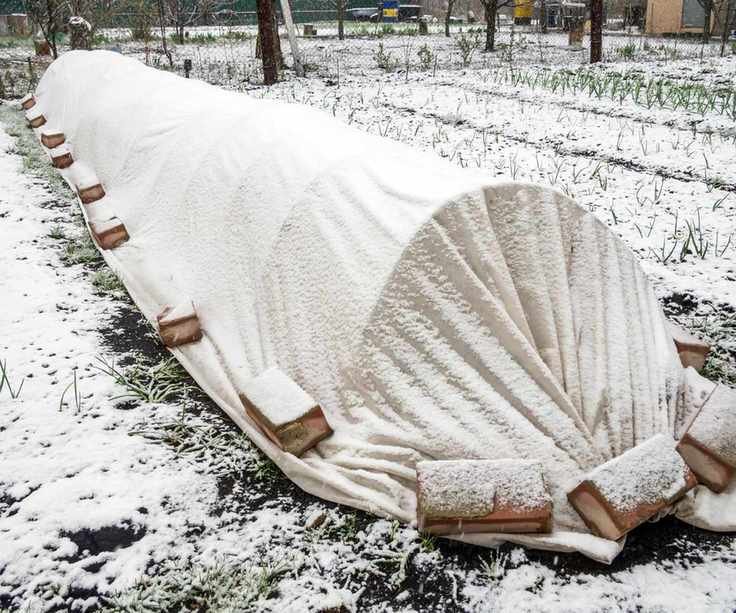
Row covers insulate plants effectively
Covering your crops with a layer of insulating material can help them survive frost. Options include horticultural fleece, a lightweight fabric, and row covers made from fabric or polyethylene that can last multiple seasons. Both types can raise the temperature around your plants by a few degrees. For instance, you might find 10x30 ft winter plant protection covers available on Amazon.
Fleece can maintain temperatures up to five degrees warmer than the outside air, while plastic materials can be up to ten degrees warmer. These covers allow light and moisture to reach the plants while insulating the soil.
2. Utilize Old Bed Sheets
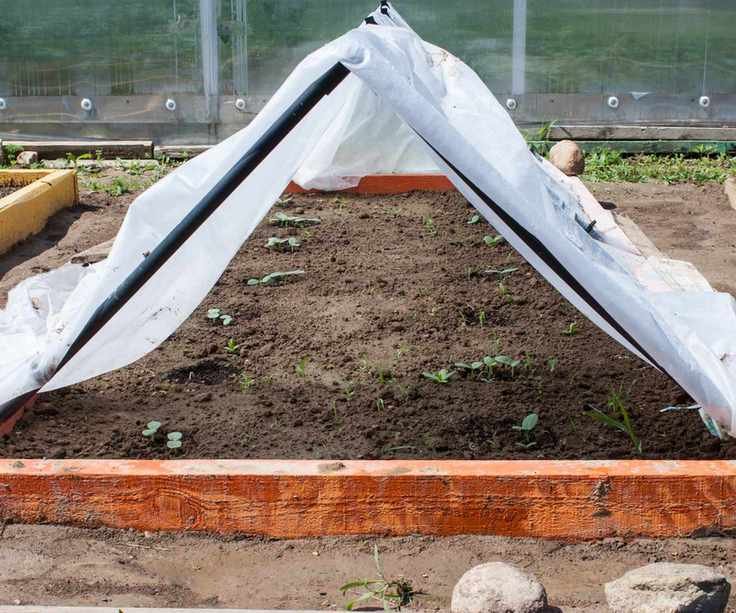
Sheets can be elevated to cover seedlings
If you prefer not to buy specialized covers or need a quick homemade fix, old blankets or sheets can serve as temporary protection. These options may not allow as much light as fleece or translucent plastic.
Heavier materials should be propped above the plants using hoops to prevent crushing, especially for seedlings.
3. Apply Cloches
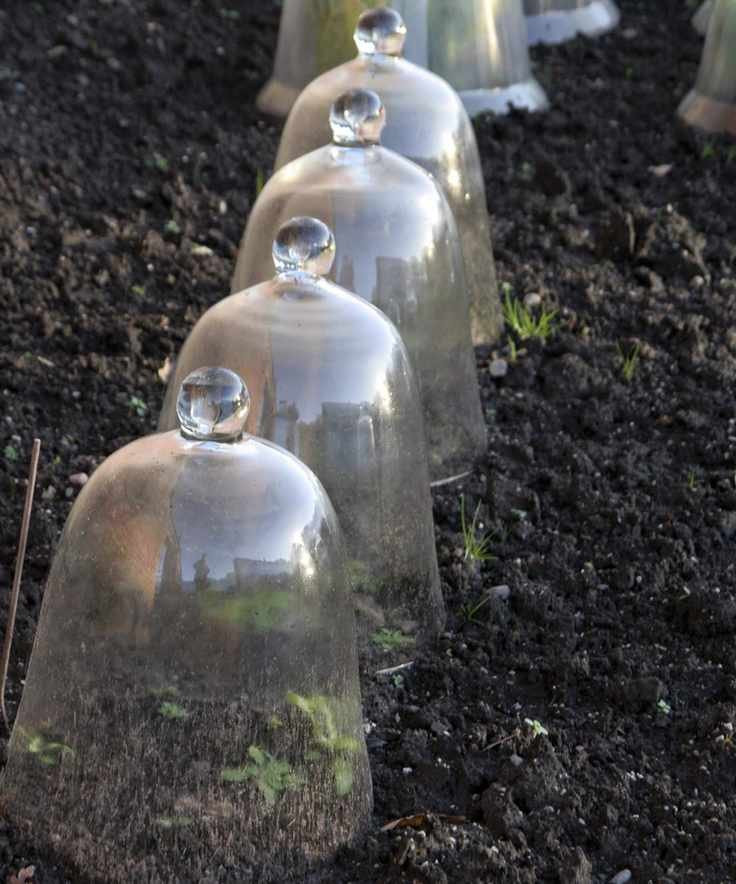
Cloches create a warm, sheltered environment
Cloches, which are bell-shaped covers, are excellent for protecting young plants. These can be placed over individual seedlings or small clusters to create an insulated space that retains heat from the soil.
Typically made from glass or plastic, cloches should be placed over plants at night and removed during the day. You can buy garden cloches or craft your own from plastic bottles or milk containers. Reusable options include Plant Protector Covers available on Amazon.
4. Relocate Pots
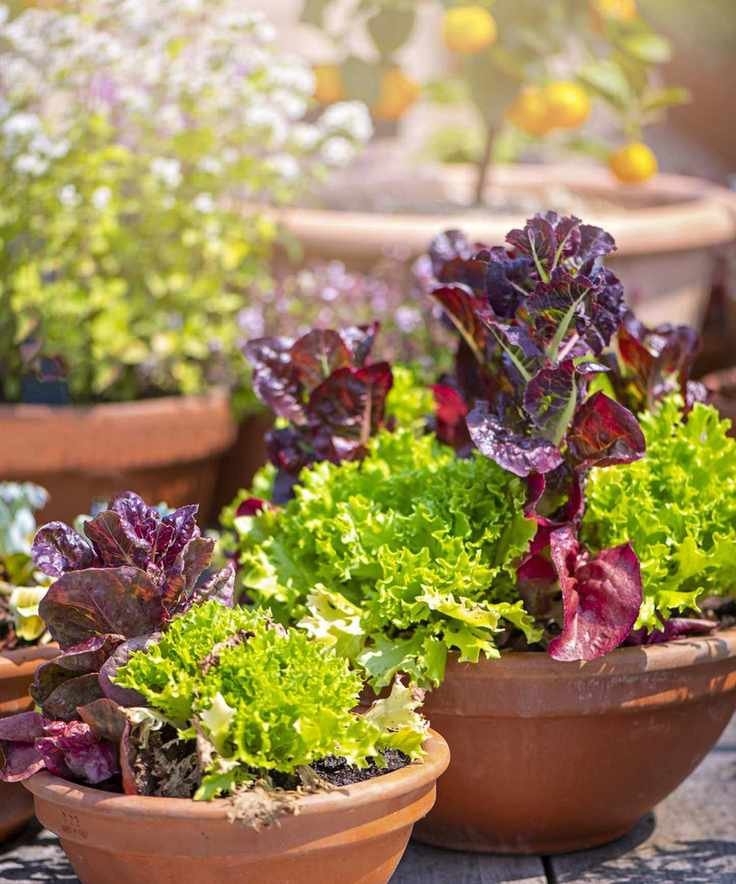
Move potted vegetables to a safer spot
For potted vegetables, relocate them indoors or to a sheltered area during winter. Container plants are more vulnerable to frost since their roots aren't as insulated as those in the ground.
Cover individual pots with fleece or bubble wrap or simply bring them undercover when frost is expected. If you move them, avoid heated spaces like greenhouses, as sudden temperature changes can shock the plants. A shed or garage is a better choice.
5. Apply Mulch
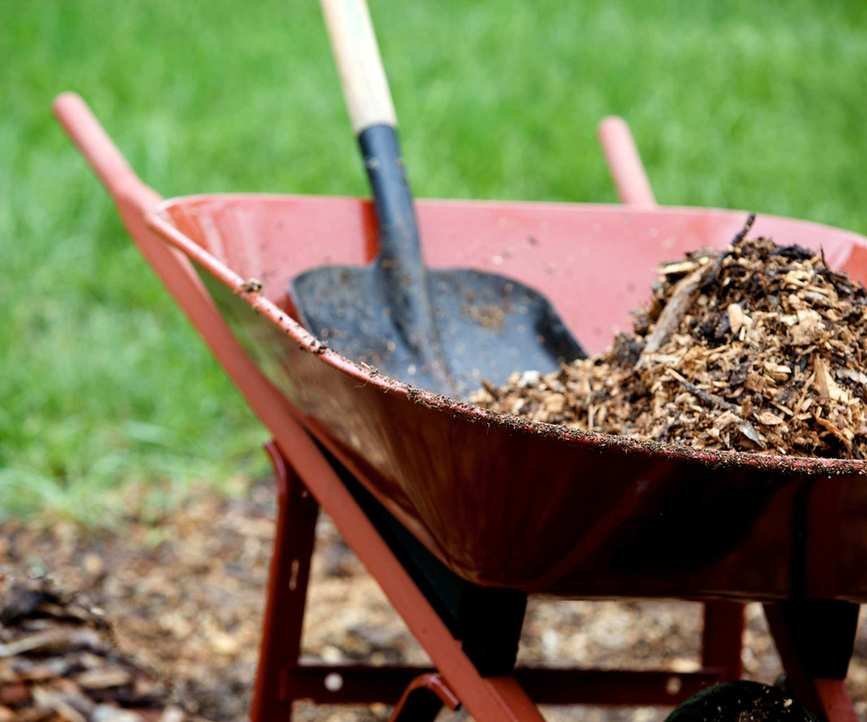
Mulch helps maintain stable temperatures
A thick layer of mulch around your plants helps insulate and keep them warm. Winter mulch stabilizes soil temperature, preventing the damaging freeze-thaw cycle that can uproot plants.
Straw is an ideal material for mulching vegetables in the ground, as it's lightweight and easy to manage. It keeps the soil warm, making it easier to harvest root vegetables like parsnips and carrots. For perennials like asparagus or rhubarb, apply a thick layer—about three inches—of compost, leaf mold, bark chips, or shredded bark.
6. Water the Soil

Watering before covering helps protect plants
Surprisingly, watering your plants can aid in frost protection. Moist soil retains heat better than dry soil.
Watering in the morning before a frost can allow the soil to absorb heat throughout the day, which it can then release at night to insulate the plants. For added protection, water before applying any covers.
Common Questions
Which Vegetables Are Most Affected by Frost?
Not all vegetables are equally vulnerable to frost. Hardy varieties can survive, while others like squash, pumpkins, beans, cucumbers, eggplants, melons, peppers, and tomatoes are at risk, even from light frosts. Some crops, like potatoes, may be stunted by frost but can continue to grow.
What Should I Do in Case of a Late Frost?
Even with careful planning, late spring frosts can catch you off guard. If frost is forecast, act quickly. If you have fleece or row covers, use them. If not, be resourceful—water your plants thoroughly and cover them with anything available, such as lightweight blankets, homemade cloches, or even pots.
A frost can devastate vegetable seedlings in a garden. However, with some preparation and supplies, even unexpected frosts can be managed effectively.
Research your local frost dates and understand the hardiness of your plants to know which require protection from freezing temperatures.



