
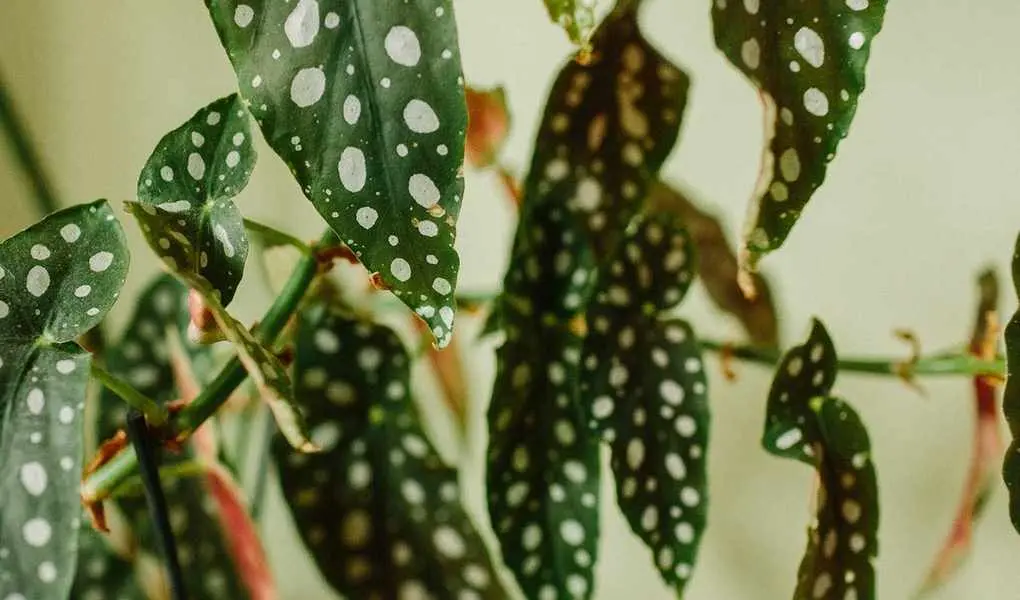
Q: I have several begonias in my collection and I'm curious about how to propagate them. What's the best method for this?
A: Whether you have begonias indoors or outdoors, there are several effective ways to propagate them. Most varieties can be successfully propagated using either leaf cuttings, which are best taken in early summer, or stem cuttings, which should be taken in spring. Additionally, tuberous begonias can be propagated by division in the spring.
The good news? All these methods are quite straightforward and will help you expand your collection of these gorgeous plants without spending a dime.

Begonias add a vibrant touch to your living space
How to Propagate Begonias by Taking Leaf Cuttings
Taking leaf cuttings may seem unconventional, but it's a viable method for many indoor begonias known for their stunning foliage, such as Begonia rex. 'You can use a whole leaf or cut it into sections,' explains gardening expert Tony O'Neill. 'If you choose sections, make sure each has a prominent vein.'
- 'Select a healthy begonia that is mature and free from disease,' advises Tony.
- 'Prepare a pot with a mixture of perlite and peat moss, ensuring it has good drainage,' he adds.
- Using sharp, clean pruners or scissors, remove a well-developed leaf.
- Trim the stalk and make several small cuts through the main veins, about 1 inch apart, to stimulate root growth, as suggested by the Royal Horticultural Society.
- Lay the leaf, vein-side down, onto the prepared potting mix. 'Use pins to secure it in place,' advises Tony.
- Lightly water the setup and place the pot in a spot with bright, indirect sunlight. 'You may want to cover it with plastic to create a mini greenhouse effect that maintains humidity,' Tony suggests.
'In a few weeks to a couple of months, you should see new growth, which indicates successful propagation,' Tony says.

How to Propagate Begonias by Taking Stem Cuttings
Stem cuttings are another popular propagation method, applicable to various plants, including rubber plants, monstera, and pothos. This technique works just as well for begonias and is easy to master:
- 'Cut a healthy stem just below a leaf node, aiming for a length of about 3-4 inches,' says Tony.
- 'Remove the lower leaves, leaving 1-2 leaves at the top,' he continues.
- Insert the stem into a pot filled with well-draining potting soil, burying about half of it.
- Just like with leaf cuttings, water it lightly and place it in a warm area with bright, indirect light.
'Keep watering the cutting as the top half of the soil dries out,' suggests houseplant expert Vladan Nikolic. 'You can expect new roots to emerge within 2-3 weeks.'
'To check for root development, gently tug on the stem. If you feel resistance, the roots are likely forming,' he adds.

Stem cuttings can be successfully potted into soil
How to Propagate Tuberous Begonias by Division
For outdoor begonias, particularly the tuberous type, dividing them in early spring can yield new plants. Gardening expert John Negus shares his step-by-step guidance on how to do this:
- Using a sharp, sterilized knife, carefully slice the tubers into sections that have sprouts.
- Dust the cut edges with rooting powder (such as the Bonide Bontone II Rooting Powder from Amazon, which has great reviews).
- Allow the cuts to dry for half a day to prevent infection.
- Plant the tuber sections with the crater side facing up into seed trays filled with gritty potting compost. Water them in and maintain a temperature of around 61°F for optimal growth.

Frequently Asked Questions
Can You Propagate Begonias from Seeds?
Some begonia varieties, like wax begonias, can be grown from seeds, but keep in mind that the seeds are extremely tiny.
Sow them on the surface of seed compost (for example, Espoma's Organic Seed Starter Premium Potting Soil Mix from Amazon) in trays during late winter to early spring. Cover them with a clear plastic bag, plastic wrap, or a humidity dome, and mist them if needed to keep the soil moist. Place them in a warm area with ample light, and transplant them once they are large enough to handle.
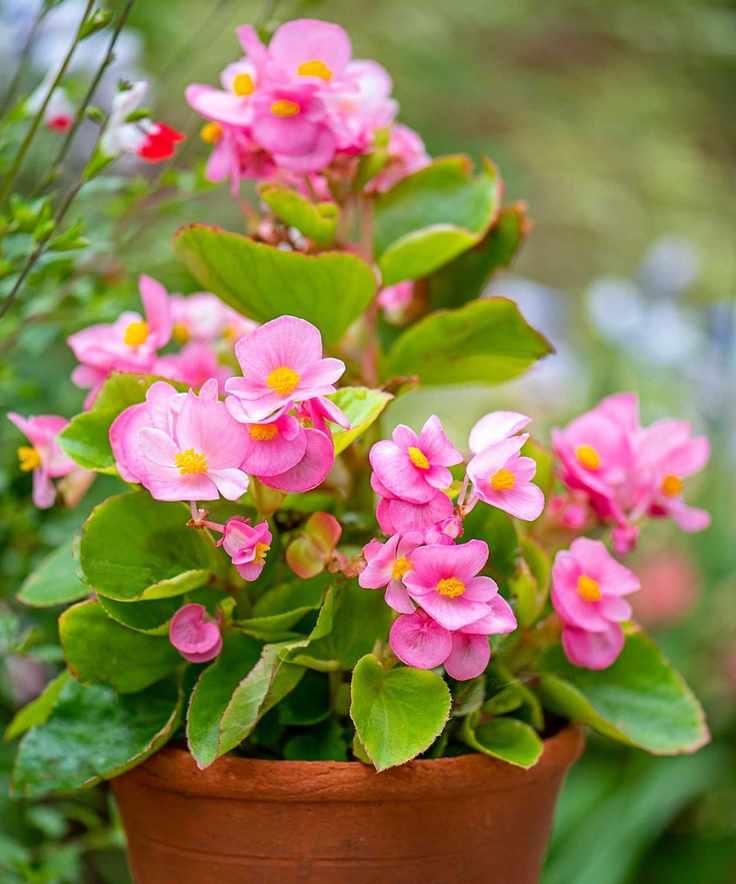
Wax begonias can be cultivated from seeds
Can You Propagate Begonias in Water?
If propagating from stem cuttings, you may opt to place them in small jars of clean water instead of soil. This method allows you to observe the root development as it happens. Just be cautious to avoid common water propagation pitfalls to maximize your success.
'Roots will typically form after 2-3 weeks if conditions are suitable,' states houseplant expert Vladan Nikolic. Once the roots reach 2-3 inches, it's time to transfer the cutting into soil.
After trying your hand at propagating begonias, consider expanding your skills to other houseplants as well. Aloes and succulents are particularly easy to propagate and can quickly multiply your indoor garden. Soon, you'll have an array of stunning new plants to enhance your living space, and any extras make thoughtful gifts.



