

Smart design is crucial in distinguishing between ergonomic kitchen layouts and those that merely check all the boxes without effective functionality. So, what truly constitutes the most efficient kitchen layout?
While aesthetics matter, practical kitchen layouts must prioritize ease of use, facilitate movement, and keep non-cookers from interfering with those who are preparing meals.
To determine which kitchen layouts excel in efficiency, we consulted interior designers and kitchen specialists who shared their insights on the most effective configurations.
Expert Insights on the Most Efficient Kitchen Layouts
The ideal kitchen designs create spaces that reflect your lifestyle and preferences. Choices about cabinetry and color often depend on personal taste and the overall character of the home.
However, an efficient kitchen must accommodate the number of people cooking and socializing in the area, whether it's a family gathering or hosting friends. Below, professionals detail which layouts best achieve this efficiency.
Working Triangle Layout
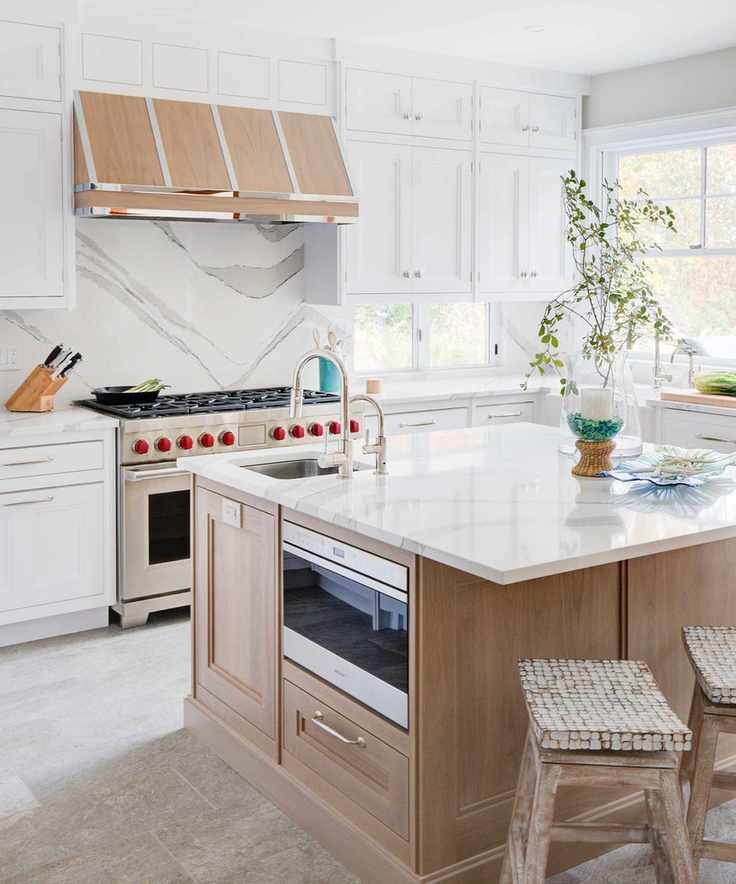
Starting with the working triangle is essential, according to a design expert. Bob Bakes, co-founder and design head at a leading cabinetry firm, emphasizes that kitchen layouts should revolve around key activity zones.
He explains, “The working triangle comprises preparation, storage, and cooking areas. Arranging the sink, prep space, range, and refrigerator in a triangular formation is a practical approach.”
Bakes also notes that while standardization is common, each kitchen layout varies based on space considerations. Modern kitchens often feature additional elements like secondary sinks and dishwashers, which enhance functionality. Maintaining symmetry can also contribute to balance in the design.
U-Shaped Design

Interior designer Artem Kropovinsky advocates for U-shaped kitchens in larger spaces. This layout provides ample countertop area, facilitating quicker workflows and is particularly suited for families that enjoy entertaining.
Tony Elliott, a kitchen and bath expert, concurs, stating, “For spacious rectangular kitchens, a U-shape is ideal. It offers extensive counter space and a functional work triangle, perfect for those who enjoy cooking or baking with others.”
Galley Kitchen
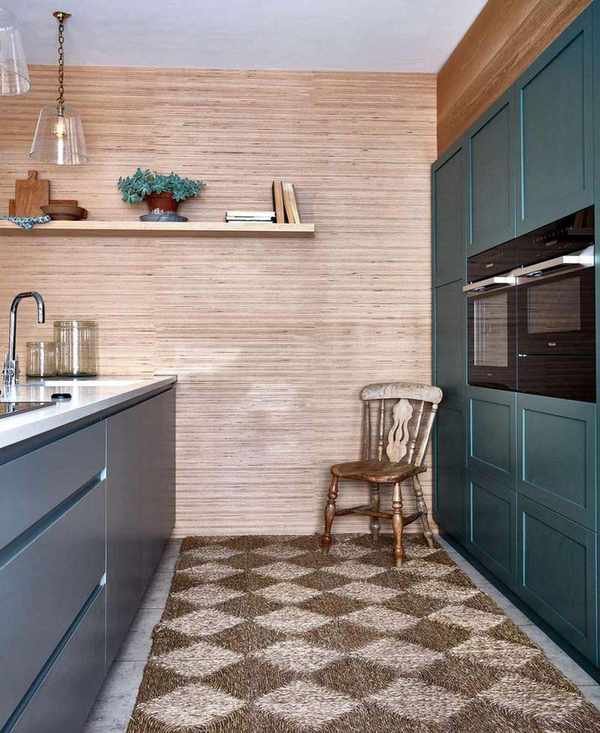
For narrow spaces, a galley kitchen is a practical choice, according to designer Keely Smith. She asserts, “A well-designed galley can feel spacious despite its linear form.”
Smith recommends prioritizing multifunctional features like shelves, pot racks, and pull-out organizers to maximize storage. Light, bright wall colors can also enhance the sense of space.
“Tall cabinets reaching the ceiling utilize every inch of vertical space, and if possible, adding a small café table can create a cozy dining nook,” she adds.
L-Shaped Layout

For medium-sized kitchens, Kropovinsky favors the L-shaped design. It offers a sense of openness and allows for a main work triangle with the sink, stove, and fridge in proximity, minimizing unnecessary steps.
Smith highlights that adding cabinets and countertops along both walls optimizes the rectangular space without wasting any area. Incorporating an island can also enhance prep and storage options.
Double Island Design

If space permits, a double island kitchen can be your most efficient option, according to Hebe Hatton. She explains that two islands can effectively utilize the floor area, with one designated for prep and the other for dining, making cooking and entertaining more seamless.
However, it's crucial to choose the right island size and maintain proper spacing rules to avoid common kitchen design pitfalls.
Space-Saving Kitchen Layouts
The most compact kitchen design is the single-wall layout. Ideal for narrow spaces, it arranges cabinets and appliances in a straight line, often with the refrigerator at one end. This layout is also functional in open-plan settings, such as small apartments.
When considering the most efficient layout, it's essential to evaluate the room's dimensions, shape, and how you typically use the space. With guidance from experts, you can avoid layout errors and select a design that maximizes your kitchen's potential.



