Bamboo adds a tropical flair to your garden with its vibrant foliage and elegant canes that dance in the wind. It's relatively straightforward to cultivate, though it can grow rapidly, especially in mild, wet climates.
According to gardening expert Anne Swithinbank, bamboo can become invasive if not managed properly. However, there are strategies to control its spread: carefully read labels before purchasing (clump-forming varieties are generally less aggressive than running types), install barriers if needed, consider using large containers, and promptly trim back unwanted new growth.
When maintained, bamboo is a fantastic addition, enhancing privacy as a living screen. This guide provides all the essential information for successful bamboo cultivation.
- Purchase bamboo plants from Garden Goods Direct
- Browse bamboo plants at Fast Growing Trees
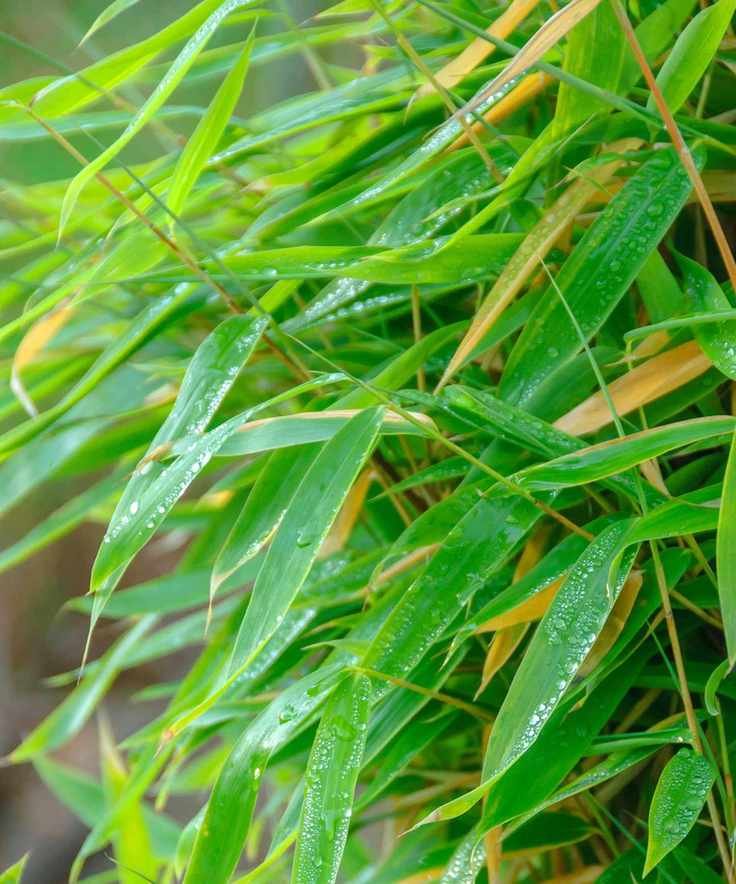
Bamboo showcases lush green leaves
Container Bamboo Cultivation
Smaller bamboo varieties thrive in containers, making them ideal for sunny patios or courtyards. Their upright form is perfect for privacy, and you won't need to fret about them overtaking your garden.
Gardening expert John Negus recommends the striking black-stemmed bamboo (Phyllostachys nigra), available at Fast Growing Trees. Begin with an 8-inch pot and gradually repot as the plant grows and requires more space.
Before planting, cover the pot's drainage hole with 3 inches of stones or crocks, followed by 4 inches of loam-based compost. Position the bamboo's rootball in the compost and fill in with more soil mix, ensuring the plant is at the same depth it was originally.
For maintenance, container bamboos appreciate a balanced fertilizer during the growing season (spring to fall). They will require more frequent watering compared to ground-planted varieties to prevent drying out.

With over 50 years of experience as a garden journalist, John regularly responds to readers' queries in Amateur Gardening magazine. He has authored four books and given numerous talks on gardening.

Bamboo in large containers creates a modern aesthetic
Ground Planting Bamboo
Bamboo can also be planted directly in the ground, but precaution is necessary, as some varieties can be quite invasive.
Anne recommends types of phyllostachys for gardens, particularly her favorite, P. bambusoides "Castillonii." These majestic plants feature canes in shades of olive green, black, or golden hues. They spread slowly through rhizomes, allowing for manageable control if monitored and pruned while young. Drier soil conditions can help limit their spread, and installing vertical or root barriers can also be beneficial.
Spring is the best time to plant bamboo, choosing a sunny or lightly shaded spot with moist but well-drained soil. After planting, add a layer of mulch to retain moisture. Ensure that the roots are adequately moistened before planting and water thoroughly.

With training from Kew Gardens and extensive experience in horticulture, Anne has been a freelance expert since 1986. She contributes to various publications and has been a panelist on BBC Radio 4's Gardeners' Question Time for nearly three decades.

Yellow-stemmed bamboo enhances pathways
Bamboo Propagation
John explains that bamboo cannot be propagated from cuttings but can be increased through suckers. Wait for new shoots to form around the clump, then carefully lift them with their roots.
Trim back stems to about 6 inches from the base and transplant suckers at the same depth they were originally. Adding grit to the planting area can aid the development of new roots.
Growing bamboo from seeds is another option, though seed packets are rare. If you manage to find some, sow them in trays on a compost and perlite mix, covering with a clear lid until germination. Provide good light and maintain a temperature above 50°F.
Once they reach several inches in height, John suggests moving them to 4-inch pots filled with loam-based compost for young plants, incorporating a quarter-part grit. Harden them off and when root-bound, plant them outdoors in nutrient-rich soil.
After two to three years, you'll be amazed at their height.
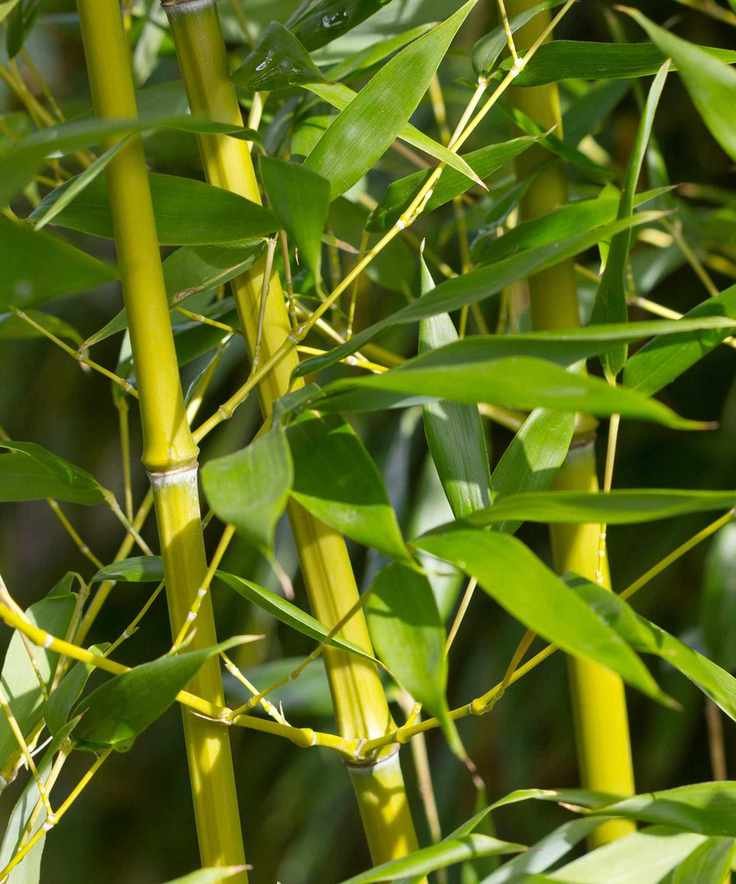
Bamboo plants can be divided for propagation
Bamboo Pruning Techniques
In spring, remove weak, dead, or damaged canes, and thin out overly crowded plants by cutting some stems to the base, says the Royal Horticultural Society. You can also shorten the tops of canes to control height and encourage new foliage.
Anne adds that cutting back side shoots can help highlight the main stems.
Common Questions
How can you divide bamboo plants?
Bamboo, whether in the ground or pots, can become dense over time, impacting growth. When this occurs, divide the plants and replant the sections individually.
John recommends dividing bamboo clumps in March or April when soil is warming. Prior to division, trim the section to be divided back to about 9 inches above the soil.
When is the best time to harvest bamboo canes?
Bamboo canes, when bundled with jute, serve as excellent supports for climbing plants such as sweet peas, beans, and other climbers. Harvest bamboo canes when they are at least two years old and have begun to harden, says John. He recommends treating the bases with wood preservative up to 12 inches deep to prevent rot.
Whether you're creating a Japanese-themed garden or incorporating these stunning plants into a contemporary container design, bamboo is a striking addition to various outdoor settings. Just be sure to choose less aggressive varieties and implement strategies to manage their growth.