Lemon trees add a touch of cheer to any home, balcony, or garden. Their glossy green leaves, delightful fragrance, and tempting fruit evoke sunny days and elevate moods.
Native to North Eastern India and China, lemon trees flourish in subtropical climates, thriving in full sunlight and well-drained soil. They grow best outdoors in USDA Hardiness Zones 9-11, reaching heights of 10-20ft (3-6m) and spreads of 10-15ft (3-4.5m). They can also thrive in containers indoors.
Learning to grow a lemon tree indoors is a rewarding challenge for novice gardeners, especially when they finally bear fruit. To keep your citrus plants healthy, follow these monthly care tips. (If you haven't chosen one yet, this stunning Meyer Lemon Tree is half price at Fast Growing Trees.)
This lovely Meyer Lemon Tree produces fruit with a delightful sweet-and-tart taste, growing up to 8ft tall in sunny spots.
Boost Growth with Fertilizer
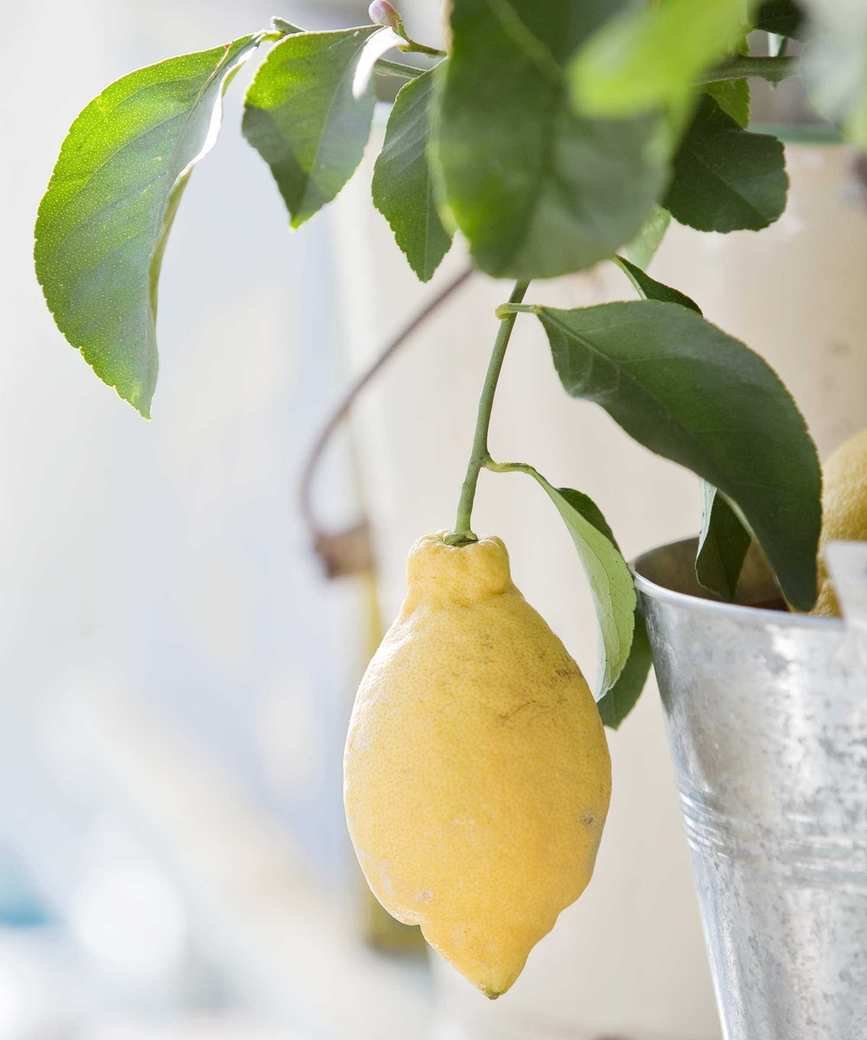
While caring for citrus trees might seem intimidating, fertilization isn't much different from feeding other plants. The key is to apply a specialized fertilizer consistently for rewarding results.
'You should fertilize citrus trees with a citrus-specific or balanced fertilizer every 4-6 weeks during the growing season (spring to early fall),' says plant expert Paris Lalicata. 'Using a slow-release fertilizer tailored for citrus can supply nutrients gradually as the trees develop.'
To simplify, Paris recommends The Sill's Lemon Tree Care Kit, which includes a year-long feeding plan with slow-release and liquid fertilizers, including trace elements and calcium to encourage flowering and fruiting.
'I've used this for a year on my lemon tree, and it's blooming beautifully with little lemons forming!' she adds.

Paris has spent nearly five years at The Sill, where she leads Plant Education and Community. A self-taught plant expert, she has over a decade of experience with houseplants and cares for more than 200 plants in her indoor garden.
It's Time to Repot Your Lemon Tree

April is an ideal month for repotting your lemon tree, and it's a straightforward process.
'Indications that a plant needs repotting include roots growing out of drainage holes, rapid water passage, or top-heavy, unstable growth,' explains plant expert Annie Morton. 'Spring is the best time to repot as plants begin their active growth phase.'
Choose a pot that is 25% larger than the current one. 'Only increase pot size by one step to prevent excess moisture retention, which could lead to root rot,' warns Annie.
Place a generous layer of horticultural grit from Amazon for drainage and fill a quarter of the pot with slightly acidic potting soil. Consider using Miracle Gro Cactus Citrus Potting Soil from Amazon. Soak the soil thoroughly and allow it to drain before carefully relocating the plant to its new container.
Ensure the top of the root ball sits 2 inches (5cm) below the rim. Fill any spaces around the root ball with soil, firming it until it reaches the main stem's soil level. Water well and let it drain.

Relocate Your Indoor Lemon Plant Outdoors

Citrus plants, being heat-loving subtropical natives, thrive best outside under full sunlight. In many areas, April marks the perfect time to reintroduce indoor lemon plants to the outdoors, as plant buyer Katie Sunderlage shares.
'Once frost danger has passed, gradually transition the lemon outdoors, providing it with at least 6-8 hours of full sun each day,' Katie advises. 'Bring it back inside overnight to help it adjust to the outdoor conditions. Once nighttime temperatures remain above 60-65F, it can stay outside continuously.'
If it's still too cool, keep the lemon indoors by a south-facing window that gets ample sunlight.
Consider using this outdoor thermometer from Amazon for temperature monitoring.

Katie, Operations Manager at Holland Group, oversees customer service and purchasing. With a background in horticulture earned in 2008, she's been in the green industry since 2005, sharing her passion for plants through various roles.
Inspect New Growth for Pests

While new growth is a positive sign, it can also attract unwanted pests like aphids, which can harm your lemon tree's health.
'Be proactive in checking for any pests on new growth. Early detection is key to maintaining a healthy plant throughout the season,' Katie suggests.
Annie adds, 'While watering, examine the undersides of young leaves, flower buds, and shoot tips where aphids often hide. A strong water spray can effectively remove them without harming the plant.'
Consider Hozelock's Multi Jet Spray Gun from Amazon for versatile spraying options.
Increase Watering Frequency
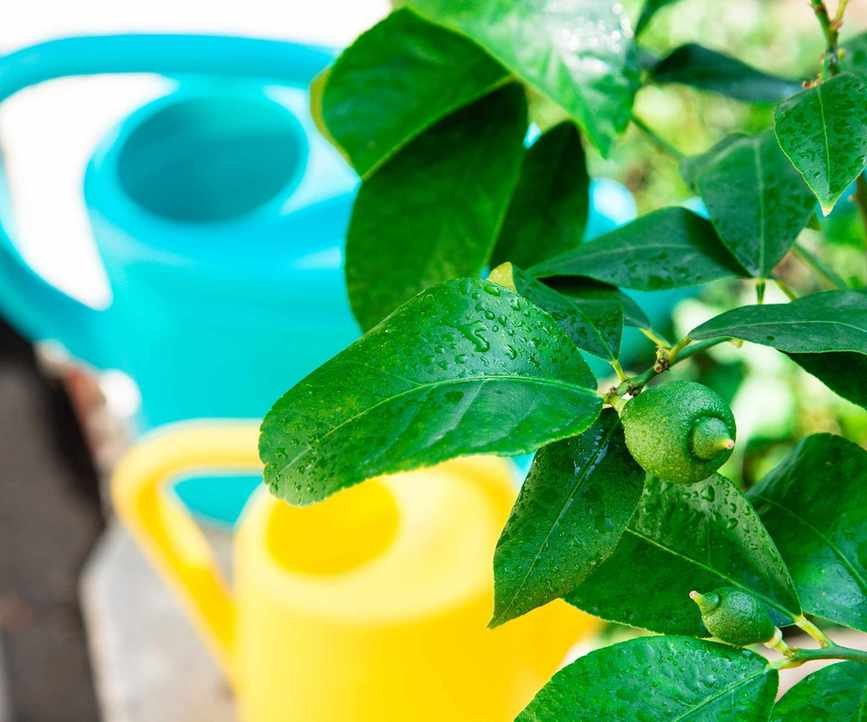
Watering is crucial for lemon trees, especially those in pots. Like all citrus, they dislike soggy roots, and their watering needs vary with seasons and weather. Familiarizing yourself with their growth habits and environmental factors will simplify your watering routine.
'Typically, water deeply but less often to promote strong root development. In summer, garden plants may need watering two to three times weekly, while potted ones might require daily attention during hot spells,' explains Annie.
'During warmer months, you'll likely find yourself watering a lemon tree weekly, or even a few times a week if it's on an outdoor patio,' Paris adds.
Checking the soil moisture is essential. Feel the top few inches of soil with your finger or a moisture meter. Water thoroughly when this layer dries out.
How you water matters: 'The method is just as crucial as the frequency,' Annie states. 'Water at the base to keep leaves dry, reducing fungal risk.
Using a soaker hose can deliver water directly to roots and minimize evaporation. Check out Hoselock's 10m Porous Soaker Hose at Walmart.
Citrus plants can be sensitive to minerals in tap water, like chlorine and fluoride, so consider your options. 'You can use tap water and leach the soil periodically or opt for filtered or rainwater for best results,' Paris advises.
Test water hardness with these test strips from Amazon.
As the growing season progresses, keeping track of each plant's needs can be challenging. We're here to help with straightforward guides, such as what to do with tomato plants in April and tasks for strawberry plants in April.