
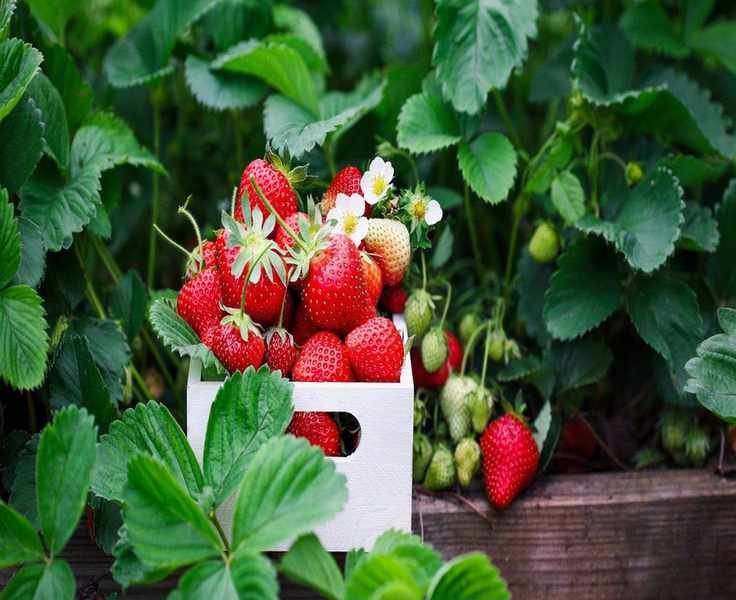
April is crucial for your strawberry plants as you prepare them for summer. If you're unsure what actions to take during this month, here are five essential tasks to ensure robust growth.
It's time to clean up the beds, apply fertilizer, mulch the plants, and protect blossoms from late frosts. By following these steps in early spring, you'll see healthier plants and enjoy more abundant, sweeter strawberries this summer.
If you cultivate strawberries in your garden or containers, consider this your reminder. These tasks are quick and easy, yet they yield significant rewards. Investing time now means delicious, juicy strawberries later. Let's get started!
1. Clean Up Plants to Prevent Diseases
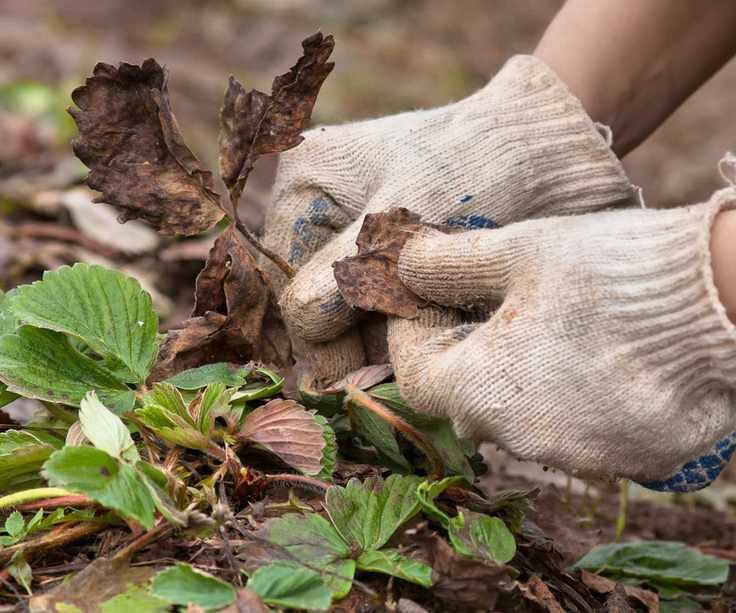
Cleaning your strawberry plants in April sets them up for a strong year. This practice is vital for maintaining healthy, productive plants. Older strawberries can become crowded, so take a moment to trim away dead or damaged leaves and clear away debris from around each plant.
Leftover plant material from last season can harbor diseases and attract pests. Old foliage may contain bacteria, fungal spores, and slugs that threaten new growth.
Taking the time to tidy up this month can prevent potential diseases. Use clean, sharp pruning shears (such as these Japanese pruning shears available on Amazon) to cut away old leaves and manage strawberry growth.
Leave about 3-4 inches of top growth, taking care not to harm any new shoots emerging from the plant's crown.
Remove any old runners since they drain energy from the main plants. You can pot these runners to create new plants at no cost.
2. Remove Weeds from Strawberry Beds

Strawberry beds may still have weeds from last season, and new growth can spring up quickly in spring. April is the perfect month to eliminate weeds.
Weeds compete for nutrients and water, so removing them ensures your strawberries get what they need to thrive.
Weeding is straightforward in spring. By catching young weeds early, you can prevent them from seeding and multiplying throughout the year.
A hand fork or a weeding tool like this one from Amazon is ideal for tackling weeds in strawberry beds. Make sure to extract tap-rooted weeds like dandelions completely to prevent regrowth.
If you stay on top of the weeds now, it often becomes as simple as running a garden hoe over the beds for the rest of the season to keep seedlings at bay.
3. Fertilize Your Plants
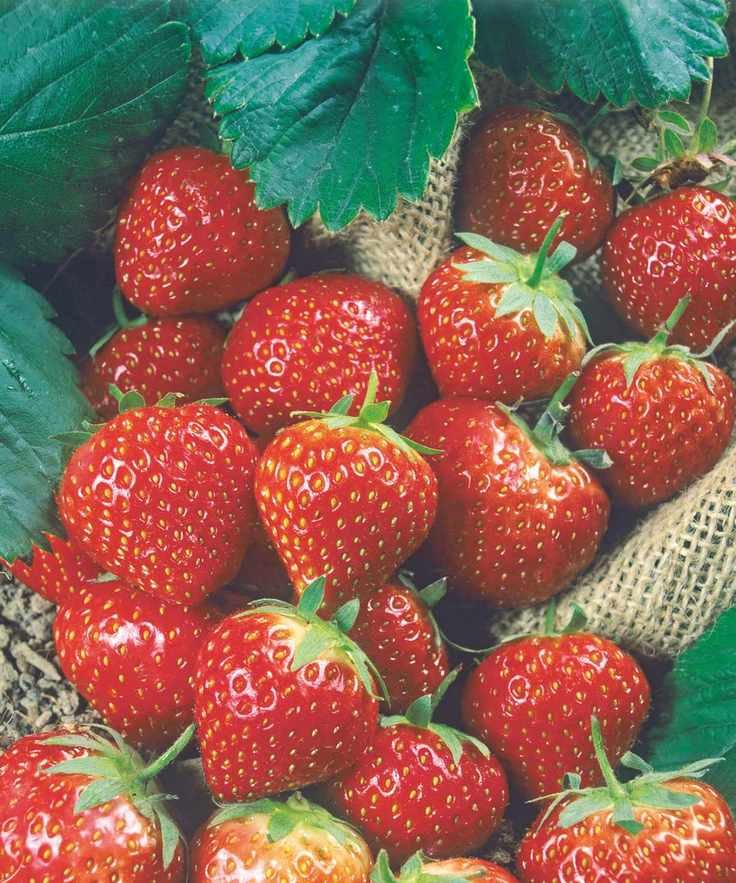
In spring, strawberries come alive and require ample energy for producing leaves, flowers, and fruit. As the soil warms to around 50˚F, April becomes a prime growth period.
By fertilizing your strawberries this month, you'll provide them with essential nutrients at this critical time, helping you achieve larger strawberries and a better yield.
Apply a balanced, slow-release fertilizer this month, like this 10-10-10 all-purpose fertilizer from Walmart. Distribute the granules evenly around the plants, gently mix them into the soil, and water well to activate the nutrients.
Stick with balanced fertilizers and avoid high-nitrogen options, as excess nitrogen promotes leaf growth over fruit production.
4. Shield Flowers from Late Frosts
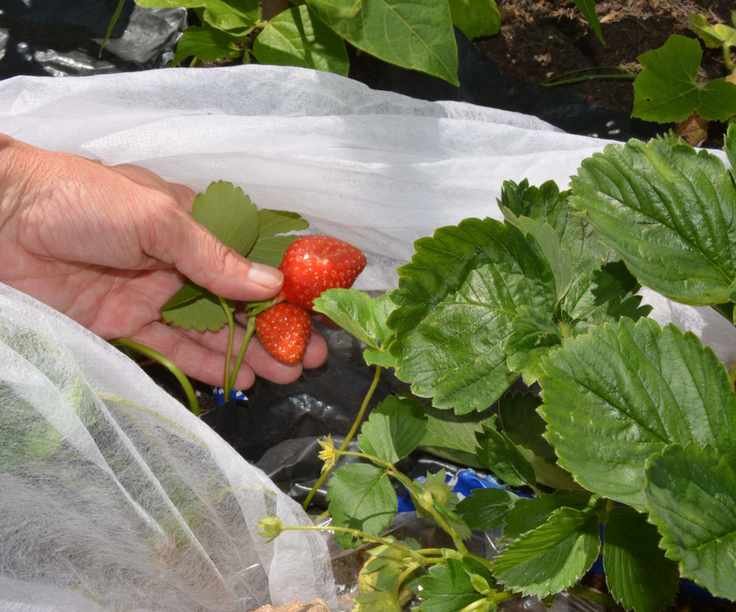
Late frosts in spring can impact your strawberry yield. While the plants can withstand frost, their blossoms are vulnerable and can be damaged by cold temperatures.
Flowers that bloom can die if temperatures drop below 30°F. But there are effective ways to shield them from frost and ensure a fruitful summer.
Monitor forecasts closely and be ready to act if frost threatens. A simple way to protect your plants is to cover them with frost cloth (like these covers available on Amazon), row covers, burlap, or cloches (like this mini greenhouse from Wayfair).
Set covers in place the afternoon before a cold night, and remove them during the day to allow pollinators access to the flowers.
5. Change Winter Mulch for Summer Mulch
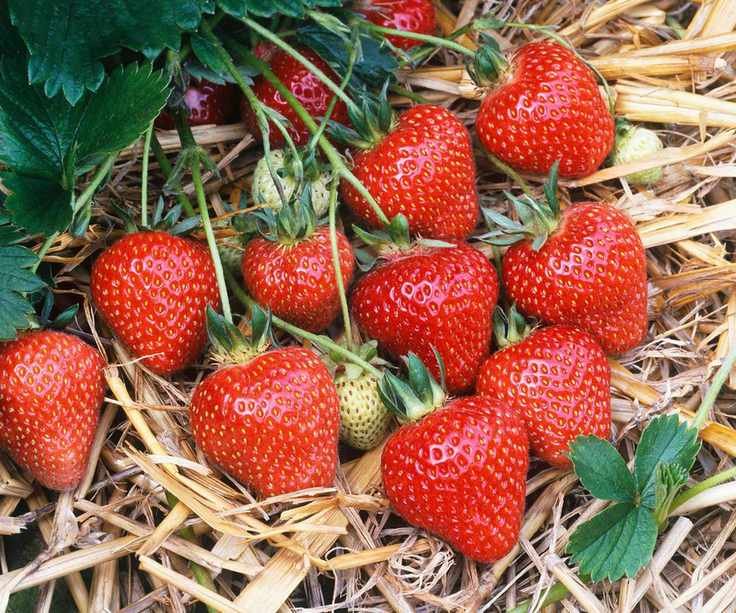
Many gardeners apply a few inches of mulch in the fall to protect strawberry plants during winter, helping shield the crown from freezing temperatures and suppressing weeds. While effective for overwintering, this mulch should be viewed as a temporary solution.
As the plants begin to grow in spring, it's advisable to remove the winter mulch as part of your strawberry bed cleanup. Do this after the soil temperature reaches 40-50˚F and you see signs of new growth.
Replace the winter mulch with a fresh layer of straw, pine needles, or wood chips. This new layer of mulch should surround the plants but keep away from the crown. It will help retain soil moisture, prevent weeds, and keep the fruit clean.
Strawberries resting directly on the soil can become dirty and are more prone to rot, mold, or pests like slugs and snails.
You can find a box of long pine needle mulch at Walmart that covers 300 square feet.
What to Purchase
Strawberry Ceramic PotAn elegant ceramic planter featuring eight pockets designed for strawberry planting. This setup keeps fruits elevated, away from pests, and simplifies harvesting.
Sweet Kiss StrawberriesSweet Kiss is a prolific variety that produces large, flavorful strawberries. These compact plants thrive in beds or containers on decks, patios, or balconies.
Potting MixThis potting mix is ideal for strawberry container planting, carefully formulated to nourish plants for up to six months.
Did you know that April is also a fantastic time to expand your strawberry collection? Once the last frosts pass in your area, young plants flourish in the cooler, moist conditions of early spring.
You might wonder if it's possible to harvest strawberries in their first year. Depending on the weather and strawberry variety, you could see a small crop this summer. However, it's best to manage expectations and focus on establishing the plants for a more abundant yield in years two and three.



