
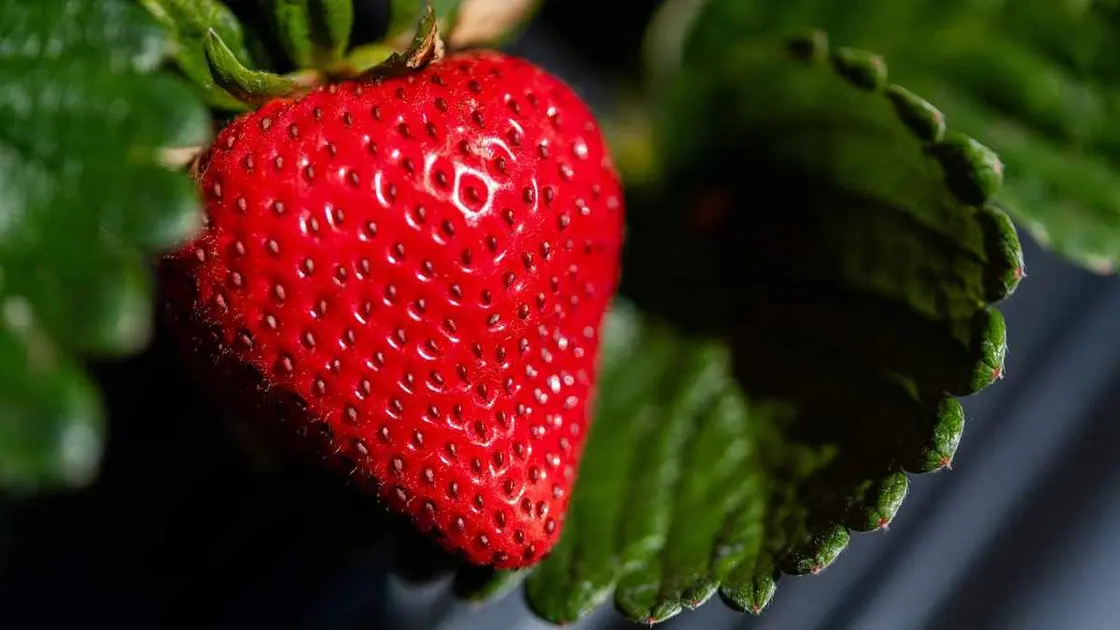
There's nothing quite like the taste of freshly picked strawberries, especially during the summer months. Whether you enjoy them straight from the plant or use them in delicious desserts, the joy of biting into a large, juicy strawberry is unparalleled.
With years of experience growing strawberries both at home and professionally for culinary purposes, I've learned that the size and quality of strawberries can really shine when they're beautifully presented on dessert plates.
The good news is that growing strawberries is relatively straightforward. However, if your goal is to cultivate larger strawberries, there are several key factors to consider — and thankfully, these aren’t overly complicated. Get these right, and you can look forward to a fantastic harvest of plump, flavorful strawberries right from your garden.

Big and juicy strawberries are the dream of most growers
5 Essential Tips for Cultivating Bigger Strawberries
If you've ever wondered how to boost the size of your strawberries, you're not alone. The size of your fruit can be influenced by several factors, including the variety, location, and care. Here are some expert strategies to help you grow those big, juicy strawberries.
1. Choose the Right Variety
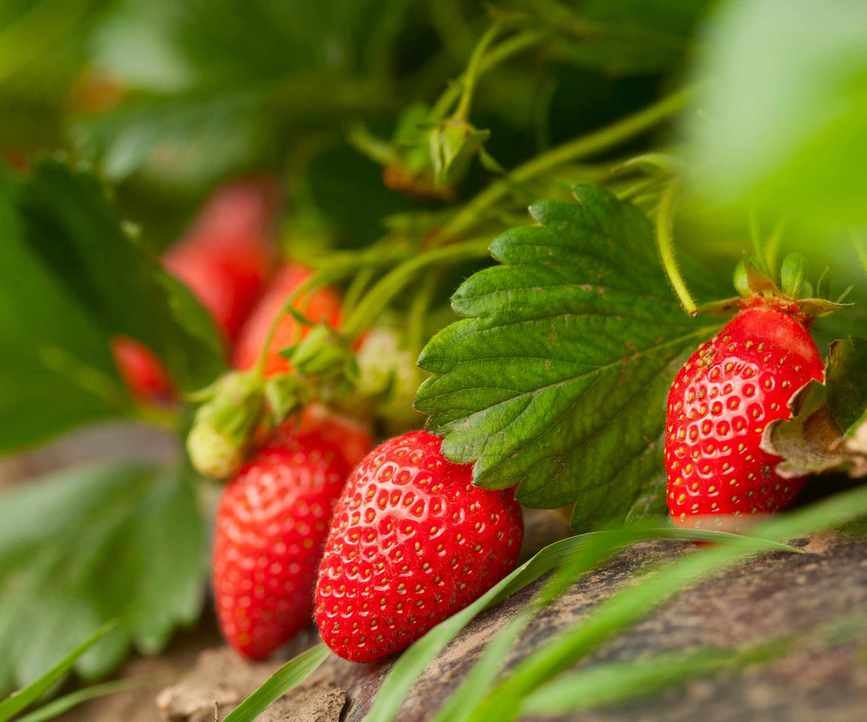
Some types produce larger strawberries than others
In the kitchen garden, various types of strawberries can thrive. Some are everbearing, producing several crops throughout the year; others are day-neutral, yielding fruit continuously; and then there are June-bearing strawberries, which offer one substantial harvest from mid-June to early July. If your goal is to grow larger strawberries, selecting the right variety is crucial.
Katie Brines from Stark Bro’s Nurseries suggests that June-bearing strawberries are often the best choice for achieving larger fruit. These varieties can yield a significant amount of fruit in a shorter timeframe compared to other types.
“June-bearing strawberries are recognized for their notably large berries and are popular with both commercial growers and home gardeners,” Katie explains. “In contrast, everbearing varieties typically produce smaller fruit over two to three harvests during the season.”

Katie Brines is a dedicated gardener and grower who is also part of the marketing team at Stark Bro's, a nursery that has provided high-quality fruit trees and garden plants in America for over 200 years.
Shop June-Bearing Strawberries
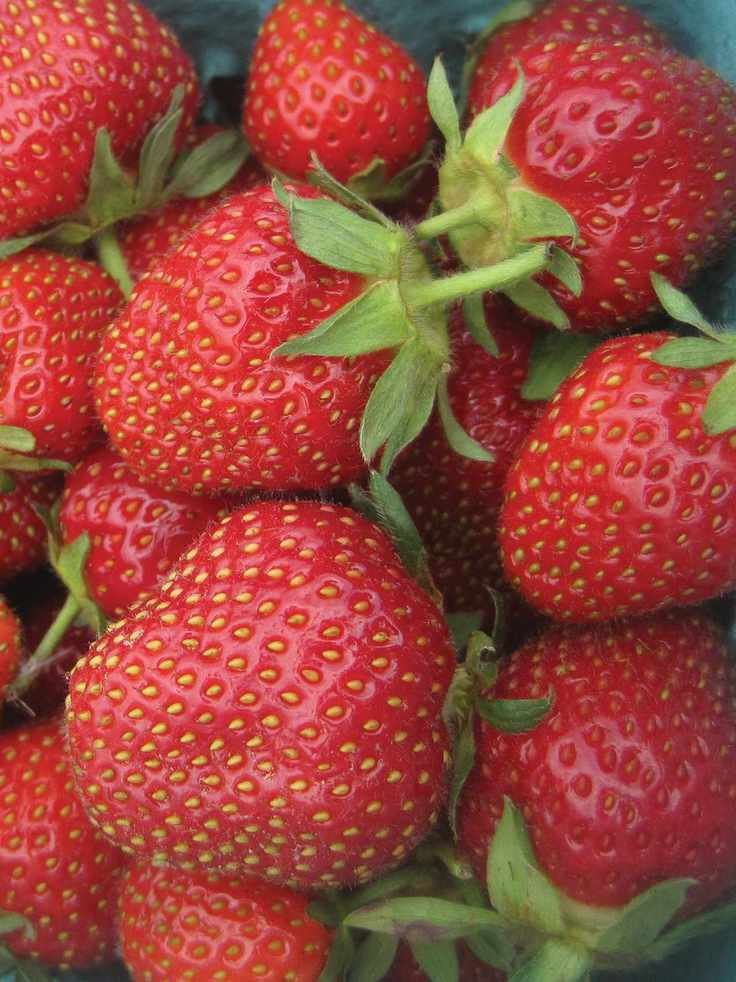
Jewel Strawberry
Jewel is an outstanding strawberry variety, well-adapted and hardy, consistently yielding exceptional harvests.

Flavorfest Strawberry
This groundbreaking variety, bred by the USDA, is a significant improvement over previously available types, producing larger, juicier fruit.

Earliglow Strawberry
This variety is known for its high yields of glossy, deep red, and sweet fruits that thrive in sunny locations.
2. Optimal Location
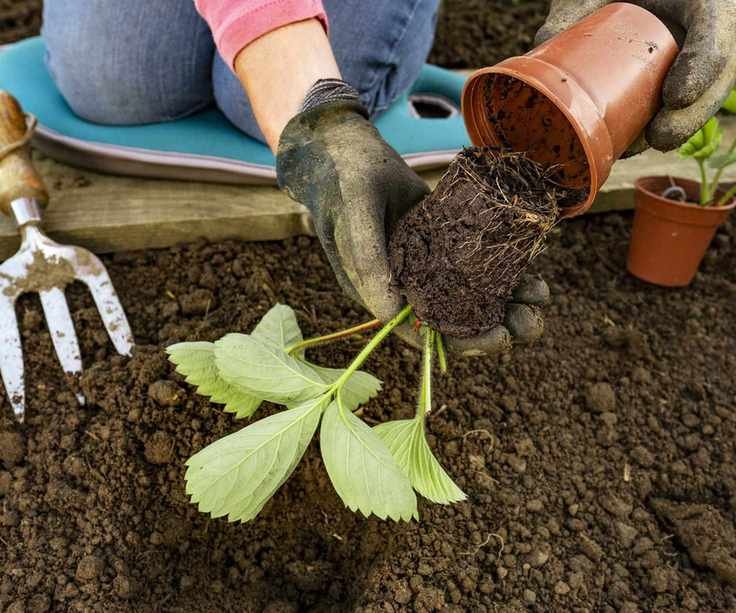
Strawberries thrive in spring or fall planting
In addition to selecting the right variety, Katie emphasizes that the location for planting is vital for maximizing fruit size. Strawberry plants require plenty of sunlight to produce fruit, so choose a sunny area of your garden that receives at least six to eight hours of direct sunlight daily.
Avoid shaded areas caused by trees or buildings, as this could hinder the plant's fruit production. If you’re growing strawberries in containers, make sure to position them in the sunniest part of your garden to ensure they receive maximum sunlight for a bountiful harvest.
Strawberries also prefer well-draining, fertile soil. Be cautious not to let them sit in soggy conditions. When planting, ensure that the crown is slightly above ground level and that the roots are well spread out to access essential nutrients.
A healthy, nourished plant will reward you with a greater yield of larger fruit. One common mistake is planting the crown too deeply, which can lead to crown rot.
3. Fertilization

Nourishing your plants is key to bigger strawberries
Regular fertilization of your strawberry plants can enhance your harvests. Apply fertilizer in early spring and throughout the growing season to provide the nutrients necessary for robust growth and the formation of larger fruits.
A balanced fertilizer should be used in the spring, either by applying a slow-release granular type or incorporating organic matter into the soil. Lindsey Chastain, a homesteader and founder of The Waddle and Cluck, advocates for using compost as an excellent fertilizer because of its rich nutrient content.
There are several organic options available for fertilizing strawberries, including bone meal, chicken manure pellets, and kelp meal. Generally, organic fertilizers are preferable for food crops over synthetic alternatives.
Once the plants start to bloom, consider using a fertilizer high in potassium to promote fruit development. This can come in liquid form, mixed in during watering every few weeks throughout the growing season.

Lindsey Chastain is the founder of The Waddle and Cluck, a platform dedicated to homesteading with a focus on gardening, livestock, and recipes.
Shop Strawberry Fertilizers

Organic Bone Meal
This all-natural fertilizer is rich in organic nitrogen and phosphorus, essential for developing strong root systems and encouraging plant growth.

Organic Chicken Manure
This fertilizer is free of additives and is granulated for easy application. It has a 5-3-2 fertilizer analysis with 8% calcium.

Organic Kelp Meal Fertilizer
This 4-pound box of organic fertilizer has a 1-0.1-2 formula and is approved for use in organic production.
4. Managing Runners

Runners can propagate new strawberry plants
Mature strawberry plants will produce numerous runners every year. While these runners can be used to grow new plants, if you're aiming for larger strawberries, it's advisable to remove them.
Trimming the runners redirects energy back into the fruit production of the existing plant. While runners are useful for creating new plants, they can limit the growth of the original plant.
By regularly snipping off the runners as they appear, you enable the plant to focus its energy on producing larger strawberries.
5. Replanting

Strawberry plants can be purchased either bare root or container-grown
Strawberry plants have a productive lifespan of about three to four years, after which their fruiting decreases. For this reason, many gardeners choose to replace their plants every three years. Katie Brines suggests, “It’s beneficial to rejuvenate your patch by replacing old plants with new runners to maintain vigor and fruit size.”
To keep your strawberry bed healthy and productive, consider regularly renovating it. You can lift and divide plants, take cuttings to propagate new plants from runners, or even start from seeds.
Maintaining a mix of plants at different growth stages will help ensure your bed remains productive year after year, providing you with a bountiful supply of large strawberries.
FAQs
Why Are My Strawberries Small?
Several factors can contribute to the size of strawberries being smaller than expected. Aging plants may lack the energy to produce large fruit, and any plant will struggle without sufficient nutrients in the soil. These issues can often be resolved by rejuvenating your strawberry bed and conducting a soil test to assess nutrient levels, along with establishing a proper fertilization and watering routine. Additionally, heat stress and insufficient pollination can also lead to smaller strawberries.
By following these expert tips, you can look forward to a bountiful harvest of delicious strawberries. Just remember to keep an eye out for any pests that may be tempted by your ripe fruits — you don’t want them to enjoy the fruits of your labor!



