
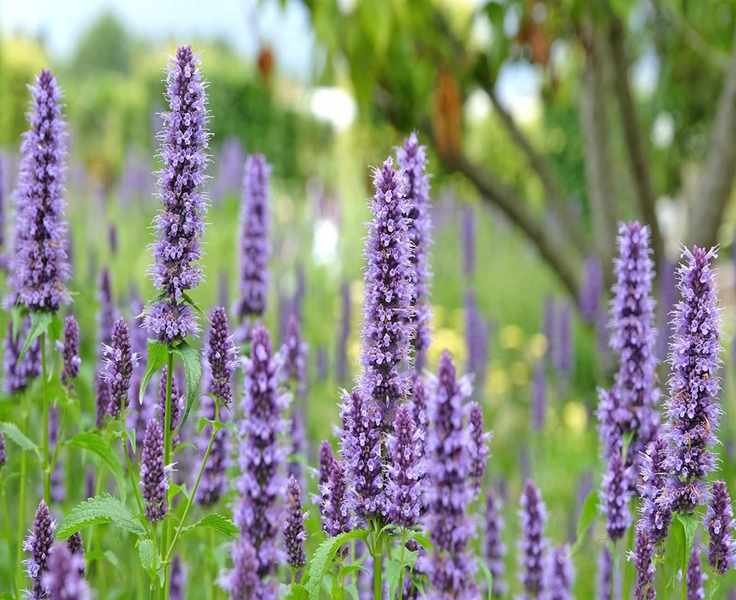
I've cultivated hummingbird mint, also known as Agastache spp., in various gardens. In Tuscany, we used large terracotta pots filled with fragrant herbs, and the aroma was unforgettable.
This plant thrives in borders, but it also flourishes in pots, producing colorful flower spikes and a unique anise-like fragrance when touched.
If you're eager to attract hummingbirds, bees, and butterflies, mastering how to grow hummingbird mint in pots is a rewarding endeavor. Here's what I've learned through years of experience.
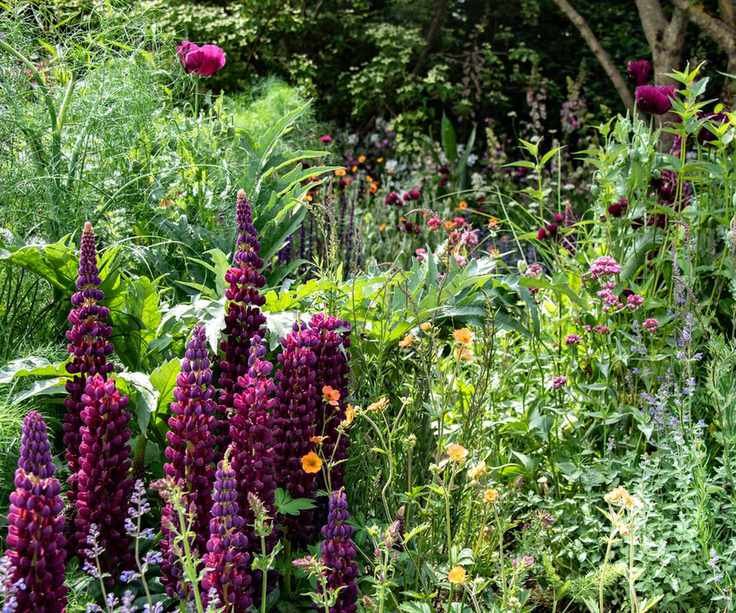
Growing Hummingbird Mint in Containers
Growing hummingbird mint in pots is simple. As long as they get plenty of sunlight and a drink every few days, these perennials will thrive with minimal care.
Here are my suggestions for ensuring vibrant blooms year after year.
Tips for Potting Hummingbird Mint
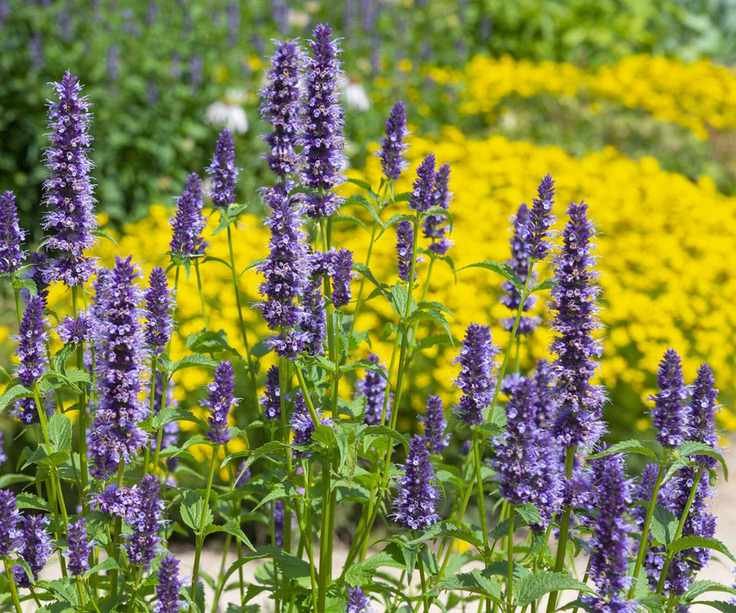
Key to growing hummingbird mint in pots is drainage. These plants can't stand soggy roots.
Keep in mind that these drought-tolerant perennials thrive in rocky or well-drained soil, so avoid waterlogged pots. This doesn't mean skipping watering; just ensure excess water can escape.
Fill a medium to large terracotta pot (12 to 16 inches across) with a gritty soil mix, adding some sand or grit for better drainage.
Consider using rustic pots from Amazon that are perfect for hummingbird mint.
These sun-loving plants prefer a bright spot. Most types can handle down to zone 4, but they'll thrive even better in full sun.
In northern zones (like zone 5), full sunlight is essential, while in warmer regions, some shade is acceptable, though fewer flowers may appear in darker areas.
You can order live 'Blue Fortune' hummingbird mint plants from Greenwood Nurseries via Amazon.
Caring for Hummingbird Mint in Pots
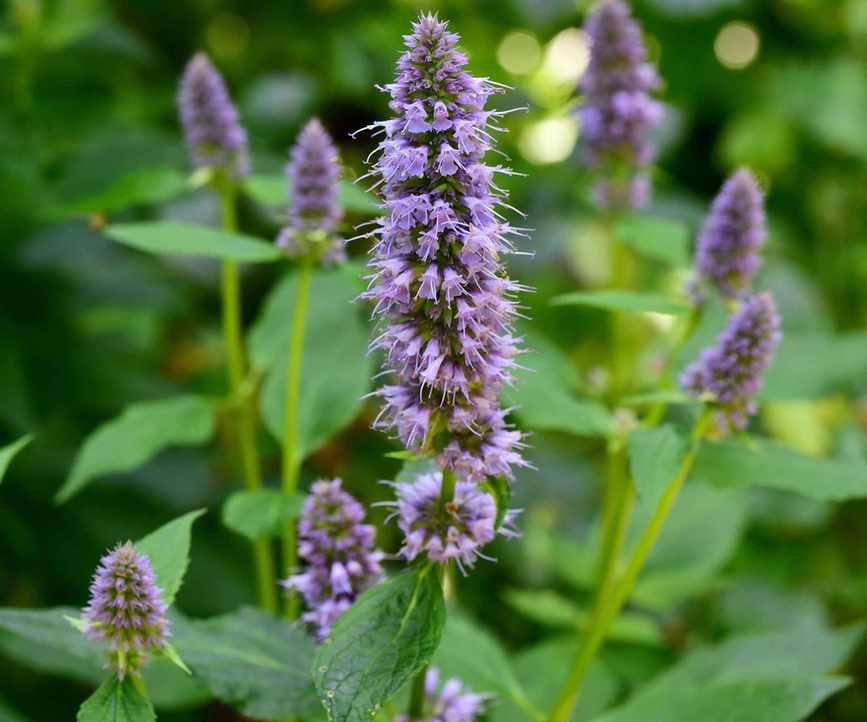
Hummingbird mint in pots benefits from regular deep watering. Though drought-tolerant, a thorough watering every other day in summer helps them flourish.
Maintain a consistent watering schedule to prevent pots from drying out, stressing your plants. Feel the soil down to one or two inches to gauge moisture levels.
Feeding isn't usually necessary, especially if using fresh potting mix, but a biweekly tomato feed (try this organic tomato feed from Espoma, available at Walmart) can keep them blooming beautifully.
Don't forget to deadhead during summer. Use clean, sharp pruners, like these Felco F2 pruners from Amazon, to trim spent blooms, though you can stop this from September onward and leave faded flowers through fall.
Common Questions
When Should I Repot Hummingbird Mint?
Repot this perennial every couple of years. Use a spade or Hori Hori knife to gently loosen the plant from the pot. Shake off old soil, then refresh with new compost and grit. If the plant is crowded, consider dividing your hummingbird mint to reduce its clump size.
No need to winterize your pot, but grouping containers near the house during colder months creates a mini-microclimate, benefiting from the warmth of your home.
For further tips, check out our guide on growing hummingbird mint from seed and learn how to propagate more perennials at a lower cost.
Explore Garden Accessories
The Myrtlewood Etched Planter is ideal for vibrant hummingbird mint and will add charm to your patio.
Live Agastache 'Globetrotter' features striking pink and purple flowers, perfect for container displays.
Protect your hands while planting and pruning with quality gardening gloves designed for comfort and durability.



