
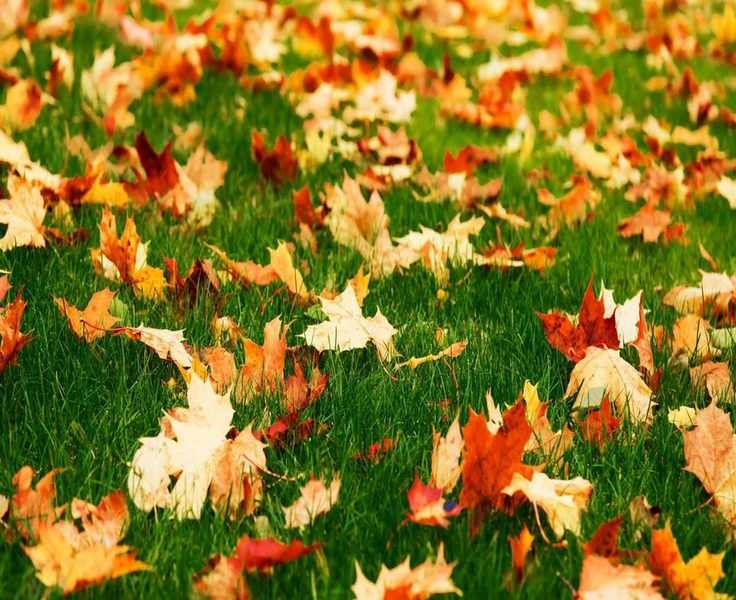
As temperatures drop and seasons shift, it's easy to neglect lawn care. However, staying proactive this fall can yield significant rewards in early spring, transforming your yard into a lush landscape.
Prioritizing lawn maintenance during this season is vital. It's also the ideal time to identify and prevent common lawn issues. While you might not tackle every concern now, laying the groundwork for future repairs is essential.
We've compiled expert recommendations for fall lawn care to help your grass thrive through the winter months.

10 Key Fall Lawn Care Tasks
Everyone makes basic lawn care blunders in the fall, whether it's insufficient watering or failing to nourish the soil. Taking care of your grass now ensures it survives the cold months and emerges thicker and greener next season. Here are 10 essential tasks you should undertake this fall.
1. Seed Your Lawn

Seeding your lawn in early fall is crucial for achieving a vibrant, thick lawn come spring. 'Fall seeding is essential for a lush lawn. Aim to seed when soil temperatures are between 50-65°F, ideally six to eight weeks before the first frost,' advises an arborist and landscape gardener.
This timing allows roots to establish before dormancy. Mixing quick-germinating and slow-growing grass seeds fosters both immediate coverage and long-term health.
Seeding can be categorized as either new lawn planting or overseeding existing lawns.
Prepare the seedbed by eliminating weeds and loosening compacted soil. Aerating the ground before seeding enhances seed-to-soil contact and promotes healthier root development. Rake your seeds into the soil and ensure they're well-watered without creating puddles.
Overseeding revitalizes your lawn by filling in bare patches. This treatment enhances overall lawn quality and repairs damage.
2. Conduct a Soil Test

Fall is an ideal period to assess your lawn for potential issues before winter. Testing your lawn's soil health is wise.
'Perform a soil test to check for nutrient deficiencies or pH imbalances before winter arrives,' recommends a lawn care expert.
Understanding your soil's pH is crucial for selecting the right grass type. Correct nutrient levels will significantly affect your lawn's growth in spring.
If deficiencies are discovered, fall is the perfect time to fertilize and enhance your lawn's soil for the upcoming season.
3. Fertilize Your Lawn

In conjunction with seeding, fertilizing your lawn in fall provides essential nutrients. If your soil test indicates nutrient shortages, this step becomes even more crucial.
'Grass absorbs nutrients more effectively between September and March. During dormancy, it stores food in its nodes, preparing for a robust start to the growing season,' explains a lawn care specialist.
Implement a fall weed and feed strategy in September, followed by another fertilizer application at the end of October or early November. This helps grass recover from summer stress and prepares it for growth.
4. Prevent Fungi

While fall is synonymous with colorful fungi, some types can harm your lawn. If you've dealt with mushrooms in your yard before, take preventive measures now.
'Apply a liquid fungicide to penetrate the grass and reach the root zone, eliminating existing fungi and preventing new outbreaks,' suggests a lawn care expert.
This method effectively addresses mushroom problems. Remember to wear gloves and wash your hands after handling unknown fungi, as they may pose health risks.
'Preventing fungi also involves avoiding overwatering during dry spells. Long, deep watering sessions are preferable to frequent light watering,' he adds.
5. Apply Insecticides

Pest management is an ongoing task for gardeners, and fall is when many insect larvae thrive in the soil, damaging grassroots.
'Fall is perfect for disrupting pest lifecycles. I recommend a dual approach: using targeted insecticides for specific pests and promoting beneficial insects through diverse plantings,' advises an expert.
Choose eco-friendly insecticides that target common lawn pests like grubs and leatherjackets, while also encouraging helpful insects to manage pest populations naturally.
6. Remove Moss

While some appreciate moss gardens, others view moss as a nuisance that indicates underlying soil issues.
'Moss and algae suggest soil health problems, competing with grass for light and nutrients,' notes a lawn care expert. 'Start with a soil test to assess pH or fertilizer needs. Enhancing soil fertility, drainage, and airflow will help control moss and algae growth.
Trimming tree branches to increase sunlight exposure also aids grass health. Addressing these factors will promote robust grass and curb moss growth.
7. Address Brown Patches

Brown patches can mar a lush lawn but are often preventable with proper care in fall.
Various factors can cause brown patches, such as fungus, excessive fertilizer, or seasonal changes, according to experts. Identifying the cause is key to finding the right solution.
'Core aeration followed by overseeding can rejuvenate affected areas. Incorporating compost into aeration holes speeds recovery,' suggests an expert.
8. Aerate Your Lawn

Aeration is crucial for lawn health, despite being time-consuming. It alleviates soil compaction and enhances nutrient absorption, creating a supportive environment for new grass growth post-summer.
'Aeration significantly improves lawn conditions. Core aeration is particularly effective and can be performed using rented equipment or by hiring a professional,' notes an expert.
Aeration also combats weed and moss growth while aiding recovery from damage. You can use a garden fork to aerate smaller areas or a coring tool for larger lawns, optionally filling the holes with sand for better drainage.
9. Mow and Rake
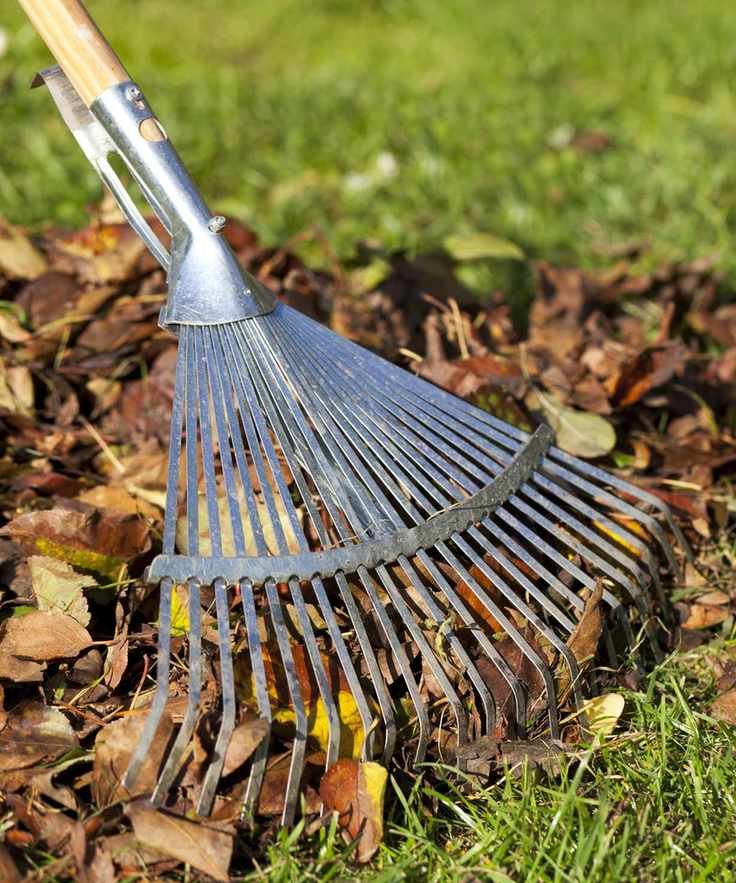
As leaves begin to fall, raking is essential. 'Keep debris off your lawn to prevent insects, fungi, and diseases,' advises a lawn care professional.
Don't forget to perform a final mow before winter. 'Mow your grass shorter than usual to reduce mold and fungus risks,' he suggests. Just be careful not to cut it too short, as this can harm roots and hinder recovery in spring.
Consider repurposing fallen leaves as natural mulch for your flower beds instead of composting them.
10. Maintain Watering
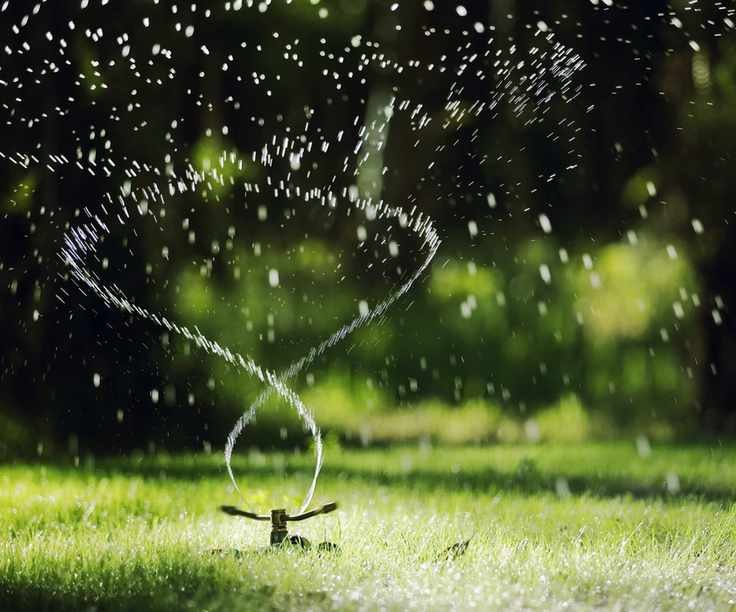
Don't assume colder temperatures mean you can stop watering your lawn. If you cease too early, it could lead to future issues.
'Roots require water for healthy growth. Proper hydration supports winter survival and spring regrowth,' explains an expert. 'Ensure your lawn receives water throughout fall until you winterize your sprinklers and as long as precipitation allows.'
Timing for stopping watering varies by local conditions. Monitor temperatures and rainfall, ensuring not to oversaturate, which can damage roots.
FAQs
Is October Too Late for Overseeding?
While October isn't too late to overseed, earlier is better. Late October seeding risks frost damage from November through January. Ideally, seed in September or early October for optimal results.
Although it might not seem obvious, fall is a critical period for lawn care. 'Implementing these strategies can significantly enhance your lawn's resilience and appearance for spring,' notes an expert. Prepare for winter lawn care to maintain your grass's health through the cold months. Then, refer to your spring lawn care checklist.



