

As fall approaches, lawn care often slips from our minds, yet this season is crucial for maintaining a healthy yard. Overseeding in the fall can turn your lawn from patchy to vibrant come summer.
If you're aiming to achieve a thick, green lawn, consider adding overseeding to your fall lawn care routine. It's a straightforward and quick method that revitalizes your entire lawn, ensuring a beautiful yard for warmer days.
We consulted lawn care professionals to understand the best timing and methods for overseeding in the fall, helping you grow the best grass year after year.
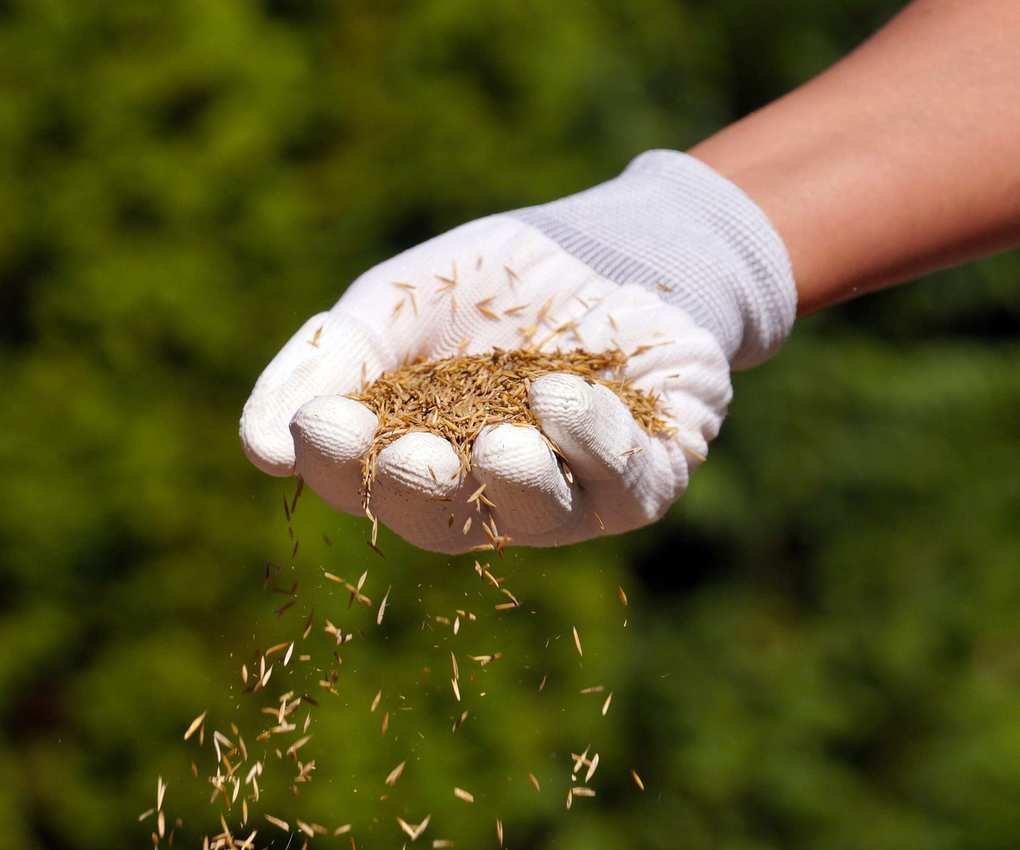
Benefits of Fall Overseeding
Overseeding involves spreading grass seed to promote denser growth. While you can overseed at various times, doing it in fall prepares your lawn for summer.
Ideal Timing for Fall Overseeding

According to lawn care expert Phil Catron, the prime window for overseeding is from late August to mid-October. During this time, the soil remains warm, the air cools, and moisture levels are typically higher—perfect for seed germination.
Phil emphasizes, "Overseeding early in fall allows new grass to establish strong roots before winter, laying the foundation for a robust lawn in spring."
Choose a mild day, ideally after rain, ensuring your lawn is moist but not muddy. Low wind conditions will also help keep your seeds in place. This timing helps avoid summer drought that can hinder seed germination.
Overseeding in fall not only thickens your lawn but also fills in bare patches, reducing weed growth. This makes weed control easier in the warmer months. Additionally, it introduces new grass types that boost your lawn's resilience against diseases and pests.
Successful overseeding in fall results in a uniform lawn that can withstand harsh winter conditions.

Steps for Overseeding Your Lawn in Fall

Overseeding is similar to planting grass seed. Start by mowing existing grass to about one inch and raking any thatched areas. Look for signs of distress in your lawn, like yellowing grass, which may indicate a need for overseeding.
Aerating your lawn before spreading seed is crucial. Phil explains, "Aeration creates holes that allow seeds to settle into the soil, enhancing seed-to-soil contact for better germination."
You can select any lawn seed you prefer, such as this sun and shade grass seed mix available at Walmart. Overseeding can be applied to small areas or your entire lawn as needed. A seed spreader from Amazon can help make the job easier.
"Keep the area well-watered for the first 10-15 days—it's that simple," advises Craig Elworthy, founder of Lawnbright. Using a garden hose from Walmart is ideal for this task.
Common Questions
Should I fertilize before or after overseeding?
If your lawn hasn't been fertilized in a while, applying a starter fertilizer before overseeding can encourage germination by providing essential nutrients for growth. Avoid standard fertilizers for established grass, as they often lack the necessary nutrients for root development.
Is topsoil necessary for overseeding?
No topsoil is required when overseeding. Instead, use compost or lawn starter fertilizer to promote growth. Avoid covering freshly sown seeds with topsoil, as it can suffocate them and hinder their emergence. Proper aeration is a more effective method for protection.
Phil Catron suggests minimizing foot traffic on your lawn for a few weeks after overseeding to protect the delicate new grass. As long as moisture is maintained, your lawn seed should sprout, with new grass emerging. Just remember to stop watering before the first frost arrives.



