
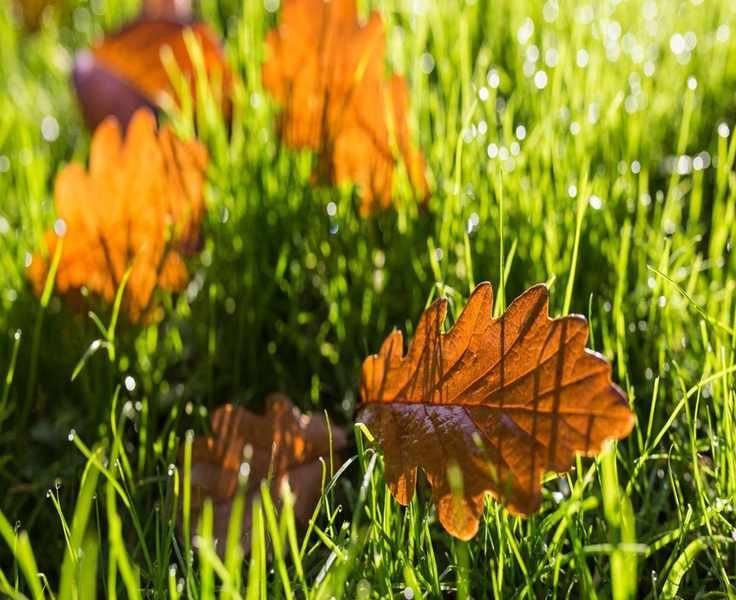
As temperatures drop and winter approaches, many homeowners are busy with final yard tasks. One pressing concern for gardeners is determining when to stop watering their lawn in fall, especially as rainfall becomes more frequent and the threat of frost looms.
Caring for your lawn this fall is crucial for ensuring it thrives throughout the colder months. From overseeding to dethatching, there are several important tasks to prepare your grass for a successful spring.
So, when is the right time to stop watering your lawn in the fall? And why is getting this timing right so crucial?
When to Cease Watering Your Lawn in Fall
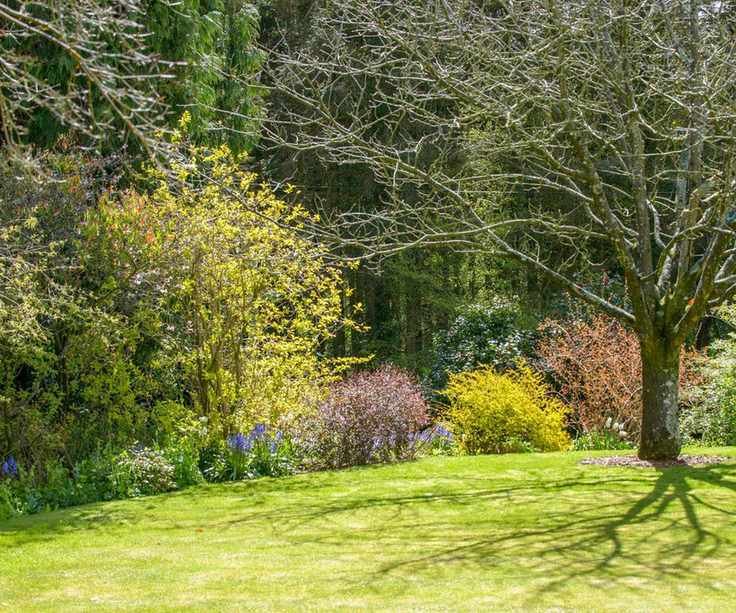
Understanding when to stop watering your lawn is a common concern for many gardeners. "Determining the right moment depends greatly on your local climate and weather conditions," explains a gardening expert. "While it's important to know when to stop, it's equally crucial to ensure your lawn receives adequate moisture up until the ground starts to freeze in late fall or early winter."
Monitoring your lawn's moisture is essential, particularly if you live in a cooler climate where the ground may freeze sooner. If your area receives ample rainfall in the fall, you may not need to water manually to avoid waterlogging, which can be detrimental to your lawn health.
When to Keep Watering Your Lawn in Fall
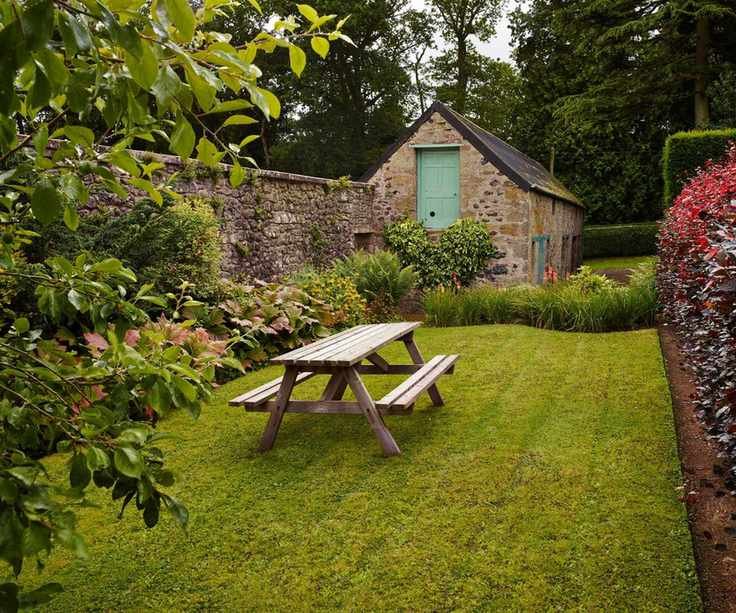
If you reside in a milder climate where seasons aren't as pronounced, you might need to continue watering your lawn during fall and even into winter. "Warm weather can stimulate ongoing grass growth, delaying dormancy and frost effects," the expert adds. Therefore, using sprinklers or irrigation systems to maintain hydration might be necessary.
Continuing to water is particularly important for cool-season grasses, as fall is a key growth period. "While growth may not be visible above ground, the root systems are actively expanding and recovering from summer stress. Adequate water and fertilization are vital during this time," they advise.
Effective Watering Techniques for Fall

"Simply halting watering when temperatures drop is not advisable," the expert cautions. "Instead, gradually decrease watering frequency as temperatures fall into the low 30s, allowing longer intervals between waterings until the ground freezes." Once frost appears, excess water may lead to disease or waterlogging.
Should Your Lawn Be Long or Short in Winter?
For winter preparation, it's best to mow your grass to a height of about 2 to 2½ inches. This height helps prevent disease while ensuring the grass isn't too short to survive colder temperatures.
Is It Time to Stop Mowing Your Lawn in Fall?
Cease mowing your lawn around October, as it typically enters dormancy. However, if you live in a temperate area where grass remains active in the fall, you may choose to continue mowing. Remember, avoid mowing when the grass is wet or frosty to prevent soil compaction.



