

Forsythia shrubs dazzle with their bright yellow blooms each early spring. When their flowers fade, it's the perfect moment for vital maintenance tasks. Knowing how to care for forsythia in April prepares these shrubs for another stunning show next year.
April is the ideal month to prune, fertilize, and mulch forsythia. These essential tasks promote healthy new growth for next spring's flowering. Additionally, during dry spells, watering may be necessary, and it's a great time to propagate new plants.
If you cultivate forsythia in your garden, remember that April is prime time for some much-needed attention. This care will reward you with a breathtaking display of blossoms next spring. Here are the key tasks to tackle this month:
1. Prune After Blooming

As one of the first flowering shrubs, forsythia typically blooms from February to April, depending on your area.
Pruning forsythia right after blooming is crucial. Since it flowers on last year's growth, cutting it back in April allows ample time for new growth and budding for next year's display.
When you notice the old petals dropping, grab your pruning shears and head outside. Don't delay pruning until later in spring or summer, as it may compromise next year's blooms.
Use sharp, clean pruning tools. I've relied on my trusty Felco F2 pruning shears for years. They're durable and reliable, and you can find a pair on Amazon.
Start by removing any dead, damaged, or diseased stems. You can also trim older, woody branches to allow air and light into the shrub's core.
Then, cut back this year's flowering stems by up to 50% to shape the shrub and encourage fresh, productive growth.
2. Fertilize After Pruning

Forsythia's early flowering takes considerable energy. To give your shrubs a boost, fertilize right after pruning to provide essential nutrients for next year's blooms.
A balanced, slow-release fertilizer with an NPK of 10-10-10 works well, like this all-purpose plant food available on Amazon.
Sprinkle the fertilizer around the shrub according to the package instructions, incorporate the granules into the top inch of soil, and water thoroughly to activate the nutrients.
3. Mulch After Fertilizing
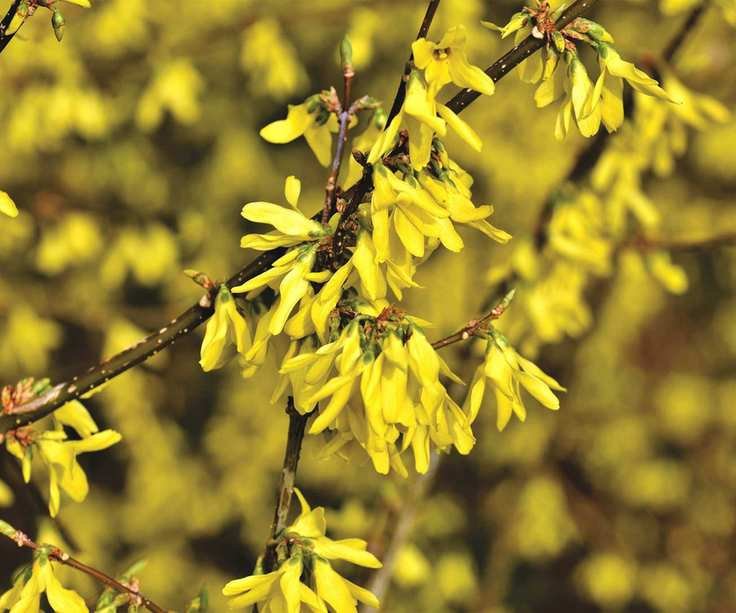
After pruning and fertilizing, mulching is the next step for your forsythia shrubs. Adding mulch with organic matter helps retain moisture, suppress weeds, and enrich the soil as it decomposes.
Use organic mulch like compost, well-rotted manure, leaf mold, or bark chips, applying a layer two to three inches deep. For example, check out this pine bark mulch at Lowe's. Compost is also a fantastic choice, whether you make your own or buy pre-bagged, like this composted cow manure from Amazon.
Spread the mulch around the shrub's roots, leaving a clear ring a few inches wide at the base. Avoid piling organic matter against the stems, as this can lead to rot.
Water as Needed
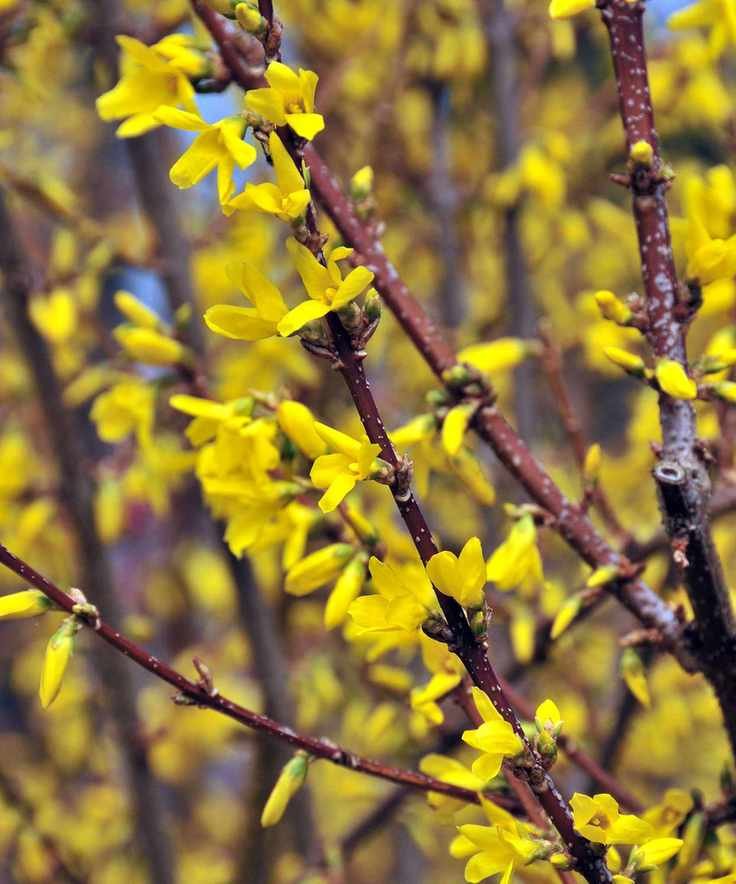
April marks a great time to plant new forsythia shrubs, which will require regular deep watering to establish themselves.
Once established, forsythia are quite drought-resistant. However, they may need watering during unusually dry Aprils, particularly in warmer areas.
Keep the soil consistently moist but not waterlogged, as too much moisture can lead to disease or rot. A soil moisture meter can be a handy tool, such as this meter from Amazon, to help monitor moisture levels and prevent overwatering.
If you're growing forsythia in pots, they will require more frequent watering than in-ground plants for strong early growth.
Propagation by Layering
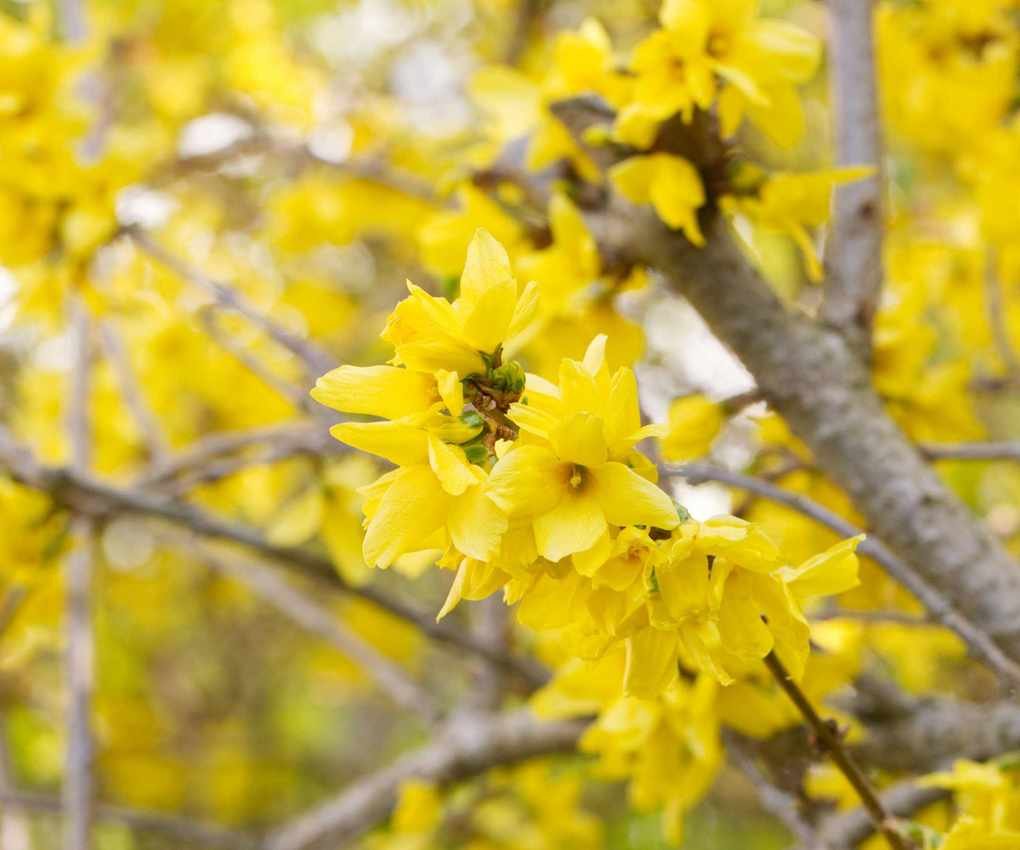
To propagate new forsythia shrubs, layering is a common method. While April isn't the best time for cuttings, you can start layering now. This slower propagation technique involves bending low-growing, flexible stems down to the ground.
Gently scrape some bark with a sharp knife where the stem touches the soil, then secure it with wire or landscape staples (available on Amazon). Cover the area with soil, keep it moist, and allow a few months to a year for roots to form.
Next spring, you can cut the rooted segment and transplant it into your garden or a pot.
Products to Consider
Show Off Sugar Baby Forsythia
This dwarf variety remains compact, offering splendid spring color in smaller spaces, with branches filled with blossoms for early pollinators.
ComfortGEL Bypass Pruners
These pruning shears feature soft, ergonomic grips for a comfortable experience. Their non-stick blades remain sharp for longer, enhancing your pruning efficiency.
Hormone Rooting Powder
This rooting hormone powder expedites the germination process, whether propagating forsythia through cuttings or layering. It can help promote root growth in various plants, too.
While cuttings are best taken in late spring when fresh growth is abundant, semi-ripe cuttings can be harvested in midsummer.
Our guide on taking forsythia cuttings outlines the process for gathering summer cuttings to expand your garden without cost.



