
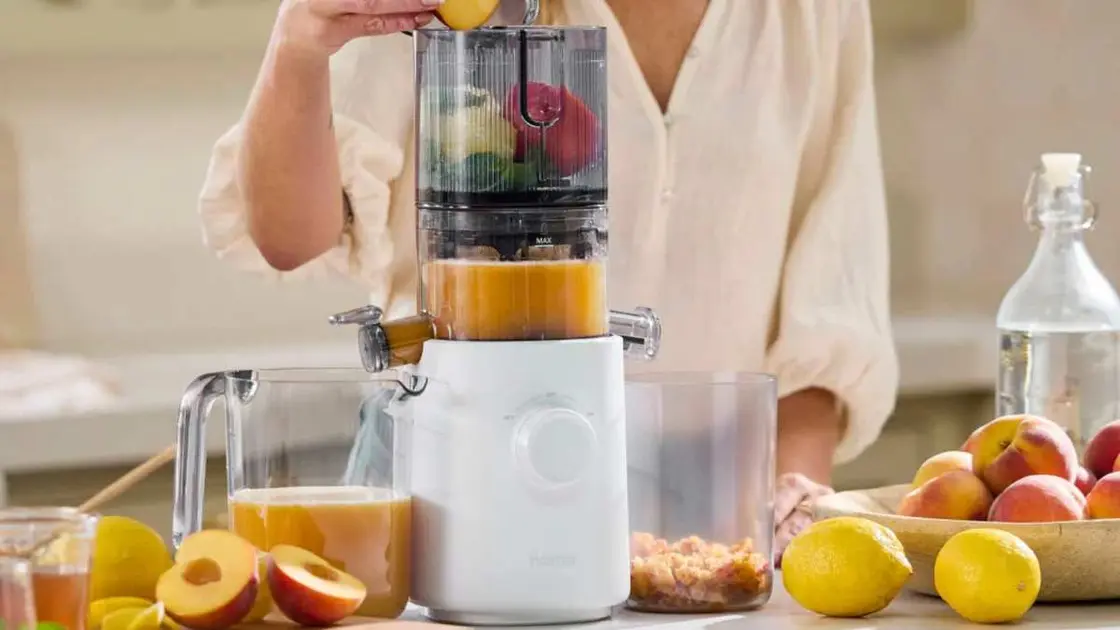
If you're on the hunt for a juicer that fits seamlessly into your kitchen, you're in the right spot. The juicer market is vast, with numerous options available. To make an informed purchase, you'll need some solid guidance.
While lists of top juicers provide a broad overview of the various juicer types, they often don't specify which is best for your needs. Using a centrifugal juicer for green juice or a citrus juicer for nut milks could lead to disappointment.
Our team is ready to share expert tips on selecting a juicer tailored to your preferences. We'll discuss budget, efficiency, convenience, nutrient preservation, and versatility. With this knowledge, you'll quickly identify which juicers are truly worth the investment.
Types of Juicers
There are five main juicer types. This overview will simplify your decision-making process by detailing each type and its ideal users.
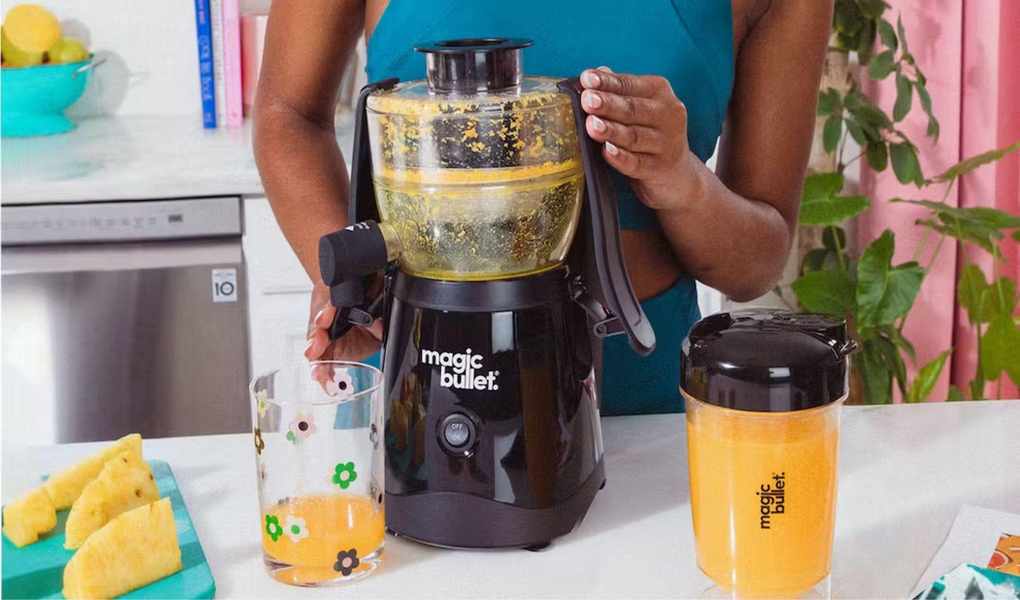
Centrifugal juicers are perfect for beginners seeking quick results.
These juicers utilize a spinning blade to chop fruits and vegetables, making the process fast and easy to clean. However, they can be noisy and introduce oxygen and heat into the juice, which can reduce shelf-life and nutrient content. They also struggle with leafy greens and fibrous vegetables.
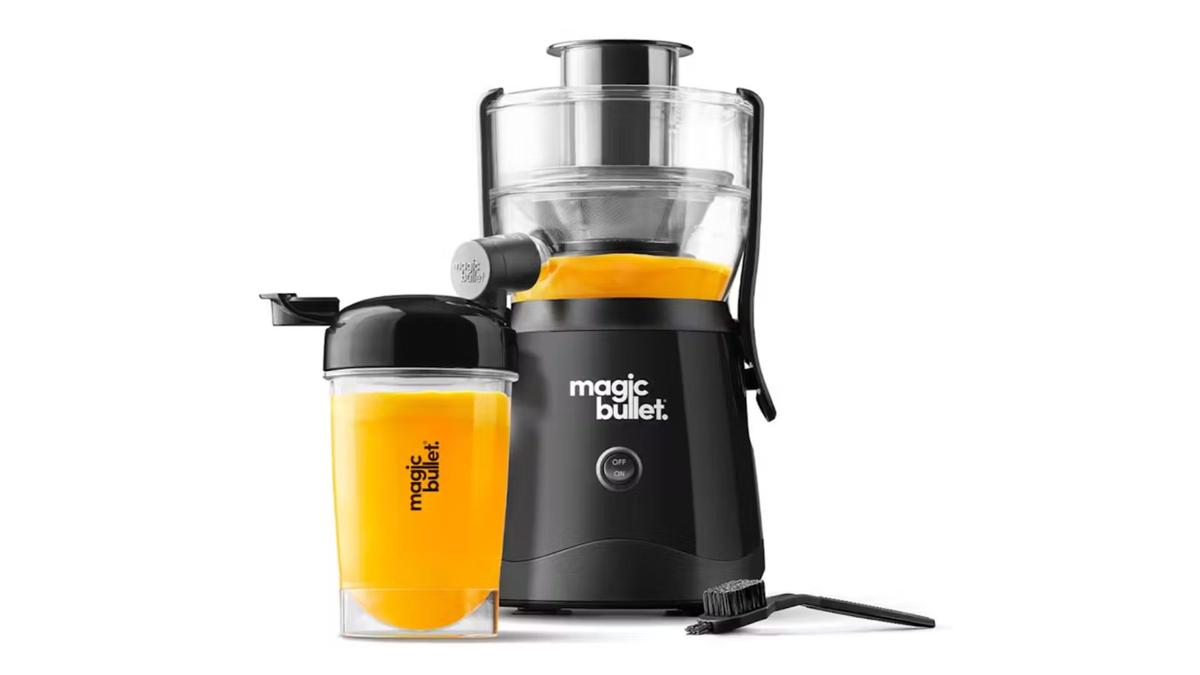
For a compact and efficient option, the Magic Bullet Mini Juicer stands out. It produces tasty juices quickly, making it an excellent choice for juicing novices.
Check out our full review for more details.
Masticating juicers (or slow juicers) excel in nutrient retention.
These juicers crush and press fruits and vegetables, resulting in higher juice yields and less oxidation than centrifugal models. They preserve nutrients well, even from leafy greens, wheatgrass, nuts, and frozen fruits. They operate quietly, too.
However, they come with a higher price tag and consist of multiple parts that can be cumbersome to clean.
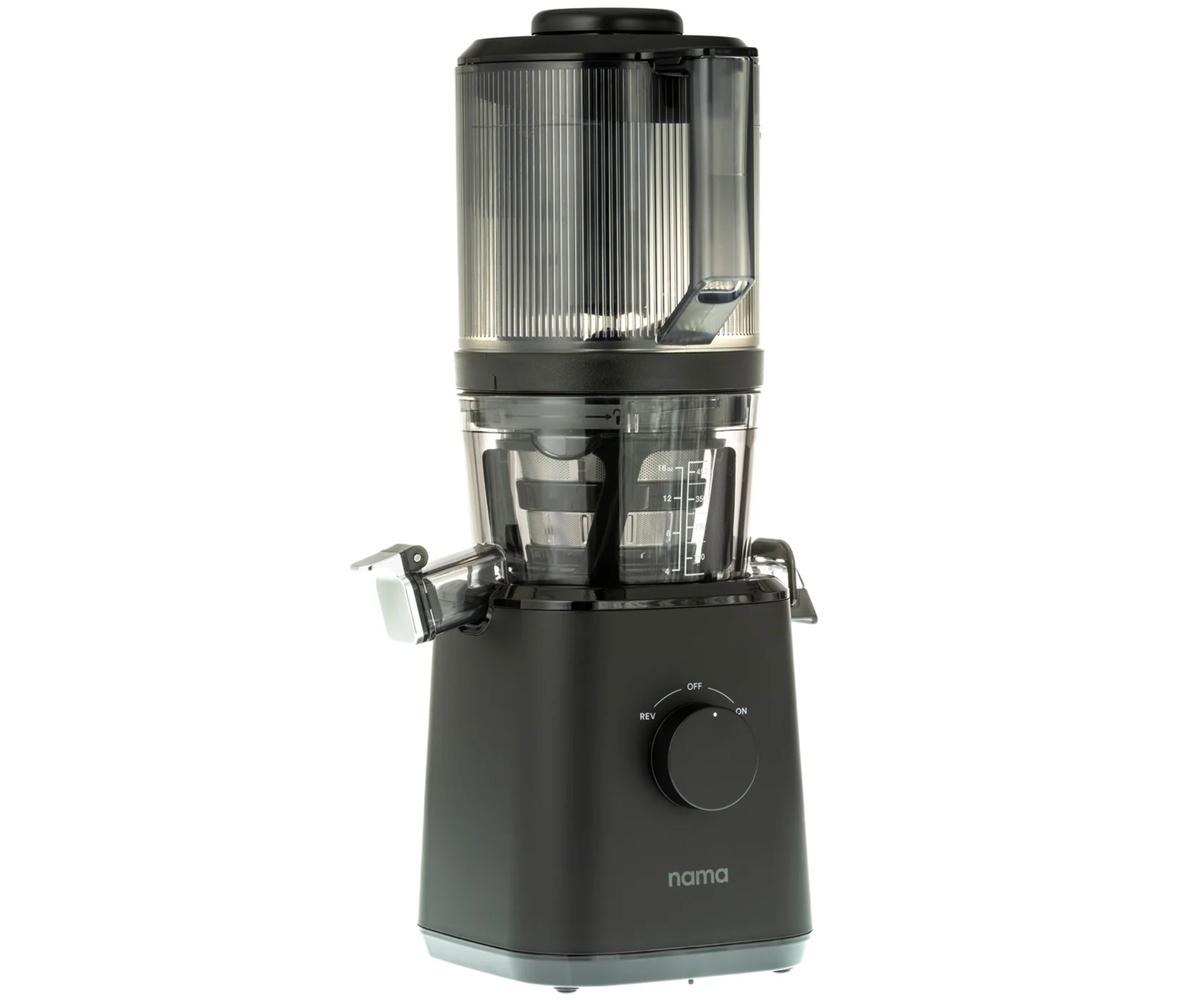
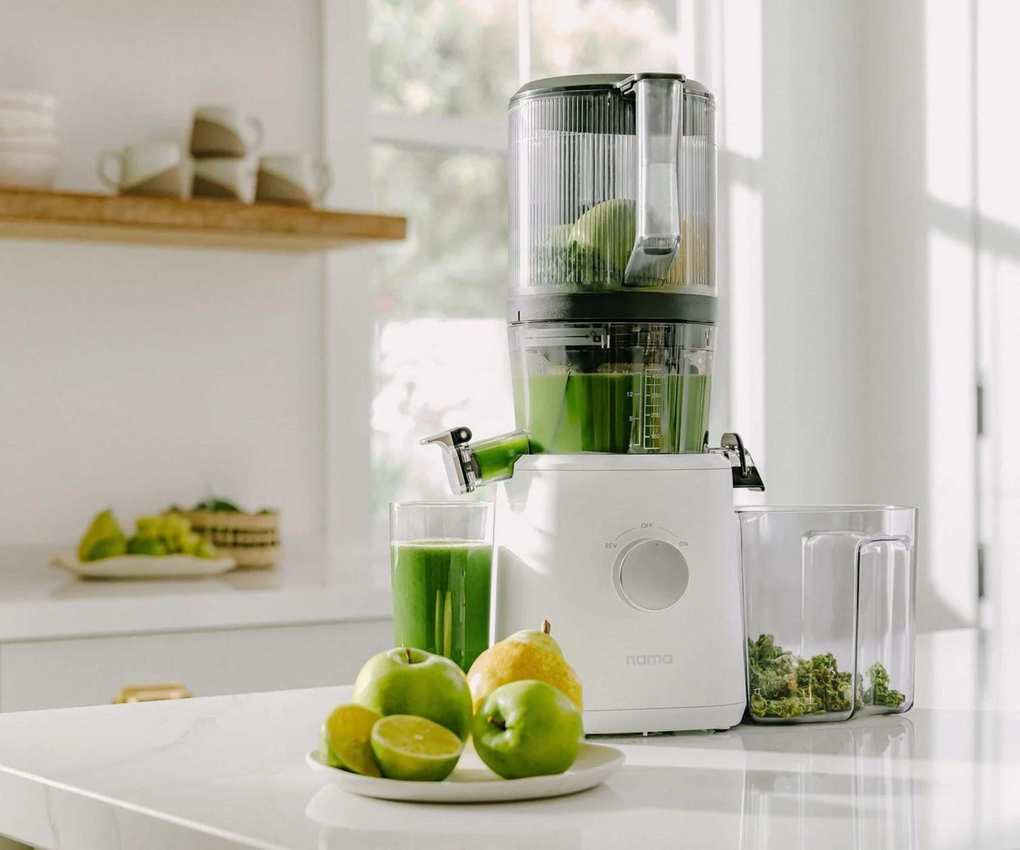
The Nama J2 is my all-time favorite juicer, known for its sleek design and ability to create exceptional juices, nut milk, smoothies, and sorbets. If the size is an issue, consider the smaller Nama J3.
Explore our full review for more insights.

Twin gear juicers are geared toward serious juicing fans.
These juicers provide even higher yields than masticating models, using dual gears to crush and grind ingredients, maximizing juice extraction. They are the most expensive and complex, making them ideal for dedicated juicers.
The Tribest GreenStar 5 produces the best juices I've ever had, although the process is more involved.
Read our detailed review here.
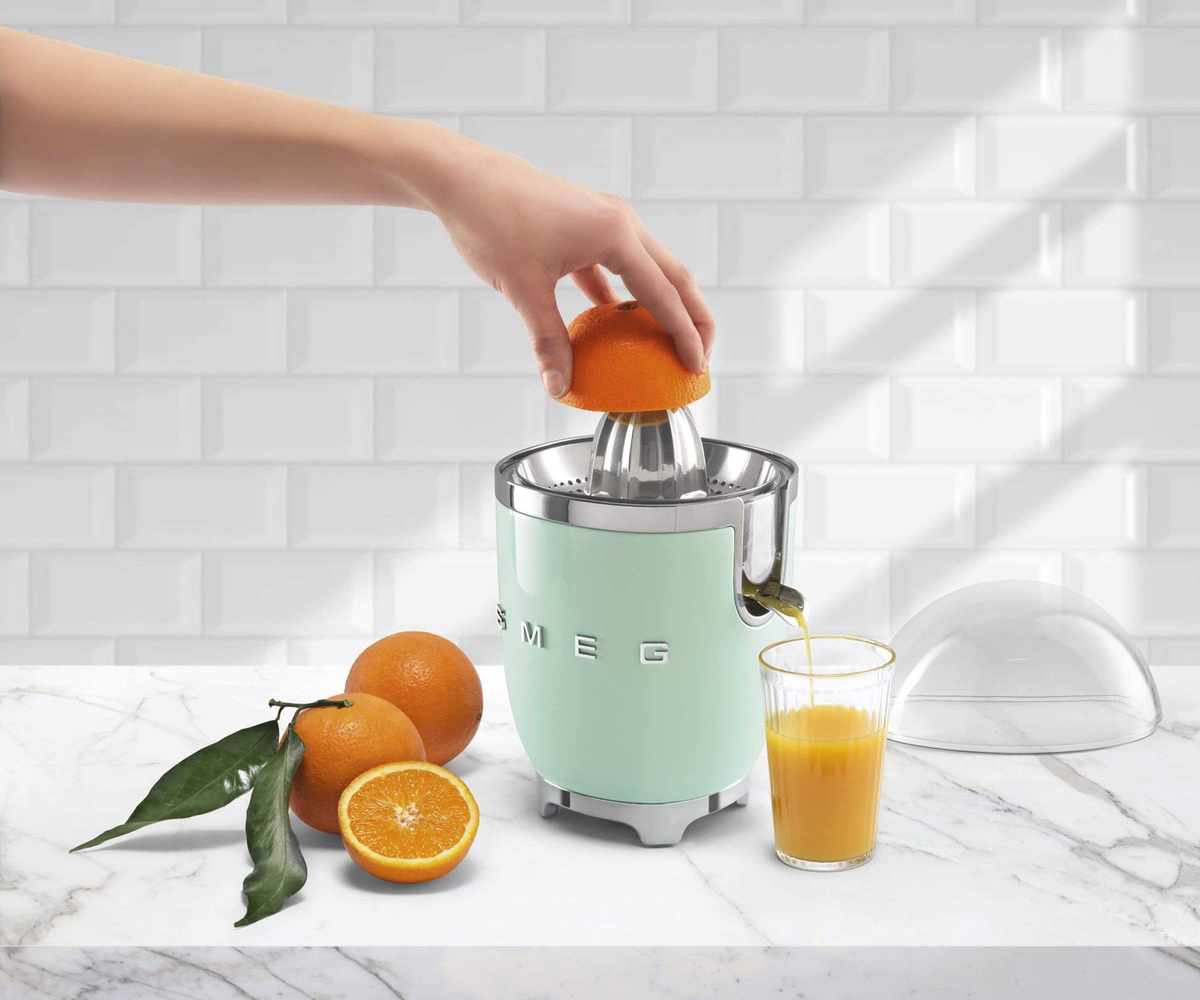
Citrus juicers are designed for those who primarily juice oranges and lemons.
Available in various designs, some are motorized while others are manual. They're ideal for fresh orange juice and lemonade but limited in versatility. A budget-friendly option, they are great for simple juicing.
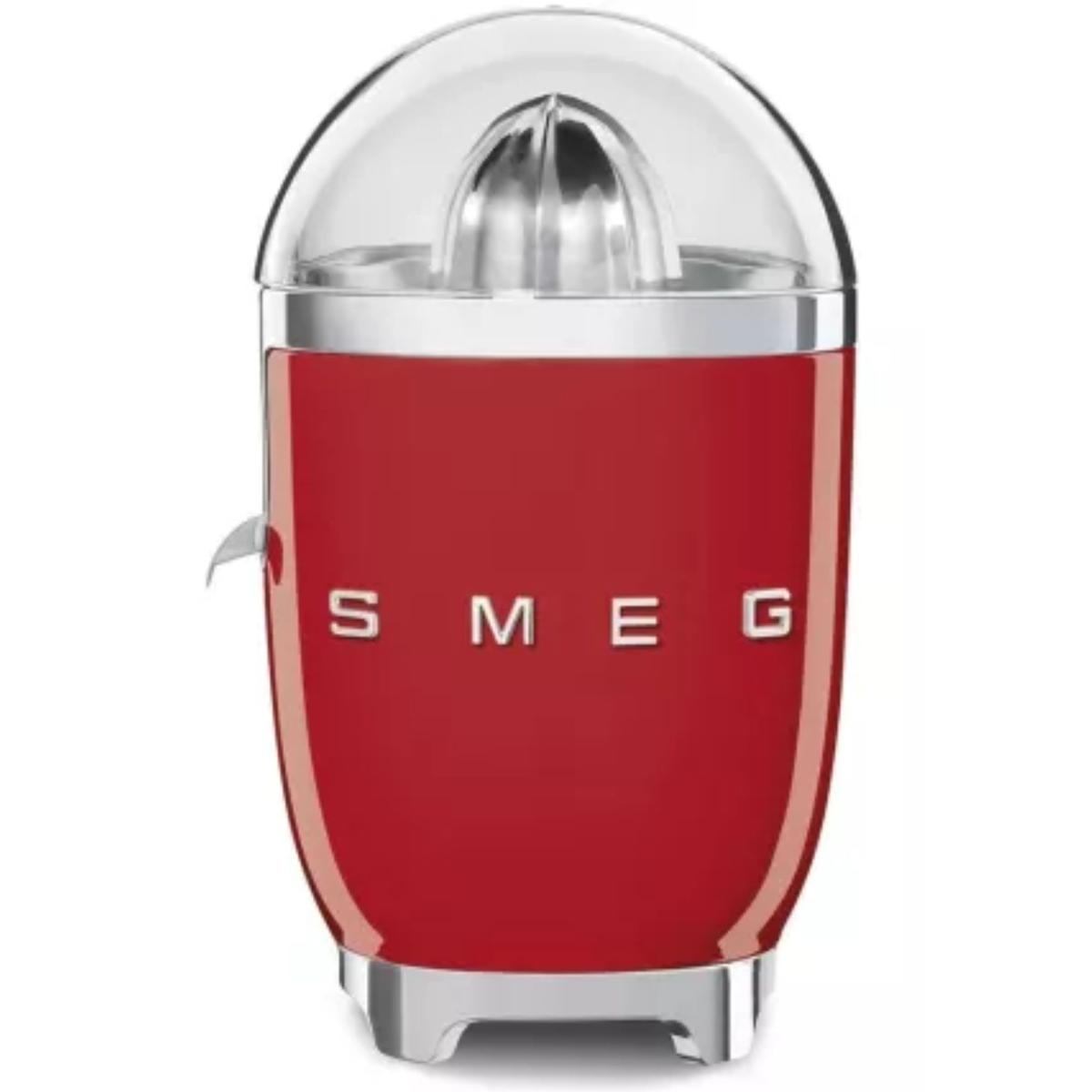
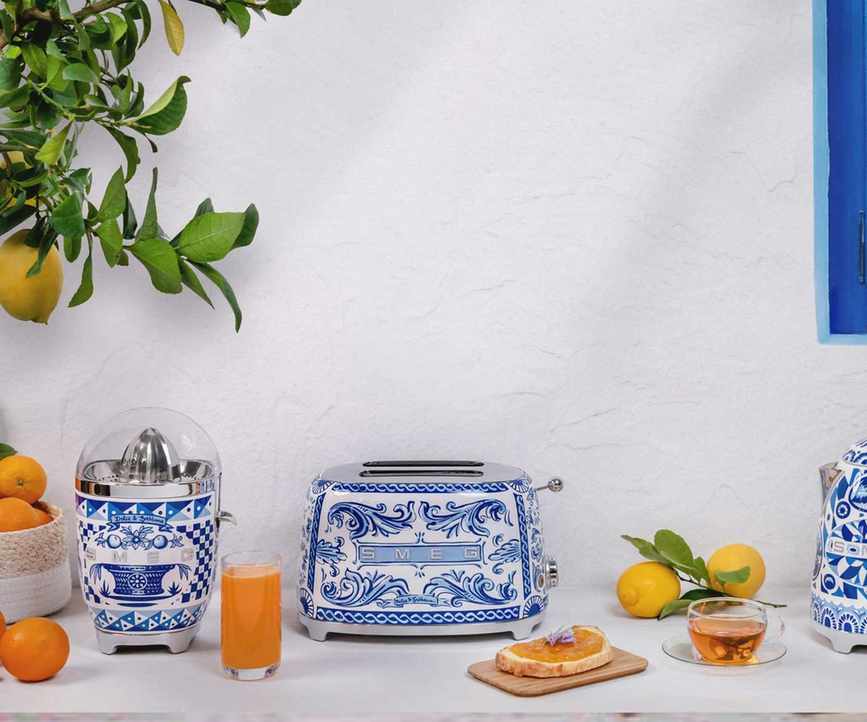
With its stylish appearance, the Smeg Citrus Juicer scores high on aesthetics. It's available in various colors and patterns, making it a stylish kitchen addition.
Read our full review for insights.
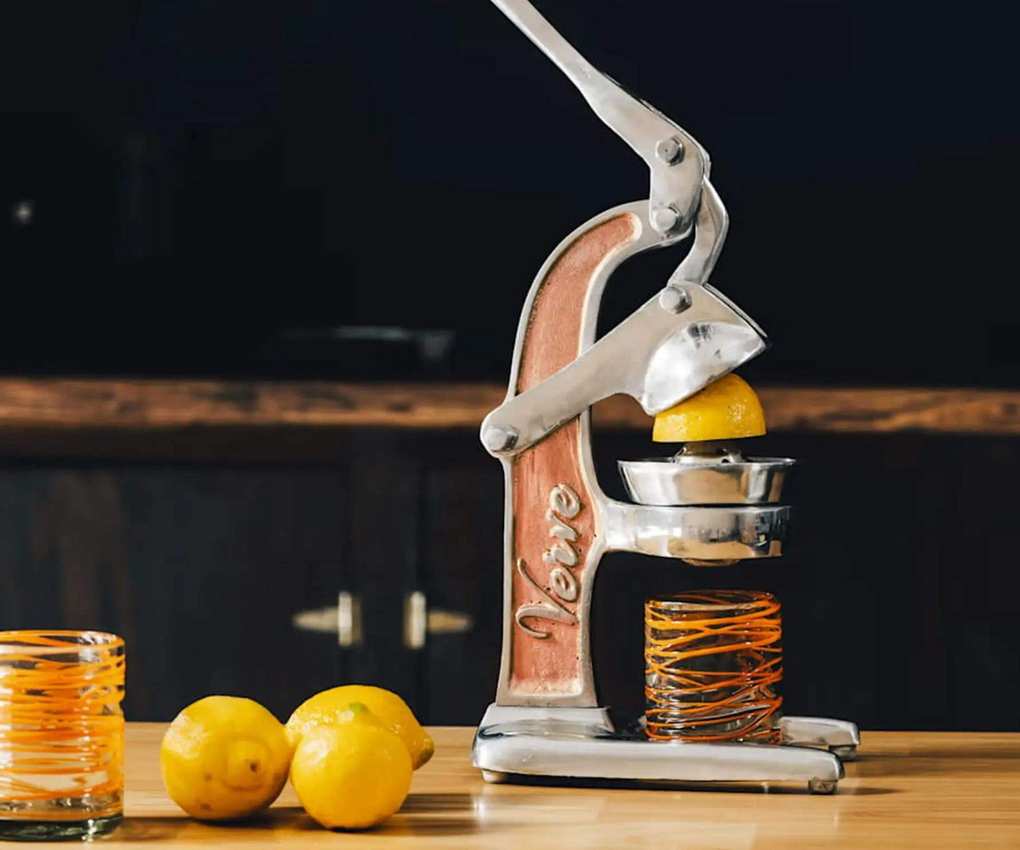
Manual or hand-crank juicers are portable and budget-friendly.
Manual juicers require some physical effort, using a hand-crank mechanism to extract juice. They are convenient for on-the-go juicing but yield less juice and require more time.
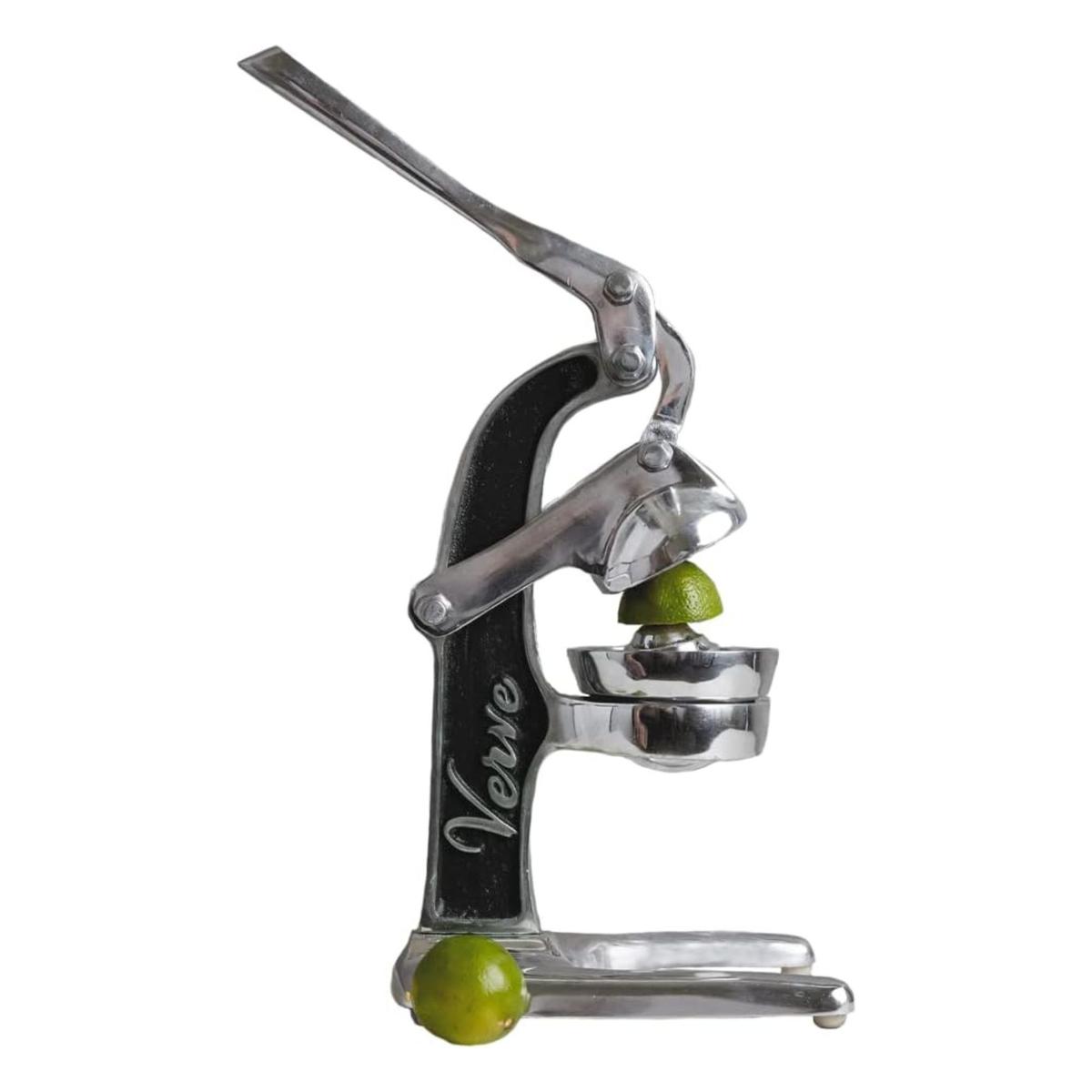
The Verve Culture Juicer combines attractive retro design with functionality, offering a helpful lever for easier juicing.
Check our review for more details.
Style and Design
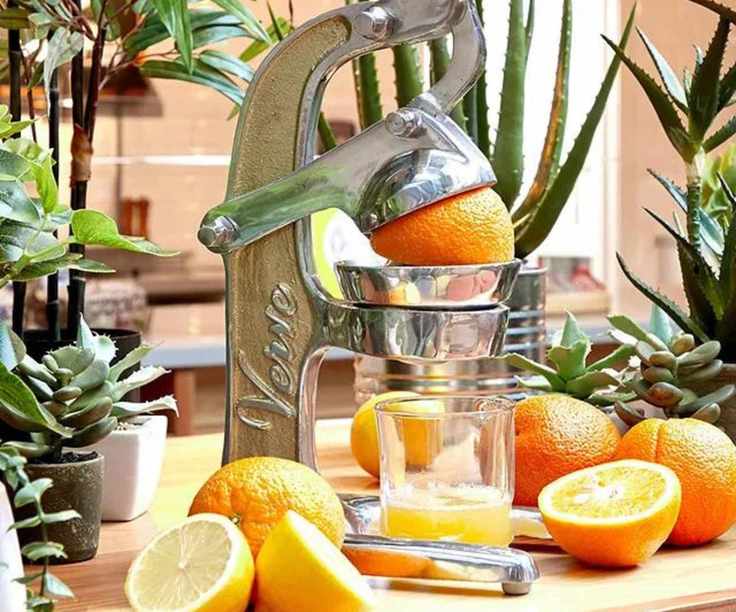
Juicers are increasingly stylish, as seen in the offerings from brands like Nama and Smeg. Aesthetic appeal is crucial, especially if you plan to display your juicer on the countertop regularly.
Choose a color that complements your kitchen, or opt for classic black, white, or stainless steel for versatility. Beyond color, build quality varies significantly across models.
For instance, Smeg's citrus juicer boasts a retro look, while Nama offers modern, minimalist designs.
Size and Capacity
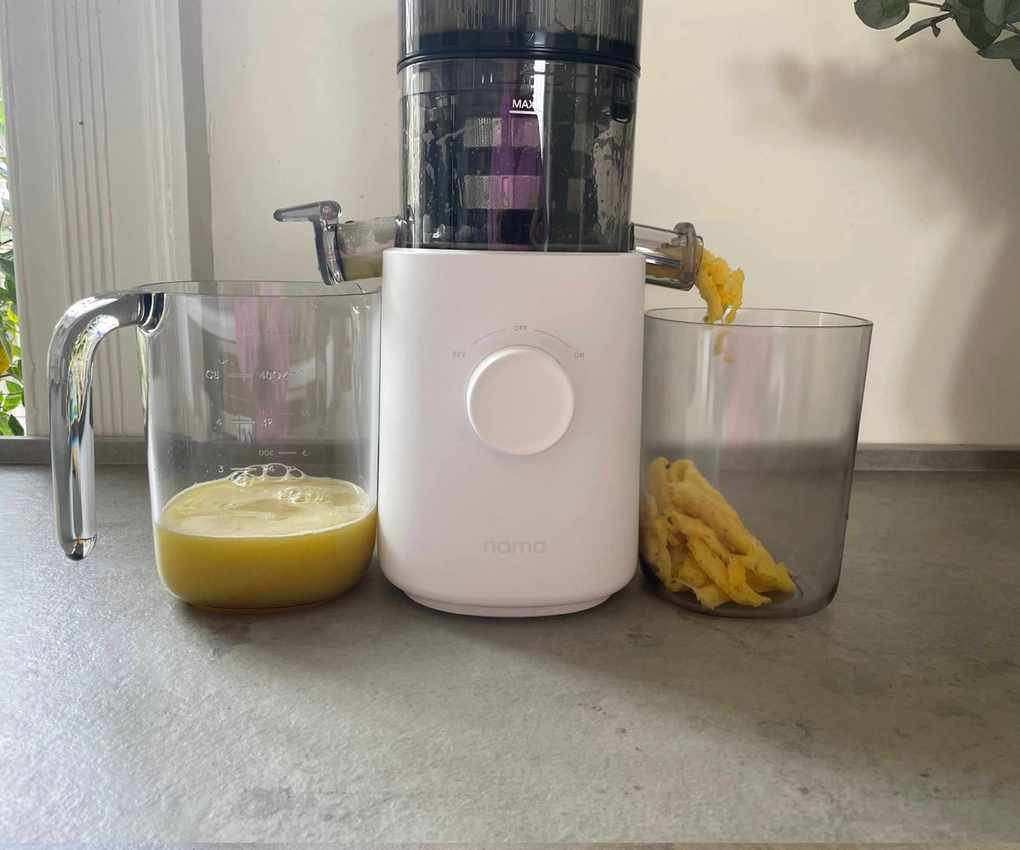
Juicers vary in size, so consider how often you'll use it and where you'll store it. Height is particularly important, especially if your countertop is near upper cabinets.
If you plan to juice daily, you might want to leave it out on the counter. Otherwise, ensure you have adequate storage space if you prefer to keep it tucked away.
Juicers can vary in weight and juice capacity. Compact models are ideal for small kitchens, like the Magic Bullet Mini Juicer or the Nama J3. But for larger families, consider a juicer with a bigger capacity.
Here's a table outlining typical juicer capacities:
| Pulp Container Capacity | Juice Jug Capacity | |
| Small (for couples) | 34 oz | 17 oz |
| Medium (for small families) | 34-68 oz | 17-34 oz |
| Large (for big batches) | More than 68 oz | More than 34 oz |
Functions and Features
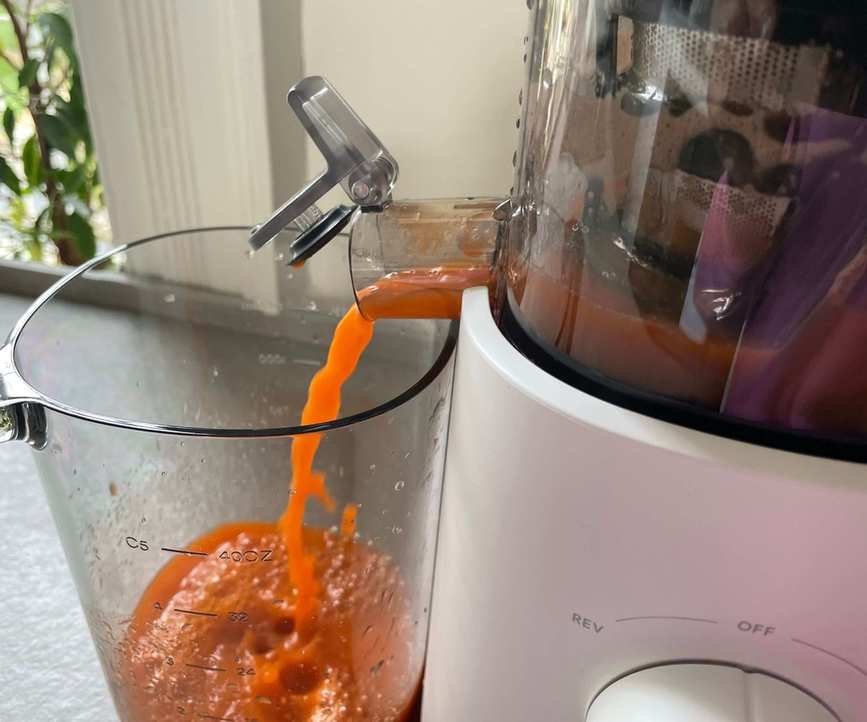
When considering a juicer, functions and features should be a top priority. If it doesn't effortlessly fit your needs, it'll likely be left unused.
Different juicer types cater to various functions. For example, if you plan on juicing leafy greens or making nut milk, you'll want a masticating or twin-gear juicer. If you're juicing primarily soft fruits, a centrifugal or citrus juicer may suffice.
Nutrient retention is also significant; slower, pricier juicers tend to excel here. While all juices provide nutrients, those recovering from illness might prioritize nutrient-dense options.
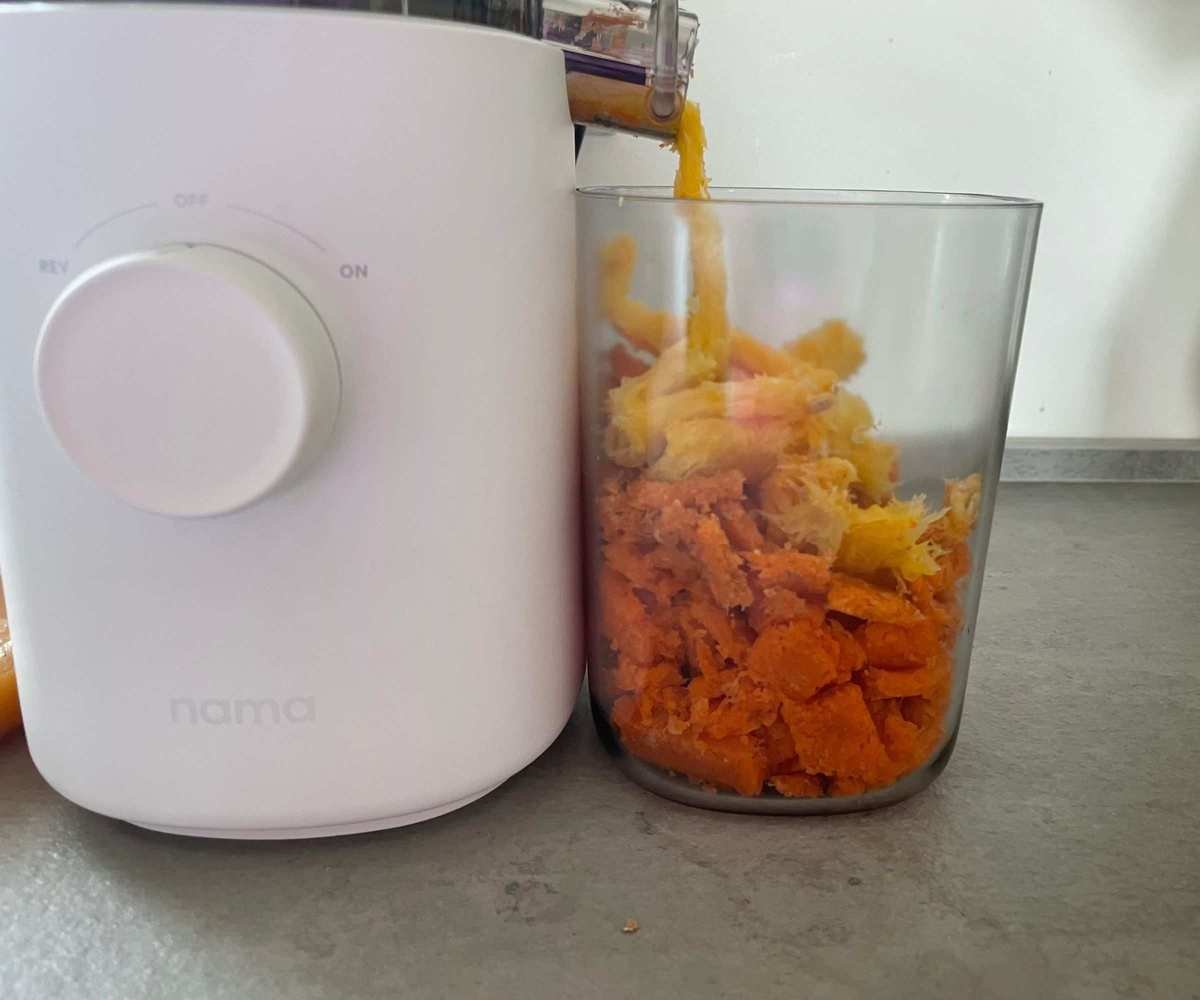
A good indicator of a juicer's performance is the waste pulp and bubbles in the juice. Minimal, dry waste suggests thorough extraction. Excessive foam indicates oxidation, which is fine for immediate consumption but may spoil quickly.
Speed is another consideration; centrifugal juicers are incredibly fast. For instance, the Magic Bullet juicer made carrot juice in just 20 seconds. My masticating juicer takes about two minutes for a 30 oz batch, so if you prefer quick results, opt for a faster model.
Value and Warranty
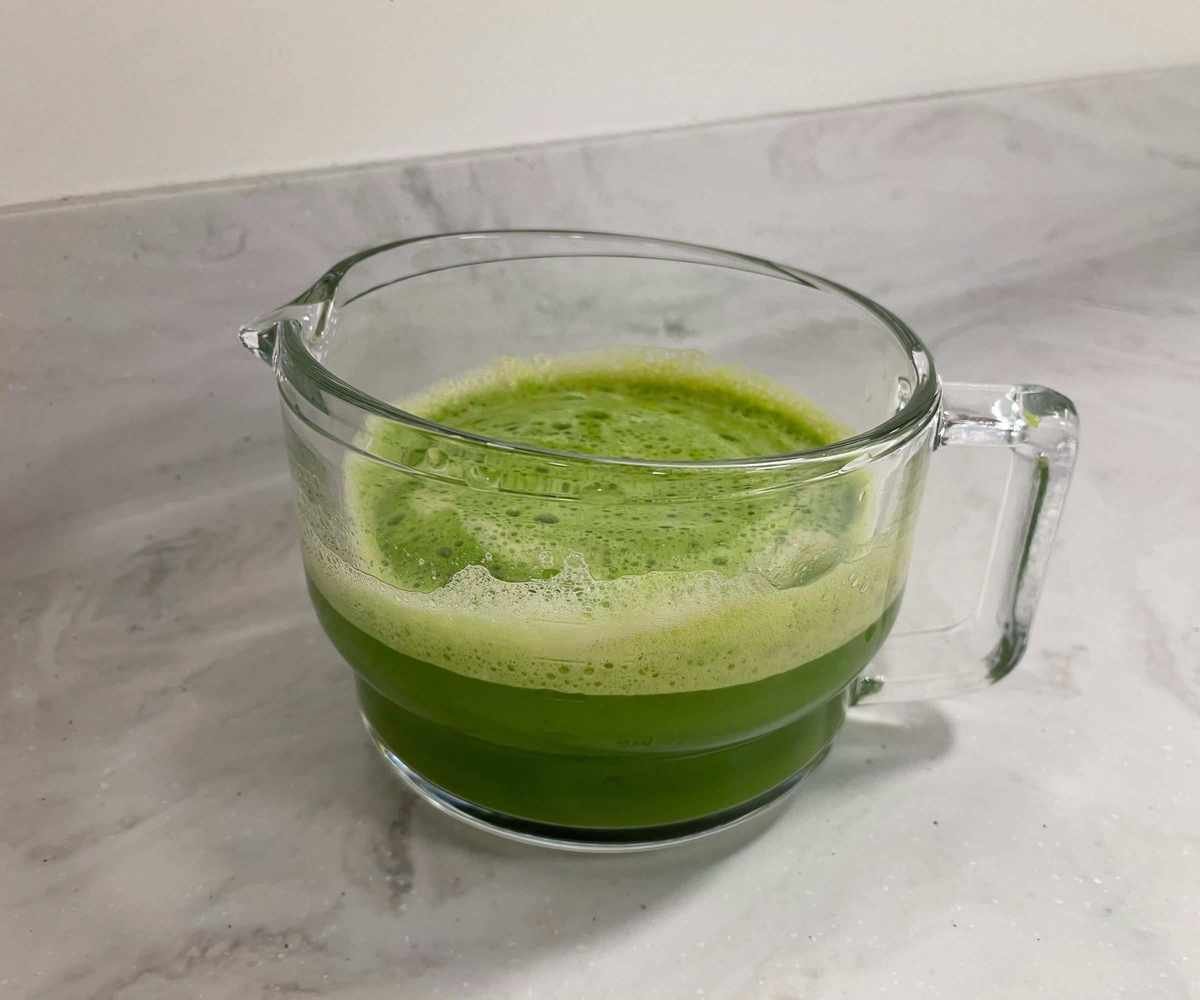
Juicer prices can range widely. While some top-tier models can cost thousands, even more affordable options can offer good value.
For under $100, you'll find basic centrifugal or manual juicers. Spending up to $250 typically yields more durable options with better features and juice yields, including entry-level masticating juicers.
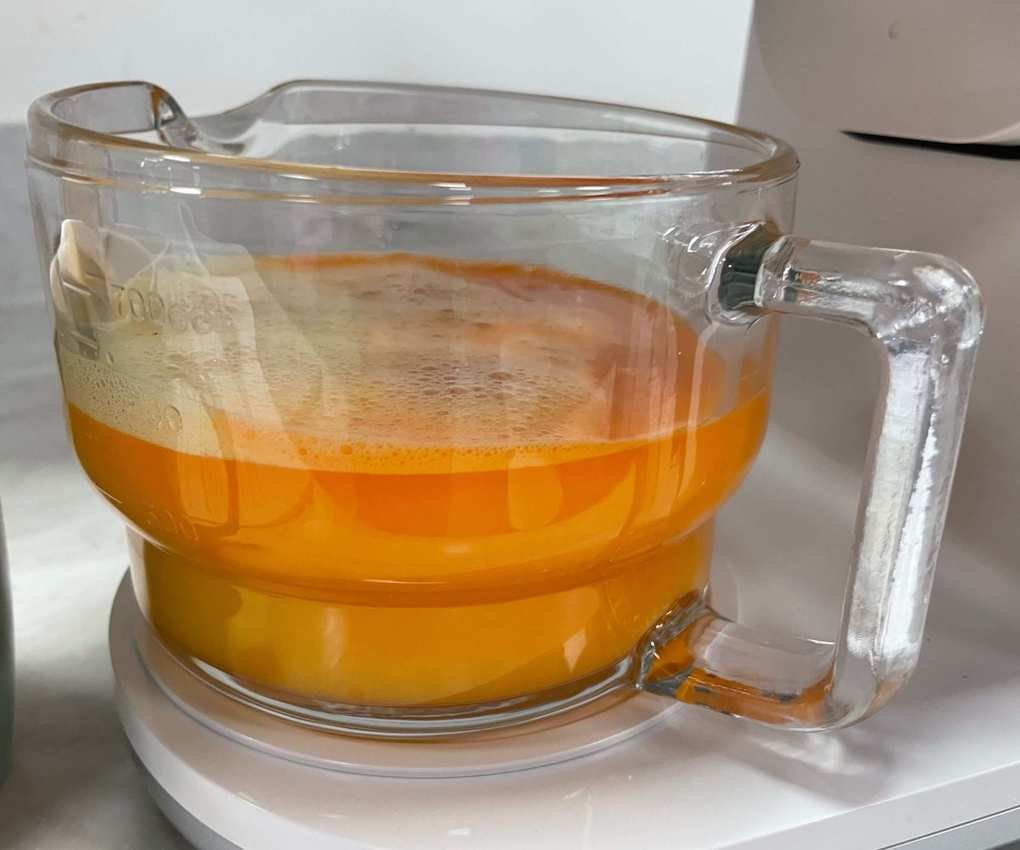
If your budget reaches $500, you'll find high-quality masticating and twin-gear juicers, offering superior yields, nutrient retention, and durability. Although they require a larger initial investment, they often come with extended warranties and premium materials.
For those willing to invest more, premium twin-gear and masticating juicers offer excellent warranties and extraction capabilities, but they can be challenging to assemble and clean. I recently tested the Tribest Greenstar 5, which produced the best juice I've tasted, though it has its complexities.
Assembly and Cleaning
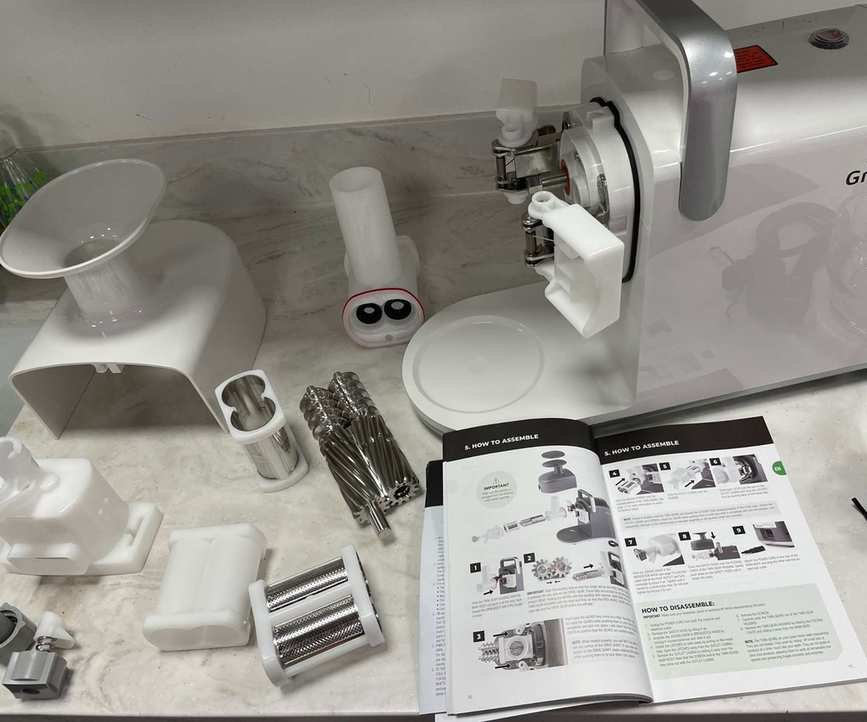
Consider the assembly and cleaning aspects, as they greatly impact your juicing experience. Basic models typically require little setup and are often dishwasher-safe.
In contrast, masticating and twin-gear juicers involve more parts that necessitate thorough cleaning. This can be tedious and may deter your juicing enthusiasm.
FAQs
What should a beginner consider before buying a juicer?
If you're new to juicing, it's wise to avoid splurging on high-end models. A budget of up to $250 is reasonable, especially if you're unsure of regular use. Assess your countertop space, opting for a smaller, portable, or manual juicer for tight kitchens, or a larger model if space allows.
Think about what you'll be juicing. For tough ingredients like leafy greens and fibrous vegetables, a more robust juicer is necessary, while softer fruits can be handled by simpler options.
Consider the time you're willing to invest in setup and cleaning, as more advanced models require more effort. A centrifugal model is a great starting point for beginners, offering quick juicing and versatility with various ingredients.
Which type of juicer is best for home use?
Our recommendations cater to home users, making centrifugal, masticating, and citrus juicers excellent choices for domestic settings. Twin gear juicers lean more toward commercial use in both design and function.
Which is better, a centrifugal or a masticating juicer?
We've explored the centrifugal versus masticating juicer debate thoroughly. Essentially, centrifugal juicers are faster and more user-friendly, while masticating juicers provide better yields, more nutrients, and superior juice quality.
Which juicer is the healthiest?
If health means extracting maximum nutrients, twin gear juicers are the best. They produce the most nutrient-rich juices, followed by masticating juicers. Centrifugal juicers, while effective, have lower extraction efficiency.



