

Roses blooming in spring are a true delight, heralding the warmth of summer with their vibrant colors and intoxicating scents. These exquisite plants require dedicated care, especially in April, to thrive throughout the season.
While often perceived as challenging to grow, roses can bring immense satisfaction when you understand their needs. With the right guidance and timing, any gardener can cultivate stunning roses that last for weeks.
There's a vast selection of rose varieties, from majestic shrub types to delicate ramblers, ready to transform your garden into a colorful paradise. Beyond their stunning blooms, many roses produce attractive hips in the fall, supporting local wildlife and adding visual interest even in winter.
1. Complete Your Pruning
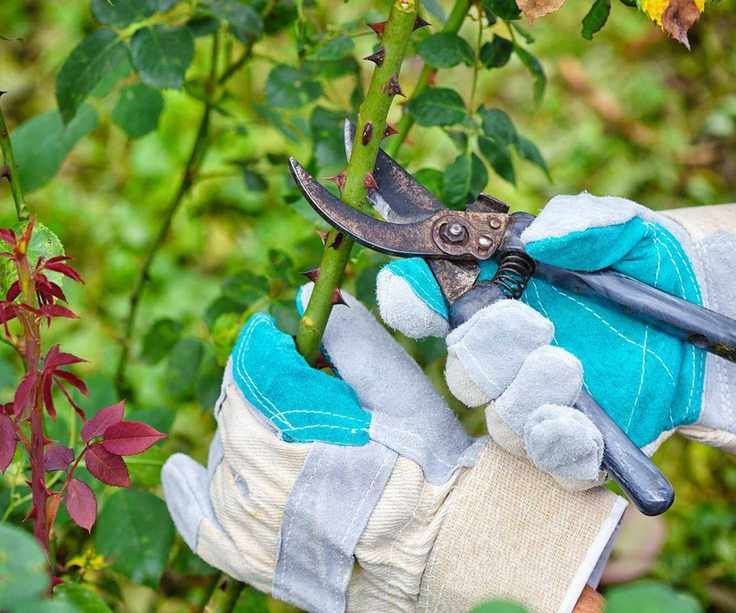
Effective pruning is crucial for healthy rose plants, but timing is everything. Cutting shrub and climbing roses too late can diminish their flowering potential and even shorten their lifespan, leading to costly mistakes.
Except for ramblers, pruning is best carried out while roses are dormant, post-frost.
“In most regions, late winter or early spring is optimal for pruning,” shares a rose expert. “In warmer areas, you might prune harder year-round. In the Mid-Atlantic, wait for the Forsythia to bloom before cutting your roses.”
Your pruning extent will vary depending on the rose type and desired size by season's end.
“Start by removing any dead, damaged, or weak canes,” the expert advises. “For shrub and groundcover roses like Knock Out® and Drift®, cut back to 12-18” and 6-10” respectively. Floribundas, Grandifloras, and Hybrid Teas can be trimmed by up to 2/3 or down to about 18-24”.”
Using the right tools can make all the difference. Clean, sharp loppers or hand shears like these help ensure clean cuts and reduce disease risk.
2. Secure Climbing Roses

April is an ideal month to secure climbing roses. This essential task not only shapes their growth but also allows for even coverage on walls or arches. Guiding branches horizontally encourages more side shoots and flower buds.
Complete this step as frost danger passes. For wall-climbing varieties, consider installing parallel straining wires, which provide a sturdy framework for tying branches.
While natural twine can work, soft wire ties from Amazon tend to last longer.
3. Fertilize for Optimal Growth

April is the perfect month to nourish your roses. As they begin to grow, these plants require nutrients to support new growth and flower production.
While you can create homemade rose fertilizers, many choose to apply granular feed around their plants.
“As new growth appears, apply an all-purpose fertilizer, such as 10-10-10,” recommends a plant expert. “This ensures new growth is robust and healthy.”
We recommend Greenview Multi-Purpose Fertilizer from Lowe's.
4. Mulch to Retain Moisture
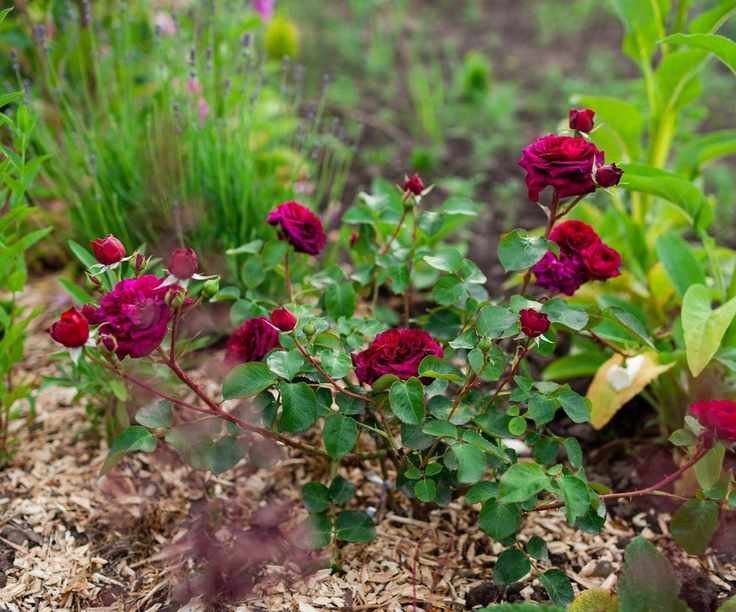
After fertilizing, spreading mulch around your rose plants is a smart move. This simple task offers numerous benefits for both you and your roses.
Mulch not only suppresses weeds but also conserves moisture and insulates roots from cold temperatures. While options range from gravel to pine needles and cedar chippings, manure is often a top choice.
“Ensure it’s well-rotted (when it no longer has a smell),” advises a rose expert. “If not, it may harm your plants and deplete nitrogen from the soil as it breaks down.”
Explore the best mulch options for roses, including those that provide natural pest control benefits.
5. Monitor for Aphids
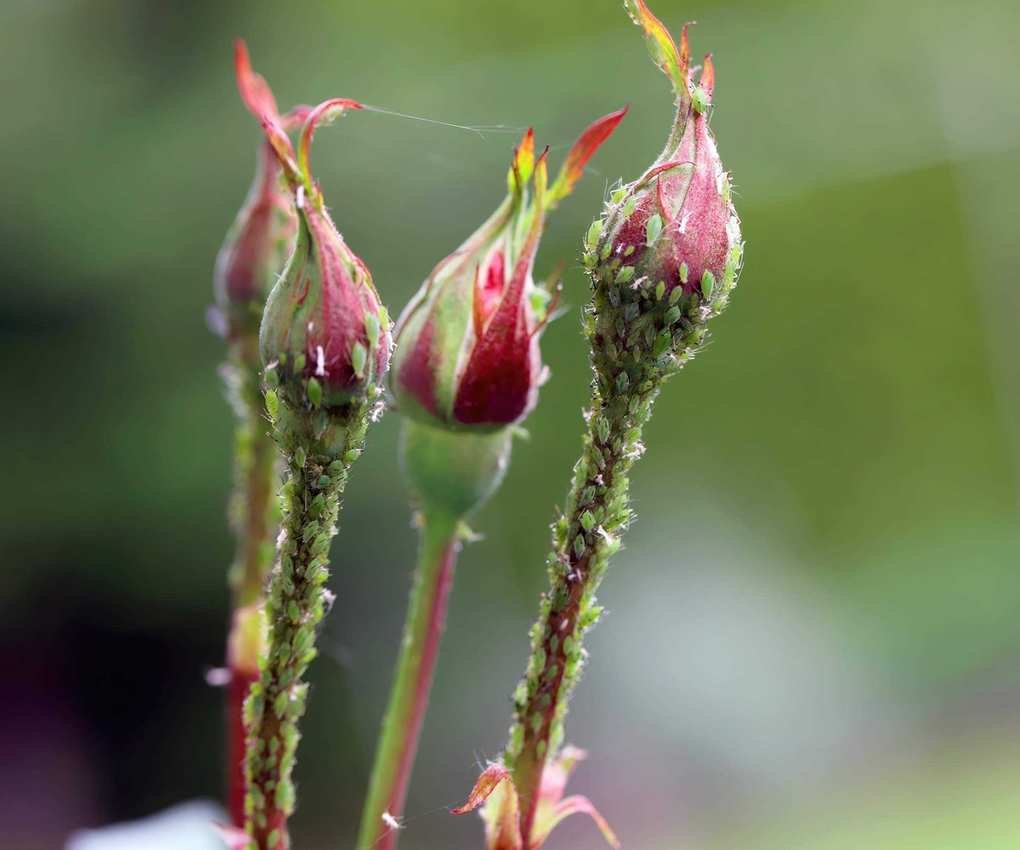
As the growing season begins, aphids often target fresh plant growth, including tender rose buds and new foliage. Their presence can quickly damage plants and reduce bloom potential.
Knowing how to eliminate aphids and attract beneficial ladybugs helps manage these pests effectively.
“If you notice aphids on your roses, don’t panic! There are simple ways to control them,” says the expert. “You can gently brush them off, squash them, or spray the plants with water to wash them away.
“A mild soap solution can also be effective: mix dish soap with water and spray it on your roses to dislodge aphids without harming the plant.”
Recommended Products:
Garden Roses Book: This book by a prominent rose grower covers everything about growing, cutting, and arranging roses.
Rose Booster Fertilizer: A concentrated liquid fertilizer designed specifically for roses. Dilute with water and apply weekly to enhance flowering.
Disease Control for Roses: This product is diluted and sprayed on roses to combat black spot, powdery mildew, and other issues.
If you love roses, consider a softer planting approach. Learn to design a romantic garden that reflects your style, or explore cottage garden ideas for a charming and flourishing space.



