Q: I just planted some rose bushes in my garden and heard that mulching is beneficial. What materials should I consider?
A: Applying mulch retains soil moisture, shields roots from winter cold, and suppresses weeds. Additionally, it enriches the soil. If you're growing roses, incorporating mulching into your care routine is essential, especially in this season to keep them healthy.
Several types of mulch are ideal for enhancing rose growth. Below, experts share their recommendations.
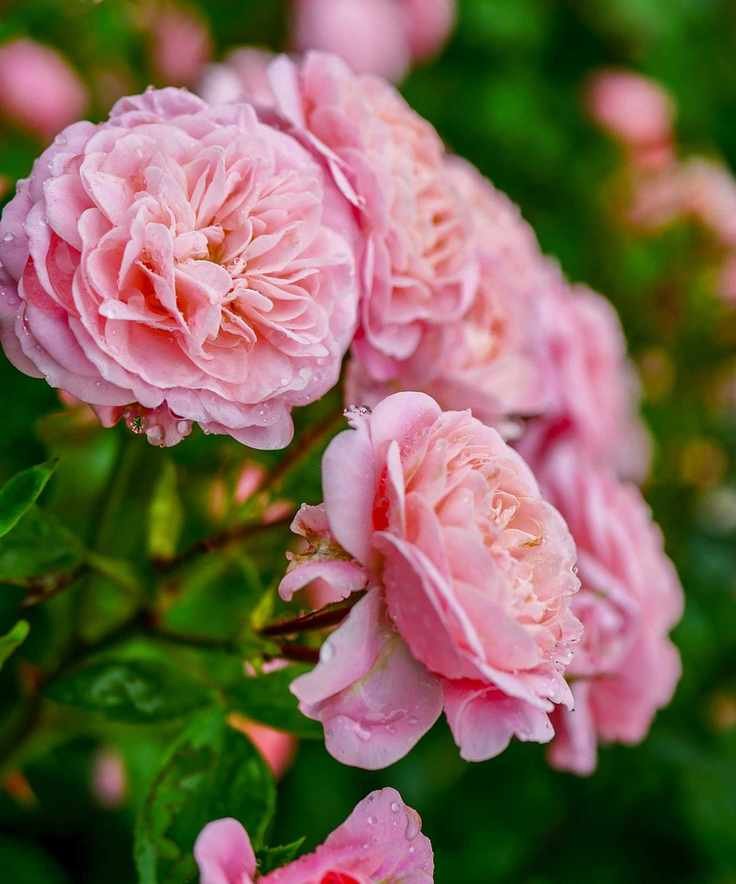
Mulching offers numerous advantages for rose plants
4 Effective Mulches for Robust Roses
Liam Beddall, from a renowned rose consultancy, suggests opting for organic, biodegradable mulch over aggregates. This choice benefits the soil as worms and microorganisms break it down, enhancing the soil structure and promoting better drainage.
These mulches also contribute nutrients as they decompose.
'As with anything, overdoing it can lead to issues, so varying your mulch each year fosters a rich layer of microorganisms in the soil,' he advises.

1. Homemade Compost

Homemade compost is nutrient-dense
Creating your own compost is a fantastic option for mulching roses, and it's economical too.
When properly composted, it provides ample nutrients to the soil. 'Incorporating a mix of green and woody materials while turning it regularly yields a good outcome,' says Liam.
Grass clippings serve as an 'excellent nitrogen source' and can enhance your compost mix, he notes.
2. Bark Chippings
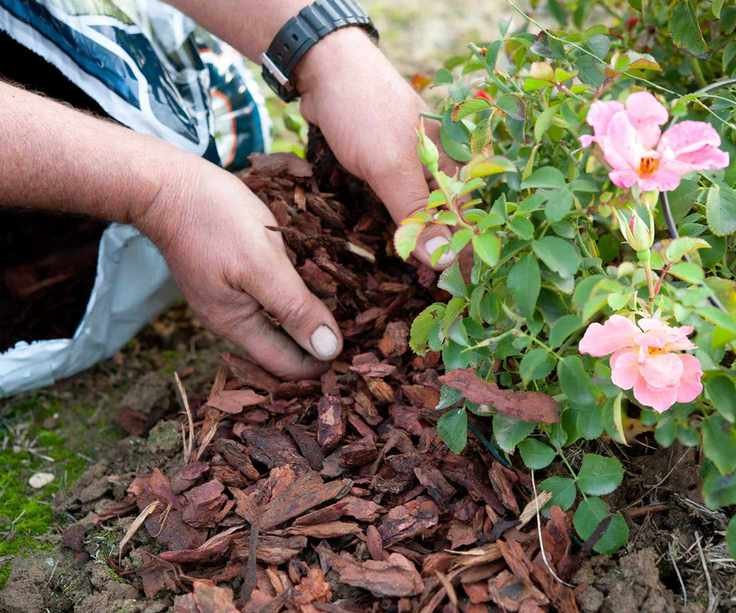
Bark adds visual appeal to gardens
Kiersten Rankel from a plant-care app endorses shredded bark as a fantastic mulch for roses.
'Whether you choose cedar, pine, or hardwood, bark mulch decomposes slowly, enriching the soil while effectively controlling weeds,' she explains. 'It also enhances the garden's aesthetics.' Additionally, cedar bark acts as a natural pest deterrent, she adds.
However, Liam warns, 'In a rose garden, using large bark pieces in thick layers may hinder water penetration, so proceed with caution.'
3. Leaves
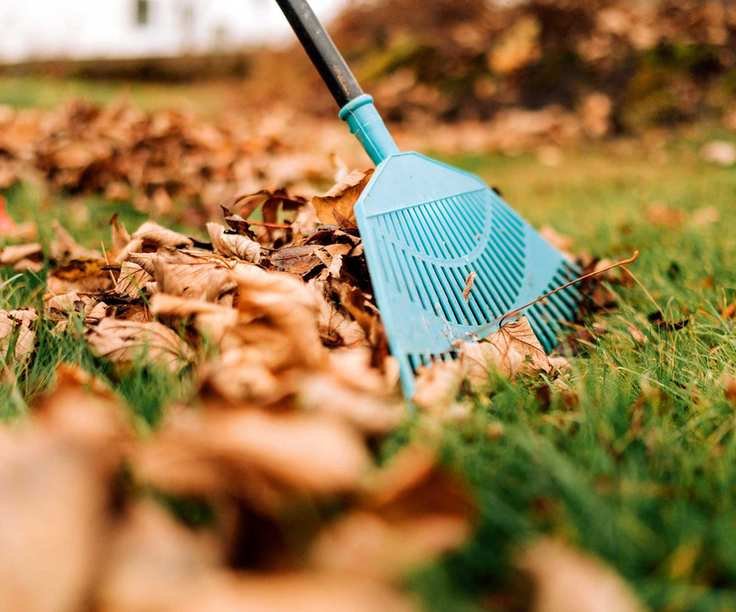
Utilize fallen leaves effectively
Composted leaves, known as leaf mold, can also serve as mulch for your roses.
'They're nutrient-rich, improve soil structure during decomposition, and foster an ideal habitat for beneficial organisms,' Kiersten notes. 'Collecting and composting your leaves is free, though they may need more frequent replenishing than bark mulch.'
4. Manure
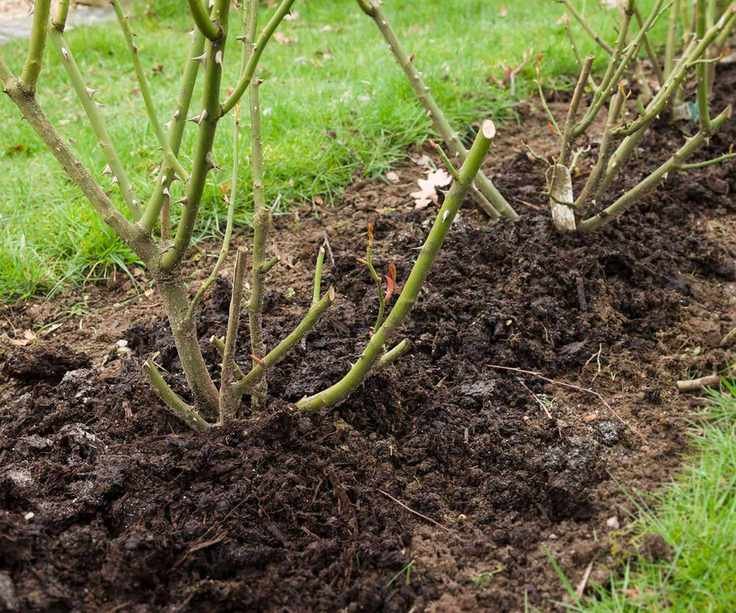
Ensure manure is well-rotted before using
Manures vary in nutrient levels, making them suitable as mulch or soil enhancers, according to Liam. They can improve both sandy soils and heavier clay ones.
'Just make sure it's well-rotted (you shouldn't be able to smell it),' Liam adds. If not, it might scorch plants and deplete nitrogen as it decomposes.
FAQs
Are pine needles suitable for roses?
'Pine needles are acidic,' Liam cautions. 'While they suit ericaceous plants, they can alter the pH level as they break down. Roses can tolerate some acidity, but extremes are not ideal.'
When to apply mulch for roses?
'We suggest applying mulch in spring, right after your first feeding,' Liam recommends. 'This locks in moisture accumulated over winter and suppresses weed seed germination.'
Kiersten also suggests a late fall application to insulate plants through winter.
Stephanie Waltz from a rose and plant company recommends mulching right after planting, regardless of the season.

How should mulch be applied to roses?
'Spread one to two inches around the rose, extending as wide as the branches reach,' advises Stephanie. 'Leave a few inches clear around the base to prevent contact with the rose, which can lead to rot and disease.'
Looking for more tips on rose care? Check out our guides on watering and pruning roses.