
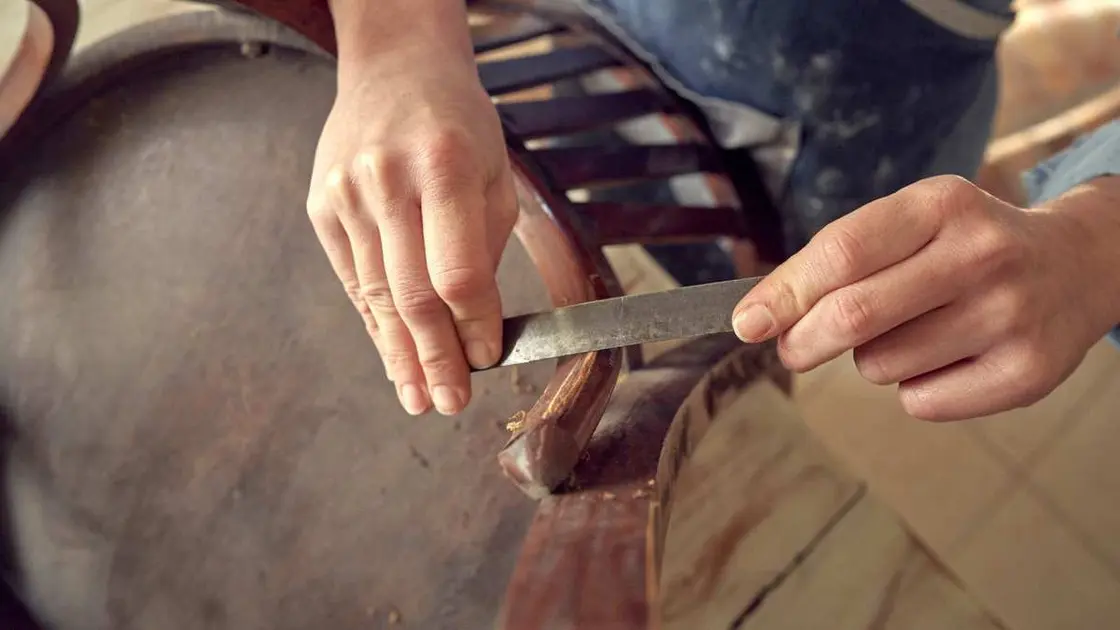
Wood furniture holds a timeless charm, but its varnish can wear out over time. Fortunately, refinishing is an accessible way to give your cherished furniture a new lease on life.
This process is vital for restoring wooden pieces, especially antiques that require more than just a quick clean-up to look their best.
Here's a simple four-step method to refinish wood furniture at home.
Refinishing Wood Furniture
Instead of painting over stained wood, revarnishing preserves its classic appeal while updating its aesthetic. These four steps are quick, straightforward, and immensely rewarding.

1. Clean the Surface with Mild Detergent
Cleaning is a crucial initial step in any DIY task, as it eliminates dust, grime, and residual wax, advises renovation expert Jaxon Smith.
He suggests using a gentle wood cleaner or a mixture of warm water and dish soap, like Dawn, available at Walmart. Be careful not to oversaturate the wood; gently wipe with a soft cloth or sponge.
2. Lightly Sand the Piece and Remove Dust
Sanding is necessary to eliminate old wax and varnish that may interfere with the new stain's color.
To expedite the process, use an electric sander or a sanding block with coarse-grit sandpaper (60 to 80 grit) to strip the old finish, recommends woodworker Goodell David. Sand along the wood grain, applying light pressure and avoiding excessive sanding in one area.
After sanding, vacuum or use a tack cloth to eliminate dust. Wipe the surface with a damp cloth and allow it to dry. You may need finer-grit sandpaper (120 to 180 grit) for any rough spots. Repeat the dusting and wiping. Finish with an even finer sandpaper (220 to 320 grit) to prepare the surface for staining.
If the furniture was painted previously, you might need to strip the paint to expose the wood beneath.
Wet and Dry Sandpaper Set, 120-3000 Grit | $14.68 at Amazon
This versatile sandpaper set includes various grits and a holder for easy handling.
3. Apply the New Finish and Let it Dry
The best approach for staining wood is to start with a wood conditioner, ensuring even absorption of the new stain.
For revarnishing, select a high-quality varnish or polyurethane suitable for furniture, available in finishes like satin, semi-gloss, or high-gloss, suggests designer Jacky Chou.
Apply thin, even coats using a quality brush or a lint-free cloth, following the wood grain. Allow each coat to dry completely, lightly sanding with fine-grit sandpaper (around 320-400 grit) between coats. Aim for two to three coats for durability.
To avoid drips and bubbles, apply thin layers and work in small areas, maintaining a wet edge and minimizing strokes. Be patient to let the varnish self-level. If bubbles form, gently brush them with a dry brush or foam brush.
Minwax Pre-Stain Conditioner | Was $14.25, Now $7.98 at Walmart
Minwax Pre-Stain Wood Conditioner is recommended for promoting even coverage of oil-based stains, drying in just 15 minutes.
4. Finish with a Protective Wax Coat for Added Durability
This step is optional but recommended for a glossy finish and added protection against water damage and scratches.
Select the appropriate wax based on your varnish and wood type to achieve the desired look and protection. Options include paste wax, liquid wax, beeswax, or carnauba wax, according to Goodell David.
Paste wax offers durability but requires more effort to apply, while liquid wax is simpler to use but may not last as long. Apply a thin layer in circular motions with a clean cloth or brush, allowing it to dry until hazy.
Buff the wax with another clean cloth or brush for your desired shine. More pressure results in a glossier finish, while less pressure yields a matte look. Apply additional wax layers for extra protection or luster, repeating the drying and buffing process until satisfied.
FAQs
Should I Sand or Strip Wood Furniture?
Your choice depends on the old finish. Painted furniture or those with thick wax may require stripping for proper adhesion of the new finish, while varnished pieces may only need light sanding.
Is Sanding Necessary Before Restaining?
Sanding is essential for restaining or varnishing wood. It removes the old color, ensuring the new finish adheres properly and absorbs evenly.
After refinishing your wood furniture and applying a protective wax, remember to care for it by using coasters for drinks, avoiding dragging the furniture, and using appropriate cleaners like wood polish spray to maintain its appearance.



