
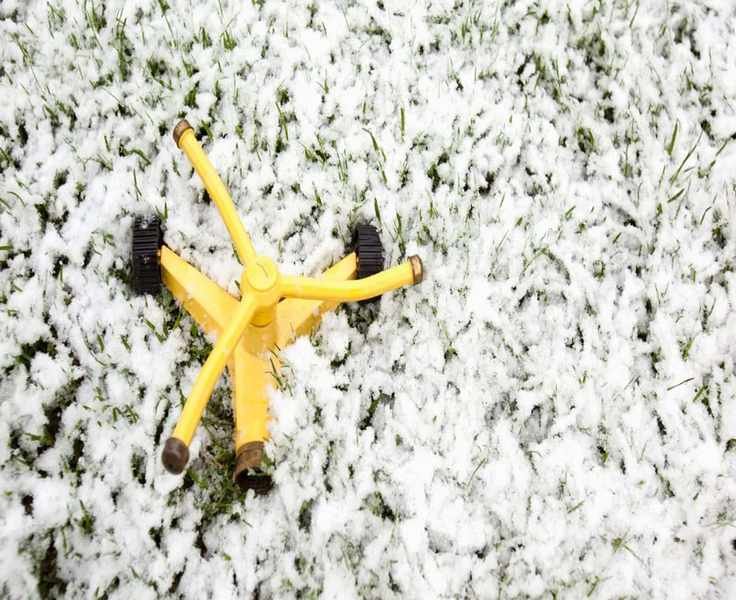
Sprinkler systems play a vital role in maintaining lush lawns. As winter approaches, it's essential to allocate time for winterizing your system.
If you neglect to turn off and drain your sprinklers, freezing temperatures can cause any remaining water to expand, leading to burst pipes and hidden leaks that may only surface when you reactivate the system.
Understanding when to winterize your system is just as crucial as knowing how to do it. Some systems are straightforward enough for a DIY approach, while others may need professional assistance.

Using compressed air to drain sprinklers
Is Winterizing My Sprinkler System Necessary?
Preparing your sprinkler system for winter is a critical part of your fall gardening checklist. Ignoring this task can lead to costly repairs. We consulted with irrigation specialists to outline the best practices for winterizing various sprinkler systems.

Frozen water in irrigation pipes can cause damage
4 Steps to Winterize Your Sprinkler System
It's essential to deactivate your sprinkler system a few weeks prior to the expected frost in your area or US hardiness zone. Completing all necessary preparations before the temperature drops ensures that all water is removed from the system, preventing any damage from freezing. Leftover moisture in pipes and sprinkler heads can result in ruptures, leading to costly repairs.
Once you're clear on the timing and necessity of winterizing your system, you need to understand the specific methods. Allison Harrison, co-owner of a plumbing service, shares four key steps for safely shutting down and protecting your sprinkler system for winter.
- Shut off the water supply: Begin by turning off the main water supply to your sprinkler system.
- Drain the system: There are various methods to remove water from the pipes, including manual drains, automatic drains, and the blow-out method. The blow-out method is the most effective but typically requires professional equipment.
- Insulate components: Protect above-ground parts like backflow preventers and valves using foam insulation tape or insulation bags.
- Deactivate the controller: For systems with a timer, switch it to “off” or “rain mode” to conserve energy and reduce wear.
As Allison pointed out, different systems may require distinct draining techniques. Always refer to the manufacturer’s guidelines for specific instructions.
Plumbing expert Josh Mitchell explains that some systems may have manual valves at low points that can be opened to drain water. Others might feature automatic drain valves that activate when the pressure decreases. By shutting off the main water supply, the pressure drops, allowing these valves to open.
Regarding the blow-out method, Josh notes, 'This technique uses compressed air to expel any leftover water from the system. It’s particularly effective in areas prone to deep freezes. However, it’s crucial to maintain the correct pressure, as excessive force can harm your system. Typically, 50-80 psi is adequate, depending on the pipe materials used.'
Using an air compressor, you can blow out the excess water from pipes and sprinkler heads. However, be cautious—too much pressure can lead to pipe damage or personal injury from debris. Engaging professionals is often the safest route to avoid significant damage to your irrigation setup.

Allison Harrison, co-owner of a plumbing service in New Orleans, provides invaluable insights into winterizing.

Josh Mitchell, plumbing technician and owner of a plumbing service, emphasizes the importance of preparing irrigation systems for colder months.
FAQs
Can I Winterize My Sprinkler System Myself?
Yes, you can drain and shut off your sprinkler system on your own. However, it’s vital to understand your system and feel comfortable with each step. The blow-out method can be complex and potentially hazardous, so be sure to take precautions and wear safety gear.
Josh advises, 'While DIY can save money and be rewarding, mistakes can lead to costly repairs. If you're unsure or have a complicated system, seek professional help.'
Can Sprinklers Sustain Damage in Winter?
Yes, winter frosts can damage sprinklers, as any water trapped inside can freeze and fracture the components. Often, this damage remains hidden until you activate the system in spring. Additionally, sprinkler lines can also sustain damage from freezing water.
As you plan your fall lawn care, remember to include winterizing your irrigation system along with essential tasks like aeration, scarifying, and overseeding.



