
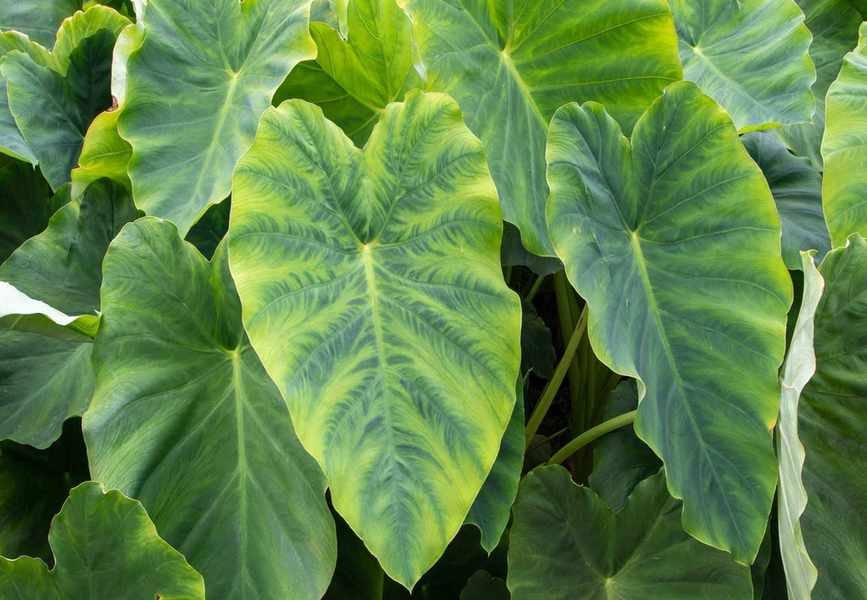
Understanding how to care for elephant ears lets you appreciate the stunning, velvety leaves of this remarkable plant, whether in your garden or in pots.
Known for their striking foliage, colocasia comes in various hues, with massive leaves that can be bright lime green or deep burgundy.
These tender perennials inject a tropical feel into any environment, especially when paired with ferns or other exotic varieties. Their leaves can expand to two feet wide, making them a captivating addition to your landscaping.
Elephant ears can also thrive indoors, so let's explore how to nurture them both outside and inside.
Caring for Elephant Ears in Your Garden
Before diving into care methods, it's crucial to know when to plant them.
Set elephant ears in the spring after the last frost and when the soil has warmed.
Use a balanced liquid fertilizer high in nitrogen monthly during their growth phase and maintain moist soil. They thrive in wet, boggy conditions or near garden ponds.
Do Elephant Ears Require Plenty of Sunlight?
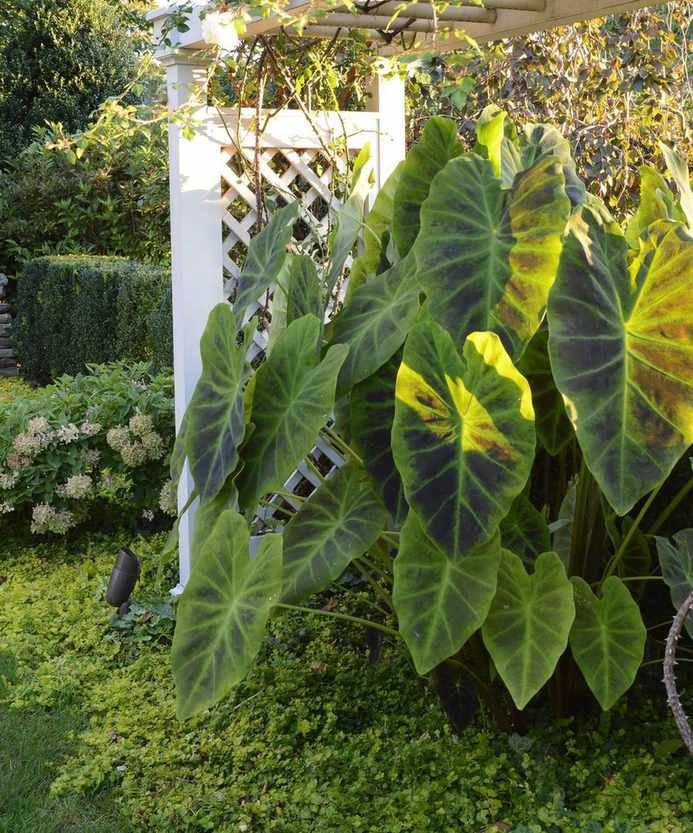
While elephant ears do need some sunlight, too much can harm them. Choosing an appropriate location in your garden is vital for their success in your flower beds. They can serve as eye-catching elements in front yard displays.
As a tropical plant, colocasia thrives in warmth, humidity, and rich, moist soil. They prefer dappled shade in a sheltered area.
Positioning them near a wall or fence can shield them from excessive sunlight. Their large leaves add interest to plain walls and boundaries, enhancing your garden fence aesthetics.
How Often Should You Water Elephant Ears?
Knowing the right watering frequency is crucial for elephant ears. Always keep the soil moist and prevent it from drying out.
In certain climates, this may mean daily watering, sometimes multiple times. Consistent moisture is essential for their growth during summer.
Caring for Elephant Ears in Winter
To successfully overwinter elephant ears, care methods may vary based on your hardiness zone.
Colocasia typically thrives in zones 8b to 11, allowing for year-round outdoor growth, but they need special winter precautions in colder areas.
In frost-prone regions, dig up tubers in the fall, just before or after light frosts. Allow them to dry in a warm, dry place for 1 to 2 weeks.
In marginally hardy areas (zones 7 to 11), mulch with shredded leaves and grass clippings to help the plants survive winter.
Let the stems die back naturally instead of cutting them, as this encourages better growth.
For tubers that have been lifted, replant them in early spring in a warm location.
Should You Prune Elephant Ears?
If you live in a colder area and want to store the tubers for winter, trimming back is necessary.
If you've overwintered dahlias before, the process is similar for elephant ears. They should be dug up when temperatures drop below 40°F.
Begin digging about a foot from the plant's center, carefully lifting it out of the ground. Move it to a dry area and once the root ball dries, trim the stems.
Place the tubers in an open container filled with vermiculite, peat moss, or sawdust to keep them dry and prevent rot. Store them in a dry location away from frost, like a shed or garage.
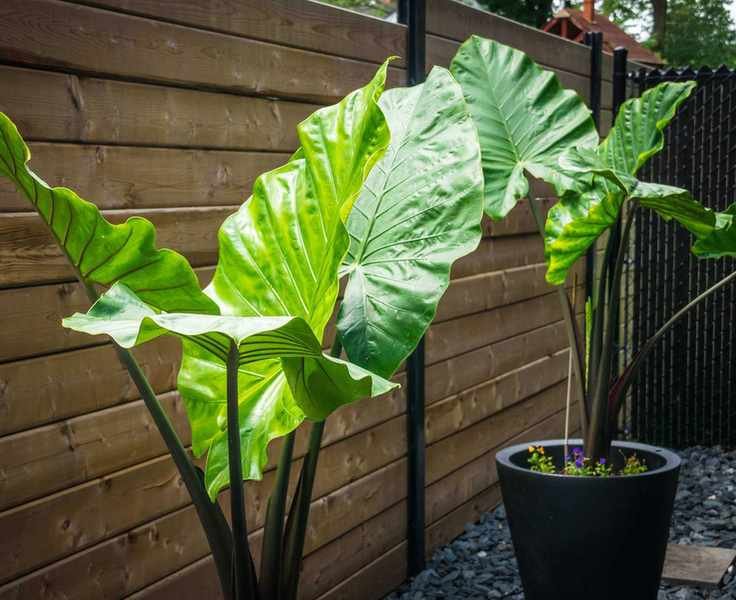
Are Elephant Ears Suitable for Containers?
Elephant ears can create a striking presence when planted alone in a large container.
When growing them in pots, water generously during the summer, but reduce watering in winter, as they will go dormant.
Before frost threatens, move potted elephant ears indoors and treat them as houseplants in a cool, bright area.
These plants thrive in shady spots like porches or decks, adding a tropical flair to your patio. They also make excellent additions to poolside settings.
Repot your colocasia when it outgrows its current container to prevent being pot-bound.
How to Care for Indoor Elephant Ears?
For indoor elephant ears, maintain temperatures above 70°F (21°C). If temperatures drop, they may go dormant and lose leaves.
These plants can be among your best winter houseplants. Ensure they receive adequate light by placing them in bright locations. With proper care, they can deliver stunning foliage year-round.
Water sparingly in winter but avoid letting them dry out completely.
By following these guidelines, your elephant ears can thrive and provide enjoyment for years.



