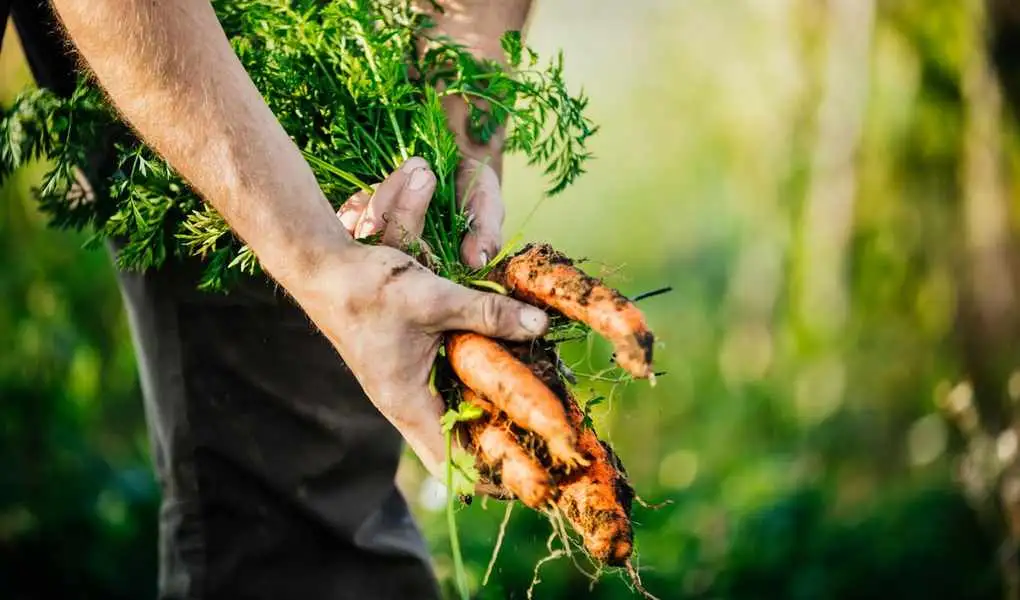
Carrots are a beloved root vegetable and a common choice in home gardens. Whether you're cultivating traditional orange varieties or unique heirloom types in shades of purple, red, or white, they require minimal care but thrive with consistent watering and fertilization.
Providing the right nutrients at the right moments ensures robust roots with great flavor. While carrots are generally light feeders in comparison to other crops, they yield the best results when fertilized at planting and again during the growing season.
If you cultivate carrots, your goal is to produce long, straight roots without stress. This guide to carrot fertilization explains when to apply nutrients and which products to choose. Plus, we'll highlight pitfalls to steer clear of that could jeopardize your yield.

When to Apply Fertilizer to Carrots
The initial step in any fertilization strategy is assessing your soil's current condition, which can be achieved through a soil test.
A budget-friendly lab kit, like this soil testing kit on Amazon, can provide valuable insights into the nutrient composition of any soil type, revealing deficiencies and excesses to manage.
Before sowing carrots, it's crucial to prepare the soil. This might involve adding homemade compost or well-decomposed organic matter to enhance fertility and improve drainage.
In addition to compost or aged manure, which should ideally be mixed in 4-6 weeks prior to planting, applying a slow-release granular fertilizer at seeding is also recommended.
After the seeds sprout and the plants emerge, the next round of fertilization is necessary. According to gardening expert Robin Phelps, 'Carrots thrive from fertilization during early root growth, just after thinning.'
Following the initial fertilization, Robin also suggests applying a 'light side-dressing around mid-season' if growth appears sluggish. A quick nutrient boost can reinvigorate plants and enhance your carrot harvest.

Robin Phelps is a gardening and preserving coach, passionate about nurturing green spaces and enjoying nature's bounty. With over 20 years in the field, Robin started her journey with a balcony garden and now cultivates on 3 acres. She loves sharing her knowledge with fellow gardeners.
How to Fertilize Carrots

Choosing appropriate methods and types of fertilizers is crucial for the growth and flavor of your carrots. Making informed choices is vital, including avoiding one major fertilization error that can spoil your harvest.
Pay attention to the NPK ratio when selecting any fertilizer for your garden. This ratio, indicated by numbers on the packaging, reveals the proportions of nitrogen, phosphorus, and potassium.
So, what does this mean for fertilizing carrots?
'Before planting root vegetables, incorporate phosphorus into the soil,' advises Susan Mulvihill, a skilled gardener and author of The Vegetable Garden Pest Handbook.
Look for fertilizers with a higher second number in the NPK ratio, which indicates sufficient phosphorus. Bone meal is an excellent option to mix with soil prior to planting, fostering robust root growth.
Robin Phelps recommends using 'low nitrogen, higher phosphorus and potassium' fertilizers, such as a 5-10-10 NPK blend once the carrots germinate. At this point, granular fertilizers should be applied as a side-dressing before watering to enhance nutrient absorption.
Susan Mulvihill warns against using high-nitrogen fertilizers for root crops, stating: 'Such fertilizers encourage foliage growth at the expense of roots, potentially causing roots to fork and split.'
Apart from high-nitrogen fertilizers, Robin advises against fresh manure, as its high nitrogen content can harm roots.
Additionally, it's wise to mulch around carrots once seedlings emerge to retain soil moisture, suppress weeds, and gradually add nutrients as the organic matter decomposes.

Susan Mulvihill authored The Vegetable Garden Problem Solver Handbook, available on Amazon, and manages a 5-acre garden in Spokane, Washington. She has contributed garden columns to the Sunday edition of a local newspaper for nearly two decades.
Top Fertilizers for Carrots
Vegetable FertilizerThis 5-10-10 all-purpose fertilizer is perfect for vegetable cultivation, including carrots, and provides slow nutrient release.
Bone MealBone meal offers a rich source of phosphorus, essential for strong root development and early growth.
Organic CompostThis compost consists of natural materials, such as aged forest products, peat moss, lobster meal, and crab meal, suitable for all vegetables.
FAQs
Is Tomato Fertilizer Suitable for Carrots?
Fertilizers designed for tomatoes may not always be ideal for carrots, as formulations can vary widely.
Typically, many tomato fertilizers contain high nitrogen levels, which can lead to forked carrot roots. Always check the NPK ratio before applying any fertilizer.
Opt for lower nitrogen tomato options and consider balanced tomato and vegetable fertilizers, like this organic tomato and vegetable granular food at Burpee with a 3-6-4 NPK ratio, better suited for carrots.
What Homemade Fertilizer Works Well for Carrots?
The top homemade fertilizer for carrots is compost. You can create your own plant feed using garden waste, kitchen scraps, and items like cardboard, resulting in nutrient-rich compost to enhance soil for carrots.
When you grow carrots in containers, they require more frequent feeding than those in the ground. Use a potassium-rich liquid fertilizer, such as this seaweed and kelp fertilizer from Amazon, every few weeks during the season. Since carrots can deplete soil nutrients quickly, regular feeding is essential for optimal harvests.