
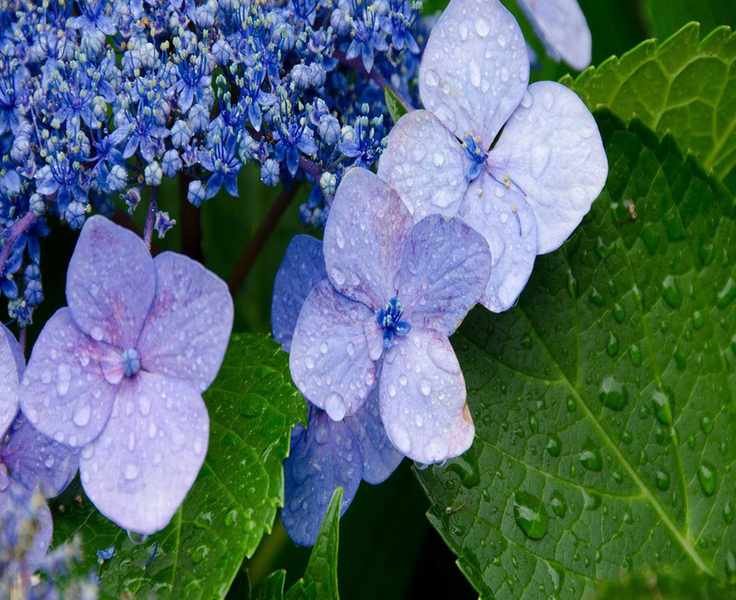
Q: I recently purchased three hydrangeas for my yard. One will be in a pot on my patio, while the other two will be placed in a wide border. What's the best way to water them for optimal growth?
A: Hydrangeas are stunning garden shrubs, blooming vibrantly from summer through fall. Care for them is straightforward, but maintaining proper moisture is essential. If the soil becomes too dry, you'll see wilting leaves and fewer flowers.
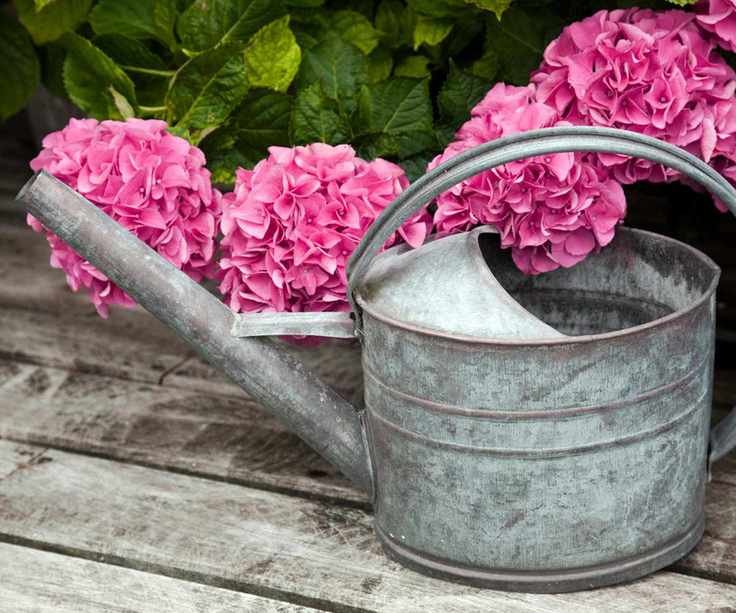
Hydrangeas thrive with ample moisture
Watering Hydrangeas in the Ground
"Hydrangeas enjoy moist environments and flourish in damp conditions," says gardening expert John Negus. However, avoid excessively wet areas that can lead to waterlogging. A sheltered spot also helps protect these plants from harsh winds.
"Before planting, mix in moisture-retaining well-rotted garden compost or aged manure," he adds. This will help keep the soil from drying out. Soak your hydrangea thoroughly before planting, then water generously. For the next few weeks, continue to water frequently to ensure proper establishment. Applying mulch can further retain moisture in the roots.
Established hydrangeas also require additional watering during dry spells. Test the soil with your finger; if it feels dry, it's time to water. Once to three times a week should suffice.
When watering, aim the hose or watering can at the base of the plant instead of the leaves to prevent powdery mildew. Early morning is the best time to water, as it minimizes evaporation losses compared to later in the day.
For drier soils, consider the North American H. arborescens, particularly the cultivar "Annabelle" [available at Nature Hills]. This variety produces large, spherical ivory blooms from fresh green buds on plants that can reach 8 feet tall.
Haws Professional Long Reach Watering Can | $148-$178 from Terrain
Water your plants with this stylish, rust-resistant steel watering can from England, available in two colors and sizes.

With over 50 years in gardening journalism, John regularly responds to reader queries in Amateur Gardening magazine. He's authored four books and has given numerous horticulture talks.

Trained at Kew Gardens and with experience in parks department nurseries, Anne has been a freelance horticulturist since 1986. She contributes to Amateur Gardening in the UK and has been a panelist on BBC Radio 4's Gardeners' Question Time for 27 years.
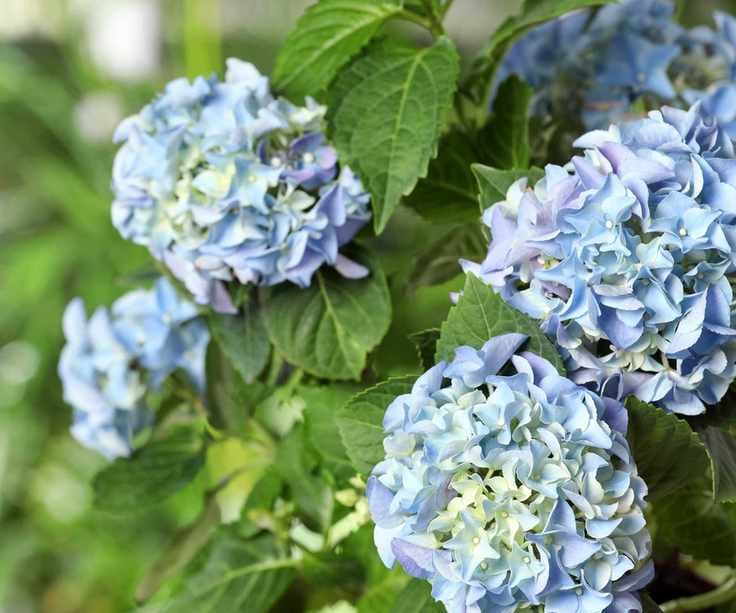
Ensure moisture-retentive soil for your hydrangeas
Watering Hydrangeas in Pots
"Loam-based compost retains moisture better than peat-based variants, but all potted plants require regular watering unless it's raining consistently," advises John. Their roots are more restricted and shallow, and foliage can block rain from reaching the compost. Keep a close eye on your potted hydrangeas, especially in warm weather.
When the soil appears dry, water deeply around the plant to saturate the compost evenly, allowing excess to drain from the bottom. Elevate your pots on pot feet, such as these non-slip UFelice risers from Amazon, to prevent excess water accumulation that could lead to root rot. Fertilizing potted hydrangeas is also beneficial, as nutrients quickly deplete in potting mixes.
If temperatures soar, consider moving pots to a shadier location to help retain moisture, recommends the Royal Horticultural Society.
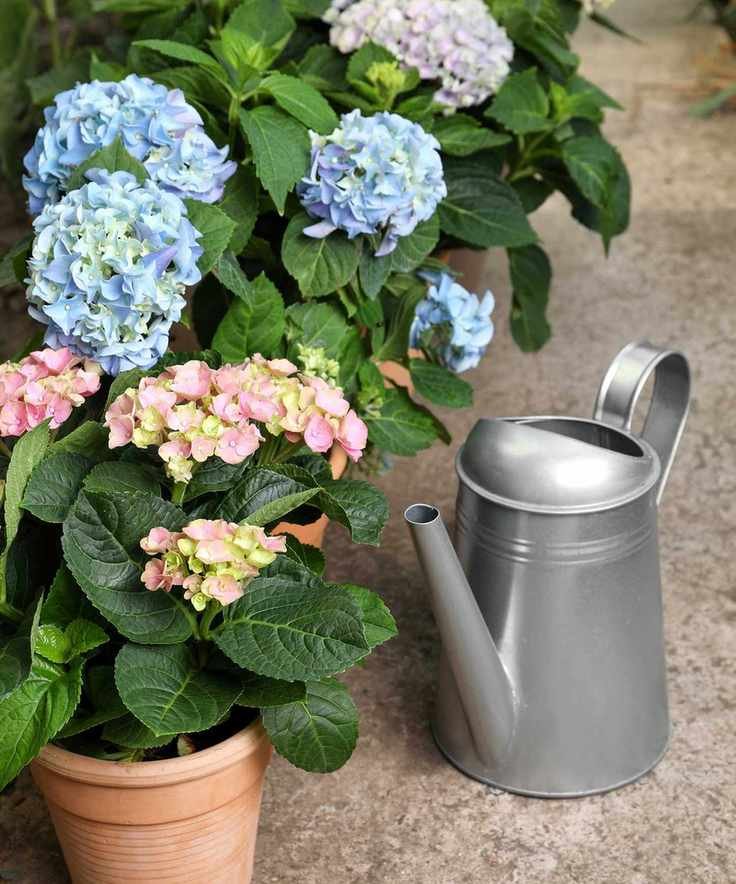
Potted hydrangeas dry out faster than those in the ground
Common Questions
Should you water hydrangeas during winter?
Even though hydrangeas go dormant in winter, they shouldn't be allowed to dry out completely. You won't need to water them as frequently as in spring and summer, particularly if they're in pots. Monthly watering is usually sufficient, but they may require more if your area has little rainfall or snow, or if you're overwintering them indoors.
One last point to consider when watering these beautiful shrubs: if you want to keep your blue blooms, maintain soil acidity. Using harvested rainwater is ideal, as tap water can be alkaline in hard water areas, turning flowers pink.



