
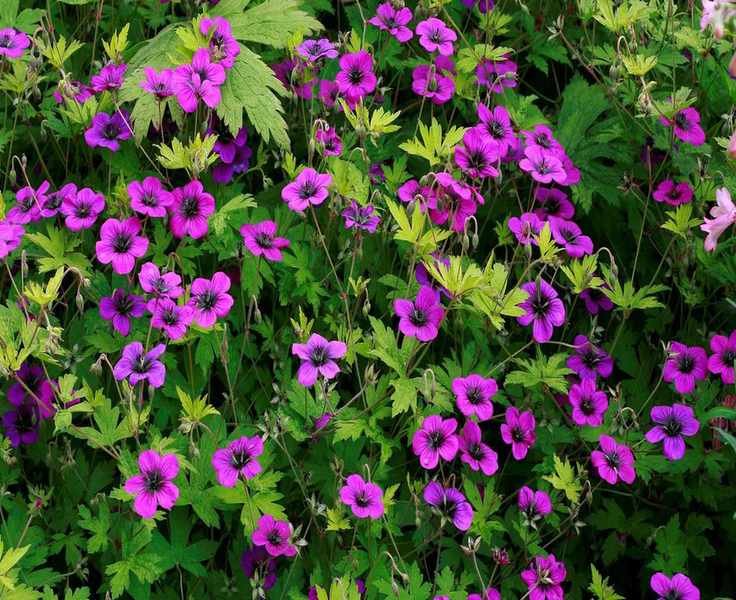
Looking for a reliable plant that offers vibrant flowers and thrives in almost any soil? Geraniums are your answer. With the right care, they can bloom continuously throughout the year.
Known as cranesbills, hardy geraniums rank among the most favored drought-tolerant flowering perennials across the United States. They serve excellently as ground cover and pair beautifully with other perennials, shrubs, and roses. Many varieties are easy to cultivate, making it simple to amass a delightful collection.
According to the American Horticultural Society, cranesbills are 'the most popular of all hardy perennials, essential for bed, border, and ground cover plantings in various light conditions.'
These dependable plants offer stunning displays and great value, blooming year after year. Hardy geraniums come in an array of flower colors, from soft whites to rich violets, and various heights, from 4 inches for ground cover to impressive 40-inch varieties. Their foliage is equally appealing, and they require minimal maintenance while attracting bees. With a few expert tips, you can enjoy flourishing geraniums every year.
Keeping Geraniums Blooming
To maintain your geraniums' blooms, it's essential to focus on a few key aspects. We've gathered insights from experts on how to keep your hardy geraniums flourishing throughout the summer. With some straightforward care and maintenance, you can ensure beautiful blooms from late spring until the first frost.
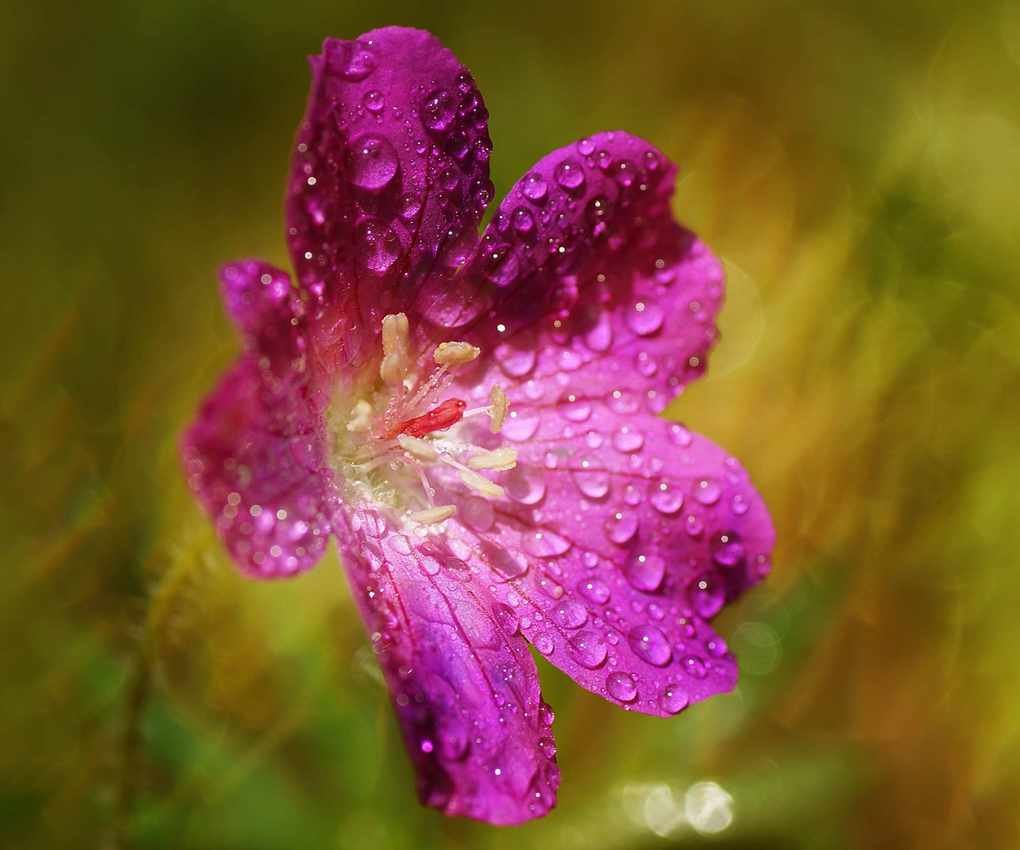
What Causes Geraniums to Stop Blooming?
If your geraniums seem to be struggling, identifying the cause is vital for revitalizing them.
Common reasons for non-blooming geraniums include insufficient sunlight, chilly temperatures, frost, poorly draining soil, or excessive nitrogen fertilizer.
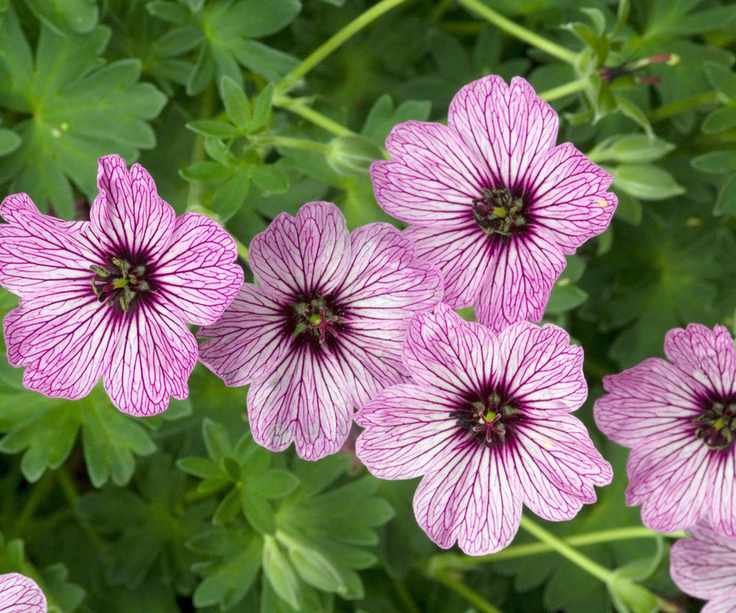
For long-blooming varieties that last from late spring through autumn, consider options like 'Ballerina' (pink flowers with purple veins), available at Monrovia, 'Orion' (clouds of blue blooms), Rozanne 'Gerwat' (blue, white-eyed), available at Nature Hills, and 'Tiny Monster' (magenta with dark veins), available from Monrovia.
5 Tips for Keeping Geraniums Blooming
Geraniums come in multiple sizes, colors, and can provide year-round interest. They adapt well to various garden conditions, ranging from hot, dry areas to moist woodlands and challenging dry shade. If your geraniums are struggling to bloom, a few simple actions can help you achieve success. Here are some tips from the experts:
1. Ensure Adequate Sunlight
For optimal blooming, geraniums require around 4 to 6 hours of sunlight daily during summer.
Also, plants exposed to extreme sun or shade will thrive better if the soil remains moist.
2. Prune and Deadhead Regularly
Hardy geraniums benefit from consistent pruning and deadheading. After the initial spring bloom, trim the plant back by a third and remove spent flowers.
Deadheading geraniums helps remove long stems with fewer leaves and flowers. The new foliage that grows will be healthier, promoting the development of new buds.
3. Check Soil Drainage
Your geraniums might not bloom due to poor soil conditions. Like many perennial plants, geraniums thrive in well-draining soil. They may struggle to bloom in waterlogged conditions.
To enhance drainage, incorporate organic materials. Effective annual mulching with well-rotted compost, leaf mold, or organic matter like farm manure will keep plants thriving for years.
4. Apply Fertilizer Wisely
Often, hardy geraniums don't require fertilization. However, if blooming is poor, consider applying a balanced fertilizer annually. Avoid high nitrogen fertilizers, and use soluble options at half strength to prevent damaging the plant.
Watering plants thoroughly with liquid fertilizer right after planting is advisable. For ground cover, amend the entire area where the geraniums will be planted.
5. Divide Older Plants
If your geraniums aren't blooming, they may need dividing due to age.
To divide hardy geraniums, follow these steps:
- Lift your plant in fall as it fades or in spring when it begins to grow.
- Separate the clump into pieces. If the crown is woody, use a hand fork or pruners to break it into sections, ensuring each has roots and a couple of shoots.
- Replant these sections and water them. Fertilizer can be applied at this stage. They will soon develop into healthy new plants identical to their parents.



