
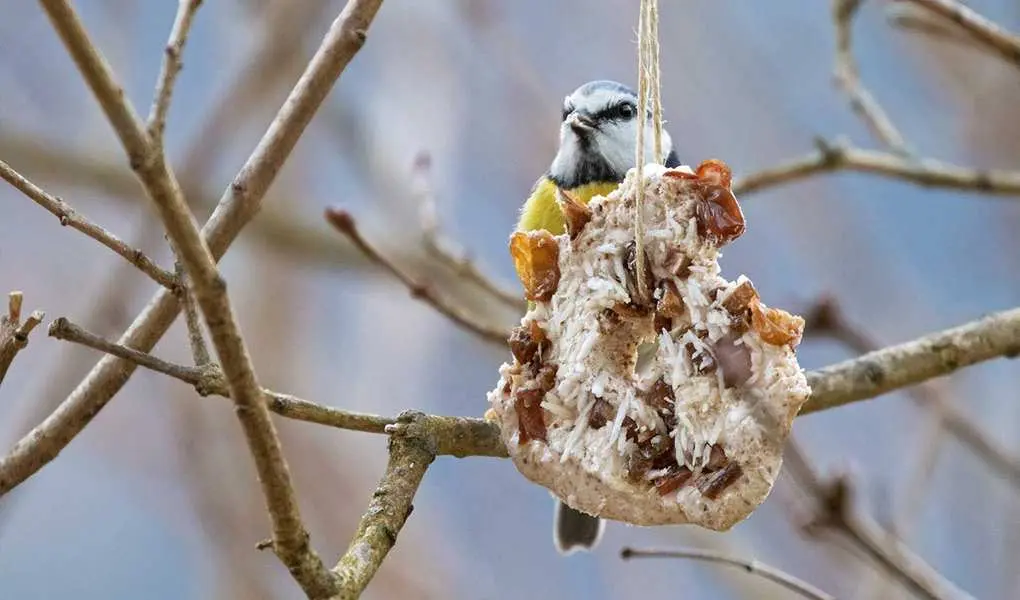
As we cozy up indoors with blankets and hot meals, wildlife faces challenges outside. Winter brings limited food, shelter, and greenery for them. However, you can make a significant impact on local wildlife with a few thoughtful changes to your yard.
From adding wildlife-friendly plants to ensuring all creatures are considered (not just garden birds), here are six expert suggestions to ease the winter for your furry and feathered visitors.
1. Plant Shrubs with Winter Berries
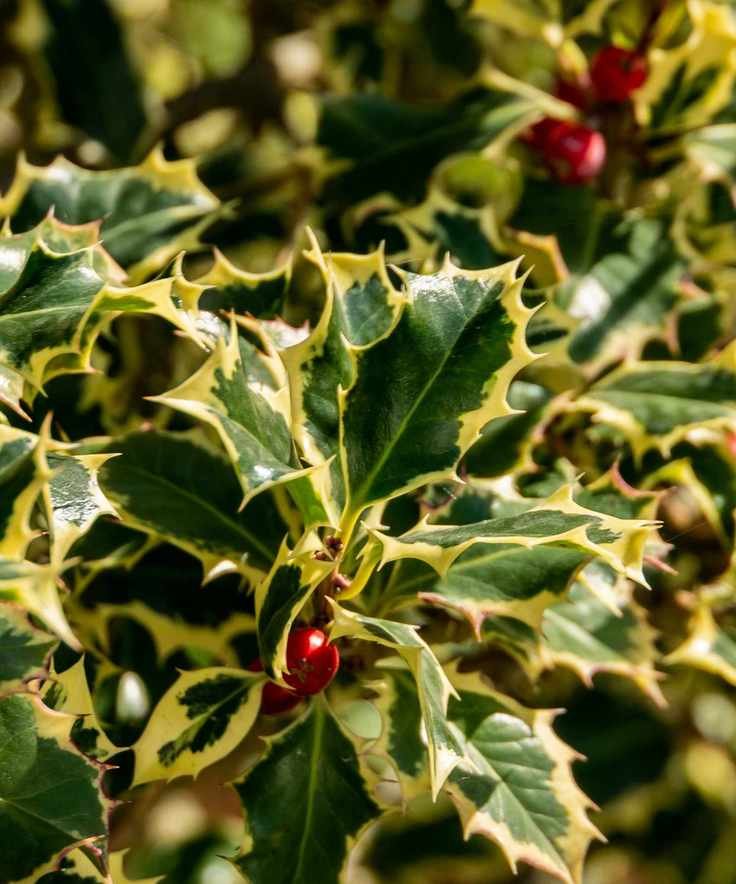
One of the simplest ways to support wildlife is by planting shrubs that produce winter berries. These resilient plants thrive in cold weather, providing a reliable food source for animals that remain active during winter.
According to horticulturist Andrew Bunting, consider varieties like red chokeberry, Aronia arbutifolia, which offers abundant red fruit through winter. Black chokeberry, Aronia melanocarpa, delivers rich blue-black berries, while winterberry Ilex verticillata boasts vibrant red or orange berries from September to March.
Many small mammals, such as rabbits and wood mice, as well as various birds, enjoy these berries. Additionally, the leaves and blossoms of winterberry shrubs attract butterflies and pollinators.
2. Cultivate Seed-Bearing Plants
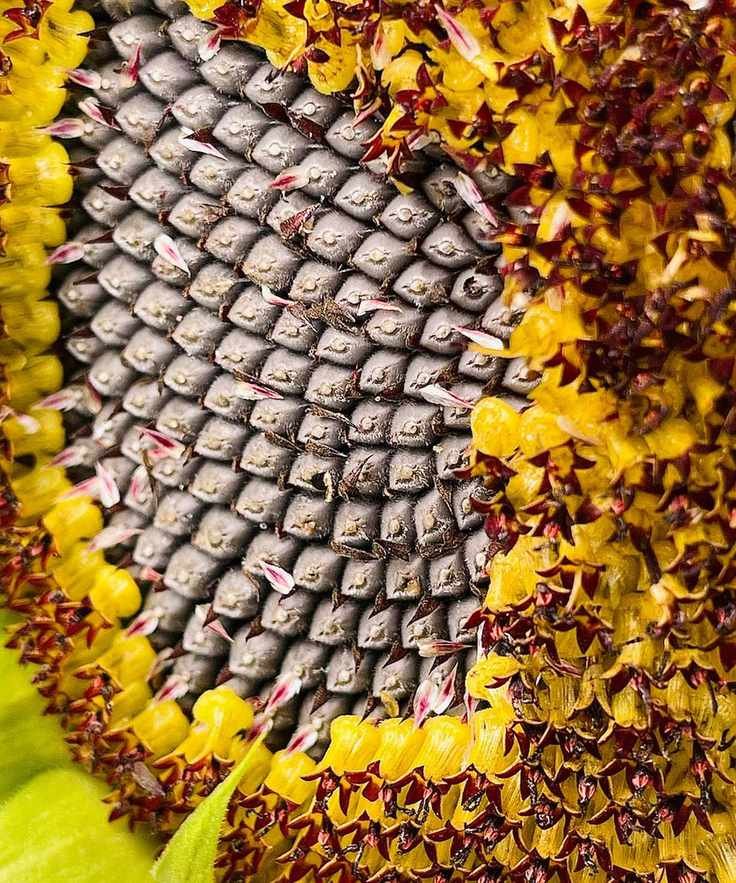
During winter, seeds offer essential fats for animals and birds, critical for maintaining body warmth. Without adequate fat, wildlife may struggle to survive harsh temperatures.
Horticulturist Jenny Rose Carey recommends leaving the seedheads of perennials like asters intact in your garden. This allows seed-eating animals to forage naturally during warmer winter days.
Consider planting poppies, rudbeckia, and allium for their valuable seedheads. If you haven't planted anything, you can buy quality seed blends like the squirrel and critter mix on Amazon.
Ofra Gaito from Verdant Lyfe suggests adding finely chopped fruits to feeders to attract fruit-eating species like robins during winter.
Using a platform feeder, such as the squirrel feeder from Amazon, provides both food and shelter for small animals in chilly weather.
3. Include Winter-Blooming Flowers
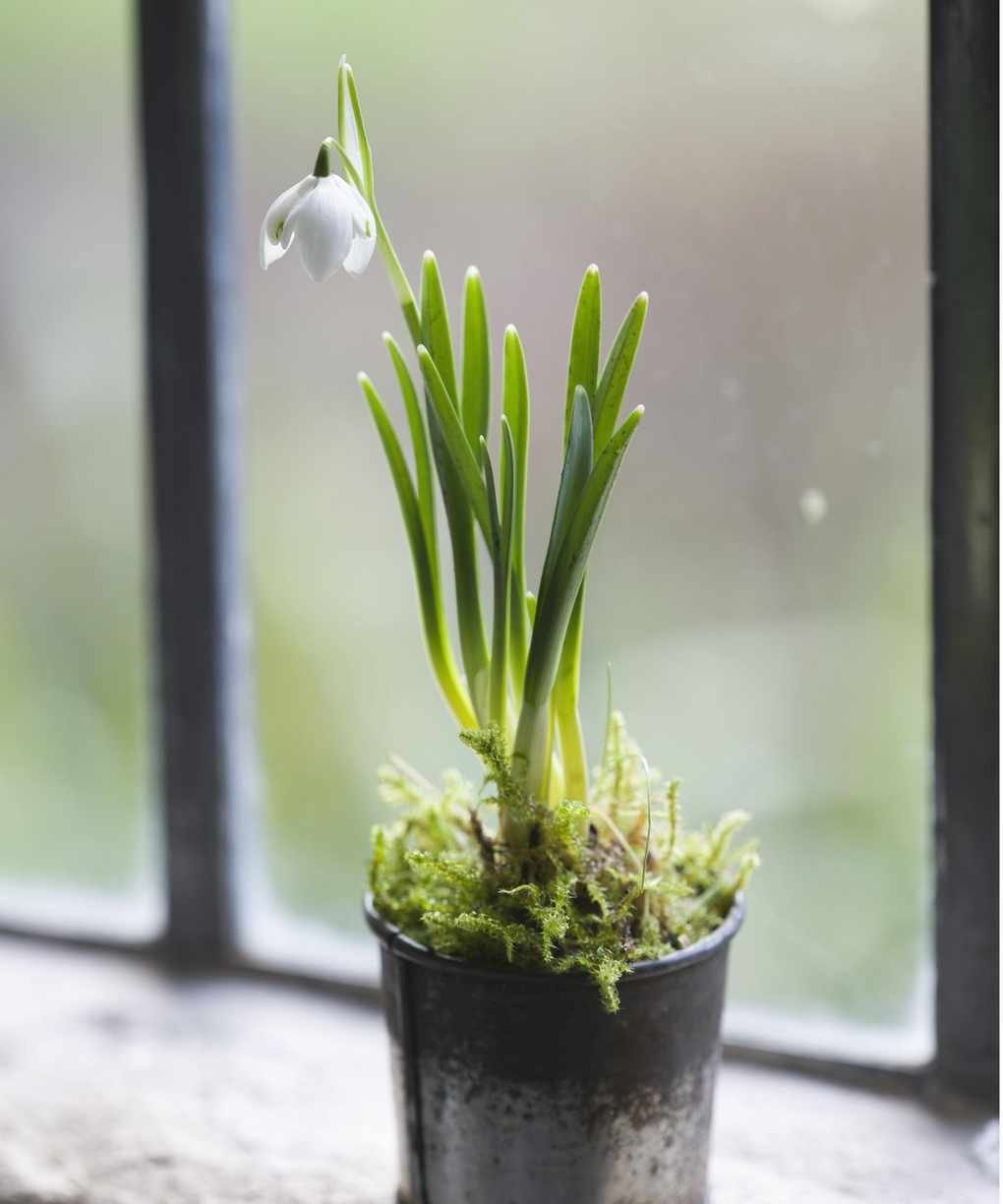
Winter-blooming flowers are a boon for bees, providing the nectar they need to stay warm and energized. On milder winter days, these blooms can attract bees seeking sustenance.
Jenny recommends planting snowdrops and early-blooming rock garden irises for their pollen and nectar. Other resilient options include winter jasmine, Christmas roses, winter pansies, and violas.
4. Maintain a Leaf Pile
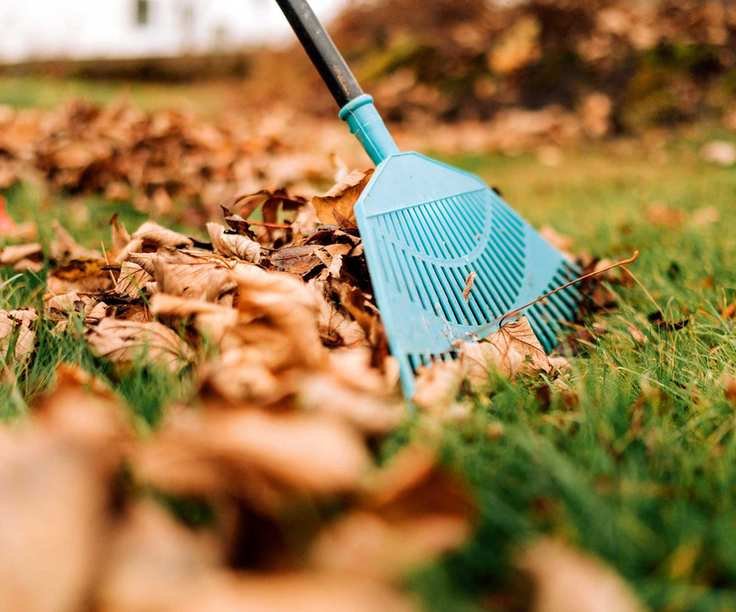
Instead of clearing away fallen leaves, leave a pile in a quiet corner of your yard. This creates a habitat for insects, which can help attract birds looking for food.
Ofra suggests allowing leaves to accumulate in less visible areas, potentially raking them into neat piles that benefit insects and nourish your lawn in spring.
5. Set Up Mineral Licks

Larger mammals often struggle to find necessary minerals during winter. Installing mineral licks can help supplement their diets.
Jessica Mercer, a plant expert, advises using products like the trophy rock for deer minerals to provide calcium, phosphorus, sodium, and other minerals to support their health during cold months.
Place mineral licks near feeding areas to encourage wildlife to visit, but ensure they are far enough from your home to avoid unwanted visitors.
6. Don't Forget About Water

Water is just as critical for wildlife as food. Cold weather often freezes natural water sources, leaving animals without hydration.
To provide fresh water, consider features that keep water from freezing, such as bubblers that maintain open areas in bird baths, as suggested by Jenny.
Products like the mademax solar bird bath fountain from Amazon can help. Alternatively, a hanging solar fountain is a lovely option too.
Consider using deicers for bird baths, like the economical deicer from Plant Addicts to keep water accessible during winter. A deicer emits a safe amount of heat to prevent freezing.
To aid small birds and insects, place rocks in your water source for extra height, preventing drowning.
If you're eager to garden even in winter, check out winter gardening trends and create a winter gardening checklist for your yard.



