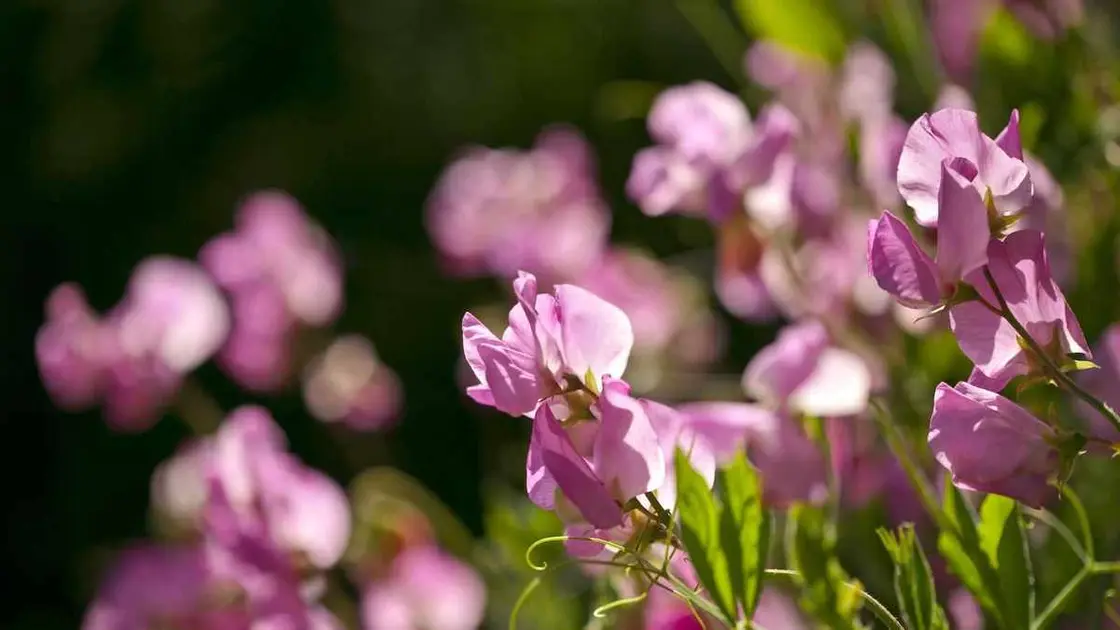
Sweet peas have captivated me for as long as I can remember. Their charming petals and intoxicating fragrance are simply irresistible. My top pick? The 'Matucana' variety with its stunning bicolor petals of deep purple and mauve. And let's not forget the elegant almost-black 'Windsor' blooms, perfect for both vases and garden displays.
If you're like me, you'll want to maximize the flowering period of your sweet peas. While every flower has its natural life cycle, timely feeding can extend their beauty. Think of it as a much-needed boost for those moments when they start to fade.
Whether you're cultivating sweet peas in borders or pots, here's the best timing and techniques for fertilization, along with product recommendations for optimal growth.
Maximizing Your Sweet Peas
Sweet peas rank among the most fragrant flowers, emitting a delightful aroma that's perfect for any cutting garden.
Understanding how to fertilize sweet peas can help prolong their blooming season, which typically lasts until late July. With proper feeding, you can enjoy these stunning flowers even longer.
Optimal Timing for Fertilizing Sweet Peas
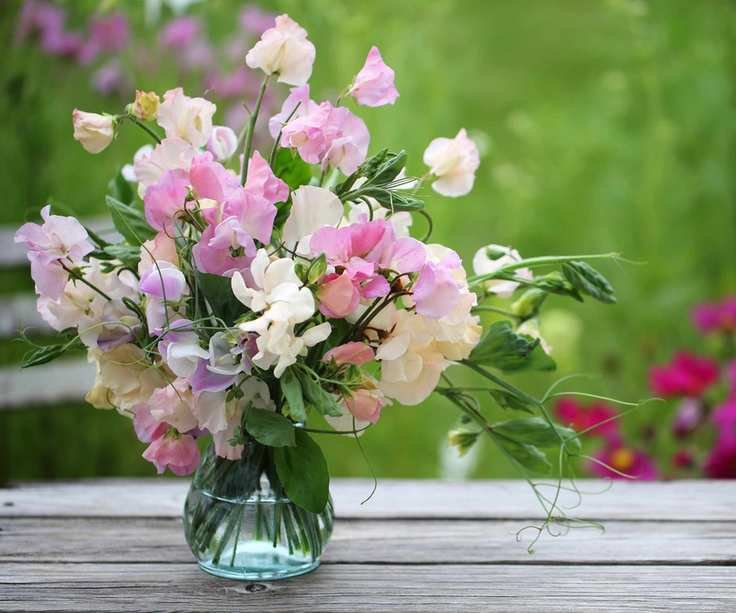
Start feeding these cut-and-come-again flowers early in the growing season, as soon as you notice the first blossoms.
I recommend establishing a feeding routine from late spring onward.
If you haven't begun fertilizing yet, don't worry; it's never too late. Even a single application can benefit these eager climbers.
For those planted in nutrient-rich soil, a bi-weekly feed should suffice, especially if you apply mulch to your borders.
If your sweet peas are in pots, consider a weekly feeding schedule since container plants depend entirely on you for nutrients and water.
Fertilization Techniques for Sweet Peas
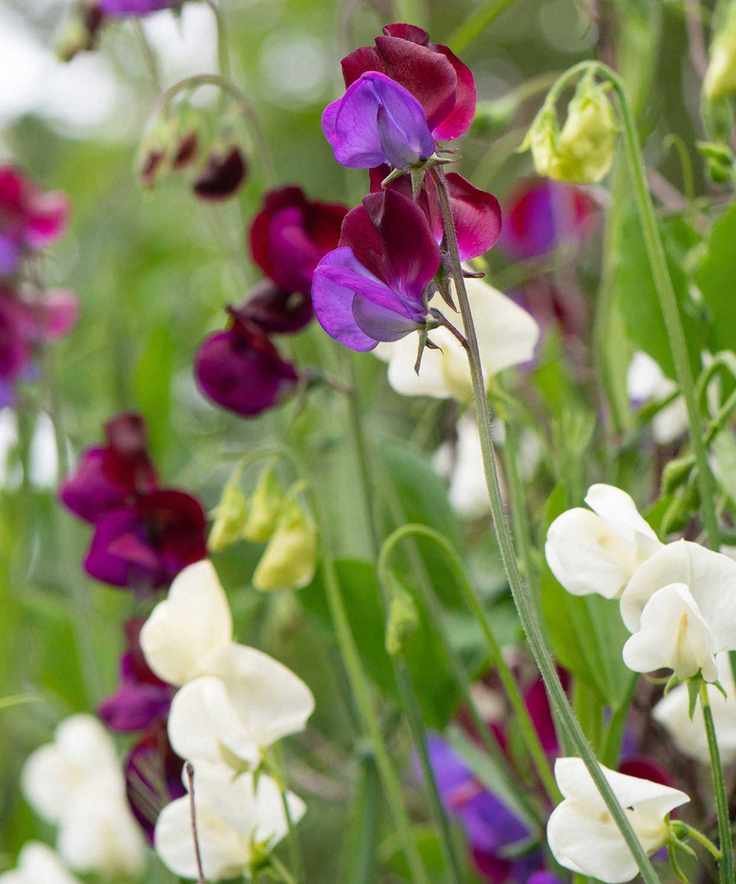
Fertilizing sweet peas isn't complex, but selecting the right products is key.
A general-purpose fertilizer is adequate, but for optimal flowering, choose one with a higher potassium content.
Look for fertilizers with nutrient ratios like 4-5-8 or 5-6-9.
An excellent option is this organic tomato fertilizer available on Amazon.
Avoid fertilizers high in nitrogen, as these can lead to excessive foliage growth at the expense of blooms.
If you plan on being away for a while or are pressed for time, consider an organic slow-release fertilizer from Walmart to simplify care.
Lastly, don't forget to regularly deadhead your sweet peas, taking a few minutes every few days to remove any wilted flowers. While you might notice shorter stems as the season progresses, any bloom is better than none.
When to Cease Fertilization
Stop feeding your sweet peas when you notice a decline in blooms, typically by late July or August. At this stage, no fertilizer can rejuvenate them; it's simply part of their growth cycle.
Be sure to leave a couple of faded flower stems on the plant to allow them to go to seed. This way, you can save and sow sweet peas next year without additional costs.
For further guidance, check out our article on harvesting sweet pea seeds.
Essential Fertilizing Products
Dr. Earth All-Purpose Plant Food
This organic fertilizer works well for various shrubs, perennials, and annuals, including sweet peas.
Long Gardening Gloves
These gloves provide excellent protection for your hands and arms during planting or pruning.
Espoma Organic Tomato Plant Food
This organic liquid fertilizer is perfect for giving your sweet peas a boost this summer.