
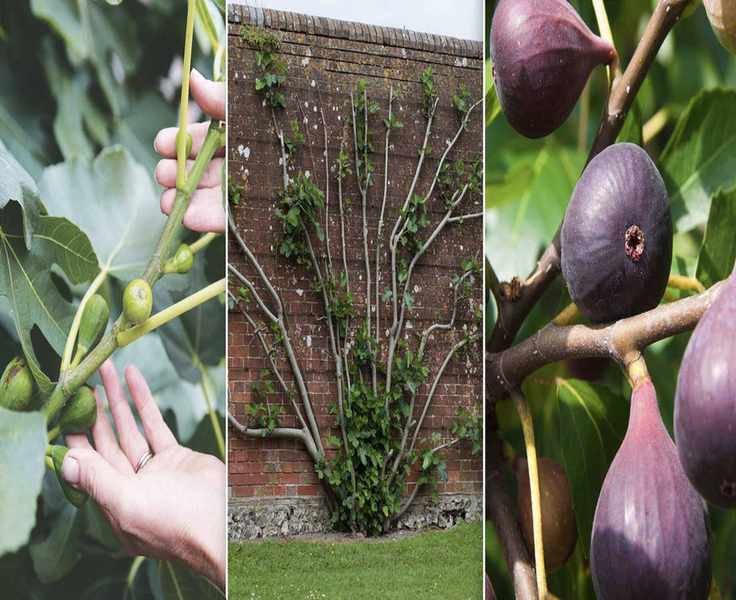
Curious about growing a fig tree? These stunning trees, with their vibrant green leaves and sweet fruits, add an exotic charm to any garden.
Fig trees thrive in warm, sunny conditions and require well-drained soil. With a bit of attention, you can cultivate these Mediterranean beauties in your own yard.
Here's how to successfully grow a fig tree, whether in the ground or in a pot, along with care tips and timelines for fruit production.
Growing a Fig Tree
Planting fruit trees requires careful attention to your climate. In cooler areas (zone 5 and below), a fig tree in a pot, which can be moved indoors during winter, will thrive best. In zone 6, they can be planted outdoors with winter protection, while zones 7 and 8 offer a more forgiving environment for these trees.
Fig Trees in Containers
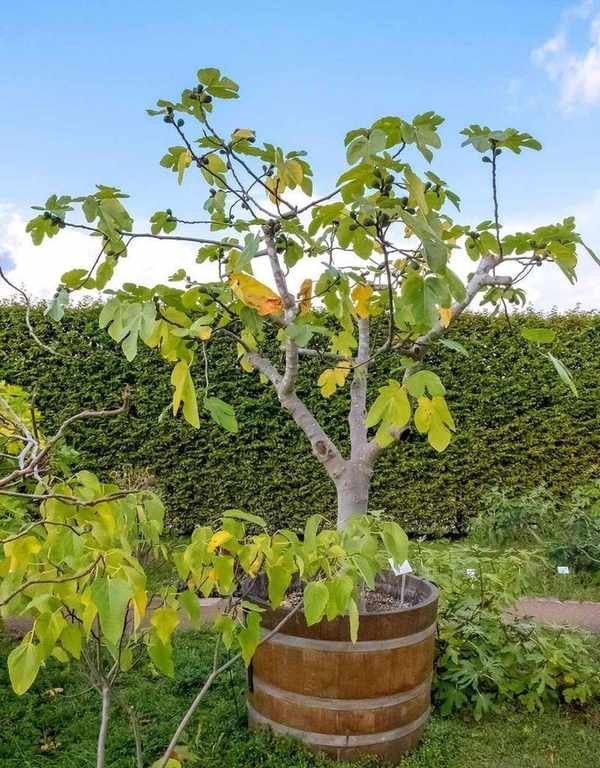
For convenience and reliable yields, growing a fig tree in a container is ideal. Limited root space encourages the tree to produce more fruit.
Start by potting a young fig tree in early spring using a container that's 12 to 15 inches (30 to 38 cm) in diameter. Use rich compost that drains well. Ensure there are extra drainage holes and elevate the pot to avoid water buildup. Remember, while figs dislike sitting in water, they also need consistent moisture to thrive.
According to horticulturalist Tom Petherick, a half-barrel with drainage holes is perfect, provided it can be moved inside a cool greenhouse or tunnel during winter.
When growing in pots, keep figs compact by training them as bushy plants. Opt for less vigorous fig varieties to fit well in containers. Regularly trim any roots that extend through the drainage holes, as fig roots can be very aggressive. Restricted roots can lead to better fruiting.
Repot established trees every two to three years by gently shaking off old compost and trimming thicker roots before placing them in a slightly larger pot.
Fig Trees in the Ground
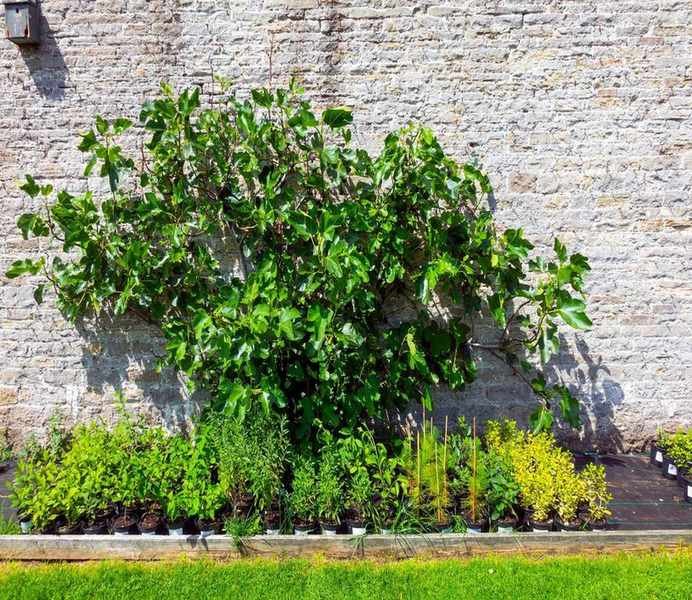
When planting a fig tree directly in the ground, it's important to limit its vigorous roots. Dig a deep hole and partially fill it with rubble or use paving slabs to line the hole, allowing the long tap root to access water.
Add well-rotted manure to the hole's base, position the tree, and fill it with compost, firming it in and giving it a good drink.
Positioning Your Fig Tree
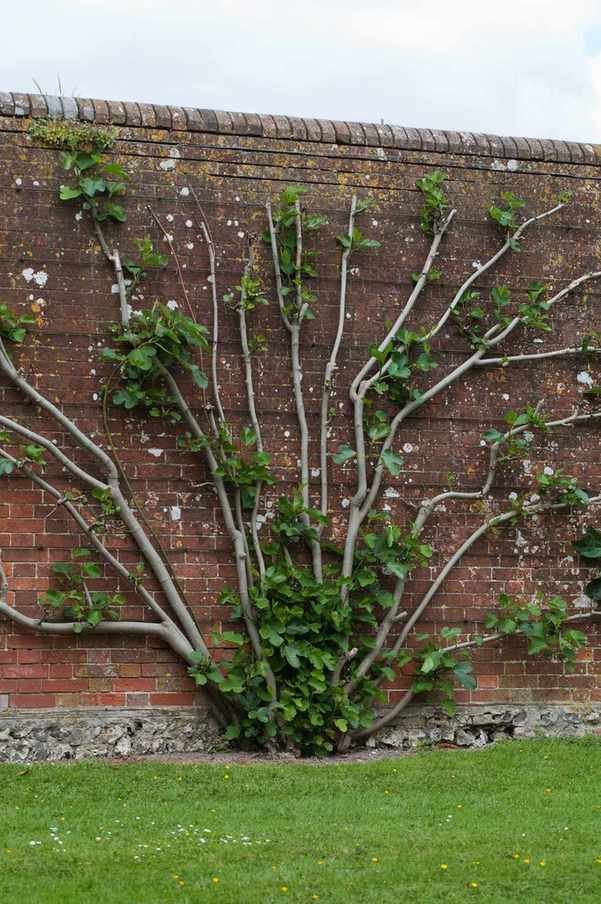
Fig trees flourish in warm, sunny spots. Tom Petherick emphasizes that they require full sun during summer to ripen their fruits. The beauty of container-grown figs is their mobility; you can move them to a sheltered area in cooler months, or enjoy their lush foliage year-round in your garden.
Plant your fig tree near a wall to benefit from warmth radiating from the bricks at night, which aids fruit development.
However, be cautious when planting against structures, as their strong roots can damage foundations. Maintain at least 3 feet (1 meter) distance from buildings.
Caring for Your Fig Tree
Establishing the right shape for a fig tree typically takes three years of pruning. An ideal shape is goblet-like, allowing light and air to circulate, which helps prevent disease. This can be achieved when pruning a fig tree.
Feed the tree every two weeks with a potassium-rich fertilizer to support fruit formation. Additionally, apply mulch each year with compost or well-rotted manure to enrich the soil and suppress weeds around the base.
Figs are native to warm regions, which can pose challenges in colder states during winter. To protect your tree from frost, snow, and extreme weather, container figs can be moved indoors. If that's not an option, carefully wrap the branches in protective materials like bubble wrap or horticultural fleece until the threat of frost passes.
Pollination and Fruiting
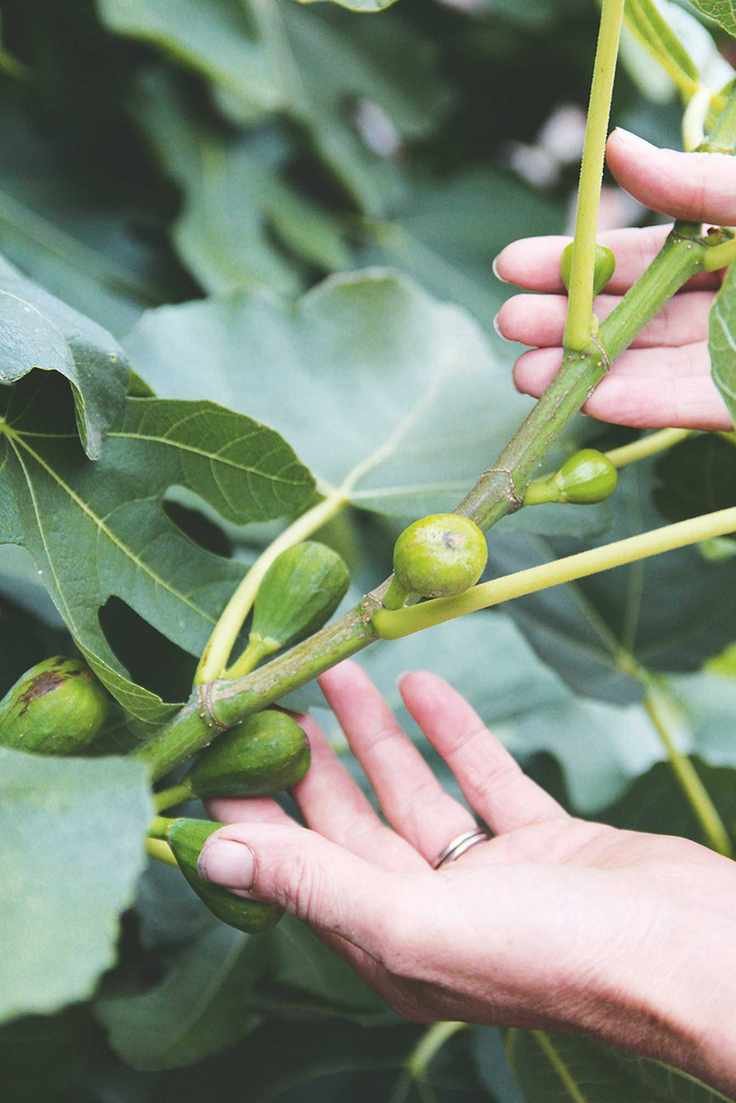
Fig trees are lush and vibrant, with a unique fruiting process. They are self-pollinating, so just one tree is needed for fruit production.
As explained by Frances Tophill, a fig wasp enters the developing fruit, fertilizing it and laying its eggs inside. The wasp dies within the fruit, meaning each fertilized fig contains a tiny deceased wasp. Despite this, the figs are delicious!
Maximizing Your Fig Harvest
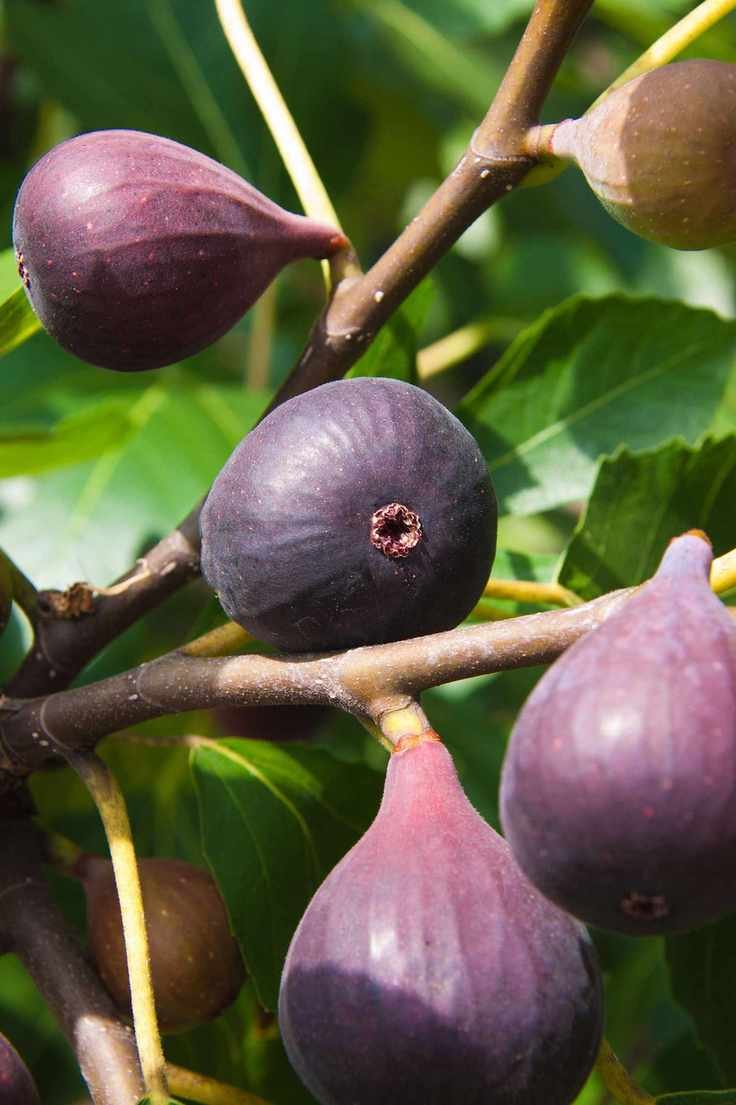
In cooler climates, expect one fig harvest per year from outdoor trees. Warmer climates can yield two crops annually.
After summer pruning, new fruits will appear on fresh shoots, starting small by late summer. These will remain on the tree through fall and winter, provided they're shielded from frost.
These are known as 'embryo' figs, which will grow and ripen come spring, ready for harvest from August to late October.
To protect your figs from birds and squirrels, cover the tree with netting.
Are Figs Simple to Grow?
Definitely! Figs are easy to cultivate as long as they get plenty of sun, regular feeding, and appropriate watering. However, if you're not in a warm climate, winter protection is crucial.
When Will a Fig Tree Bear Fruit?
Typically, a young fig tree will take two to three years to mature before producing fruit. After that, expect to harvest figs once a year, or even more often in sunnier locales.



