
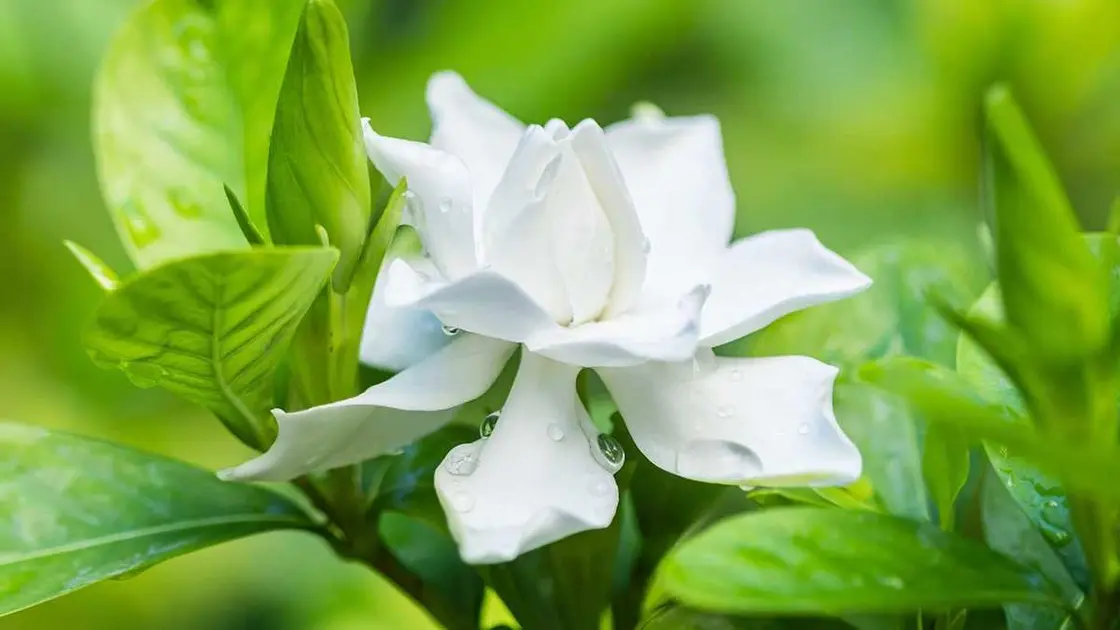
Gardenia, scientifically known as Gardenia jasminoides, is an evergreen shrub cherished for its large white blossoms that bloom during summer and fall. These flowers emit a captivating fragrance that lingers in the air on warm days, creating a delightful atmosphere in any garden.
For many, gardenias evoke fond memories, especially in warmer regions where these aromatic flowers are a popular choice for landscaping. If you're new to gardening or seeking to master the art of growing gardenias, there are some useful tips to keep in mind.
If you're searching for a fragrant shrub to enhance your garden, gardenia should be at the top of your list. Here, a gardening expert shares valuable insights on nurturing a thriving gardenia plant.
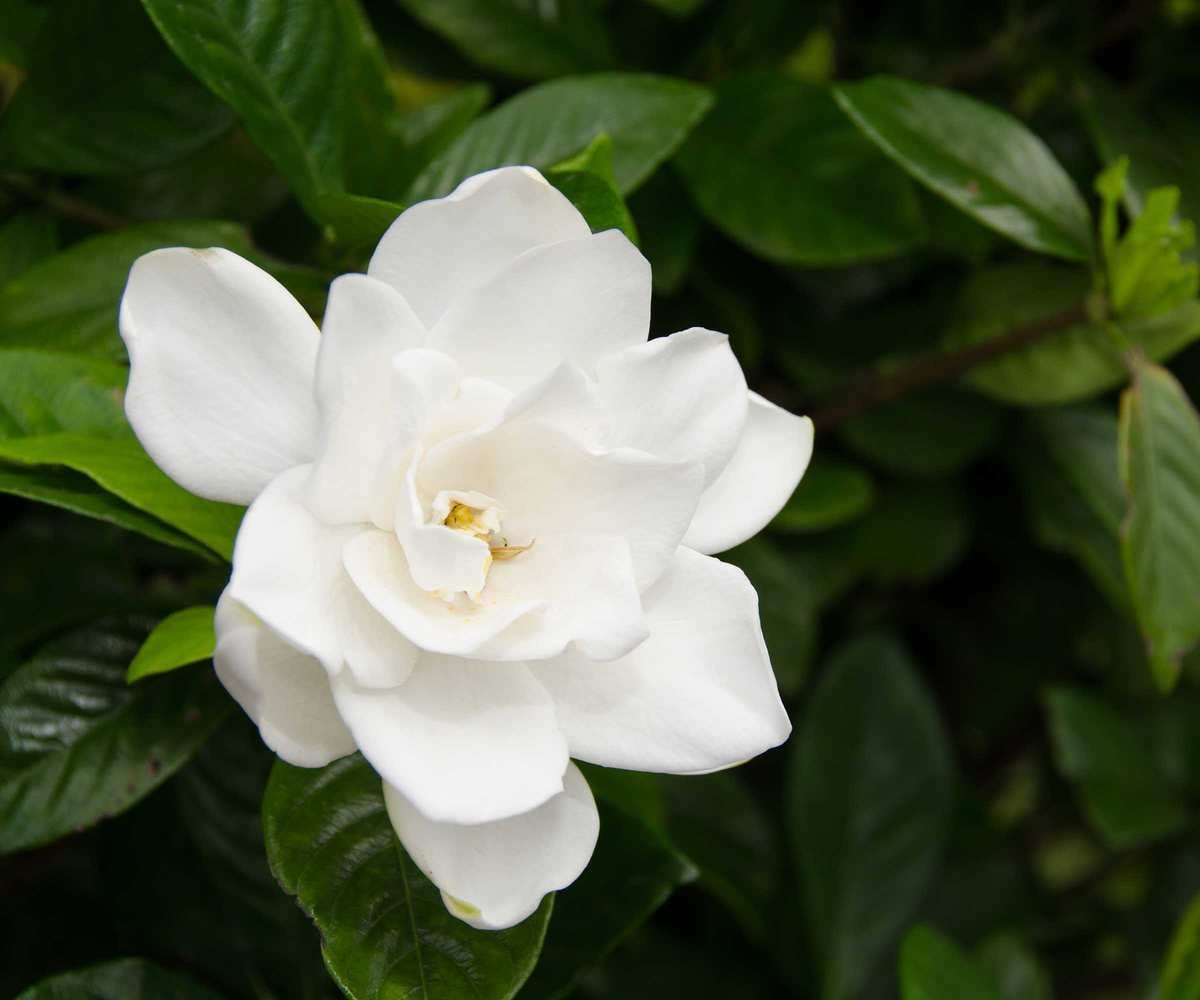
Your Guide to Growing Gardenia
No other plant offers a fragrance quite like that of a gardenia. The fresh and intense aroma of its flowers can be detected from a distance. This scent is floral and feminine, with hints of lime, mint, and a subtle coconut undertone.
Close your eyes, and you can almost envision palm-lined beaches. However, despite their beauty, gardenias can be a challenge to grow without the right knowledge.
“Gardenias are appreciated for their shiny green foliage and fragrant white flowers, but they require specific care,” notes a gardening expert and founder of a plant nurturing organization. “With appropriate conditions, they can flourish and become a stunning addition to your landscape.”
Understanding Gardenia Growth Patterns
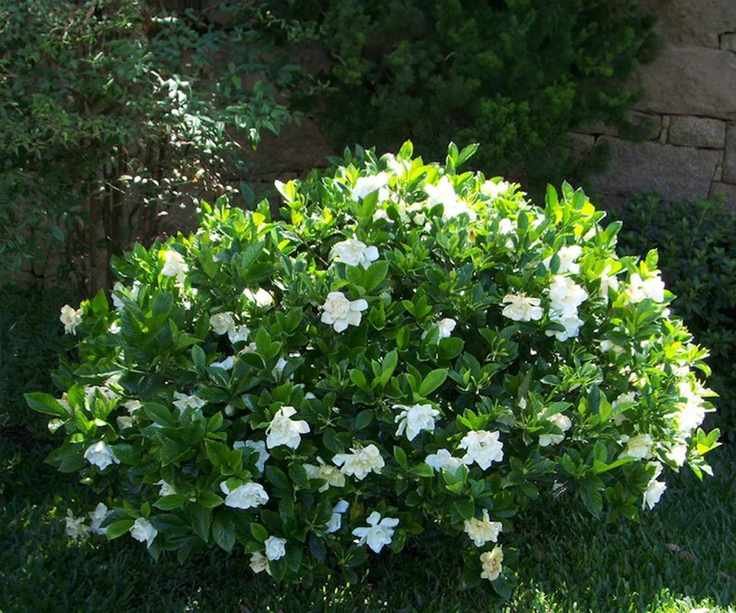
“Gardenias thrive in environments similar to their native subtropical habitats: warm, humid, and somewhat shaded,” the expert explains. In the U.S., gardenias flourish best in USDA plant hardiness zones 8-11.
In the UK, where winters can be severe, it's common to see gardenia as an indoor plant. However, they can be planted outdoors if temperatures remain above 16°C (60°F).
If you're concerned about colder temperatures, some varieties, like a frost-proof gardenia available at Nature Hills, are more resilient and easier to care for than traditional gardenias.
For those enjoying warmer nights, the 'August Beauty' gardenia from Perfect Plants is a top pick. It features glossy, dark green leaves and large blooms in summer.
Gardenia Care Essentials
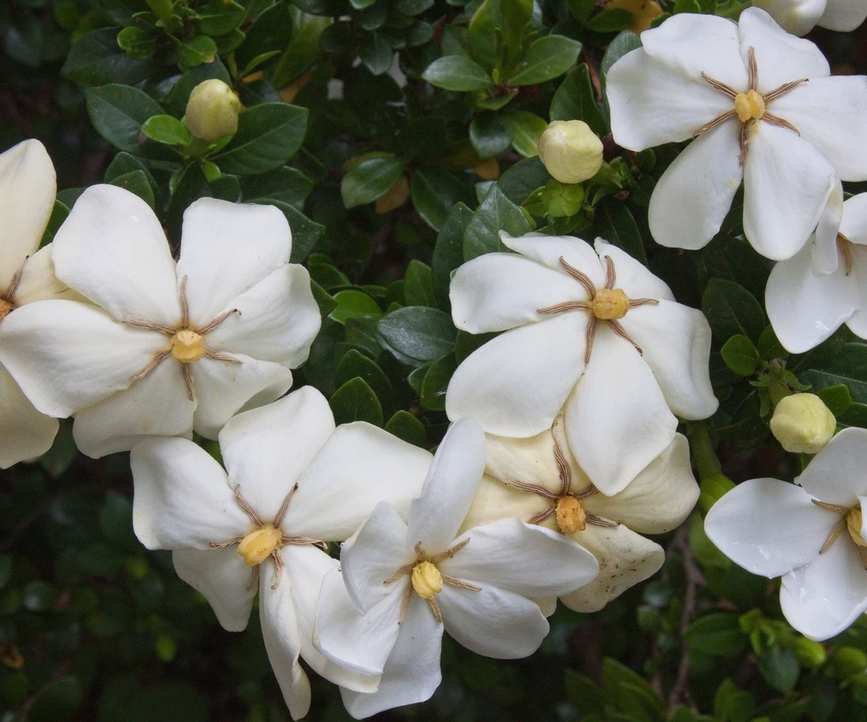
- Soil: “Use acidic, well-draining soil,” advises the expert. “Gardenias prefer not to be in alkaline or heavy clay soils. Amend with compost or peat moss if needed. If potting, opt for an acidic mix suitable for azaleas or camellias. Monitor the pH; gardenias flourish best in a soil pH between 5.0 and 6.0. Yellowing leaves, especially with green veins, may indicate iron chlorosis due to high pH.”
- Light: When positioning a gardenia, choose a location that receives “morning sunlight and afternoon shade, particularly in hotter climates. Excess direct sunlight can scorch the foliage, while too much shade may hinder blooming.”
- Watering: “Avoid overwatering,” the expert cautions. “Keep the soil evenly moist but not waterlogged. Allow the top inch of soil to dry out between waterings. Do not plant in areas with poor drainage or standing water, as this can lead to root rot. If potting, select a container with proper drainage.”
- Fertilizing: “Feed your gardenia regularly,” the expert recommends. “Use a fertilizer tailored for acid-loving plants during the growing season (spring to summer). A suitable option is this water-soluble plant food from Nature Hills.
- Pruning: If you're curious about when to prune gardenias, it’s best to do so right after blooming. “Lightly trim to shape the plant and remove spent blooms. Refrain from heavy pruning in fall or winter to avoid reducing next season's flowers,” the expert notes.
- Where to Plant: A sheltered location is ideal for gardenias. Try to avoid areas exposed to strong winds, as this can damage buds and leaves. The expert suggests placing them in quieter spots since gardenias are sensitive to disturbances and don't appreciate frequent movement or contact.”
Common Questions
Can gardenias be grown from seed?
“While it's feasible to grow gardenias from seed, it’s not the most efficient approach for most gardeners,” the expert explains. “Plants grown from seed may take years to mature and may not resemble the parent plant. Most prefer to propagate gardenias from cuttings or purchase young plants for quicker and more reliable outcomes.”
Can gardenias be kept in pots?
Absolutely, gardenias thrive beautifully in containers, making them an excellent choice for gardeners facing difficult soil conditions or colder climates. Growing them in pots offers better control over soil quality, moisture, and sunlight. These plants can reach heights of up to 6 feet and widths of 4 feet, providing year-round privacy.
How to Care for Indoor Gardenias?
Humidity is crucial for indoor gardenias. “They thrive in humid conditions,” the expert suggests. “For indoor care, place the pot on a humidity tray or use a humidifier to avoid leaf drop. Keep the plant in bright, indirect light or partial sun.”
These delicate shrubs may require more attention than other fragrant flowers, but with the right care, they can be one of the finest evergreen shrubs for creating an enchanting sensory garden.
Numerous plants can produce delightful summer scents, including fragrant roses, aromatic herbs, and the delightful aroma of blooming jasmine. However, to diversify your fragrant garden, consider adding gardenias.
While they can be a bit challenging, mastering how to grow gardenias will reward you with a beautifully fragrant summer and fall, attracting a variety of pollinators.



