
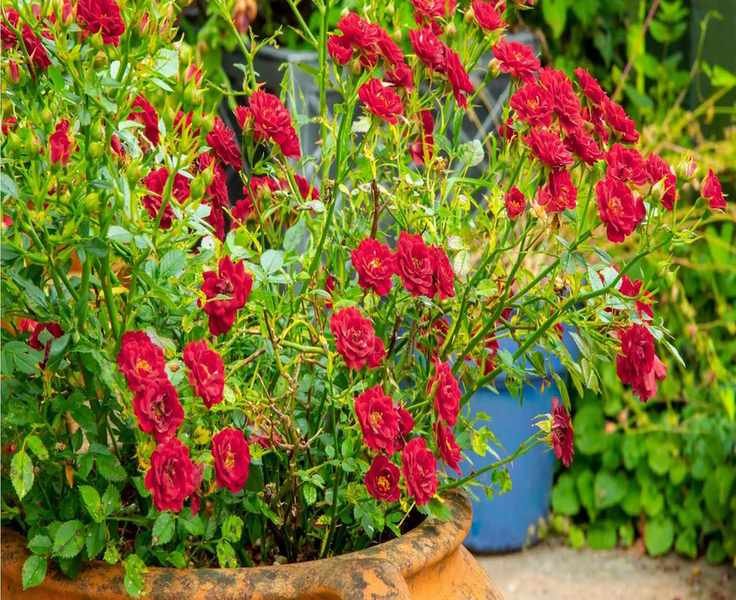
After receiving a mini rose plant as a gift, I found myself wondering if I could cultivate it outside, alongside my other roses. Is it possible to grow mini rose plants outdoors?
To my delight, I discovered that mini rose plants can indeed thrive outdoors, but it requires some preparation. It's important to acclimate them properly before adding your rose to the garden.
Be mindful, though, as it's easy to make mistakes with these plants. Understanding how to care for them outdoors is crucial. Here's a straightforward guide to help you successfully grow a mini rose plant outside.
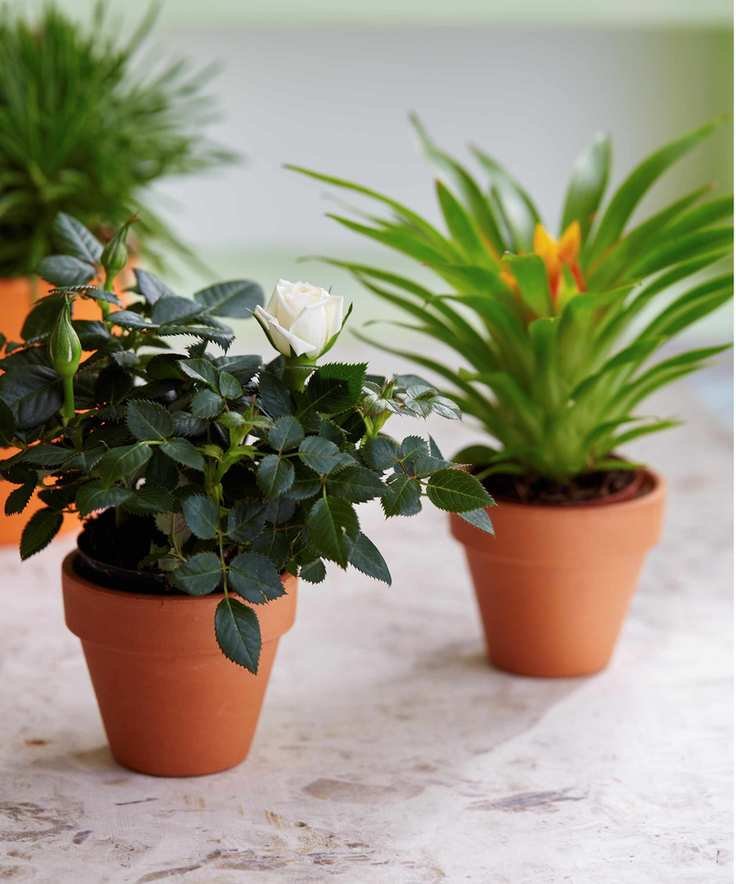
Growing Mini Rose Plants Outdoors
Typically, miniature rose plants are meant for indoor settings, often purchased from grocery stores or florists. Much like florist-hydrangeas, they may be forced to bloom or come from cuttings with weaker roots.
Shifting these plants outdoors can lead to shock, stunted growth, or even death. However, with the right steps, growing a mini rose outdoors is very achievable.
It's essential to recognize that not all climates are conducive to mini rose growth. They flourish best in US hardiness zones 4 through 11, and will require winter protection during colder months.
1. Acclimate Your Mini Rose Plant
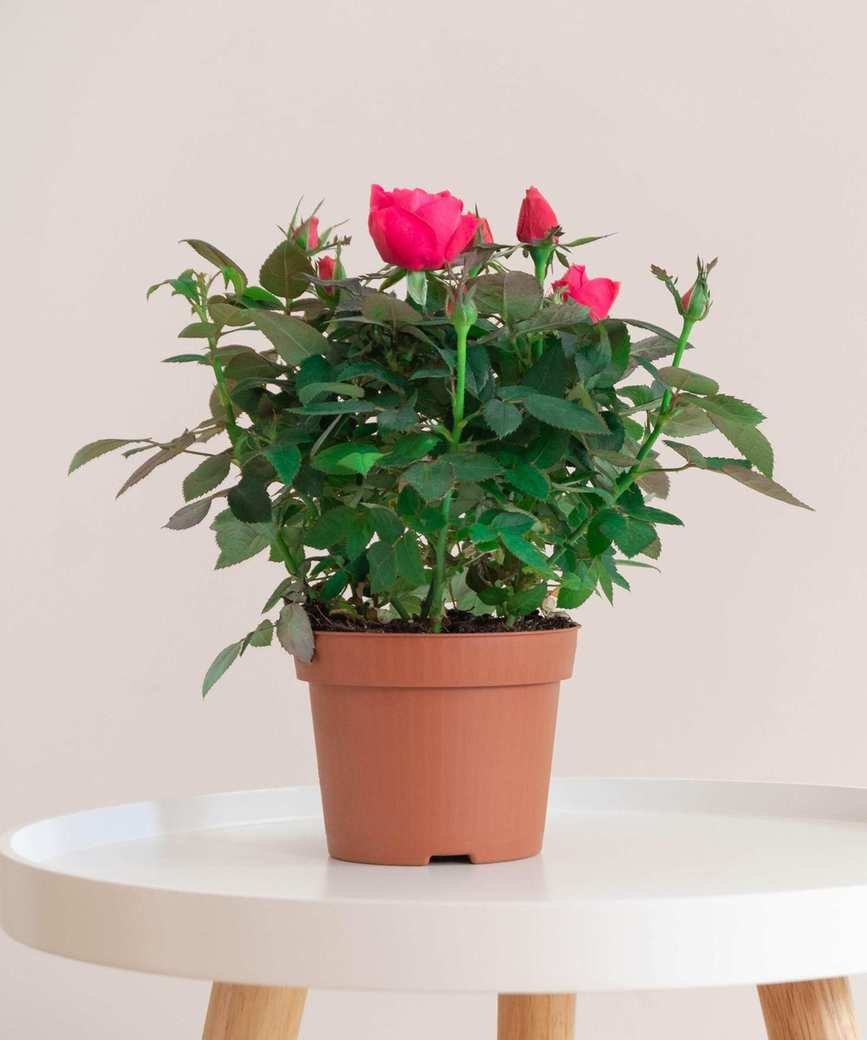
Just like many easy-care houseplants, mini roses need time to adjust to outdoor conditions, including temperature, sunlight, and wind.
To help my mini rose adapt, I gradually increased its exposure to sunlight by placing it outside. Initially, I kept it in a shaded area for a few hours daily, bringing it back indoors when the afternoon sun was too intense to prevent leaf scorch or shock.
Every few days, I shifted it to a sunnier location for longer durations. I kept an eye out for signs of distress, like yellowing or wilting leaves. If the plant showed stress, I moved it back inside for recovery. Damaged leaves or blooms can be pruned using micro pruning snips from Amazon.
After a few weeks of successful acclimatization, when my mini rose appeared content and thriving, I relocated it to its permanent spot.
While these plants don't typically grow as large as traditional rose bushes, they can be happily maintained in containers or added to garden borders.
2. Ensure Ample Sunlight
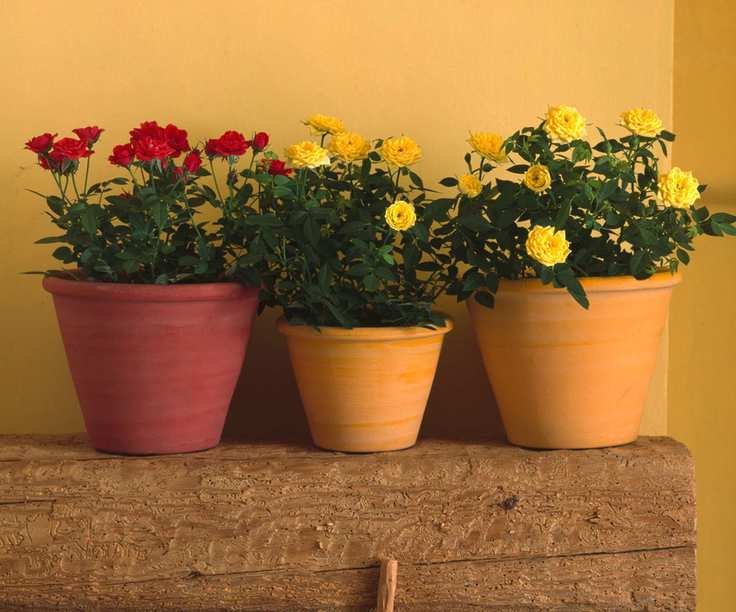
When choosing a location for your mini rose, prioritize a sunny area. Like their larger counterparts, mini roses adore sunlight and won't perform well in the shade.
Position your plant where it can bask in at least six hours of direct sunlight each day for a bountiful summer bloom.
If sunlight is limited, consider trimming tree branches that block light. Essential pruning tools, such as these loppers from Amazon, can assist with this.
3. Water Your Mini Rose Plant Thoroughly
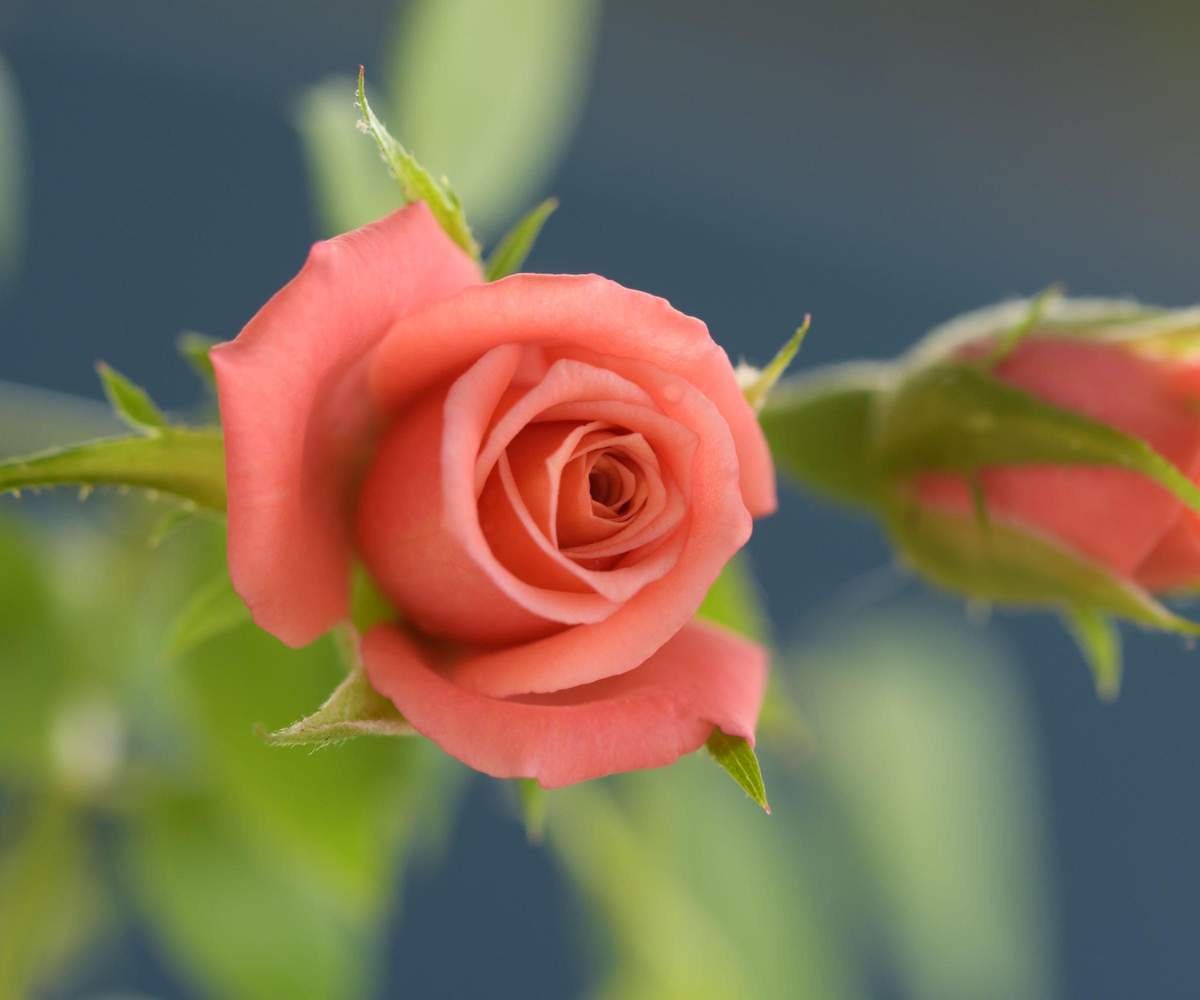
Proper watering is vital for your mini rose to adjust to its new environment. Consistent moisture is key.
To prevent root rot and other diseases, water deeply but less frequently. This approach encourages a stronger root system and minimizes the risk of overly saturated soil.
Be cautious not to overwater. I utilize a soil moisture meter from Amazon to help determine when my plants need water, reducing the risk of mistakes.
FAQs
Should I fertilize my mini rose plant?
Yes, fertilizing your rose is advisable, even for mini indoor varieties. Roses require ample nutrients, and using a rose fertilizer can promote more vigorous blooms. Fertilize only during active growth in spring and summer to avoid damaging roots and over-saturating the soil.
Remember to winterize your mini rose plant as colder weather approaches. I'll be keeping mine in a pot and bringing it indoors, but you can also use frost cloths (from Amazon) or mulch to shield it from the cold.



