
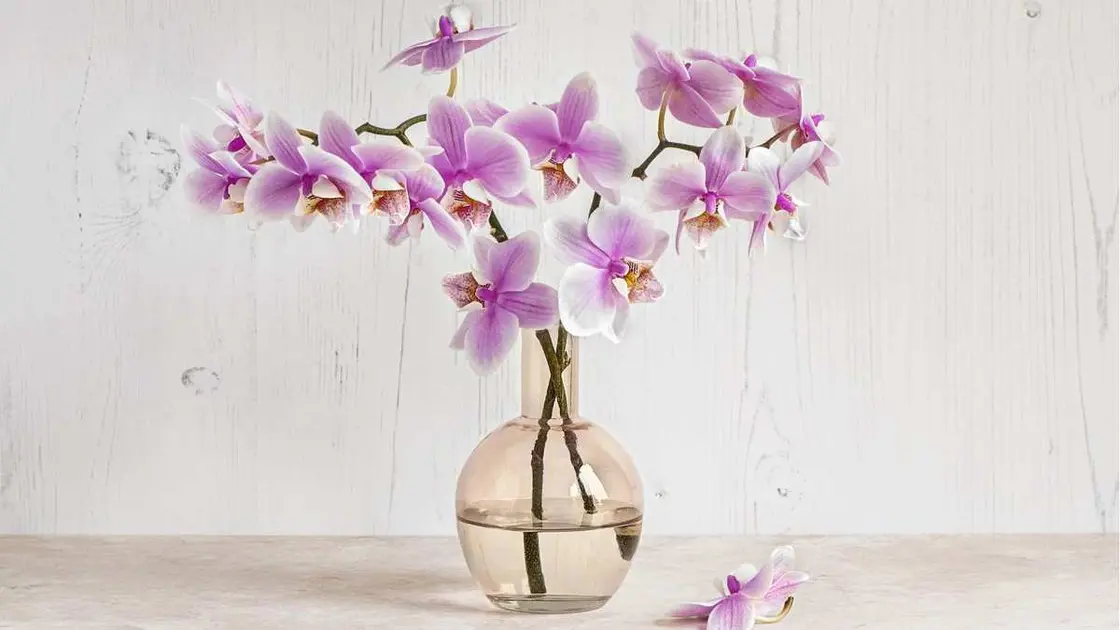
If you're passionate about orchids but find watering them challenging, trying hydroponics may be your answer for healthier blooms.
Orchid enthusiasts know that caring for orchids indoors can bring its set of difficulties. Incorrect moisture levels while learning how to water orchids can quickly lead to drooping plants. Hydroponic orchids eliminate worries about watering errors, plus this method creates a captivating display.
Below, we provide insights on growing orchids in water from experts to help you enjoy vibrant hydroponic blooms.
Is it possible to grow orchids in water?

Many orchid varieties thrive indoors, and understanding their natural habitat is essential for keeping them blooming or even reviving an orchid.
Orchids naturally grow as epiphytes, clinging to other plants like trees rather than in soil. Their aerial roots absorb moisture and nutrients from the air.
"Aerial roots are designed to extract moisture from the environment, as orchids typically attach themselves to tree branches," explains Brenda Hwang, a florist. "If they stay wet for too long, the roots may rot, so air circulation and proper drainage are crucial," she adds.
Water culture orchids require soaking their roots and allowing them to dry before re-soaking to prevent root rot. This hydroponic approach ensures they absorb the necessary moisture without becoming oversaturated.

Brenda is an experienced florist at a floral boutique in California, specializing in orchid care.
Steps for Growing Orchids Hydroponically

To start this method, carefully remove your orchid from its pot, clearing away any potting mix or bark entangled in its roots. Clean the roots thoroughly and trim any damaged or dead roots.
Place your orchid in a water container, submerging the roots for soaking. A hydroponic kit or a clear glass vessel works well for monitoring root health and color.
Let your orchid soak for a few days, then allow it to dry. "During winter, orchids may enter dormancy and require less water," Brenda notes. When they aren't actively growing, cut back on soaking frequency to avoid oversaturation.
Monitoring the roots is key to successful water growth. Green roots indicate a happy moisture level, while silver roots signal that it's time to soak.
Explore Hydroponic Kits Online
This hydroponic gardening system features a 24-watt LED grow light, mimicking natural sunlight for indoor growth.
This indoor hydroponic garden allows for year-round houseplant gardening and includes everything needed to start.
These lightweight yet durable hydroponic planters are suitable for both indoor and outdoor use.
Common Questions
Can orchids be propagated in water?
Yes, orchids can propagate in water if the established plant has grown offshoots, or pups. Cut these from the parent plant, ensuring they have a solid root system. Use a hydroponic method to soak the orchid for growth and blooms, allowing roots to dry between soaks to prevent rot.
While growing orchids hydroponically may seem intimidating at first, it's a fantastic method to manage water levels effectively. Just be careful to let the roots dry to prevent oversaturation; otherwise, your water culture orchids may struggle.
For more inspiration on styling houseplants, consider trying creating an orchid terrarium.



