
Orchids are among the more challenging houseplants to care for, often requiring special attention to thrive. These stunning plants will signal when they're unhappy, showing signs like wilting, flower drop, or yellowing leaves.
My fondness for orchids comes from their beautiful blooms, and I've had several over the years. They add a lovely touch to my home, but I've faced a common issue: keeping them blooming and encouraging reblooms.
Despite relocating them throughout my house to find the perfect light, the flowers typically faded after just a couple of months, often leading to dying stems and roots.
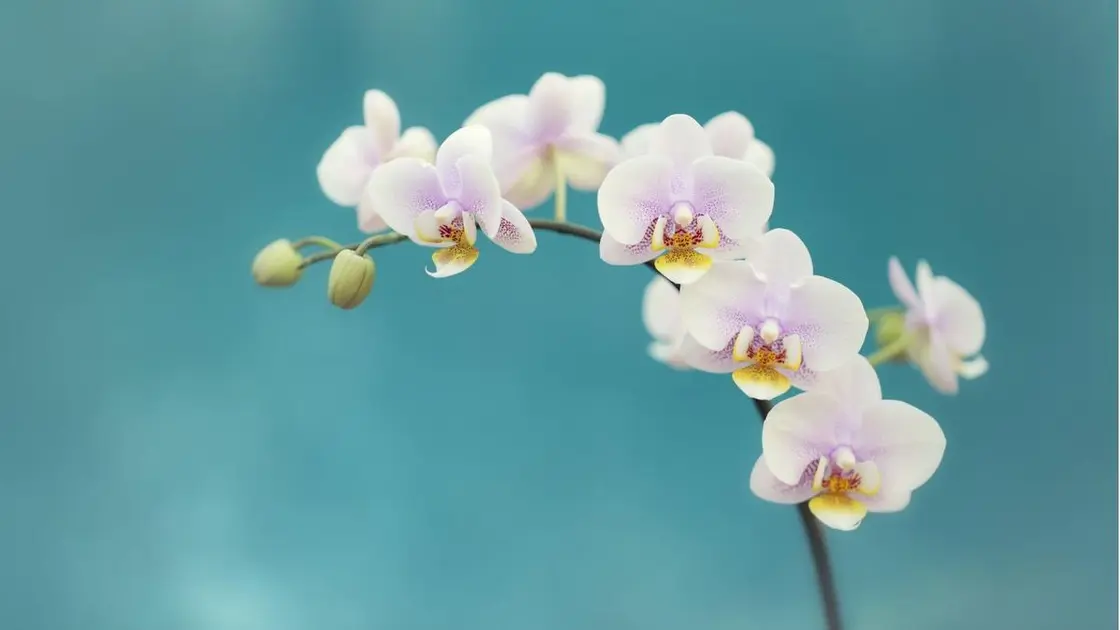
That changed when my white moth orchid, or Phalaenopsis amabilis, began to show signs of life after two years of dormancy.
Before giving up hope, I realized my orchid still had healthy roots. After providing it with essential care, I was thrilled to see new blooms emerge, making the wait worthwhile.
Here’s what I discovered about reviving orchids.
Why Do Orchids Stop Blooming?
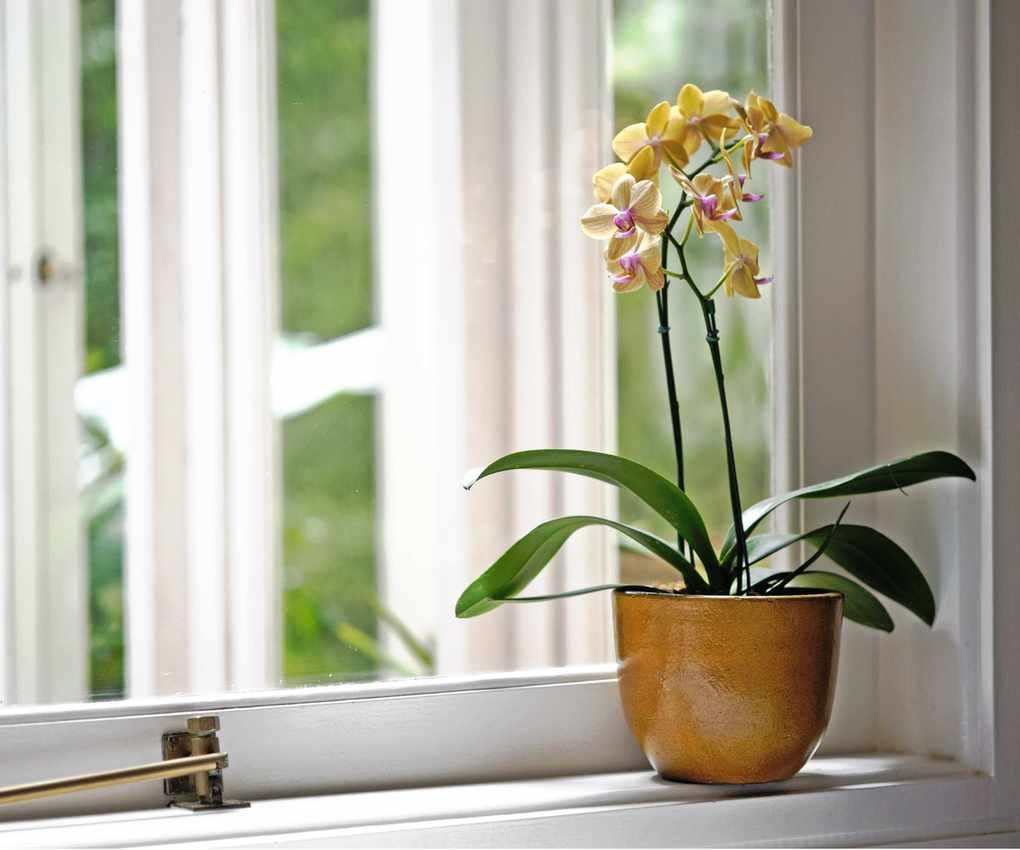
Orchids naturally have dormant phases where they won’t flower. Typically, blooms last about ten weeks, but proper care can extend this period.
According to experts, orchids can remain dormant for six to nine months. Prolonged dormancy may indicate health issues, so it’s essential to check the plant. Healthy roots are a good sign, while discolored or mushy roots may signal trouble.
Improper care may also cause reblooming challenges, including issues like overwatering, inadequate light, cold temperatures, or insufficient humidity.
“After blooming, orchids enter a resting phase. They need care and patience during this time,” advises an indoor plant expert.
Ways to Encourage Your Dormant Orchid to Bloom Again
After two years of dormancy, I focused on providing optimal care to encourage my orchid to rebloom. Here’s how I did it.

First, I ensured my orchid was in the best environment for regrowth.
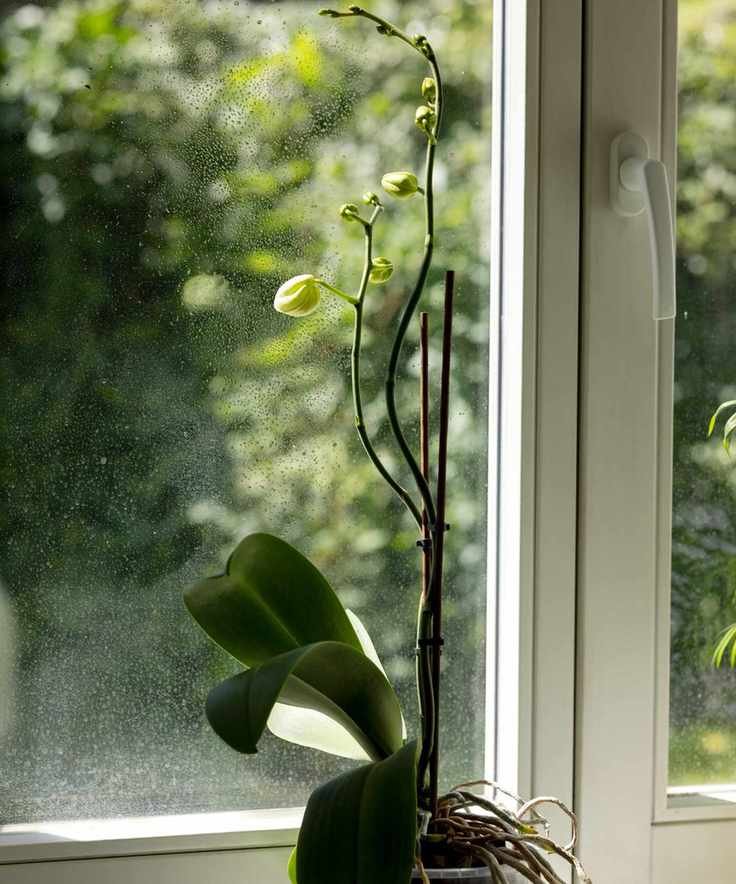
Orchids possess aerial roots that thrive when they have space to grow. I repotted my orchid into a larger container to prevent it from becoming root-bound. A bright, south-facing windowsill provided the perfect lighting without direct sunburn.
“Being tropical plants, orchids require proper drainage and don’t thrive in overly wet conditions,” explains an expert.
I maintained good moisture levels with well-draining potting mix and watered sparingly. “Water minimally when the plant isn’t actively growing. Ensure roots remain slightly moist, checking before watering to prevent root rot,” she adds.
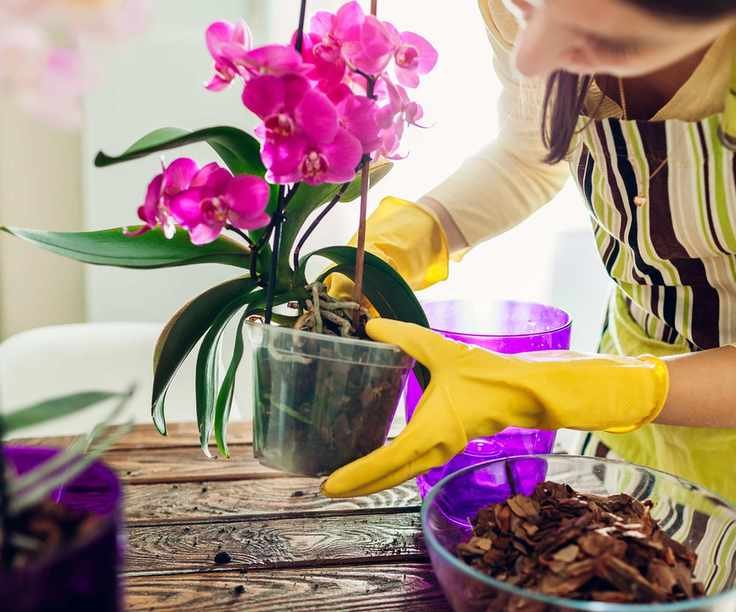
Removing any decaying parts of the orchid can improve the chances for healthy growth. Use clean pruning tools for this task.
“Cut away decayed sections to allow the healthy parts to thrive. Remove the flower spike from the base to focus energy there,” she recommends.
With consistent care and patience, I eventually saw slender green stems emerge, followed by beautiful blooms returning to my orchid.
Aftercare for Revived Orchids
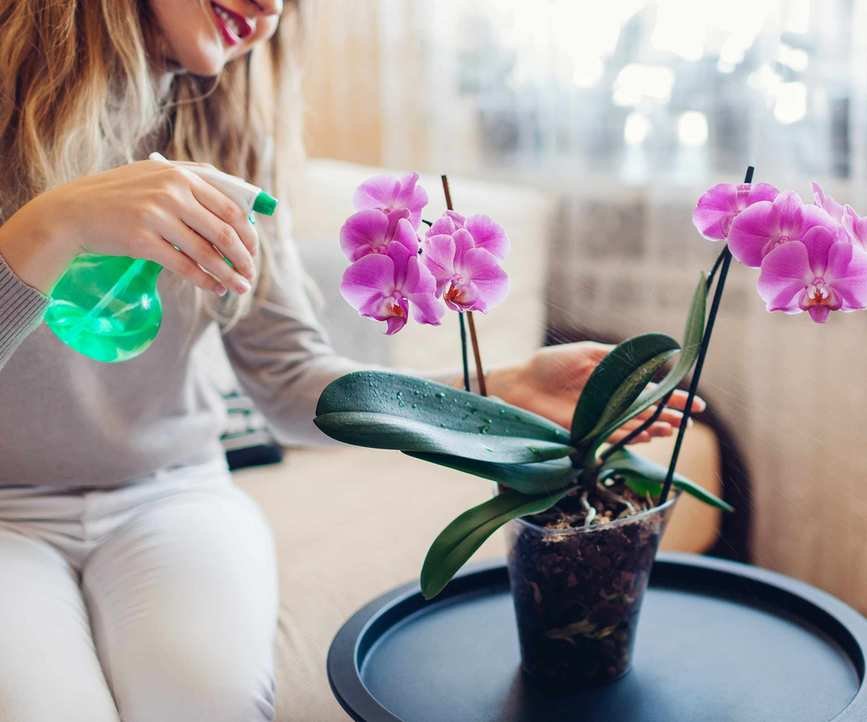
Post-revival, it’s crucial to provide ongoing care to maintain orchid health.
“To ensure your orchid gets the right amount of water, place it in a watertight container, fill it halfway with water on the bark, and allow it to soak for at least 20 minutes,” an expert suggests.
Orchids thrive in humid environments, making a bright bathroom ideal. Regular misting can also help maintain humidity levels.
Ongoing care includes pruning dead roots and leaves, while fertilization during growth periods supports overall health. Cleaning the leaves with a damp cloth helps remove dust buildup.
Frequently Asked Questions
Is My Orchid Dormant or Dead?
Don’t rush to discard your orchid after a long dormancy. They can remain inactive for up to nine months. Check the roots for health; firm, green roots indicate life, while brown, mushy roots and yellowing foliage suggest trouble.
How Long for New Stems to Grow?
After dormancy, new stems will begin to develop as the orchid prepares to bloom again. This can take anywhere from two to eight weeks, depending on the orchid type. Proper care is essential for encouraging growth.
Once stems are long enough, support them with a stake to promote upward growth.
It took two years for my orchid to bloom again, but the stunning display made the wait worthwhile. If your orchid is also taking its time, consider adjusting its conditions and providing the right care to encourage new growth.



