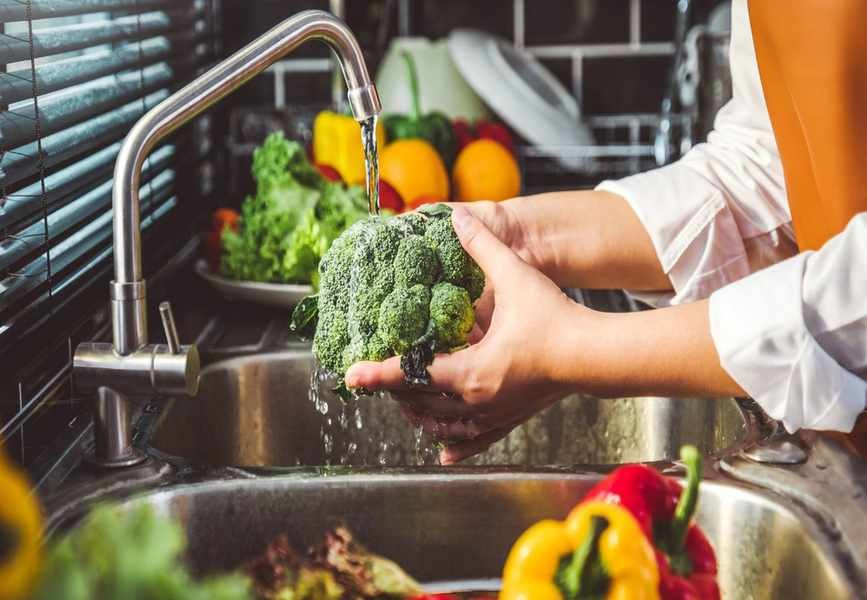
When you bring home fresh produce, it’s easy to assume it’s clean, especially if it’s from a store or market. However, this isn't always the case.
Before diving into meal prep or searching for tips to prolong your groceries’ freshness, implementing proper washing techniques is key to eliminating pesticides, dirt, and bacteria from your fruits and vegetables.
Here, culinary experts share the most effective methods for washing produce at home and the best times to do so for optimum freshness.
Effective Ways to Wash Fruit and Vegetables
Many online videos showcase the satisfaction of washing produce and transferring it to glass containers in the fridge. However, experts caution that this might not be the best approach.
It’s advisable to wash fruits and vegetables just before you plan to use them, particularly if they’re stored in the refrigerator. Excess moisture can lead to quicker spoilage.
Storing fresh produce in containers with ventilation holes promotes airflow, helping to keep food drier and slower to decay. Here are some effective washing strategies:
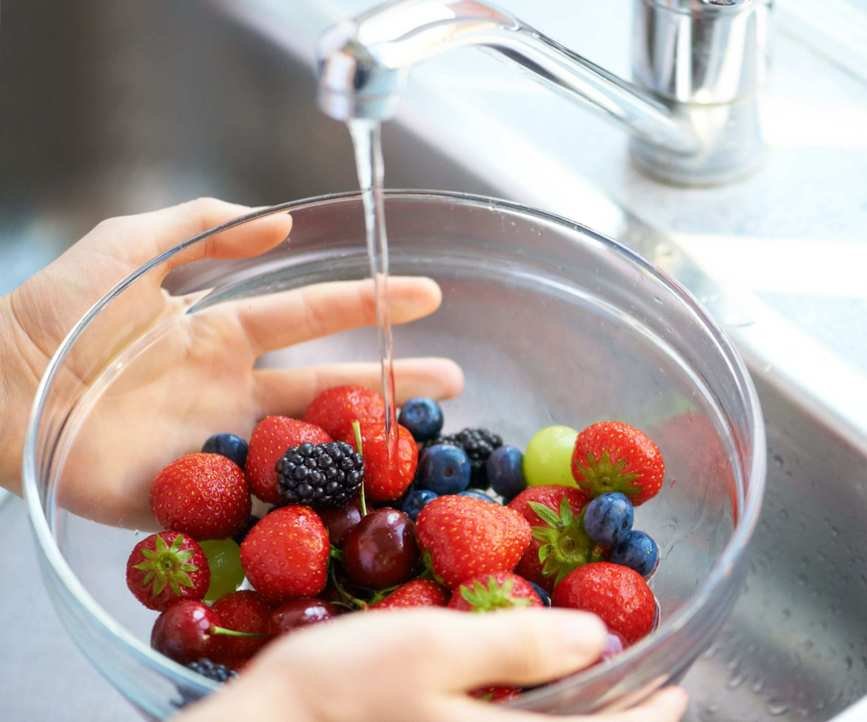
1. Soak in Vinegar or Baking Soda
Vinegar isn’t just for cleaning counters. It’s also an excellent option for washing fruit and vegetables due to its ability to eliminate mold spores, bacteria, and small insects.
To create a cleaning solution, mix three parts water with one part vinegar. Soak your produce in this mix for five to ten minutes, then rinse thoroughly with cold water to remove any vinegar taste and dry with a clean, lint-free cloth.
For items like cauliflower or broccoli, add a teaspoon or two of baking soda to the vinegar solution for a deeper clean.
2. Scrub Using a Vegetable Brush
Another chemical-free option is scrubbing with water and a vegetable brush, suggests Emma Rostron, a cleaning expert. This method works best for firm produce or fruits with hard skins to prevent bruising.
“Items like potatoes, cucumbers, or carrots may need a bit more effort. A vegetable brush is a worthwhile investment for cleaning root vegetables under running water to remove dirt and wax,” she explains.
Using this method on peelable vegetables like potatoes keeps their skins on, which contain most nutrients and fiber.
3. Opt for a Commercial Produce Wash
Commercial fruit and vegetable washes are available for those seeking convenience. They’re designed to clean produce without leaving an aftertaste. While these solutions aren’t necessarily superior to vinegar, they offer ease of use.
“I recommend using a produce wash to reduce contamination risks,” says a pastry chef and owner of YummyTasteFood. “Products like Veggie Wash available at Walmart can sanitize up to 99% of harmful bacteria,” she recommends.
Veggie Wash | $26.45 from Walmart
If you want a quick cleaning option to eliminate wax, pesticides, and bugs, Veggie Wash is a favored choice without any aftertaste.
4. Wash After Cutting
Some vegetables, like cauliflower and broccoli, can trap dirt between their leaves, making them difficult to wash whole. Emma Rostron suggests chopping them first before soaking in water, gently agitating to remove dirt, and then drying with a paper towel.
Similarly, for vegetables with skins, it’s often necessary to peel away outer layers before rinsing to eliminate any trapped dirt.
FAQs
Should You Wash Produce in Cold or Warm Water?
It’s best to use cold or room-temperature water when washing fruits and vegetables to maintain their structure and prevent wilting. You can rinse under cold running water or soak in a bowl for thorough cleaning.
Is Salt Water Effective for Washing Food?
Soaking fresh produce in salt water can help eliminate bugs hiding in pores or leaves. While Himalayan salt is often recommended, any salt will suffice. Mix salt into water until it dissolves, then submerge your produce for 10-15 minutes.
Properly cleaning your fruits and vegetables, along with maintaining cleanliness in your kitchen and tools, is essential for preparing safe and delicious meals. Keep a large bowl for soaking and a colander handy to make washing straightforward and effective.