Decluttering can often feel overwhelming, especially with tough choices at every turn. When clutter starts to take over, making swift and decisive choices becomes essential.
To tackle those dreaded 'doom piles', it’s crucial to adopt a more ruthless approach. But how can you sharpen your decluttering skills?
We consulted professional organizers who shared their straightforward strategies to help you think like a minimalist when it comes to clearing space.
Mastering Ruthless Decluttering
Being decisive with your decluttering isn’t for everyone. Rapidly cutting back on clutter can pose a challenge, particularly for those new to organizing or dealing with sentimental belongings.
Focusing on everyday items, like clothing or kitchen tools, rather than family heirlooms can help minimize decluttering regret.
1. Gather All Items Together

To declutter effectively, you need a clear overview of your possessions. Cori McDougald, a professional organizer, suggests starting by collecting all items from one category in one location:
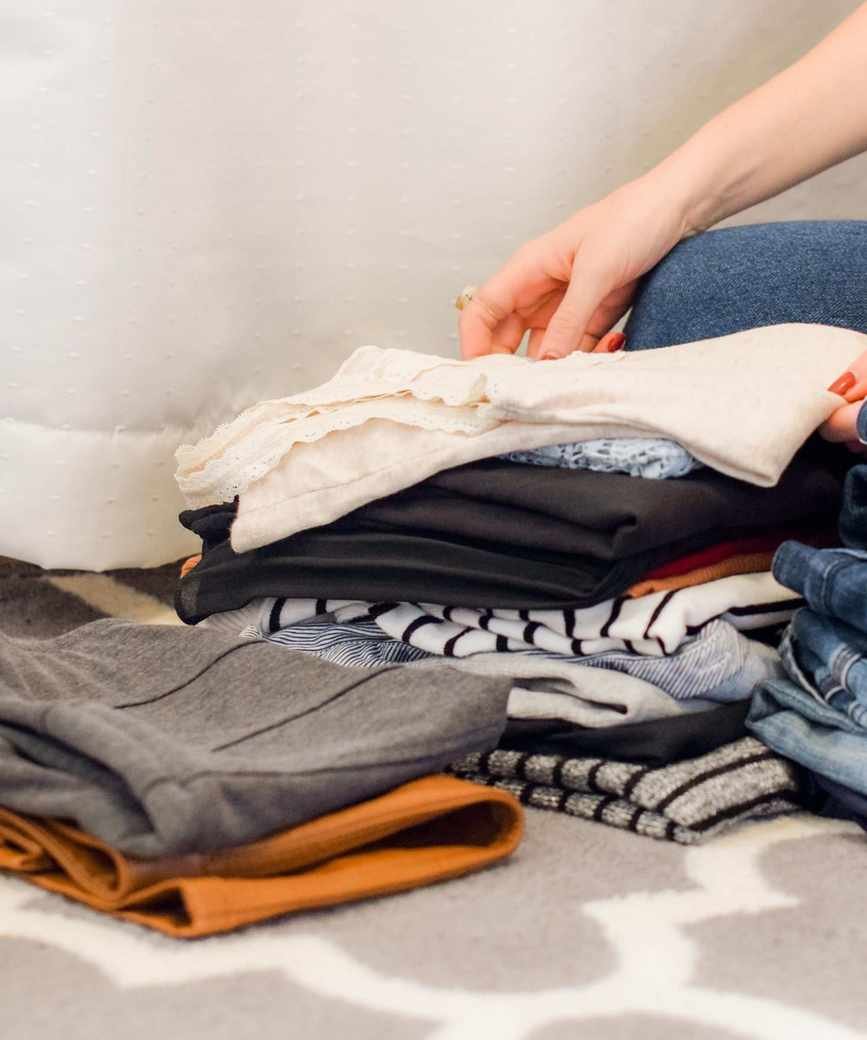
“Once you know the focus for your decluttering session, gather everything related to that category from your home. For instance, if you’re clearing your closet, collect all clothing items from every room to one central spot.”
“Sorting by category helps visualize how much you own, making it easier to determine what to keep or donate.”
2. Forget About the Price
One major hurdle in decluttering is the emotional attachment to the price of items. Jennifer Bell, lead organizer, emphasizes a vital mindset shift:
“When you’re decluttering, don’t fixate on what you paid. An item is worth what someone else is willing to pay today, not what you spent yesterday. If it no longer serves you, let it go, whether that means selling or donating it.”
3. Apply the 20-20 Rule

Setting some golden rules for decluttering can enhance your decisiveness. McDougald recommends the 20-20 rule:
“If an item costs less than $20 and you can replace it in under 20 minutes, consider letting it go.”
4. Prioritize Practicality

Expert organizer Sarah Schier suggests focusing on functionality rather than sentiment when decluttering:
“Keep only the items that serve a purpose or bring you joy. For instance, in your kitchen, hold onto essential tools and appliances that you use regularly to simplify meal prep and cleanup.”
Consider techniques like Danshari to clarify what you truly need.
5. Does It Spark Joy?

Cori McDougald reminds us to ask if an item brings joy or is a necessity:
“If the answer is no, it’s time to part ways!”
6. Think Short-Term
When decluttering, shift your focus from long-term value to short-term utility, advises Andrea Fefekos:
“Make decisions based on what benefits you today, not what was useful in the past. Don’t let old items hold you back.”
7. Find Accountability

If you struggle with letting go of items, consider working alongside a friend or family member. Meaghan Kessman highlights the benefits:
“An accountability partner can provide encouragement and a fresh perspective, making it easier to stick to your goals.”
8. Start Small
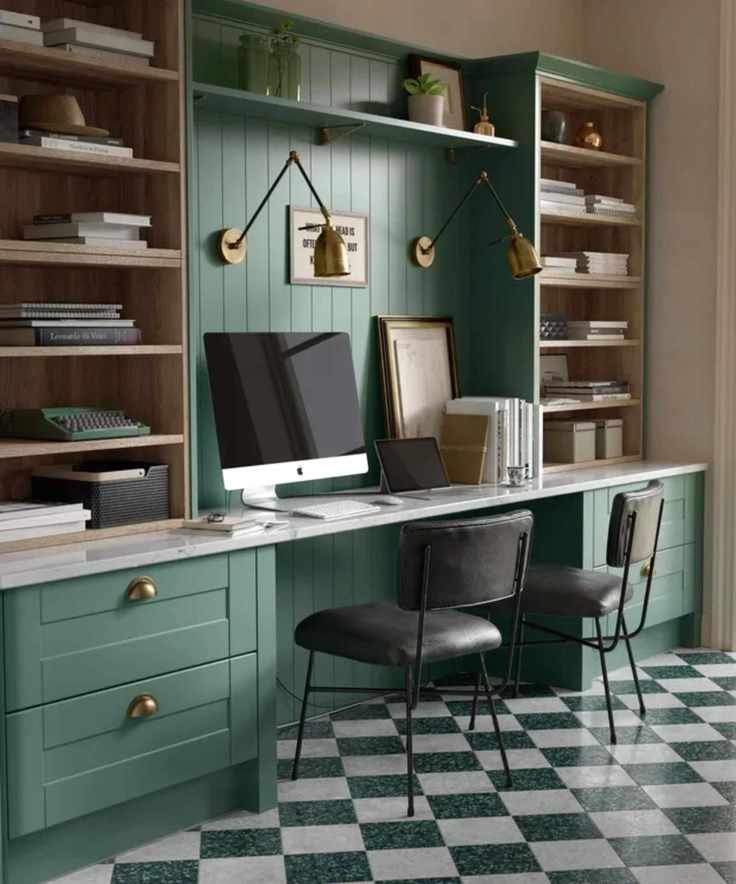
If you’re unsure where to start, tackle smaller spaces first, suggests Fefekos:
“Begin with a junk drawer or small closet. Each completed task builds momentum for larger projects.”
9. One In, One Out
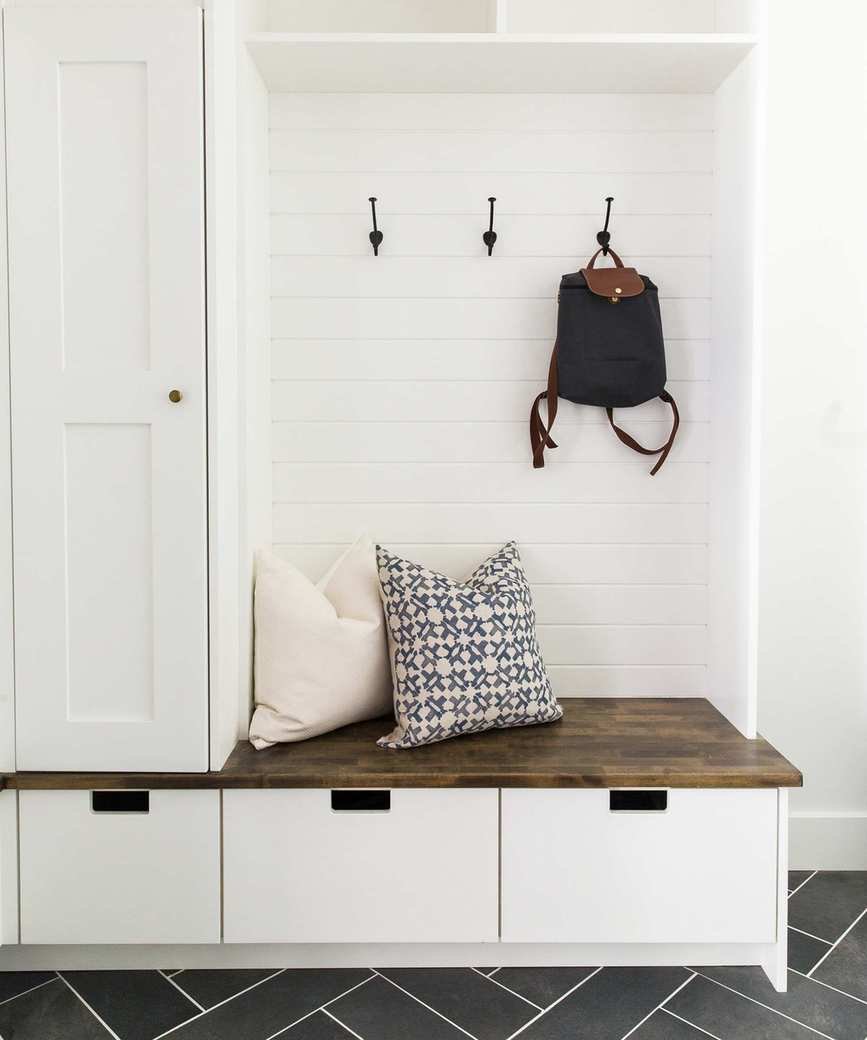
To maintain control over clutter without feeling overwhelmed, implement the one-in, one-out rule. Schier explains:
“For every new item you bring home, donate or discard an old one. This method has proven effective for clients managing limited storage, especially for shoes.”
10. Regular Maintenance

Don’t wait until clutter becomes unmanageable. Kessman suggests frequent decluttering sessions:
“Make decluttering a regular practice to keep your space organized without stress. Schedule monthly sessions as a priority.”
Frequent decluttering makes the process easier over time.
Consider using a folding storage bin for items you plan to donate, making the process smoother.