
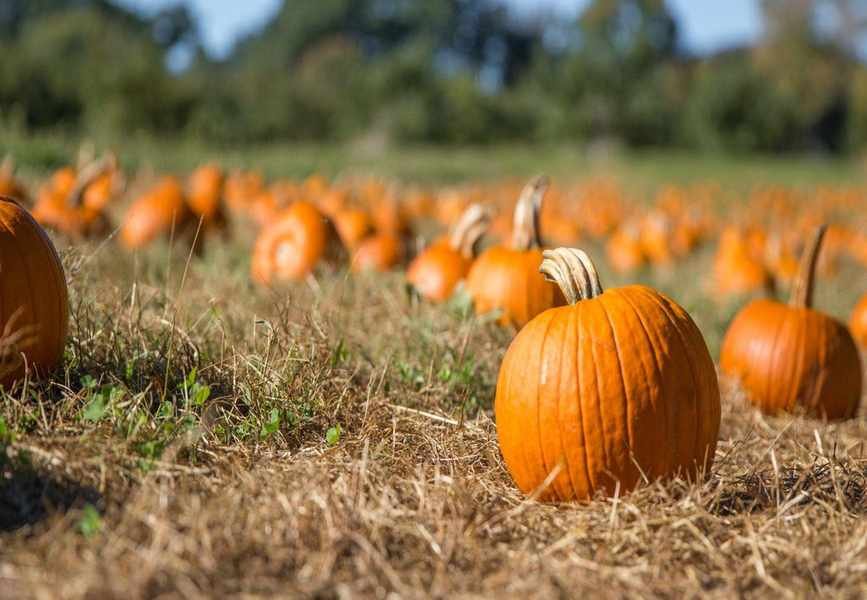
Understanding how to cure pumpkins allows you to extend the life of your homegrown produce. Whether you plan to use them for carving, decorating, or cooking, properly curing pumpkins can keep them fresh for months instead of letting them spoil shortly after harvest.
Growing pumpkins is a rewarding endeavor that takes time and care. From planting seeds and nurturing them as they grow long vines and fruits to harvesting, the entire journey is enjoyable. After collecting your pumpkins, it's time to focus on curing them.
Though often underestimated, curing pumpkins is a crucial step in successful cultivation. I have cultivated hundreds of pumpkins in various vegetable gardens, and proper curing has always ensured they last longer. Whether displayed, sold to visitors, or used in culinary creations, curing is essential.
Is Curing Necessary for Pumpkins?
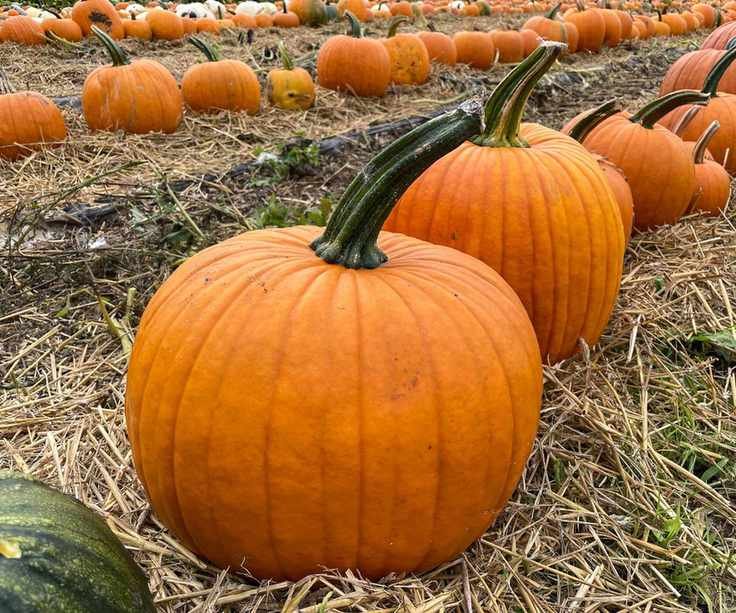
Curing pumpkins enhances their flavor and helps them remain edible for an extended period. Properly cured pumpkins can last for months without rotting. This process is also vital for other fruits, such as winter squash.
Steps to Cure Pumpkins After Harvest
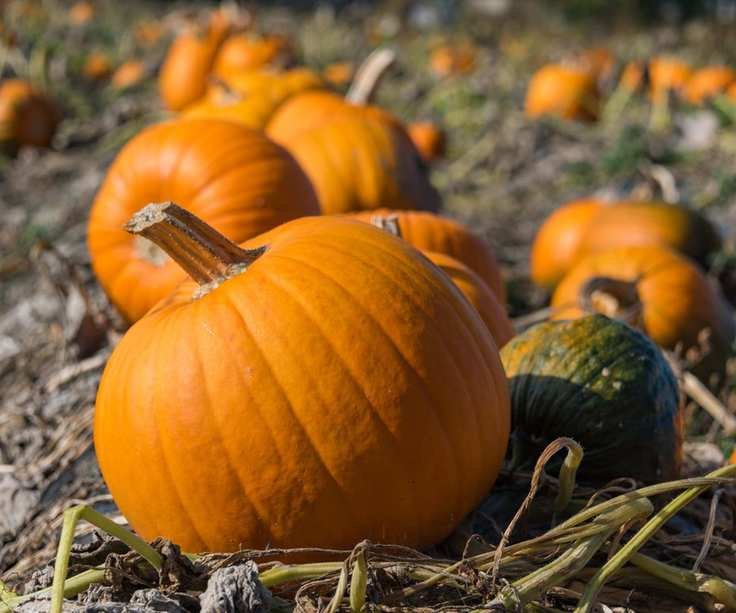
The curing process strengthens the rinds of pumpkins and winter squash, shielding them from decay. A well-cured pumpkin can be stored throughout the winter, while the sugars concentrate, enhancing its sweetness.
How long should pumpkins be cured? The duration can vary based on size; larger pumpkins may require more time than average ones. Typically, pumpkins need 7-14 days to cure, which can be done outdoors or indoors.
When you harvest a pumpkin, it's best to use clean, sharp pruning shears, leaving a few inches of stem attached. This helps in both curing and storage. Any damage to the stem can lead to rotting, so avoid carrying the pumpkin by its stem to prevent breakage.
To cure pumpkins effectively, place them in a sunny location at temperatures between 80-85°F for a week or two after cutting them from the vine. You can do this in your vegetable garden, but if rain or cool temperatures are expected, consider curing them in a greenhouse, sunroom, or sunny windowsill. If outdoors, protect them from frost by covering them or moving them indoors if temperatures drop.
During my time harvesting pumpkins in the unpredictable UK fall weather, I found that curing in an unheated greenhouse or polytunnel was ideal for warmth, ventilation, and protection from wet conditions.
Ensure pumpkins and winter squashes are spaced apart to allow for good air circulation. They should ideally be elevated on shelves or racks.
If you cannot elevate them, place the pumpkins on newspaper, cardboard, or straw to prevent rot from direct contact with a wet floor. Regularly check for any signs of decay or softening and remove any affected pumpkins. You can also rotate them during the curing process.
Once cured, store the pumpkins in a cool, dry area between 50-60°F, where they can remain good for up to three months.

A four-shelf unit with a weight limit of 250 pounds per shelf, perfect for various storage needs, including curing pumpkins to keep them off the ground and promote airflow.
Frequently Asked Questions
Can You Eat Pumpkins Without Curing?
Yes, pumpkins can be eaten immediately after harvesting. However, curing is crucial if you wish to store them for longer than a week. Flavor develops during the curing process, but they can be used in cooking straight from the vine.
Many people enjoy decorating with pumpkins during Halloween. While whole pumpkins can last for months, carved ones have a shorter lifespan after being cut. However, there are several creative options for using leftover pumpkins, such as cooking or adding them to your compost pile to make compost.



