
Your kitchen countertops face daily challenges from spills, splatters, and stains during meal prep, cooking, and dining. Understanding the correct methods for removing common stains is vital for maintaining their appearance and durability.
While cleaning might seem straightforward, using inappropriate products or techniques can lead to costly damage. Fortunately, we consulted experts for their best cleaning strategies tailored to different countertop materials.
Here are eight recommended methods for tackling various stains, from coffee marks to hard water residue.
How to Effectively Remove Stains from Countertops
Removing stains from countertops can be tricky, especially with high-end materials. It's important to follow specific steps and consider the type of material when addressing stubborn spots. Polya Petrova, a kitchen cleaning expert, emphasizes this point.
1. Addressing Organic Stains

Organic stains from red wine, coffee, or food spills are common and can typically be cleaned using the 'S' cleaning technique.
Karina Toner, operations manager at Spekless Cleaning, suggests mixing mild dish soap with warm water for a gentle yet effective solution. This mixture helps break down organic residues without harming the surface. Remember to blot instead of scrubbing to avoid spreading the stain.

As the Operations Manager at Spekless Cleaning, based in Washington D.C., Karina ensures that high-quality cleaning services are delivered consistently to both residential and commercial clients.
2. Tackling Stubborn Stains

For tougher stains like ink, oil, or grease, more intensive cleaning methods are required.
Karina explains that mixing baking soda with water to form a paste serves as a powerful natural abrasive for lifting tough stains. Alternatively, combining hydrogen peroxide with flour can effectively target oil-based marks. These methods penetrate the pores of the countertop material for thorough stain removal.

Arm & Hammer Pure Baking Soda, 4 lb | $2.73 at Walmart
Having baking soda on hand as part of your cleaning supplies allows you to create a cleaning paste quickly when spills occur.
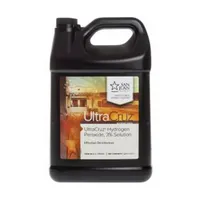
Hydrogen Peroxide 3% | Was $32.88, now $13.95 at Walmart
This one-gallon container of hydrogen peroxide is excellent for cleaning and is more economical than buying smaller bottles.
3. Dealing with Hard Water Stains

Hard water stains are a frequent issue on countertops, particularly in areas with high mineral content in the water.
Karina recommends a solution made of equal parts water and white vinegar to effectively dissolve hard water deposits, leaving your countertops sparkling. For prevention, wipe down surfaces regularly with a microfiber cloth and distilled water, avoiding harsh chemical cleaners that can worsen the buildup.
4. Removing Rust Stains

Rust stains, often from metal items left on countertops, need urgent attention to avoid permanent discoloration. Karina suggests applying lemon juice or vinegar directly to the stain and allowing it to sit for several minutes to dissolve rust deposits.
A commercial rust remover specifically designed for countertops can offer a stronger solution for tough rust stains. Just ensure to test it in a small, inconspicuous area first to check for any adverse reactions.
5. Eliminating Food Coloring Stains

Food coloring stains can be particularly challenging due to their vibrant pigments that easily penetrate porous surfaces. Karina advises using a mixture of hydrogen peroxide and baking soda applied to the stained area, allowing it to sit to gradually lift the marks without damaging the countertop.
Alternatively, oxygen bleach diluted in water according to package directions can serve as a gentle yet effective option for persistent stains.
6. Establish a Routine for Maintenance
Implementing a consistent maintenance routine is crucial for keeping your countertops looking their best over time.
Karina suggests daily cleaning with a microfiber cloth and a mild, pH-neutral cleaner to eliminate surface grime and prevent stains from setting. You might consider using a Granite Gold daily cleaner from Amazon for this purpose.
Additionally, scheduling periodic deep cleaning sessions with specialized countertop cleaners or homemade solutions can effectively remove ingrained dirt and maintain the original shine of your countertops.
7. Understanding Different Countertop Materials
Countertops vary in materials such as granite, marble, quartz, and laminate, each requiring specific approaches for stain removal.
Granite and marble are porous and can be etched by acidic substances, while quartz is non-porous and more resistant to staining. By familiarizing yourself with the properties of each material, you can choose suitable cleaning methods that won't compromise the integrity of the surface.
Quartz Countertops

Quartz countertops are non-porous, making them less prone to staining than other materials. To clean quartz, use dish soap for grease stains and a baking soda-water paste for other stains. If faced with a tough stain, apply the paste, cover it with plastic wrap, and allow it to sit for 24 hours before wiping it away.
Laminate Countertops

Laminate countertops are generally resistant to stains, but their vulnerability can depend on the laminate's quality, texture, and protective coatings.
To clean laminate surfaces, use an all-purpose or kitchen cleaner. An effective option is the Lysol all-purpose cleaner spray from Walmart.
If stains persist, apply a baking soda-water paste and let it sit for a few minutes before wiping it away, as suggested by Mallory Micetich.
Granite Countertops

Granite countertops, like quartz, respond well to a baking soda-water paste.
Polya Petrova advises applying the paste to the affected area, covering it with plastic wrap, and letting it rest overnight. Afterward, wipe off the paste and rinse the area. For stains from acidic substances such as fruit or citrus juice, a mixture of baking soda and a few drops of hydrogen peroxide can yield excellent results.
Butcher-block Countertops

Butcher-block countertops can stain over time, so it's important to clean them gently and avoid bleach or harsh cleaners. To remove stains, mix a quarter cup of water with a teaspoon of vinegar. Use a sponge to apply the mixture and wipe it away, repeating as necessary.
Concrete Countertops

To tackle stubborn stains on concrete, sprinkle baking soda immediately upon noticing the stain to absorb the residue. Afterward, rinse with water and mild soap. For general spots, use a baking soda-water mixture or hydrogen peroxide.
Stainless Steel Countertops
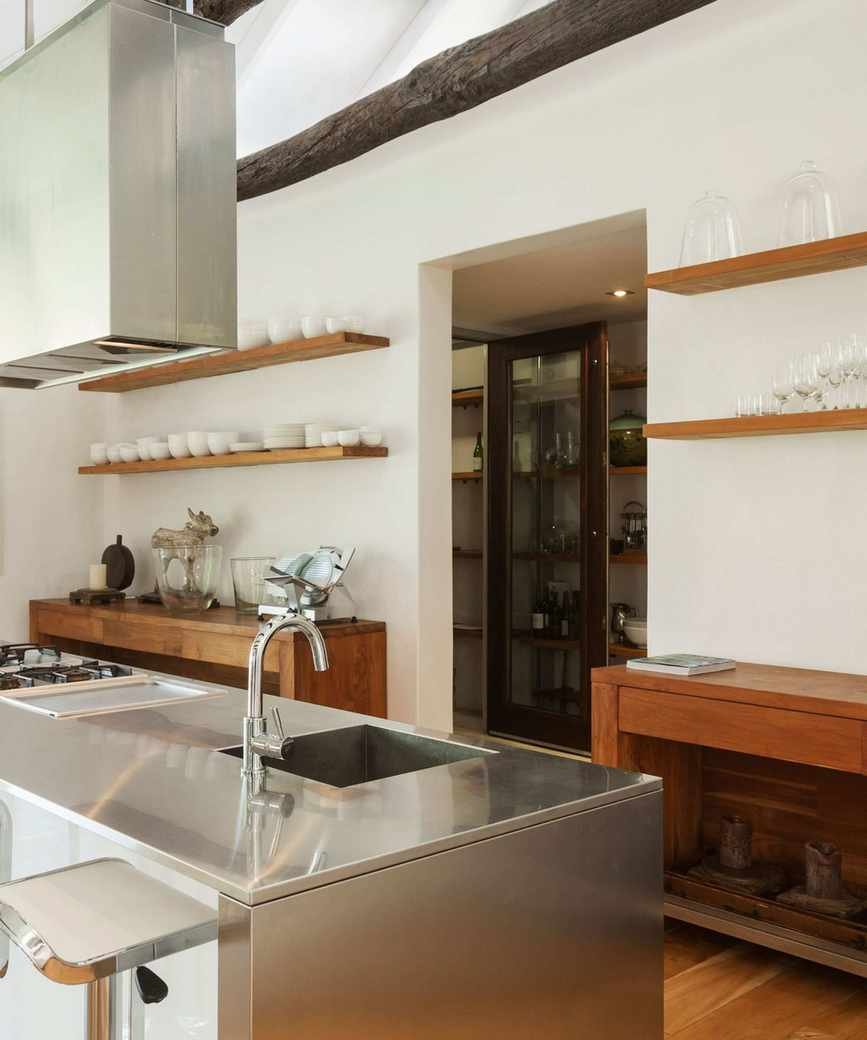
Stainless steel countertops are generally resistant to staining, thanks to their non-porous surface. However, hard water stains can still occur.
For hard water, rust, or grease stains, Karina recommends cleaning with vinegar or lemon juice, letting it sit, and then wiping it clean. Always test any cleaning solution on a small area first.
8. Preventative Measures
While effective stain removal techniques are crucial, prevention is equally important for maintaining pristine countertops.
Regular sealing helps enhance resilience against stains and spills. A quality sealant acts as a barrier, preventing liquids from penetrating and causing discoloration. Apply sealant periodically, following the manufacturer's instructions, to ensure optimal protection.
Encouraging household members to use cutting boards, trivets, and coasters can minimize direct contact between countertops and potential staining substances.
If stains persist despite your best efforts, consider consulting professional cleaners to restore and maintain your countertops, saving you from costly replacements.