
A muddy lawn can be both an eyesore and a source of frustration. Caused by heavy rainfall or snow combined with inadequate drainage, a lawn can quickly turn into a soggy mess. If you've found your grass struggling under such conditions, there are effective strategies to rectify a muddy lawn and prevent it from recurring.
The key to remedying a muddy lawn lies in addressing the primary issue: poor drainage. To stop water from accumulating on your lawn, consider options such as aerating the soil, leveling the ground, and implementing permanent drainage solutions.
To guide you in fixing a muddy lawn, I consulted with several knowledgeable lawn care professionals who shared their best recommendations for tackling drainage issues. From straightforward maintenance tasks to more significant installations, let's explore the available options.
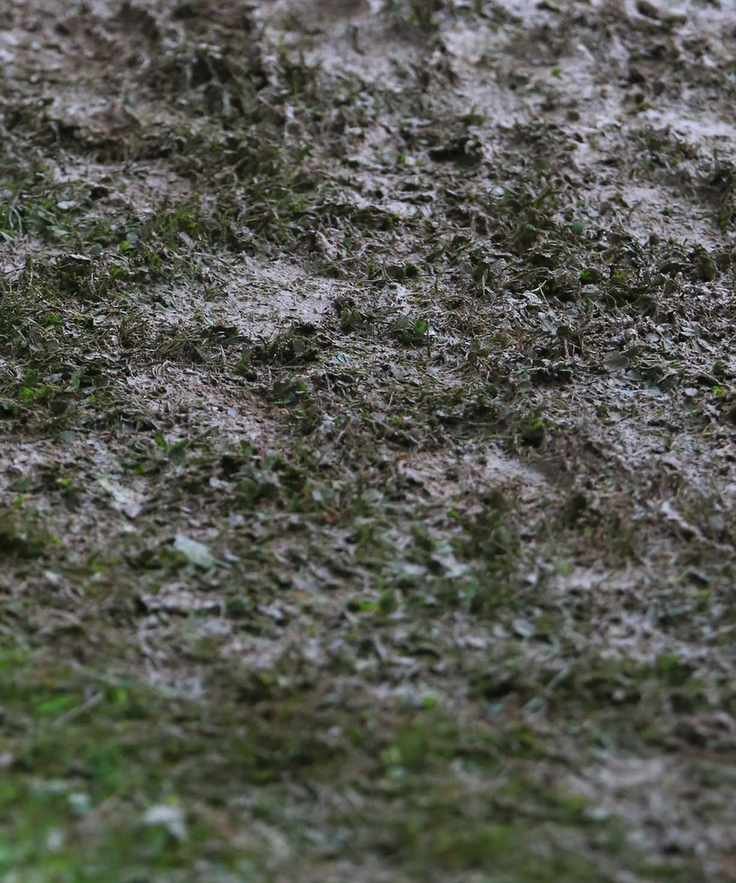
What Leads to a Muddy Lawn?
Experiencing a muddy lawn can be quite vexing. As emphasized by Steven Corcoran from Lawn Love, there are two main factors that typically contribute to this problem.
According to the lawn expert, "Poor drainage and insufficient plant growth are the two main causes that often occur together in the same areas."
He continues, "Areas overwhelmed with moisture tend to kill off plants that aren't suited for wet conditions, resulting in muddy patches."
In many cases, the underlying issue is poor drainage, often exacerbated by compacted soil or certain soil types. This problem tends to worsen during the rainy season. Soil compaction can result from heavy machinery or foot traffic from people and pets.
When the soil becomes compacted, it struggles to drain water effectively. This lack of drainage, combined with bare spots in the grass, leads to a muddy lawn. If your soil is heavy clay, it's particularly susceptible to compaction and retains a lot of moisture, turning into mud.
Additional factors that contribute to a muddy lawn include sloped areas where water collects during heavy rains, as well as downspouts that direct water straight onto the lawn.
Here are three expert-approved methods to address a muddy lawn:
1. Aerate the Soil
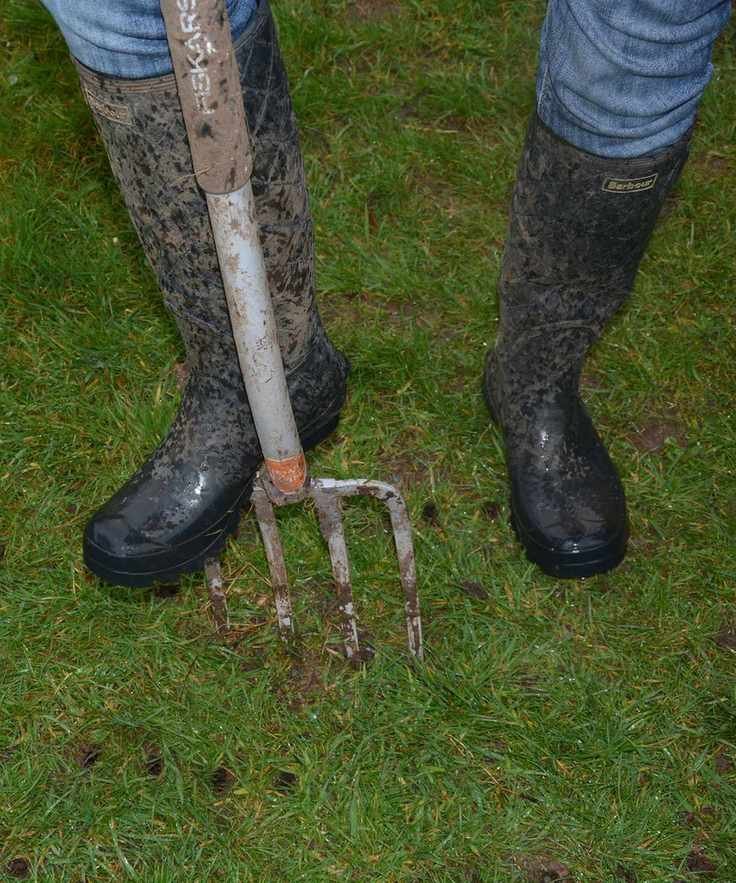
Improving soil drainage is an essential first step in fixing a muddy lawn and preventing it from being a recurring issue. Two key techniques to achieve this are aeration and dethatching.
As Chrissie Handley from Online Turf notes, "Aeration is my top recommendation for enhancing lawn drainage. When the soil is too compacted, water can't drain away, but aeration helps increase airflow to the soil and enables water to penetrate and drain effectively."
She adds, "You can easily achieve this by poking holes in the lawn with a garden fork, and it's a quick method to see immediate improvements in drainage."
Dethatching works by removing dead material and moss from the surface, allowing water to better reach the soil. Both aeration and dethatching should ideally be done annually, typically in the spring, but they can also be part of a fall lawn care routine.

Chrissie Handley
Chrissie Handley is a Lawn Care Specialist providing tailored advice on laying, maintenance, and general lawn care for Online Turf.
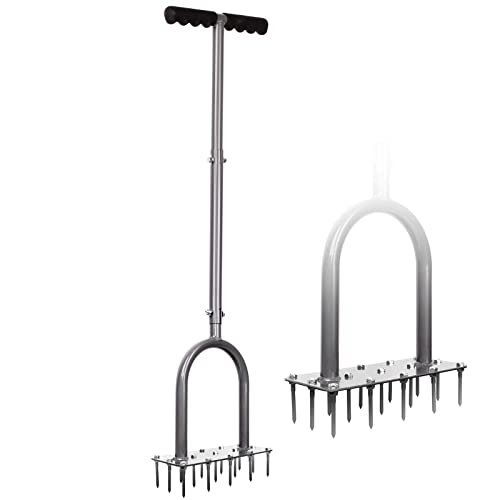
This handy tool for lawn aeration features 15 sharp tines, each measuring 2.3 inches long, making the process quick and easy. The 34.6-inch handle reduces back strain.
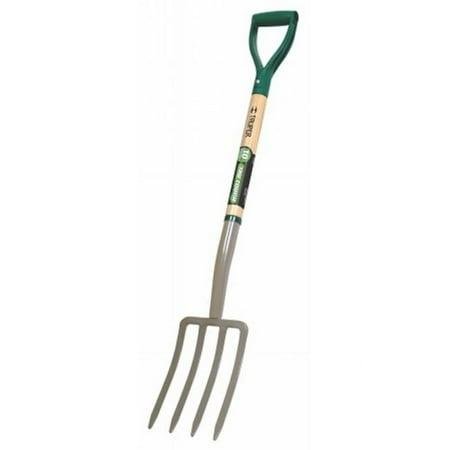
A garden fork is a common tool for aerating lawns. It features durable steel forks and a sturdy wooden handle for longevity, making it ideal for various tasks, including lawn aeration.

This electric dethatcher simplifies the dethatching process. With five adjustable heights, a 20-blade scarifying head, and a powerful 15-amp electric motor, it also includes a collection bag.
2. Level the Lawn
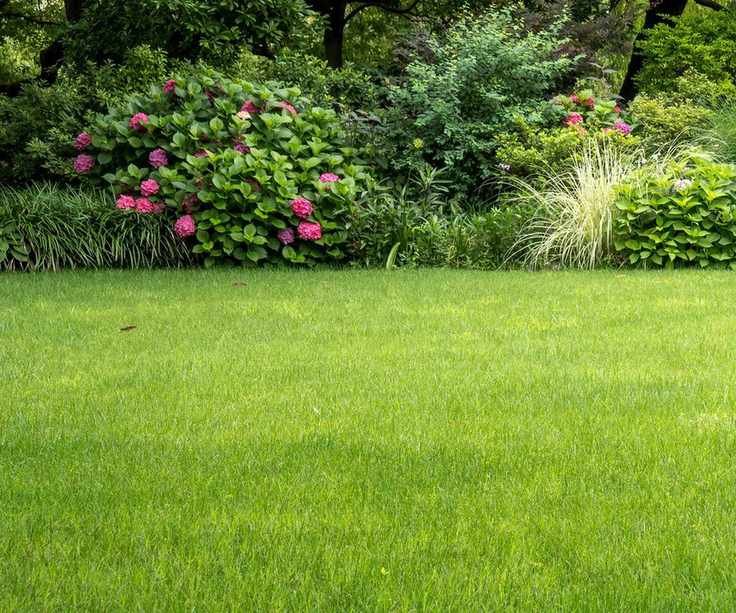
According to Mark Marino, owner of Lawn Phix, "One of the best ways to enhance lawn drainage is by leveling any low spots and ensuring proper grading. Areas where water collects and stands will only exacerbate over time."
To prevent muddy areas where water tends to pool, taking steps to level your lawn is essential. Minor bumps or dips can be filled by topdressing with a mixture of 40% sand, 40% topsoil, and 20% compost, followed by sowing grass seed a few days later.
For larger sunken areas, you may need to lift the turf and refill the ground with a sand and topsoil mix. Once the level is correct, lay the turf back down.

Mark Marino
Mark Marino is the owner and operator of Lawn Phix in Massachusetts. He is passionate about improving soil health and optimizing turf nutrition to create an ideal environment for grass growth.
3. Install a French Drain
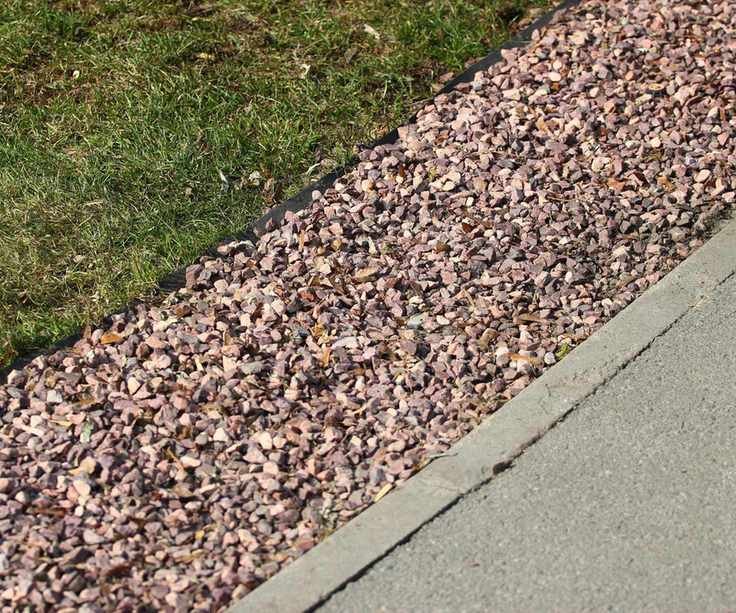
For a more permanent solution, consider adding a French drain or a soakaway to help redirect water away from your lawn, preventing it from becoming muddy.
French drains are a widely used method for improving garden drainage. They consist of a narrow trench that contains a perforated pipe and is backfilled with gravel. This design allows water to enter at multiple points and be directed elsewhere. It's advisable to have professionals install a French drain rather than attempting a DIY approach.
A soakaway, on the other hand, differs from a French drain as it allows water to be absorbed deep into the soil to reduce pooling. While it can effectively improve drainage and prevent waterlogging, it is usually a more expensive option compared to French drains or alternatives like dry creeks or swales.
FAQs
How Can I Eliminate Mud in My Lawn?
Dealing with muddy patches can be challenging, but there are short-term solutions that can help.
Rivkah Topas, vice president of Y&L Landscaping & Tree Service, suggests: "Temporary fixes for managing mud include spreading straw or wood chips to absorb moisture and provide quick coverage over the muddy area."
Additionally, it's best to avoid walking on a muddy lawn to prevent worsening the mud situation.
If you frequently face waterlogging issues, you might want to consider creating a rain garden to address these concerns.
A rain garden is a designated area in your garden designed to absorb excess rainwater, preventing damage to your lawn or flower beds. Moisture-loving perennial flowers and grasses can thrive in such an environment, making a rain garden both beautiful and functional.