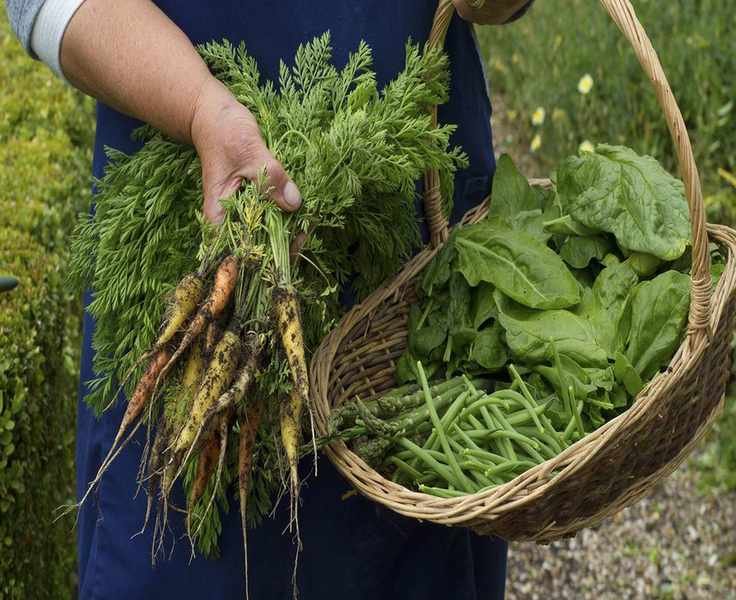
Growing carrots at home means you'll be adding this tasty vegetable to countless dishes. They provide a satisfying crunch in salads, can be enjoyed as a snack, roasted for sweetness, or even incorporated into cakes and muffins.
Carrots, especially those grown in your garden, are not only delicious but also loaded with vitamins and fiber.
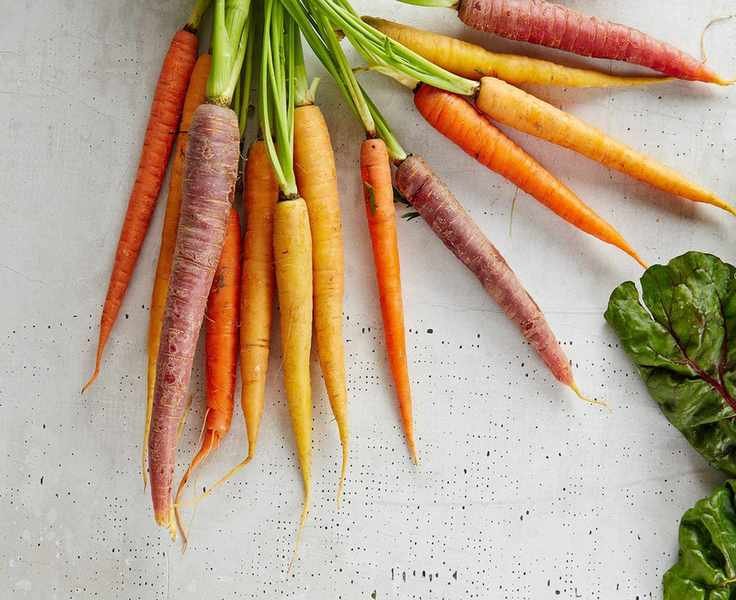
Beyond the traditional orange carrots, you can experiment with various colors like white, purple, and yellow, many of which aren't found in stores.
This versatility makes carrots a fantastic choice for any kitchen garden ideas.

Growing Carrots at Home
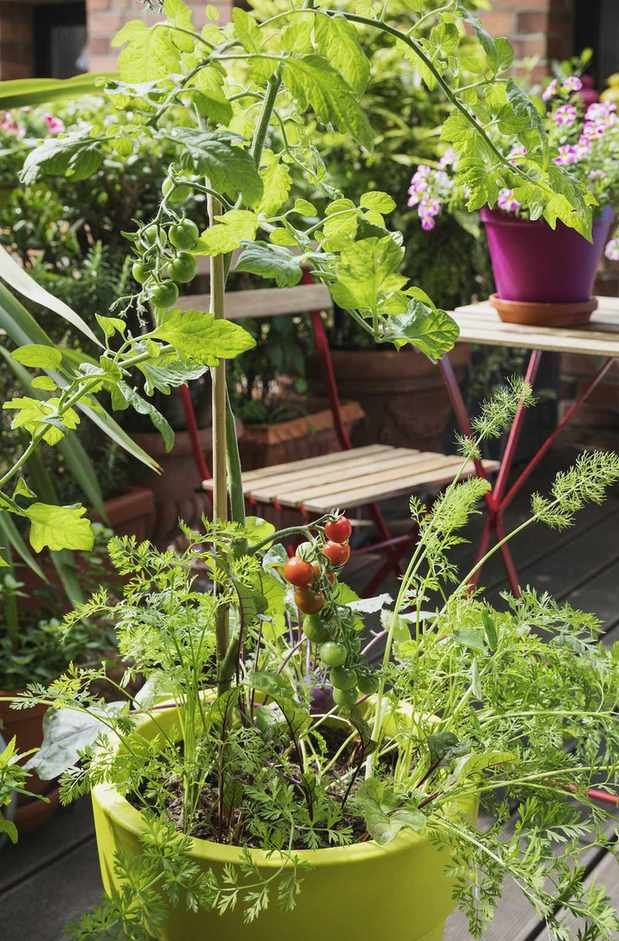
Carrots thrive in the ground or raised beds, but they also adapt well to container gardening. It's best to sow them directly in the soil, as they don't respond well to root disturbance.
"Carrots are simple to cultivate, making them perfect for beginners," shares a gardening expert.
"If you select the right variety, containers can be just as productive as traditional garden beds, so don't worry if space is limited," she adds.

Best Months for Planting Carrots
You can plant carrots from early spring to late fall, allowing for nearly year-round harvesting.
"Sow carrots a few weeks before the last frost for a late spring or early summer harvest, as they become sweeter after frost. You can also replant in the fall, just be sure to harvest before the ground freezes," advises another gardening expert.
There are both early varieties and maincrop types (check your seed packet).
Early varieties can be sown in spring, while maincrop types can be planted from late spring into the fall.
"You can get early harvests by sowing at the end of March, but for reliability, wait until May when conditions are drier," she suggests.
If you have a greenhouse, you can even grow carrots throughout winter for a spring harvest.
Successful Carrot Growing Tips
To grow carrots successfully, ensure they have the right conditions. With the right setup, they'll flourish with minimal care.
Select an appropriate location in your garden and consider companion planting to maximize growth.
"When prepping soil for carrots, avoid freshly composted or manured soil, as this can cause splitting or forking. You need well-raked, free-draining soil that's not too clumpy," advises a gardening authority.
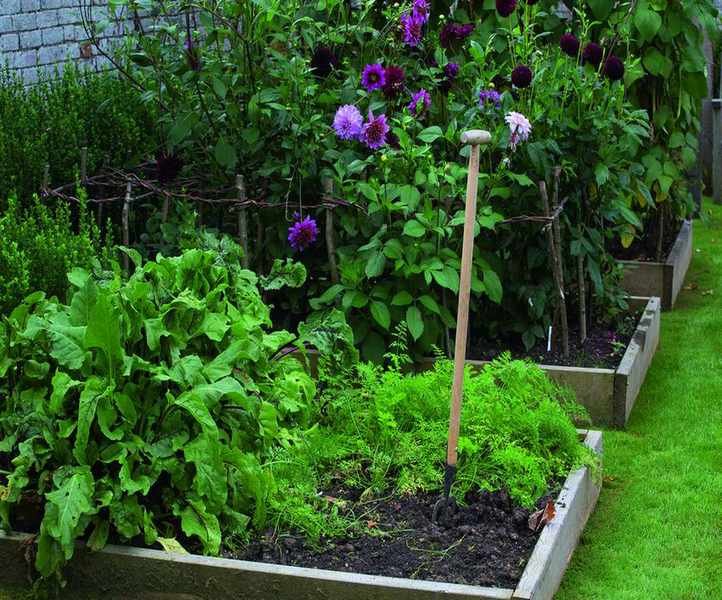
- Choose an open, sunny location with light, fertile, well-drained soil that retains moisture. You can also successfully grow carrots in containers.
- Loosen the soil to eliminate lumps and stones to prevent stunted growth.
- For heavy or clay soil, opt for short-rooted carrot varieties.
- Incorporate well-rotted organic matter or compost.
- Create shallow trenches about ½ inch (1cm) deep, spacing rows 6–12 inches (15-30cm) apart.
- Sow carrot seeds thinly in the drills, 2-2½ inches (5-8 cm) apart, cover lightly with soil, and water gently to avoid overcrowding seedlings.
- Plant carrots every couple of weeks from March through late summer for a continuous harvest.
- Keep the area free from weeds.
- Water sparingly, increasing frequency during dry spells.
- Thinning seedlings may attract pests like the carrot root fly, so do this on calm evenings to minimize scent dispersion.
- To protect against carrot fly, cover crops with fleece or plastic, or set up barriers.

Carrot Growth Timeline
Wondering when to harvest carrots? It depends on the variety.
Seeds typically germinate within about 14 days.
Early varieties can be ready to harvest in about 10 weeks.
Maincrop varieties take approximately 14-16 weeks after planting.
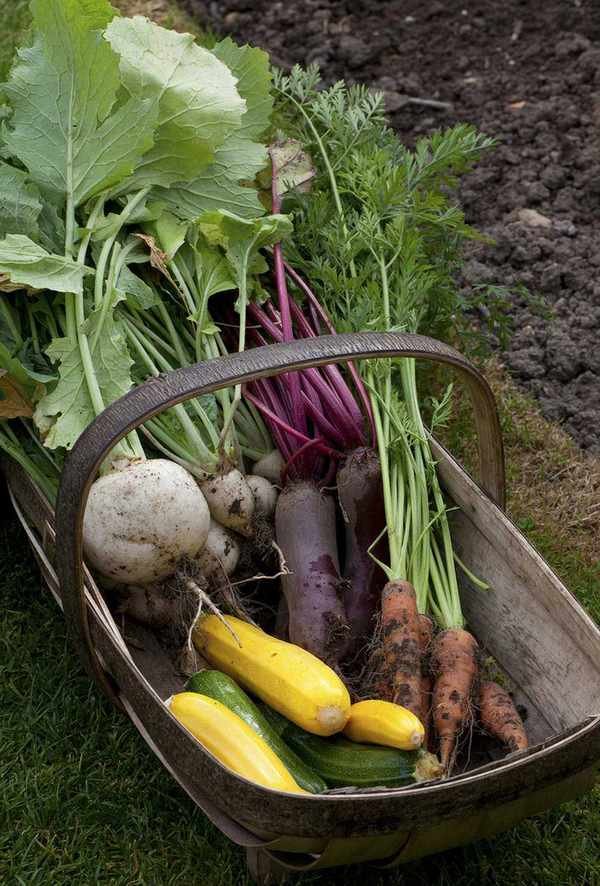
By sowing carrots at intervals, you can harvest them throughout most of the year, and diverse varieties can yield a colorful and nutritious harvest.
Identifying Harvest-Ready Carrots
"To check if your carrots are ready, pull a few test plants," suggests a gardening specialist.
Most carrot crops can be harvested between 12 and 16 weeks post-sowing.
Pick carrots as soon as they're large enough to use; they lose flavor as they grow larger.
Harvest them carefully, ideally when the soil is moist or after watering.
Carrots can be stored in the fridge for 2-4 weeks after removing their green tops.
"Avoid storing them with apples or pears, as these fruits release gases that can make carrots bitter," the expert warns.
Should I Allow Carrots to Flower?
Carrots are biennials, blooming and setting seed in their second year.
"If you have room, leave a few carrots in the ground over winter; as long as the roots don't rot, you'll be rewarded with delicate white flowers the next year," suggests a gardening expert.
These flowers attract beneficial insects like ladybugs, which help manage pest populations.